
When riding a motorcycle in the Philippines, a reliable raincoat is not just a convenience—it is a critical piece of safety gear. For riders considering a Fanyu raincoat for men, the best models for daily commuting are two-piece rain suits constructed from heavy-duty, polyurethane-coated polyester or nylon. These models feature heat-sealed seams, double-layered front zippers with storm flaps, and high-visibility reflective strips. Casual ponchos or single-piece suits do not offer the wind resistance, physical security, or full-body coverage required to handle high-speed travel during severe tropical downpours.
Quick Guide: Core Criteria for Choosing a Fanyu Motorcycle Raincoat
When evaluating Fanyu raincoats for daily motorcycle commuting in tropical climates, you must prioritize specific structural features over casual design. The non-negotiable baseline for safe motorcycle-specific rain gear is a full-body, two-piece suit consisting of a separate jacket and pants. This configuration ensures complete freedom of movement while preventing water from pooling in your lap—a common issue with one-piece suits. Additionally, look for fully sealed internal seams and high-visibility elements that ensure you remain visible to other motorists through heavy sheets of rain.
Because the Fanyu brand manufactures a wide variety of protective wear, ranging from lightweight casual ponchos to industrial-grade workwear, you must carefully filter out models that are not engineered for the unique physics of motorcycle riding. Standard walking raincoats will quickly balloon, flap violently, or tear under the wind pressure experienced at typical riding speeds. Riding-specific models are tailored to accommodate a forward-leaning posture and feature reinforced stress points to withstand both wind resistance and the physical strain of mounting and dismounting your bike.
Products mentioned in this guide
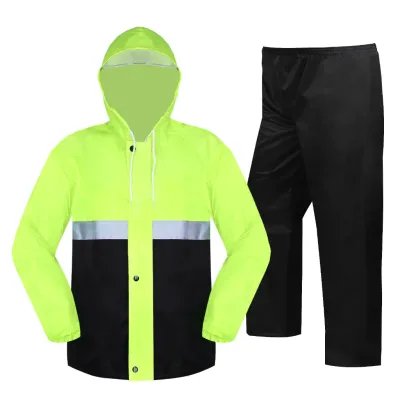
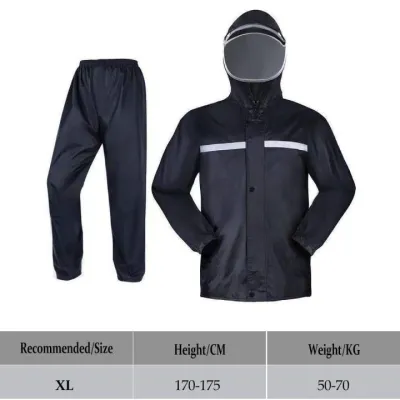
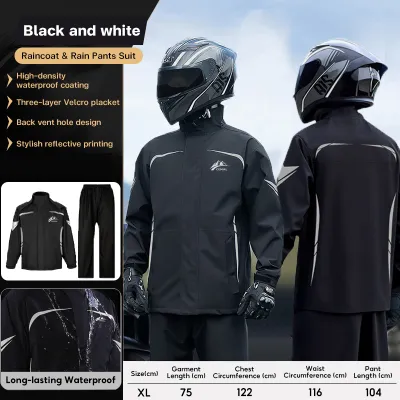
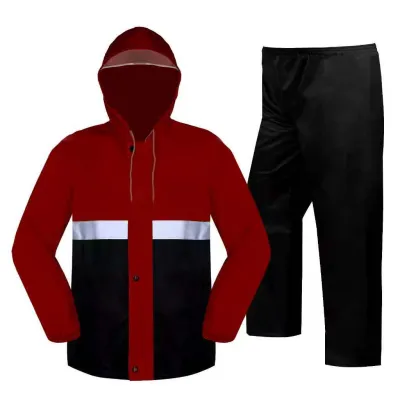
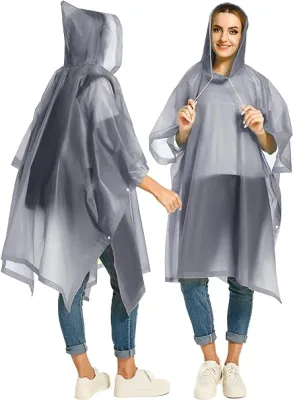
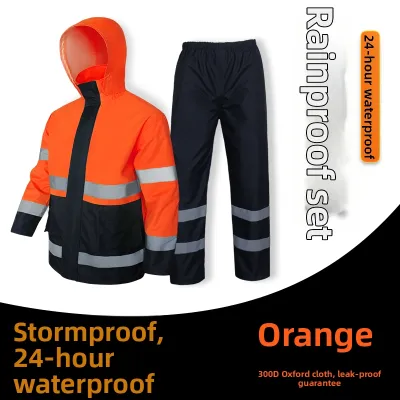
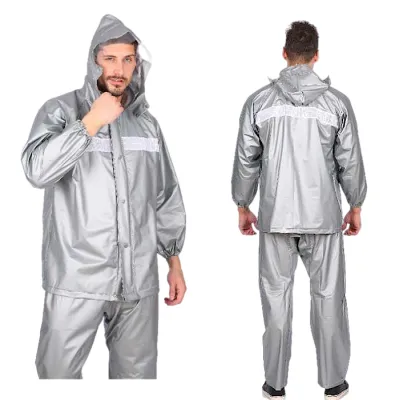
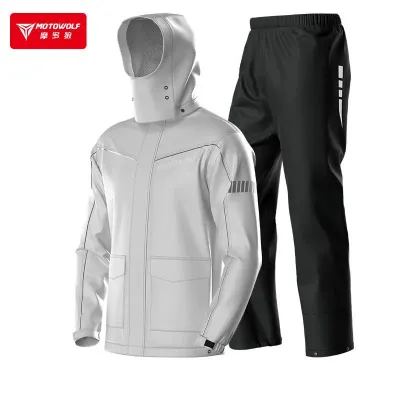
Prices are valid at publication and may change. Please refer to the product page for the latest price.
To ensure you are purchasing a genuine, high-performance riding model, always verify the official manufacturer specifications rather than relying on generic e-commerce listing titles. Many online marketplace sellers use catchphrases like “motorcycle rain gear” for basic, low-grade plastic suits that lack the necessary durability and safety features. Inspect the product tags, material descriptions, and specifications on authorized online storefronts to confirm the presence of polyurethane (PU) coatings, taped seams, and heavy-duty closures before making your purchase.
Key Specifications to Verify When Comparing Fanyu Models
Waterproof Ratings, Seam Construction, and Material Durability
To assess the actual weatherproofing capabilities of a Fanyu raincoat, look beyond basic water-resistance claims and check the fabric’s waterproof rating, which is typically measured in millimeters of water column pressure (mm H2O). For motorcycle commuting in heavy tropical downpours, a rating of at least 5,000mm to 10,000mm H2O is highly recommended. At highway speeds, the impact force of wind-driven rain droplets behaves like high-pressure water jets, easily penetrating fabrics with lower ratings. Checking this specification ensures your gear can withstand prolonged exposure to intense rain without leaking.

The method used to join the fabric panels is just as important as the material itself. Standard stitched seams contain thousands of tiny needle holes that act as pathways for water ingress under wind pressure. When comparing Fanyu models, verify that the interior seams are fully taped or heat-sealed with a waterproof membrane. Pay close attention to high-stress areas such as the shoulders, the crotch, and the inner thighs. These zones undergo constant stretching and friction while riding, making them highly susceptible to seam separation and water leakage if not properly reinforced.
Material durability is another critical factor to consider. Fanyu raincoats are commonly available in polyvinyl chloride (PVC) or polyester and nylon blends coated with polyurethane (PU). While pure PVC models are highly durable and completely waterproof, they tend to be heavy, stiff, and exceptionally hot because they do not allow air to pass through. Polyester or nylon blends with a PU coating offer a superior balance for riders; they are lightweight, highly flexible, resistant to tearing, and much easier to pack into an under-seat storage compartment. These synthetic blends also provide better resistance to the abrasive forces of wind and road debris.
High-Visibility Elements and Reflective Safety Features
Monsoon rains and late-afternoon thunderstorms in the Philippines can reduce road visibility to near-zero in a matter of minutes. Under these hazardous conditions, being seen by distracted drivers is your primary defense against accidents. When selecting a Fanyu raincoat, choose high-visibility base colors such as neon yellow, fluorescent green, or bright orange. While dark grey or black raincoats may look stylish, they blend into the dark, wet asphalt and grey rain, making you virtually invisible to oncoming traffic and vehicles behind you.
In addition to bright base colors, effective reflective safety features are vital for low-light and nighttime riding. Examine the placement of the reflective strips on the Fanyu models you are comparing. High-quality riding raincoats feature wide, retroreflective bands positioned across the upper back, the chest, and along the outer sleeves and pant legs. This strategic placement ensures 360-degree visibility, allowing drivers to identify your presence and outline your shape from any angle, whether you are stopped at an intersection or cruising on an open road.
Furthermore, you must evaluate the durability of these reflective elements. In cheaper rain gear, reflective strips are often made of low-grade paint that cracks, peels, or loses its reflective properties after being folded and stored repeatedly. Look for Fanyu models that utilize heat-pressed, industrial-grade reflective tape or integrated piping. These materials are designed to flex with the fabric and withstand the friction of regular use, ensuring they remain highly reflective and intact over multiple rainy seasons without degrading.
Riding-Specific Cut, Cuff Adjustability, and Ventilation
A standard, straight-cut raincoat will not perform well when you are seated on a motorcycle. When you reach forward to grip the handlebars, the sleeves of a casual jacket will pull back, exposing your wrists, while the rear hem will ride up, allowing water to spray directly onto your lower back. Riding-specific Fanyu models feature an ergonomic cut with pre-curved sleeves and an elongated back hem. This design accommodates your riding posture naturally, keeping your wrists and lower back fully covered and protected from wind and water throughout your journey.
Properly sealing the openings of your rain gear is essential to prevent water from creeping inside. Look for models equipped with robust, adjustable closures at the wrists, ankles, and collar. Elastic cuffs alone are rarely sufficient at high speeds; instead, prioritize jackets that feature thick Velcro straps or snap buttons over the elastic bands. These allow you to tighten the cuffs securely over or under your riding gloves. Similarly, adjustable ankle tabs prevent the pant legs from flapping in the wind and stop water from splashing up into your riding boots.
While keeping water out is critical, managing the internal environment of the suit is equally important. Wearing a completely sealed waterproof suit in a hot, humid climate quickly leads to heavy sweating, leaving you just as wet on the inside as you would be from the rain. To combat this, look for Fanyu models that incorporate strategic ventilation features. Rear cape-style vents, underarm zippered vents, and a full interior mesh lining are excellent design elements. They allow body heat and moisture vapor to escape while utilizing overlapping fabric flaps to prevent exterior rainwater from entering.
Design Features for Philippine Monsoons and Tropical Humidity
Deflecting Wind-Driven Rain at Highway Speeds
Riding on open expressways or coastal roads during the monsoon season exposes you to intense, directional rain that is driven by strong winds. Under these conditions, water will easily find its way through standard zippers and closures. To prevent this, high-quality Fanyu riding raincoats are designed with double-layer storm flaps over the main front zipper. This design features an inner gutter to catch any water that penetrates the zipper teeth, combined with an outer flap that folds over the zipper and secures tightly with heavy-duty snaps or Velcro, creating an impenetrable barrier.
Wind pressure at high speeds also causes loose fabric to flap violently, which is not only incredibly distracting but can also cause rapid physical fatigue and accelerate wear on the raincoat’s seams. To keep the suit anchored and aerodynamic, look for Fanyu models that feature adjustment straps on the upper arms, waist, and lower hem. Tightening these straps customizes the fit to your body shape, minimizing wind resistance and preventing the jacket from ballooning. This structural stability is crucial for maintaining control of your motorcycle during sudden gusts of wind.
The design of the hood is another critical safety and comfort consideration for highway riding. A loose, flapping hood can catch the wind like a parachute, pulling back on your neck and creating a dangerous distraction. When choosing a Fanyu model, ensure the hood is either fully detachable via a zipper or snaps, or designed to roll up and stow away neatly inside a dedicated collar pocket. If you prefer to wear the hood under your helmet to prevent water from running down your neck, verify that the hood fabric is thin enough to fit comfortably without altering your helmet’s safe fit.
Balancing Waterproofing with Breathability in High Heat
The Philippine climate presents a difficult challenge: temperatures often remain around 30°C even during heavy downpours, resulting in near-100% relative humidity. In this environment, non-breathable rain gear acts like a portable greenhouse, trapping your body heat and sweat. This lack of temperature regulation can lead to heat exhaustion, discomfort, and a loss of concentration while navigating congested city streets. To stay safe and comfortable, you must choose gear that balances robust waterproofing with effective heat dissipation.
When comparing Fanyu raincoats, look for models that use advanced polyester outer shells paired with lightweight, breathable inner mesh linings. The mesh lining is a crucial component because it creates a physical air gap between your skin (or your underlying clothing) and the cold, wet outer waterproof barrier. This gap prevents the damp fabric from clinging to your limbs, which significantly improves comfort and allows air to circulate passively within the suit. This continuous airflow helps evaporate sweat and keeps your body temperature stable.
To manage heat effectively during your daily commute, you can also adopt practical riding habits. When you are stopped at long traffic lights in heavy urban traffic, utilize the zippered underarm or chest vents on your Fanyu jacket to let built-up heat escape, then zip them closed before you resume riding. Additionally, choosing lighter-colored rain gear, such as bright yellow or light grey, helps reflect solar radiation when the sun breaks through the clouds immediately after a downpour, reducing the amount of heat absorbed by the suit.
Safety Boundaries, Fit Checks, and Gear Maintenance
To ensure your safety and get the longest possible lifespan out of your Fanyu rain gear, you must understand its physical limitations, perform regular fit checks, and follow proper maintenance procedures.
- Safety Boundary: It is critical to recognize that a raincoat is designed solely for weather protection and does not provide impact or abrasion resistance. A thin layer of polyester or PVC will offer virtually zero protection in the event of a slide or fall on wet asphalt. Therefore, a rain suit must never replace your standard motorcycle riding gear. You must always wear your CE-certified armored jacket, riding pants, gloves, and boots underneath your Fanyu rain suit. If your rain gear does not fit over your protective equipment, you must size up rather than ride without your armor.
- Pre-Ride Fit Check: Before departing into a storm, put on your complete riding outfit, including your armored jacket, helmet, gloves, and boots, and wear the Fanyu rain suit over them. Sit on your motorcycle in your normal riding position and perform a thorough mobility check. Verify that you can turn your head fully to check your blind spots, reach the handlebars comfortably, and operate the throttle, clutch, front brake, and rear brake without any restriction or tightness. Ensure that there are no loose drawcords, long adjustment straps, or flapping fabric near the bottom of the pants that could snag on your footpegs, gear shifter, or drive chain.
- Maintenance and Storage: Proper care is essential to maintain the waterproof integrity of your rain gear. Never clean your Fanyu raincoat in a washing machine, and avoid using harsh laundry detergents or fabric softeners, as these chemicals will strip away the durable water repellent (DWR) coating and damage the heat-sealed seam tape. Instead, gently rinse off road grime, mud, and salt residue using clean, cool water and a soft microfiber cloth. Always hang the jacket and pants separately on wide, padded hangers in a well-ventilated, shaded indoor area to dry. Never expose the gear to direct sunlight or use a tumble dryer, as extreme heat and UV rays will dry out, crack, and delaminate the inner waterproof polyurethane coating. Ensure the suit is completely dry inside and out before storing it loosely; folding or stuffing a damp rain suit into a tight storage bag will cause mold, mildew, and premature delamination.
Frequently Asked Questions (FAQ)
Is a Fanyu poncho safe for daily motorcycle commuting?
No, a Fanyu poncho is not safe for daily motorcycle commuting and is highly discouraged for active riding. At typical commuting speeds, the loose, open-sided design of a poncho allows wind to catch the fabric easily, turning it into a sail that can destabilize your balance and pull on your neck. The excess fabric also flaps violently, which can block your mirrors, obscure your headlight, or fly up into your face and block your vision. Most dangerously, the long, loose hems of a poncho can easily become tangled in your motorcycle’s moving parts, such as the rear wheel, chain, or foot controls, leading to a severe accident. For safe commuting, you should always use a fitted, two-piece rain suit.
How should a Fanyu raincoat fit over a standard riding jacket?
Your Fanyu raincoat should fit snugly enough to prevent the fabric from flapping at speed, yet loosely enough to accommodate your armored riding jacket underneath without restricting your movement. To achieve this, it is generally recommended to purchase your rain suit one size larger than your standard shirt or riding jacket size. When trying on the gear, ensure that the shoulders, elbows, and back of the rain jacket do not compress your riding jacket’s armor inserts. Compressing the armor not only reduces your riding comfort and joint mobility but can also compromise the impact-absorbing effectiveness of the protective pads in an accident.
What is the best way to dry and store the raincoat after a wet ride?
After riding in the rain, immediately hang your Fanyu rain suit on wide, hanger-style supports in a well-ventilated, shaded area away from direct heat sources. First, turn both the jacket and pants inside out to allow any trapped sweat, humidity, and condensation on the inner mesh lining to dry completely. Once the interior is dry, flip the garments right-side out to let the outer shell dry. Never fold, crumple, or store your rain gear in an under-seat compartment or top box while it is still damp. Trapped moisture in a warm, dark space will rapidly lead to the growth of mold and mildew, create foul odors, and cause the inner waterproof coatings to stick together and peel away, permanently ruining the gear.

Community discussion
Share your experience or ask a question. Comments are reviewed before publication.