
Navigating the bustling streets of Metro Manila, squeezing through narrow residential barangay roads, and maneuvering into tight basement parking slots in major commercial centers requires exceptional spatial awareness. For many drivers in the Philippines, a car 360 camera system has transitioned from a premium luxury to an essential driving aid. This technology provides a comprehensive, bird’s-eye view of your vehicle’s immediate surroundings, helping you avoid costly scrapes, low-lying obstacles, and minor collisions. While high-end vehicles often come equipped with these systems from the factory, aftermarket options allow you to retrofit this convenience onto almost any vehicle.
If you are shopping with a budget of ₱15,000, finding a reliable car 360 camera is entirely possible, provided you understand how to navigate technical specifications, balance hardware costs with local installation fees, and avoid common quality traps. Because this modification involves both complex electronics and physical alterations to your vehicle, making an informed decision before purchasing is critical to ensuring road safety and system longevity.
What a ₱15,000 Budget Gets You in a Car 360 Camera (and What It Doesn't)
A budget of ₱15,000 represents a highly competitive mid-range tier in the local Philippine automotive electronics market. At this price point, you should expect to find highly capable, universal aftermarket kits rather than proprietary factory-style integrations. Factory-style integrations, which hook directly into a vehicle’s proprietary CAN bus system and display on highly customized factory screens without external modules, typically cost far more and are highly vehicle-specific. In contrast, a universal aftermarket kit under ₱15,000 provides a versatile control box, four high-definition cameras, a standard wiring harness, and a remote control or touch-interface integration.
Products mentioned in this guide
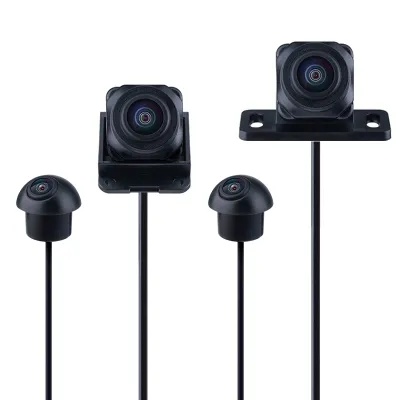
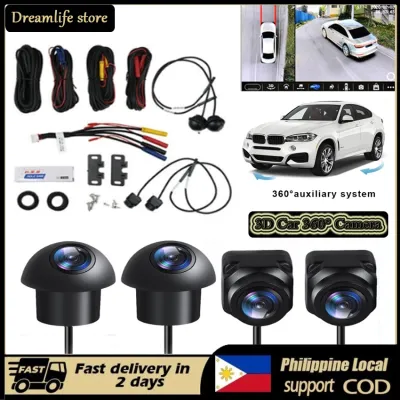
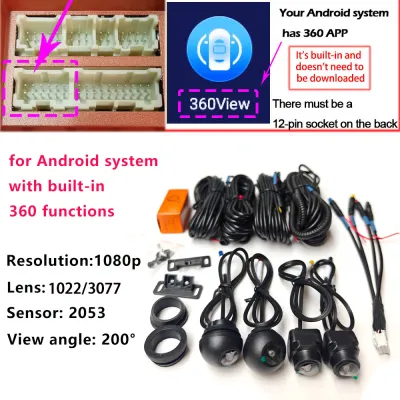
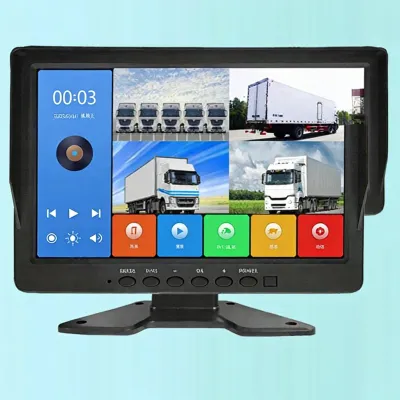
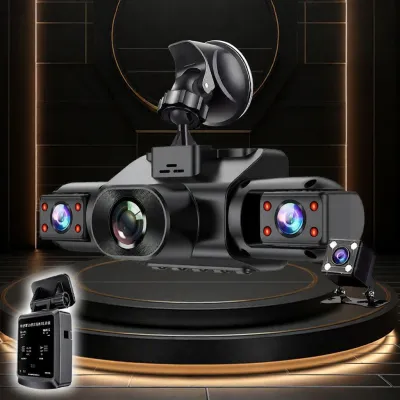
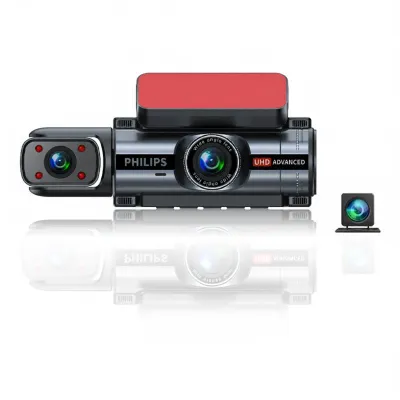
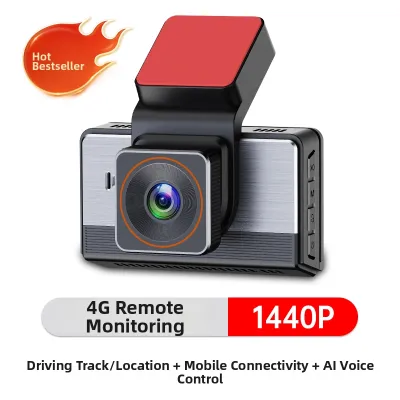
Prices are valid at publication and may change. Please refer to the product page for the latest price.
The core decision logic when working within a ₱15,000 limit is understanding that this sum must cover both the hardware kit and the professional labor required for installation. Attempting to maximize your budget by purchasing a ₱14,000 hardware kit will leave you with insufficient funds for a safe, high-quality installation, forcing you into risky DIY attempts or low-quality labor. Conversely, buying an ultra-cheap ₱2,000 kit leaves plenty of room for installation but saddles you with low-resolution sensors, poor night vision, and unreliable software stitching.
A balanced approach is crucial for long-term satisfaction. Allocating roughly ₱8,000 to ₱10,000 for a reputable hardware kit and reserving ₱5,000 to ₱7,000 for professional installation ensures that the system is both high-performing and safely integrated into your vehicle. This distribution protects your vehicle’s electrical system while ensuring you receive hardware that can withstand daily driving demands.
Must-Have Specifications vs. Acceptable Compromises
When evaluating a car 360 camera within a mid-range budget, prioritizing essential hardware specifications is critical to ensure safety and basic functionality. First and foremost, look for a system that offers a minimum of 1080p sensor resolution, often labeled as AHD (Analog High Definition) 1080p. Lower-resolution systems, such as those utilizing older CVBS or 480p standards, produce blurry, pixelated feeds that make it difficult to identify small hazards, high curbs, or license plates. Additionally, adequate low-light performance is non-negotiable for night driving; systems utilizing high-quality image sensors offer superior dynamic range and clarity in dimly lit environments.

Another critical feature to prioritize is a control box with a robust image-stitching algorithm. This software seamlessly merges the four independent camera feeds to eliminate blind spots and distortion at the vehicle’s corners. Without a reliable stitching algorithm, the transition zones between the cameras can warp, creating dangerous visual blind spots that defeat the purpose of a 360-degree view.
To stay within your ₱15,000 budget, you must be prepared to accept certain compromises that do not directly affect safety. For instance, a basic user interface with simpler graphics is perfectly acceptable as long as the video feed remains clear and responsive. You can also compromise on built-in DVR storage; instead of paying a premium for a system with large internal solid-state drives, choose a model that relies on an external microSD card for recording footage. Simpler manual calibration tools, which require laying down physical calibration mats during setup, are also an acceptable trade-off compared to expensive, fully automated software calibration systems used by high-end dealerships.
However, you must strictly avoid ultra-cheap kits that sacrifice fundamental build quality. In the tropical climate of the Philippines, where vehicles are routinely subjected to intense summer heat, torrential monsoon rains, and high humidity, weatherproofing is paramount. Ensure the cameras carry a verified IP67 or, ideally, IP68 water and dust resistance rating. Low-quality lenses with poor sealing are prone to severe internal condensation, water ingress, and lens yellowing from prolonged UV exposure, which can permanently ruin the camera feed within a single rainy season. Furthermore, cheap plastic lenses are highly susceptible to headlight glare and lens flare, making them virtually unusable during night driving or under direct sunlight.
Factoring in Installation and Hidden Costs
A common mistake among car owners is purchasing a car 360 camera kit online without realizing the physical complexity of the installation process. Unlike a simple front-facing dashcam that plugs into a cigarette lighter, a 360-degree camera system requires routing video and power cables from four distinct points of the vehicle to a central processing unit under the dashboard. This requires running cables through the front grille, routing wires through the rubber boots of both front doors into the side mirrors, and running a long cable through the headliner or floor sill panels to the rear license plate area. The side mirror installation is particularly labor-intensive, as it requires drilling precise holes into the bottom plastics of your side mirrors and threading delicate wires through the folding mirror pivot mechanisms.
Because of this complexity, professional installation is strongly recommended. Attempting a DIY installation without advanced automotive electrical knowledge poses significant risks, including breaking fragile interior trim clips, pinching wires, causing electrical short circuits, or accidentally interfering with side curtain airbag sensors housed within the pillars. Furthermore, improper sealing of the door panels or side mirrors during reassembly can lead to persistent water leaks into the cabin during heavy downpours. In the local Philippine market, professional labor for a 360-camera installation typically ranges from ₱4,000 to ₱7,000, depending on the vehicle’s size and complexity. This labor cost must be factored in and deducted from your ₱15,000 total limit before you select your hardware kit.
Beyond labor, you must also account for potential hidden costs that can quickly push you over budget. Depending on your vehicle’s existing setup, you may need custom mounting brackets to secure the cameras without damaging your bodywork. If you are attempting to connect the aftermarket 360 system to a factory-installed head unit, you may also require a specialized video decoder or interface module, which can easily add several thousand pesos to the total cost. Always verify the total checkout costs, including local shipping fees, taxes, and any necessary wiring adapters, before finalizing your purchase.
Evaluating Compatibility and Avoiding Quality Traps
Before committing to any car 360 camera purchase, verifying compatibility with your vehicle’s existing electronics is essential. The most critical factor is your head unit’s input compatibility. Many modern budget 360 systems are designed specifically to pair with aftermarket Android head units, utilizing a dedicated 12-pin connector and relying on the head unit’s built-in software app to handle the touch controls and display. If you have an older aftermarket display or a factory screen that only supports standard AV, RCA, or AHD inputs, you must ensure the 360-camera kit you choose includes a standalone control box that outputs a standard video signal and is operated via an external remote control or physical button.
Another vital compatibility check involves the calibration process. A 360-degree camera system cannot function correctly without proper calibration to align the four independent feeds into a seamless bird’s-eye view. When buying a kit, verify that the package includes the necessary physical calibration cloths or mats, or confirm that your chosen installation shop possesses the specific calibration software and mats compatible with that brand. Additionally, ensure the control box software supports manual adjustments for your vehicle’s specific wheelbase, length, and width, as incorrect geometry settings will result in distorted perspective lines and dangerous blind spots.
To protect your investment, learn to identify common quality traps and red flags when shopping in local online marketplaces or physical accessory shops. Avoid unbranded, generic kits that come in plain boxes with no manufacturer contact information, as these rarely offer local warranty support or firmware updates. In the event of a component failure, a lack of local warranty means you will have to replace the entire system out of pocket. Be wary of sellers who cannot clearly confirm their return policies for incompatible units or those who ship kits missing essential accessories, such as the main processing box, the correct wiring harnesses, or the remote control. Always prioritize sellers with established local customer service and positive reviews from verified buyers in the Philippines.
Frequently Asked Questions (FAQ)
Can I install a 360 camera system myself to save money?
Installing a car 360 camera system yourself is highly discouraged unless you possess advanced automotive electrical experience and professional trim-removal tools. The installation process is exceptionally complex, requiring you to disassemble door panels, remove side mirrors, drill into plastic housings, and route delicate wiring harnesses through tight rubber door jambs and near airbag deployment zones. A minor mistake can lead to broken interior clips, rattled panels, electrical short circuits, or compromised safety systems. Furthermore, improper reassembly can result in water leaks during heavy rain. To ensure your safety, precise camera alignment, and the long-term durability of the system, paying for professional installation at a reputable local automotive shop is a necessary and worthwhile investment.
Do universal 360 cameras work with my car's original display screen?
Most universal aftermarket 360-degree cameras do not work out of the box with your vehicle’s original factory display screen. Factory-installed head units are typically closed systems that lack standard auxiliary video inputs, AHD decoders, or the necessary software protocols to process and display aftermarket multi-camera feeds. To make a universal system work with a factory screen, you will generally need to purchase an additional, vehicle-specific video integration module or decoder, which can be expensive and difficult to source locally. If your original screen lacks auxiliary inputs and a compatible decoder is unavailable, you should consider adjusting your budget to include an aftermarket Android head unit that natively supports 360-degree camera integration.
Community discussion
Share your experience or ask a question. Comments are reviewed before publication.