
Finding a reliable motorcycle helmet on a tight budget of ₱2,000 requires a careful balance between cost and certified protection. In the Philippines, where daily commutes involve navigating congested city streets under intense tropical heat and sudden downpours, a lightweight “nutshell” or open-face helmet is a popular choice. However, safety must never be compromised for price. While ₱2,000 is a modest budget, it is entirely possible to find a road-legal, certified helmet that protects your head during a collision. The key lies in knowing what features to prioritize, how to verify official safety markings, and where to shop to avoid dangerous counterfeits.
Setting Realistic Expectations for a ₱2,000 Helmet Budget
At this price point, riders must understand what they are paying for. A ₱2,000 budget typically limits choices to open-face (often colloquially called nutshell or half-face) helmets or very basic, entry-level full-face models. Open-face helmets are highly favored in tropical climates because they offer excellent ventilation and a wider field of view, making them comfortable for slow-speed city riding. However, they inherently offer less facial and chin protection compared to full-face designs.
When shopping within this price bracket, expect to make trade-offs. You will not find premium features such as advanced carbon fiber shells, integrated Bluetooth speaker pockets, drop-down inner sun visors, or ultra-plush, moisture-wicking emergency-release cheek pads. Instead, the focus is entirely on core structural safety: a sturdy thermoplastic shell and a reliable expanded polystyrene (EPS) liner designed to absorb impact energy.
Products mentioned in this guide
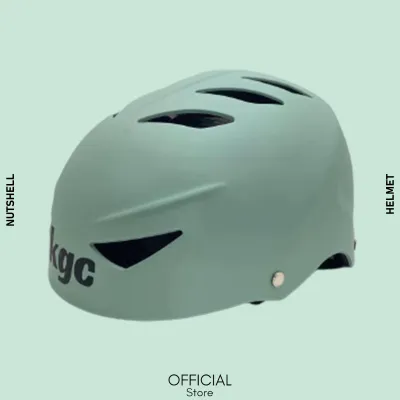
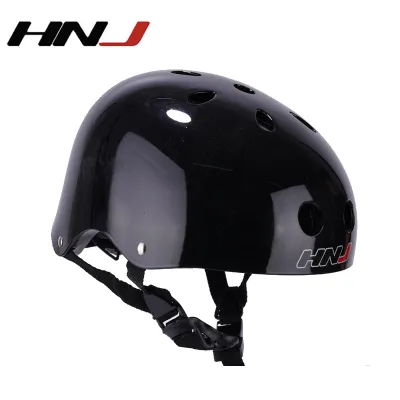
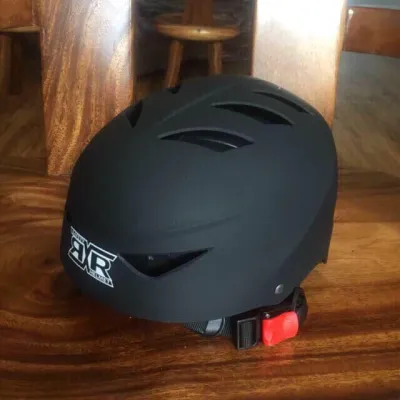
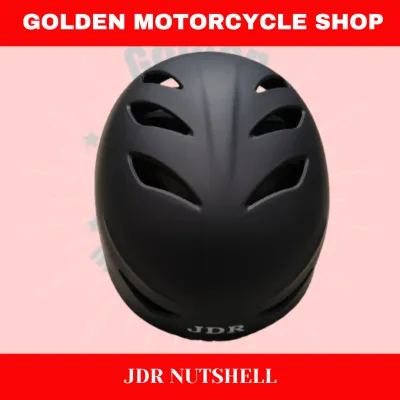
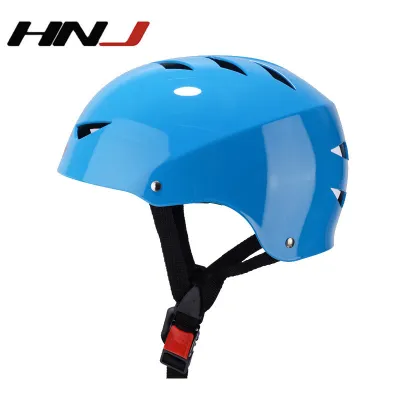
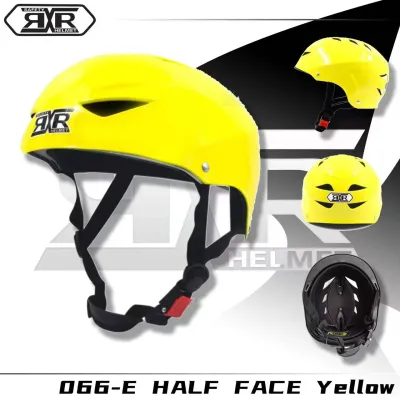
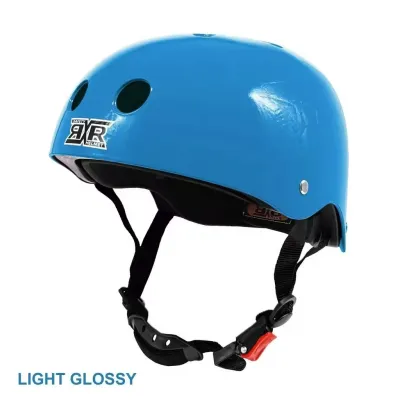
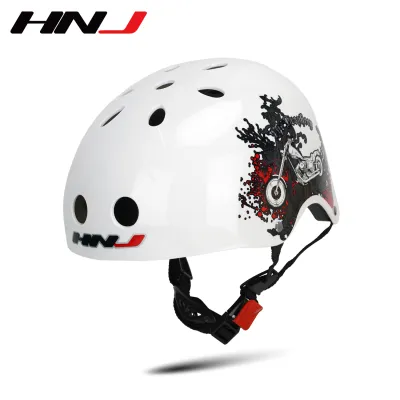
Prices are valid at publication and may change. Please refer to the product page for the latest price.
Additionally, remember that your ₱2,000 budget must cover the entire acquisition cost. If you are purchasing online, shipping fees to your province can easily add ₱100 to ₱300 to the total. If the helmet does not come with a protective bag or a clear visor out of the box, buying these accessories separately will quickly push you past your budget. Focus on finding a complete, certified package that fits within your financial limit without requiring immediate upgrades.
How to Verify Safety Certifications and Avoid Counterfeits
In the Philippines, road safety laws mandate that all motorcycle helmets must bear official certification marks. For imported and locally distributed helmets, look for the Import Commodity Clearance (ICC) sticker or the Philippine Product Standard (BPS) sticker. These holographic decals are issued by the Department of Trade and Industry (DTI) and serve as proof that the helmet model has undergone rigorous impact and penetration testing.

To verify these certifications, inspect the physical helmet closely. A genuine ICC or BPS sticker is holographic, meaning it reflects a rainbow spectrum when tilted under light, and contains a unique serial number that can be verified through official government databases or verification apps. Additionally, look for international safety standards printed or sewn onto the helmet, such as the European ECE 22.05 or 22.06 mark, or the American DOT (Department of Transportation) FMVSS 218 standard. These are typically located on the back of the outer shell or sewn directly onto the chin strap.
Be highly vigilant against common red flags. The market is flooded with cheap, unbranded, or counterfeit helmets that mimic popular designs but use brittle plastics and cheap packaging foam instead of impact-absorbing EPS. If a helmet is priced significantly lower than the manufacturer’s suggested retail price—such as a premium brand lookalike sold for ₱500—it is almost certainly a dangerous counterfeit. Other warning signs include poorly printed logos, misaligned decals, flimsy chin straps, and the complete absence of a holographic security sticker.
To ensure you are buying a genuine product, cross-reference the helmet model with the manufacturer’s official website or authorized dealer lists. Many reputable budget brands maintain official stores on major e-commerce platforms or have physical flagship shops in major cities. Buying directly from these authorized channels is the most reliable way to guarantee that your helmet is authentic and legally compliant.
Prioritizing Features for Daily Commuting on a Budget
When every peso counts, you must prioritize features that directly impact your safety and daily comfort. The most critical non-negotiable feature is a secure retention system. Look for a robust micrometric quick-release buckle or a classic double D-ring system. The strap must be firmly anchored to the helmet shell and adjustable to ensure the helmet remains locked on your head during an impact.
Another essential feature for daily commuting is a clear, scratch-resistant visor. In tropical environments, sudden afternoon downpours and road dust can severely impair your vision. A high-quality polycarbonate visor protects your eyes from debris, wind, and rain while maintaining optical clarity. Avoid heavily tinted or mirrored visors if you plan to ride at night, as they drastically reduce visibility under poor street lighting.
To keep costs under ₱2,000, you will need to accept simpler interior designs. The padding may feel firmer and use basic polyester fabrics rather than high-end antimicrobial materials. Ventilation systems will likely consist of simple, non-adjustable plastic vents rather than complex multi-port channels. While these compromises affect long-distance comfort, they do not compromise the helmet’s primary job of protecting your skull.
No matter how certified a helmet is, it will not protect you properly if it does not fit. A loose helmet can slide off during an accident, while a tight one will cause severe headaches within minutes of riding. Before ordering online, use a flexible measuring tape to measure the circumference of your head just above your eyebrows. Compare this measurement against the manufacturer’s specific size chart, as sizing can vary significantly between different brands.
Smart Purchasing Strategies for Budget-Conscious Riders
Navigating the market to find a genuine helmet under ₱2,000 requires a strategic approach. Buying from physical motorcycle gear shops allows you to try on different sizes and inspect the build quality firsthand. However, local physical shops may have limited stock or slightly higher markups to cover retail overhead.
Conversely, shopping on online marketplaces often yields better prices due to platform vouchers, seasonal sales, and direct-from-distributor shipping. When buying online, always filter your search to show only “Mall” or “Official Store” sellers to avoid third-party counterfeiters. Be sure to factor in hidden costs such as shipping fees and check the seller’s return policy. A flexible return policy is crucial if you receive a helmet that does not fit your head shape correctly.
To maximize your ₱2,000 budget, look for promotional bundles that include a free helmet bag or an extra clear visor. Additionally, consider purchasing slightly older colorways or graphics. Manufacturers frequently discount older graphic designs to clear out inventory for new seasonal patterns, allowing you to buy the exact same certified helmet shell at a fraction of the original price.
Frequently Asked Questions (FAQ)
Are open-face Nutshell helmets safer than full-face options under ₱2,000?
In terms of absolute coverage, full-face helmets are inherently safer because they protect the chin, jaw, and face, which are common impact zones in motorcycle accidents. However, at the ₱2,000 price point, a high-quality, certified open-face helmet from a reputable brand is far safer than a cheap, uncertified, or counterfeit full-face helmet. For low-speed city commuting in heavy traffic, a certified open-face helmet offers a practical balance of ventilation and certified skull protection. For highway riding or higher speeds, saving up for a certified full-face helmet is highly recommended.
How often should I replace a budget motorcycle helmet?
As a general rule, motorcycle helmets should be replaced every three to five years of regular use, or five years from the date of manufacture, even if they have never been in an accident. Over time, exposure to sweat, hair oils, UV rays, and extreme tropical heat degrades the protective EPS liner and outer shell materials. Crucially, you must replace your helmet immediately if it experiences any significant impact, such as a crash or a hard drop onto a concrete surface. Even if there is no visible damage on the outside, the internal EPS liner may have compressed to absorb the shock, rendering it useless for future impacts.
Community discussion
Share your experience or ask a question. Comments are reviewed before publication.