
Finding a reliable motorcycle helmet in the Philippines requires balancing personal budget constraints with strict safety standards. Every rider hitting public roads must wear protective gear that is legally certified to withstand impacts. When searching for a compliant helmey (helmet) option, the primary focus should always be on verified safety marks rather than aesthetic appeal or low prices. Purchasing an uncertified helmet to save a few pesos exposes you to severe head injuries and costly law enforcement penalties.
Why PSB and ICC Certifications Are Your Non-Negotiable Baseline
Under Republic Act 10054, also known as the Motorcycle Helmet Act of 2009, all motorcycle riders on Philippine roads must wear standard protective helmets. The Department of Trade and Industry (DTI) enforces this mandate through two specific safety marks: the Philippine Standard (PSB) mark for locally manufactured helmets and the Import Commodity Clearance (ICC) sticker for imported models. These certifications prove that a helmet model has passed rigorous laboratory testing, including impact attenuation, penetration resistance, and chin strap retention tests.
Without these visible, authentic stickers, a helmet is legally considered non-compliant. During routine checkpoints, Land Transportation Office (LTO) officers and local traffic enforcers actively inspect riders’ gear for these marks. Riding with an uncertified helmet, or one with a counterfeit sticker, carries heavy fines and potential vehicle impoundment. More importantly, uncertified helmets often use cheap, brittle plastics that shatter upon impact, offering virtually zero protection during a collision. Safety should never be compromised for a lower price, as a certified helmet is your primary line of defense against life-threatening head trauma.
Products mentioned in this guide
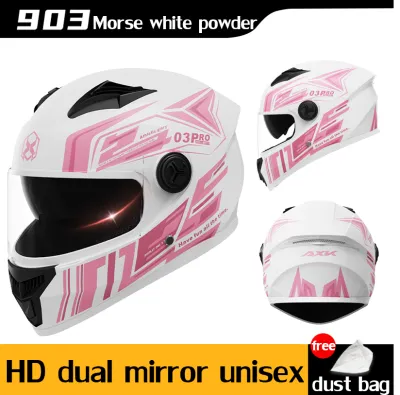
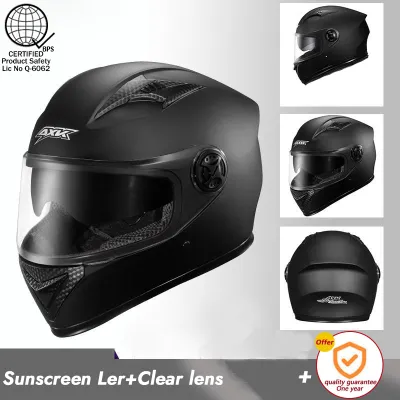
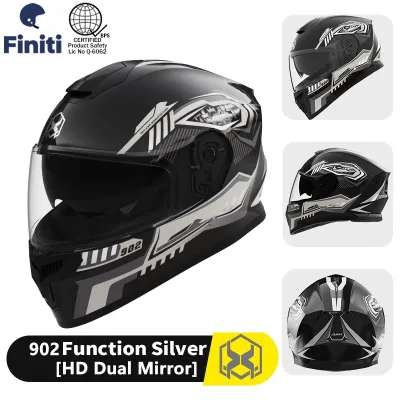
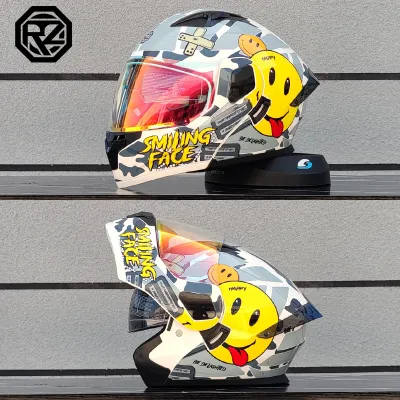
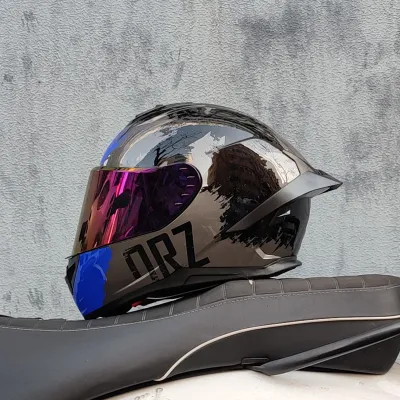
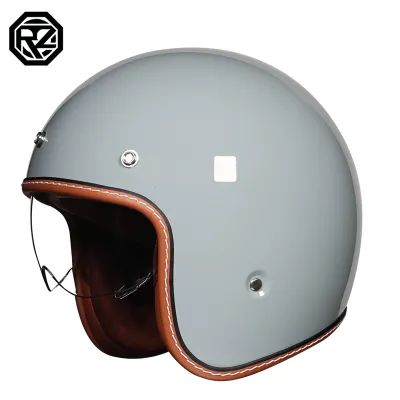
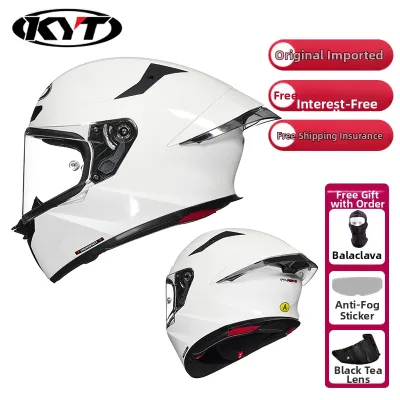
Prices are valid at publication and may change. Please refer to the product page for the latest price.
What to Expect Across Different Helmet Budget Tiers: From Helmey to Premium Brands
Understanding how helmet features scale with price helps you make an informed decision without overspending. While all legally sold helmets must meet the same baseline safety requirements, higher price points introduce advanced materials, better comfort, and superior aerodynamics. Identifying what each budget tier offers allows you to choose a model that fits your daily riding conditions and financial limits.

Entry-Level (Under ₱1,500): Basic Compliance and Essential Protection
Helmets in the entry-level tier focus almost entirely on basic compliance and fundamental safety. Manufacturers typically construct these shells from acrylonitrile butadiene styrene (ABS) or basic polycarbonate materials, which are heavier but highly impact-resistant. You will generally find standard clear visors without anti-fog coatings, basic micrometric chin straps, and simplified, non-adjustable ventilation ports.
While local budget brands like Helmey offer fully certified models within this price range, buyers must remain vigilant about safety standards. A lower price point means fewer comfort features, but the physical protection must still meet DTI standards. Prioritize a snug, correct head fit and verify the presence of a genuine ICC or PSB sticker over flashy graphic designs or bundled accessories like extra tinted visors.
Mid-Range (₱1,500 to ₱3,500): Upgraded Materials and Daily Comfort
The mid-range bracket represents the practical sweet spot for daily commuters and delivery riders in the Philippines. In this tier, helmets feature upgraded multi-density expanded polystyrene (EPS) liners, which absorb and distribute impact forces much more effectively. Ventilation systems become highly adjustable, allowing riders to open or close vents to manage airflow during hot, humid afternoon rides.
Comfort is significantly enhanced by removable, moisture-wicking, and washable inner padding, which is essential for maintaining hygiene in a tropical climate. Visors in this category often feature scratch-resistant coatings and dual-visor systems (an integrated drop-down sun shield). This price range balances long-term durability with the daily comfort required to survive heavy traffic and unpredictable weather.
Premium (Above ₱3,500): Advanced Safety and Touring Features
Premium helmets are engineered for long-distance touring, high-speed riding, and maximum rider comfort. Shell construction shifts from basic plastics to advanced, lightweight materials such as fiberglass composites, Kevlar, or pure carbon fiber. These materials drastically reduce helmet weight, minimizing neck fatigue during long hours on the road while offering superior structural integrity.
Riders in this tier enjoy premium features like optical-class-1 visors, quick-release shield mechanisms, Pinlock anti-fog insert readiness, and sophisticated aerodynamic shapes that reduce wind noise and buffeting. However, a premium price tag does not guarantee a perfect fit. Because head shapes vary (such as intermediate oval or round oval), physical try-ons remain absolutely mandatory to ensure the helmet performs as designed during an accident.
How to Spot Fake Certifications and Verify Authentic Marks
Counterfeit safety stickers are a widespread issue in budget-friendly online marketplaces and unauthorized roadside shops. Genuine ICC and PSB stickers feature distinct security details, including high-quality holographic elements that shift color when tilted under light, micro-printed text, and unique serial numbers. Many modern batches also include QR codes that link directly to the importer’s or manufacturer’s registration data.
To verify a helmet’s authenticity, riders should cross-reference the manufacturer or brand name with the official list of accredited companies on the Bureau of Philippine Standards (BPS) or DTI website. Be highly suspicious of sellers offering loose, unapplied stickers or helmets where the sticker is crooked, easily peelable, or lacks clear serial numbers. If an online listing does not provide clear, high-resolution, close-up photographs of the actual certification mark on the helmet shell, avoid purchasing from that seller.
Smart Compromises: What to Keep and What to Drop on a Tight Budget
When shopping with a limited budget, you must distinguish between essential safety requirements and optional luxury features. Your absolute non-negotiables must always be a valid, verifiable PSB or ICC certification, a correct head shape fit that prevents the helmet from shifting, and a secure chin strap mechanism. Both double D-ring and high-quality metal micrometric buckles are acceptable, provided they lock securely and do not slip under tension.
To keep costs down, opt for solid, plain-colored helmets rather than complex, licensed graphic designs, which often carry a premium price tag for the exact same shell. Avoid paying extra for built-in Bluetooth speaker cutouts, complex spoiler extensions, or multiple included visors if they push the price beyond your limit. Additionally, when ordering online, always factor in shipping costs and carefully review the seller’s return or exchange policy. Because sizing charts vary widely between brands, you must have a reliable way to exchange the helmet if the physical fit is incorrect.
Where to Safely Buy Certified Helmets in the Philippines
To guarantee you are purchasing a genuine, certified product with a valid manufacturer warranty, always buy from authorized channels. Established physical motorcycle gear boutiques, official flagship brand stores on major e-commerce platforms, and authorized local motorcycle dealerships are the safest retail options. These sellers source their inventory directly from official distributors who handle the legal DTI clearance process.
Avoid buying helmets from unverified social media marketplace sellers, unauthorized street vendors, or suspiciously cheap online listings that mimic premium brands. Visiting a physical retail store is highly recommended, as it allows you to try on various models to determine your exact head shape and size. It also gives you the opportunity to physically inspect the helmet shell, liner, and certification stickers for authenticity before handing over your hard-earned money.
Frequently Asked Questions (FAQ)
Can I use a DOT or ECE certified helmet instead of PSB/ICC in the Philippines?
While Department of Transportation (DOT) and Economic Commission for Europe (ECE) standards are globally recognized and highly rigorous, Philippine law specifically mandates the local PSB or ICC certification mark for legal road use. If you purchase an imported helmet that only carries DOT or ECE markings, it is technically non-compliant under LTO guidelines unless it has undergone local DTI clearance and received an official ICC sticker. Always check if the local distributor has officially registered and stamped the specific model for the Philippine market.
Do open-face helmets need the same PSB/ICC certification as full-face helmets?
Yes, all motorcycle helmets sold and used on public roads in the Philippines must carry the mandatory DTI safety certification marks, regardless of their style. This rule applies equally to open-face, full-face, modular, and dual-sport helmets. However, while an open-face helmet can be legally certified, riders should note that it inherently provides significantly less facial and chin protection during a crash compared to a full-face model.

Community discussion
Share your experience or ask a question. Comments are reviewed before publication.