
Finding a vintage helmet retro classic style that looks exceptional while offering genuine protection on Philippine roads requires a careful balance of style, budget, and safety standards. With the rise of classic motorcycle culture—including cafe racers, scramblers, and vintage scooters—more riders are seeking headgear that complements their machine. However, riding in a tropical climate with unpredictable traffic conditions means safety can never be compromised for the sake of a vintage aesthetic. Legitimate safety certifications, such as the PSB or local ICC markings, serve as the primary line of defense when choosing a helmet that actually protects your head.
Navigating the market for certified retro helmets involves understanding what different price points offer and how to verify that a helmet is genuinely road-legal. Whether you are looking for a budget-friendly open-face helmet for short city commutes or a premium, lightweight fiberglass full-face model for long weekend rides, knowing what to look for ensures you make an informed investment. By focusing on certified construction, proper fit, and authentic sourcing, you can enjoy the classic look without sacrificing modern impact protection.
Why PSB Certification is Non-Negotiable for Retro Helmets
In the Philippines, motorcycle helmets are legally required to meet strict safety standards enforced by the Department of Trade and Industry and the Land Transportation Office. While the Import Commodity Clearance sticker is the most common local mark, certifications from recognized international testing bodies, such as Singapore’s Product Standards Bureau, indicate that a helmet has undergone rigorous laboratory testing. These tests evaluate critical safety performance metrics, including impact absorption, penetration resistance, and the strength of the retention system under sudden force.
Products mentioned in this guide
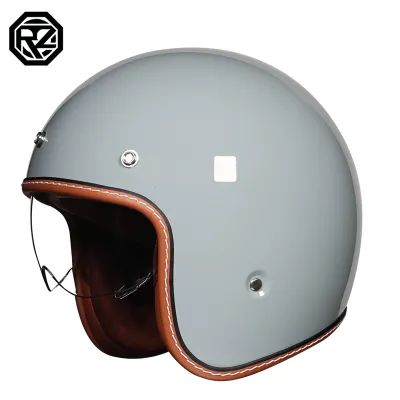
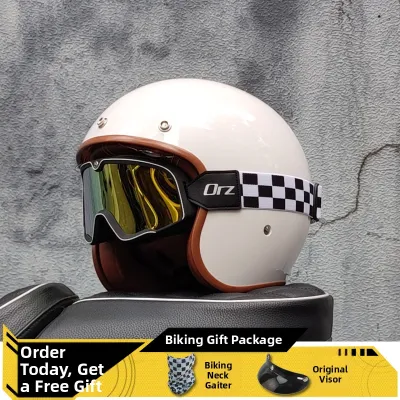
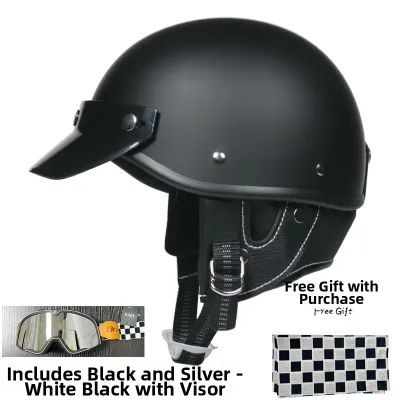
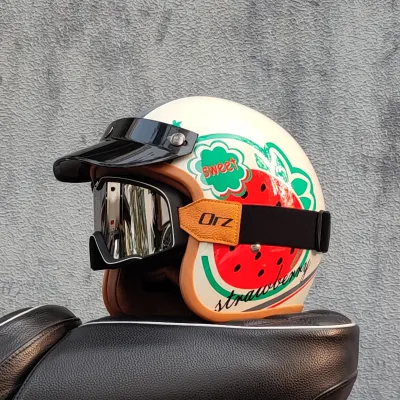
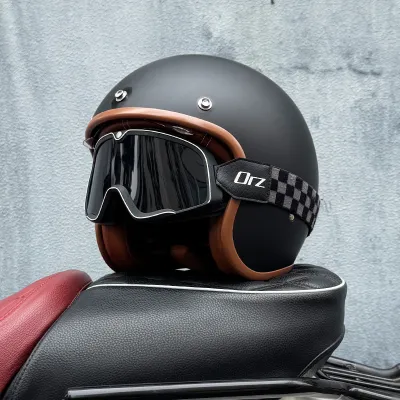
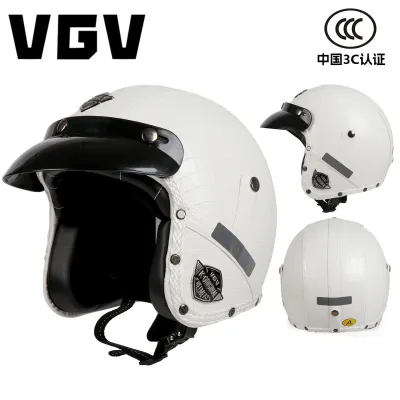
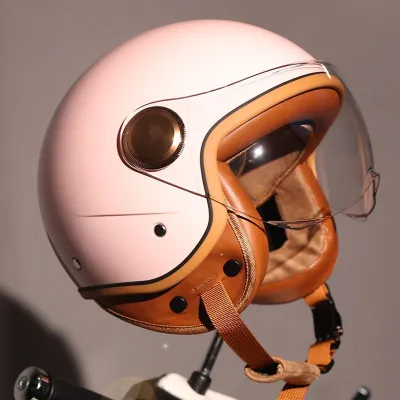
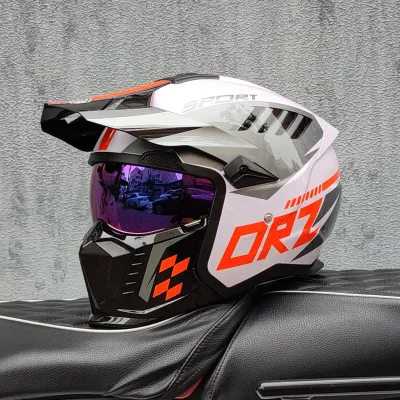
Prices are valid at publication and may change. Please refer to the product page for the latest price.
Using an uncertified, purely decorative, or novelty vintage helmet poses severe physical risks during an accident. Many uncertified retro helmets, often referred to as “brain buckets,” are constructed from cheap, brittle plastics and lined with thin, soft toy-grade foam rather than high-density expanded polystyrene. In the event of a crash, these novelty helmets do virtually nothing to absorb impact energy, often cracking instantly and transferring the full force of the collision directly to the rider’s skull.
Choosing a certified helmet means drawing a clear line between aesthetic headgear and engineered protective equipment. A certified retro helmet utilizes modern safety technology hidden beneath its classic silhouette. The outer shell is designed to flex and distribute impact forces, while the inner EPS liner collapses progressively to cushion the brain from sudden deceleration. Riding without this certified protection not only invites heavy fines and license confiscation at local checkpoints but also significantly increases the risk of life-threatening head injuries.
What to Expect Across Different Budget Tiers
When shopping for a certified retro helmet, your budget will largely determine the materials, interior comfort, and overall refinement of the gear. In the entry-level tier, which typically ranges up to ₱3,000, helmets are almost exclusively constructed with ABS thermoplastic shells. While thermoplastic is highly durable and excellent at resisting daily wear and tear, it tends to be heavier than advanced composites. At this price point, expect basic, non-removable comfort liners, standard micrometric quick-release buckles, and minimal ventilation ports to keep the classic round shell shape intact.

Stepping up to the mid-range tier, generally spanning from ₱3,000 to ₱8,000, introduces significantly lighter shell materials such as fiberglass composites. Fiberglass excels at dispersing impact energy by flexing on impact, reducing the overall weight resting on your neck during long rides. Mid-range retro helmets also offer substantial upgrades in interior comfort, featuring fully removable, washable, and moisture-wicking liners that are essential for managing sweat in hot, humid weather. You will also find more versatile visor options, such as integrated drop-down sun shields or high-quality snap-on bubble visors included in the box.
At the premium tier, which extends beyond ₱8,000, manufacturers combine handcrafted artistry with cutting-edge safety materials. These helmets often feature carbon fiber or advanced multi-composite shells that offer maximum strength at an incredibly low weight. The interiors are lined with luxurious, anti-bacterial fabrics, genuine leather accents, and multi-density EPS liners tailored for specific head shapes. Premium retro helmets also feature flawless paint finishes, hand-painted pinstripes, heavy-duty double D-ring retention systems, and superior acoustic sealing to minimize wind noise at highway speeds.
Balancing Classic Aesthetics with Modern Protection
To find a retro helmet that performs as well as it looks, you must evaluate how manufacturers integrate modern safety features into vintage designs. The choice of shell material directly impacts both your safety and daily riding comfort. While thermoplastic is budget-friendly, fiberglass and carbon fiber offer superior energy dissipation and weight reduction. A lighter helmet reduces fatigue on your neck and shoulders, which is particularly beneficial when navigating congested city traffic or embarking on long coastal tours.
Visor selection is another critical factor that influences both the vintage look and your riding visibility. Classic open-face helmets often rely on three-snap configurations, allowing you to attach bubble shields, flat visors, or vintage-style goggles. Bubble shields provide excellent peripheral vision and a distinct 1970s look, but they can catch more wind at high speeds. If you prefer a cleaner look, search for retro models that feature a discreet, retractable internal sun visor that slides up into the shell when not in use, protecting your eyes from the intense tropical sun without altering the helmet’s external lines.
Finally, pay close attention to the retention system and interior padding. The double D-ring system remains the gold standard for helmet safety, offering a simple, fail-proof closure that adjusts perfectly to your chin every time you fasten it. The interior padding must not only be plush but also strategically contoured to support your jawline and the back of your head. Look for laser-cut foam cheek pads that maintain their shape over time, ensuring the helmet remains securely positioned on your head even during high-speed wind resistance.
How to Verify Authenticity and Avoid Counterfeits
With the popularity of vintage styling, counterfeit and uncertified helmets have flooded online marketplaces. To protect yourself, you must know how to verify the authenticity of safety markings. Genuine certification stickers, whether PSB or ICC, are typically tamper-evident and feature unique serial numbers, holographic patterns, or specific micro-printing that is difficult to replicate. These stickers are usually applied under a clear protective coat on the back of the helmet or placed securely on the EPS liner inside the helmet.
Evaluating seller credibility is your best defense against purchasing a dangerous counterfeit. Whenever possible, purchase your helmet from authorized physical dealer shops where you can inspect the build quality firsthand. If buying online, stick to official brand stores or highly rated, verified distributors on established ecommerce platforms. Avoid purchasing from third-party sellers who cannot provide clear proof of authorization or those who refuse to offer a straightforward return and exchange policy.
Be alert to common red flags that indicate a helmet may be counterfeit or uncertified. A suspiciously low price—such as a premium-brand retro helmet offered at a fraction of its standard retail cost—is a primary warning sign. Additionally, inspect the packaging and documentation; genuine certified helmets always ship in a branded box with a high-quality protective cloth bag, a detailed user manual, and official warranty registration cards. Poorly stitched chin straps, misaligned brand decals, and a strong chemical smell from cheap adhesives are clear indicators of a substandard imitation.
Achieving the Right Fit and Comfort for Daily Rides
No matter how much you spend on a certified retro helmet, it will not provide adequate protection if it does not fit your head correctly. To find your size, use a flexible measuring tape wrapped horizontally around your head, about one inch above your eyebrows and directly over your ears. Compare this measurement to the specific sizing chart provided by the manufacturer, as sizing standards can vary significantly between different retro helmet brands.
Once you have the helmet, perform a physical fitting test before taking it out on the road. Put the helmet on and fasten the chin strap securely; it should feel snug all around your head without causing sharp pain or localized pressure points on your forehead or temples. Your cheeks should be compressed slightly, and when you shake your head firmly from side to side, the helmet should move with your skin rather than sliding independently. Keep the helmet on for at least ten to fifteen minutes at home to ensure no slow-onset pressure headaches develop.
Lastly, consider how the helmet’s weight, aerodynamics, and ventilation will perform during actual riding conditions. Retro helmets, particularly open-face designs, naturally lack the aerodynamic stability of modern racing helmets, meaning they can experience more lift and drag at higher speeds. If your daily commute involves highway riding, look for retro full-face models that feature subtle chin bar vents and brow ports to facilitate airflow, preventing heat buildup and visor fogging during sudden tropical downpours.
Frequently Asked Questions (FAQ)
Can I legally ride with an open-face retro helmet without a visor?
Yes, riding with a certified open-face retro helmet is legal in the Philippines, provided the helmet bears a valid safety sticker. However, riding without any eye protection is highly dangerous and may violate local municipal ordinances regarding safe riding gear. Road debris, dust, insects, and heavy rain can instantly impair your vision at cruising speeds. It is highly recommended to pair your open-face helmet with impact-resistant riding goggles or a snap-on visor to protect your eyes and maintain clear visibility.
How often should I replace a vintage-style motorcycle helmet?
As a general safety standard, any motorcycle helmet should be replaced every three to five years of regular use, or immediately after any significant impact. Over time, the protective EPS liner naturally degrades due to exposure to sweat, hair oils, heat, and humidity, reducing its ability to absorb shock. Furthermore, if the helmet is dropped from a significant height or involved in a crash, the inner liner may have collapsed to absorb the energy, rendering it useless for any future impacts, even if the outer shell appears undamaged.
Do retro helmets offer the same protection as modern full-face designs?
Retro full-face helmets that carry valid safety certifications offer excellent protection, but open-face retro designs inherently carry more risk. An open-face helmet leaves your chin, jaw, and face completely exposed to direct impacts, which statistical accident data shows are common contact areas during a fall. While a certified retro full-face helmet provides comparable head protection to modern designs, it may still lack some of the advanced aerodynamic stability, multi-port ventilation systems, and noise-reduction features found in contemporary sport-touring helmets.
Community discussion
Share your experience or ask a question. Comments are reviewed before publication.