
A stiff or shuddering motorcycle clutch can turn a daily commute through dense traffic into an exhausting chore. When searching for a clutch smoother for motorcycle setups, riders are often looking for two entirely different solutions: a physical lubricant to free up a binding clutch cable, or a wet clutch oil additive designed to eliminate shudder during engagement. Identifying which of these issues is affecting your motorcycle is the first step toward restoring a light, smooth, and predictable lever pull.
To find the best option for your motorcycle, you must match the product to your specific mechanical symptom. Applying the wrong chemical to either your cable or your engine crankcase can lead to accelerated wear, component damage, or unsafe riding conditions. By understanding the root causes of clutch stiffness and shudder, you can select the correct product to maintain your motorcycle’s performance in tropical climates.
Diagnose the Problem: Cable Friction or Clutch Shudder?
Before purchasing any maintenance product, you must determine whether your issue stems from physical friction in the control cable or a friction mismatch inside the wet clutch assembly. These two distinct systems require completely different treatments, though retail listings often group them under the broad consumer label of a clutch smoother.
Products mentioned in this guide
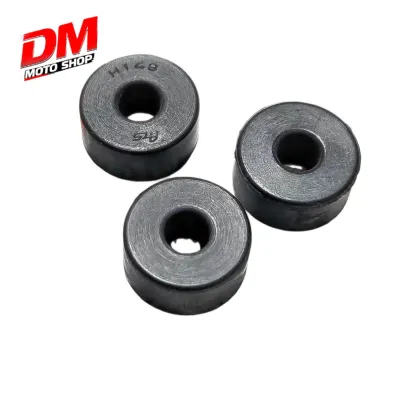
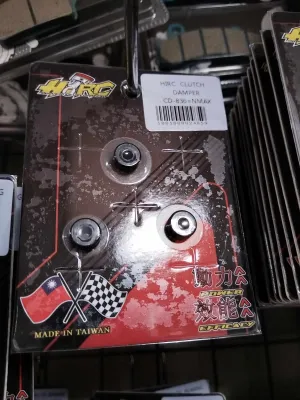
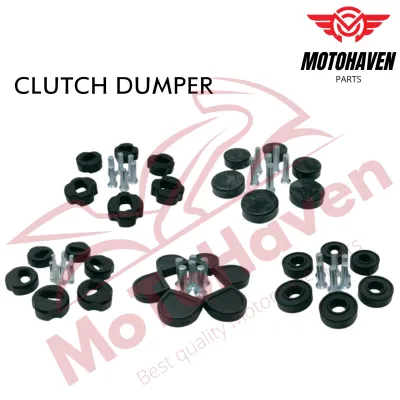
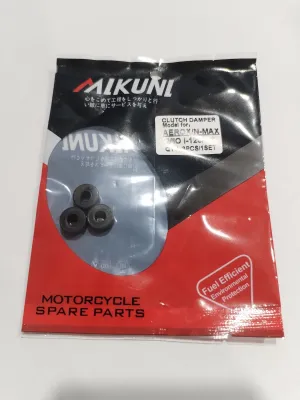
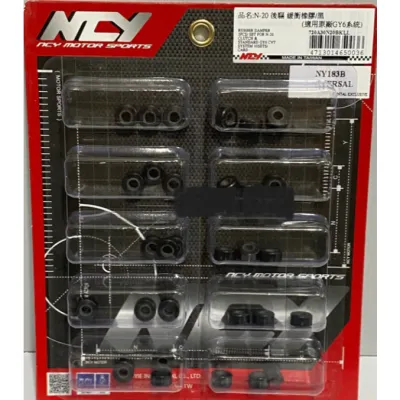
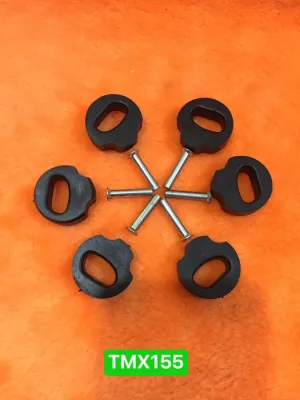
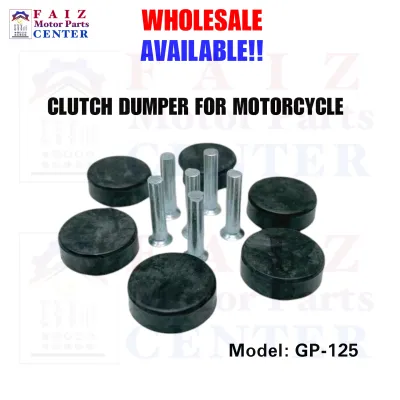
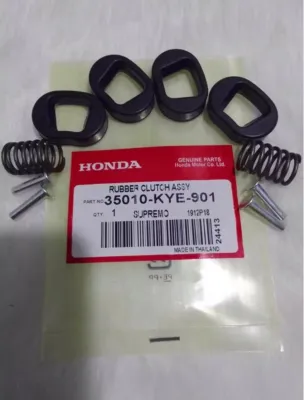
Prices are valid at publication and may change. Please refer to the product page for the latest price.
Physical lever resistance is characterized by a stiff pull, a sticky or gritty feeling as you squeeze the handlebar lever, or a slow, lazy return when you let it go. These symptoms point directly to friction between the inner steel wire of the clutch cable and its outer protective housing. This is an external, mechanical friction issue that can typically be resolved using a dedicated cable lubricant.
Conversely, clutch engagement issues manifest inside the engine crankcase. If you experience a distinct shudder, chatter, or vibration as you release the clutch lever in first gear, or if the engine RPMs spike without a corresponding increase in road speed (clutch slipping), the issue lies within the wet clutch plates. Harsh gear shifts and a loud clunk when shifting can also indicate that the engine oil is no longer providing the correct frictional properties.
Observable signals at the handlebar versus the engine will guide your diagnosis. Pay close attention to how the bike responds during stop-and-go riding. If the lever itself is physically heavy to pull even when the engine is turned off, focus your efforts on the cable. If the lever moves smoothly but the motorcycle jerks or slips under acceleration once the engine is warm, the issue is chemical or mechanical within the wet clutch itself.
It is critical to recognize that chemical treatments cannot repair physical damage. A cable lubricant cannot fix a frayed inner wire or a kinked housing, both of which pose severe safety risks if they snap or bind while riding. Similarly, if your wet clutch plates are warped, glazed, or worn beyond their service limit, or if the clutch springs have lost their tension, no additive or premium oil will restore proper operation. In these cases, physical component replacement is the only safe solution.
Clutch Cable Lubricants: Types and Selection Criteria
If your diagnosis points to cable friction, selecting the right lubricant requires understanding how different formulations interact with tropical environments. The Philippine climate presents unique challenges, including high relative humidity, heavy seasonal monsoon rains, and fine road dust. A poor lubricant choice can quickly turn into a grinding paste inside your cable housing.

- Aerosol Sprays with Injection Tubes: These products are highly popular due to their convenience. They typically use a volatile solvent carrier that helps the lubricant penetrate deep into the cable housing before evaporating, leaving behind a thin, protective lubricating film.
- Drip Oils: While more traditional, drip oils require patient application and are often thicker. This makes them highly effective for older cables but more prone to attracting dirt if overapplied.
- Dedicated Mechanical Cable Oilers: These are specialized tools that clamp onto the end of the cable, allowing you to force liquid lubricant through the entire length of the housing under pressure.
When evaluating lubricants for tropical riding, prioritize water displacement, dust resistance, and temperature stability. Excellent water displacement is vital for preventing rust inside the cable housing after riding through heavy downpours or flooded streets. Dust resistance is equally critical; you must avoid heavy, sticky oils or greases that attract road grit, as this grit acts as an abrasive that will rapidly wear out both the inner cable and the outer liner. The product must also maintain its viscosity in high ambient temperatures without thinning out and draining completely out of the bottom of the cable.
Using a dedicated cable lubricator tool (often called a cable luber) is highly recommended over simply spraying the exposed ends of the wire. A cable luber clamps securely around the housing and seals the entry point, forcing the aerosol or liquid lubricant to travel the entire length of the cable. This ensures that the middle and lower sections of the cable—which are often the most prone to corrosion and dryness—receive adequate lubrication.
You must also verify compatibility with your specific cable liner. Modern motorcycles frequently use cables lined with Teflon (PTFE) or other synthetic materials to reduce friction out of the factory. Some standard petroleum-based solvents can swell or degrade these synthetic liners, causing the cable to bind permanently. Always check the product label to ensure it is explicitly rated as safe for Teflon or synthetic cable liners before application.
Wet Clutch Safe Products: Selecting a Clutch Smoother for Motorcycle Engines
For motorcycles experiencing rough engagement, stiff gear shifts, or clutch chatter, the solution lies in the engine oil or specialized wet clutch additives. Most motorcycles utilize a wet clutch system, meaning the clutch plates are submerged in the same oil that lubricates the engine and transmission.
The primary function of wet clutch oils and dedicated friction modifiers is to maintain a precise balance of friction. The oil must be slippery enough to protect the engine bearings and transmission gears from wear, yet possess a high enough static coefficient of friction to allow the clutch plates to lock together tightly under load without slipping. Specially formulated wet clutch smoothers and high-performance motorcycle oils contain balanced additive packages designed to prevent the plates from grabbing unevenly, which is the root cause of clutch shudder.
There is a critical safety and performance boundary that every rider must respect: never use automotive friction modifiers, standard passenger car motor oils, or industrial chain lubricants in a motorcycle engine or gearbox. Automotive engine oils are engineered to minimize friction to improve fuel economy, containing friction modifiers like molybdenum that will coat motorcycle clutch plates and cause severe, irreversible slipping. Standard chain lubricants are highly tacky and will contaminate the wet clutch system, ruining the plates and potentially clogging oil passages, leading to catastrophic engine failure.
To ensure a product is safe for your wet clutch, look for formal Japanese Automotive Standards Organization (JASO) certifications on the bottle. The JASO MA and JASO MA2 standards are specifically designed for wet clutch motorcycles. JASO MA2 delivers the highest friction performance, ensuring excellent clutch grip and smooth engagement even under high-torque conditions. If a product does not carry a verified JASO MA or MA2 rating on its label, do not put it in your motorcycle’s crankcase.
Keep in mind that chemical additives are preventative and restorative only up to a point. If your clutch is shuddering because the friction plates have been severely overheated and glazed, or if the steel plates are warped from hard riding, no chemical additive will resolve the issue. Physical inspection of the clutch stack, measuring the plate thickness and flatness against the manufacturer’s service limits, is required when chemical solutions fail to improve engagement feel.
Essential Label Checks Before You Buy
With numerous products marketed as clutch smoothers or friction reducers on online marketplaces and in local auto shops, performing a diligent label check is your best defense against purchasing an incompatible or damaging product.
First, verify the JASO MA or JASO MA2 certification mark. This should be displayed in a distinct rectangular box on the back label of any engine oil or oil additive. Do not rely on phrases like “meets the requirements of JASO MA”; look for the official registration number or a clear, unambiguous statement of compliance from a reputable manufacturer. For scooters with dry clutches and continuously variable transmissions (CVTs), the JASO MB standard is appropriate, but JASO MB oils must never be used in a wet clutch motorcycle.
Second, examine the ingredient indicators on cable lubricants. Look for dry-film lubricants such as polytetrafluoroethylene (PTFE) or micro-fine graphite suspended in a fast-evaporating synthetic carrier. These ingredients provide exceptional slickness without leaving a sticky residue. Avoid products containing heavy petroleum greases, tacky chain lubes, or silicone-based formulas that do not dry, as these will inevitably trap dust and gum up the cable assembly over time.
Third, check for material compatibility warnings. A high-quality cable lubricant will explicitly state that it is safe for rubber seals, O-rings, painted surfaces, and plastic fairings. This is crucial because excess lubricant will inevitably drip or spray onto surrounding components during application, and incompatible solvents can melt plastics or swell rubber dust boots.
Finally, never rely solely on generic marketing terms like “universal,” “multi-purpose,” or “heavy-duty.” These terms are often used loosely to appeal to a broad consumer base. A product that is excellent for lubricating a rusty door hinge or a car door latch may be completely unsuitable—and potentially destructive—for a high-precision motorcycle clutch cable or a wet clutch system. Always verify the technical specifications and intended use cases detailed on the product’s official data sheet or label.
Safe Application Steps and When to See a Mechanic
Performing routine clutch maintenance is highly manageable if you follow a structured, low-risk process. Always refer to your motorcycle’s owner’s manual for specific routing, torque specs, and fluid capacities before starting.
To safely lubricate a clutch cable, follow these steps:
- Loosen Cable Tension: Loosen the cable tension at the handlebar adjuster and disconnect the cable inner wire from the clutch lever slot.
- Inspect for Damage: Inspect the exposed wire for any signs of fraying, corrosion, or sharp bends. If any damage is found, stop immediately and replace the cable.
- Attach the Lubricator: Attach a mechanical cable lubricator tool to the upper end of the cable housing, ensuring a tight seal around the outer sheath.
- Apply Lubricant: Insert the spray straw of your chosen cable lubricant into the tool's port and apply short, controlled bursts.
- Monitor Runoff: Watch the bottom end of the cable near the engine. Stop spraying once you see clean lubricant dripping out of the lower end.
- Distribute Evenly: Gently slide the inner wire back and forth within the housing to distribute the lubricant evenly.
- Reassemble and Adjust: Reconnect the cable to the lever, adjust the freeplay to the manufacturer's specification (typically 10 to 20 millimeters at the lever tip), and wipe away any excess lubricant from the engine case and handlebar area with a clean cloth.
If you are adding a wet clutch friction modifier or oil additive, follow these precautions:
- Level the Bike: Ensure the motorcycle is parked on a level surface on its center stand.
- Verify Oil Level: Check the current engine oil level using the sight glass or dipstick; the oil level must not exceed the maximum fill line after adding the product.
- Measure Dosage: Measure the additive precisely according to the manufacturer's recommended dosage ratio (usually a small percentage of the total oil capacity).
- Add the Product: Pour the additive directly into the engine oil fill port.
- Mix Thoroughly: Start the engine and let it idle for several minutes to allow the additive to mix thoroughly with the existing oil before riding.
You must know when to abandon DIY chemical fixes and consult a professional mechanic. If you observe frayed cable strands at either end of the cable, the cable must be replaced immediately, as it can snap unexpectedly and cause a loss of vehicle control. If your wet clutch continues to slip under acceleration, if you smell a distinct burnt odor from your engine oil, or if the clutch lever fails to snap back quickly despite proper lubrication and adjustment, there is likely an internal mechanical failure. Continuing to ride with a slipping clutch will rapidly destroy the friction plates and contaminate your engine oil with debris, risking severe internal engine damage.
Frequently Asked Questions (FAQ)
Can I use standard penetrating oil or automotive engine oil as a clutch smoother?
You should avoid using standard penetrating oils (such as common multi-purpose household sprays) as a long-term clutch cable smoother. These products are formulated to break down rust and free stuck fasteners; they evaporate very quickly and leave behind an extremely thin film that offers minimal long-term lubrication. Furthermore, their aggressive solvents can degrade synthetic cable liners and wash away the factory-applied grease. Standard automotive engine oils are also highly unsuitable for wet clutches because they contain friction-reducing additives designed to maximize fuel economy in cars. These additives will coat your motorcycle’s clutch plates, reducing friction to the point where the clutch will slip constantly under load, requiring a complete clutch replacement.
How often should I lubricate my motorcycle clutch cable?
As a general rule, motorcycle clutch cables should be inspected and lubricated every 5,000 to 10,000 kilometers, or at least once a year. However, your local riding environment plays a major role in this schedule. In the Philippines, where motorcycles are regularly subjected to intense tropical downpours, high humidity, and dusty road conditions, more frequent maintenance is highly recommended. If you frequently ride through heavy rain, floodwaters, or off-road terrain, consider lubricating your cable every 2,500 kilometers or after every major wet-season ride. Always consult your specific motorcycle owner’s manual, as manufacturers provide tailored maintenance schedules based on the vehicle’s design and intended operating conditions.
Community discussion
Share your experience or ask a question. Comments are reviewed before publication.