
Finding a reliable, low price helmet full face under ₱2,000 in the Philippines is a top priority for many daily commuters and motorcycle riders looking to balance safety with affordability. With the rising cost of living and fuel, spending a fortune on riding gear is not always feasible, but compromising on head protection is never an option. Fortunately, the local motorcycle gear market has expanded significantly, offering several entry-level options that meet strict safety standards without breaking the bank.
When navigating this price segment, your primary goal is to identify a helmet that guarantees structural integrity and legal compliance. While you will not find high-end carbon fiber weaves or advanced aerodynamic spoilers at this price point, you can absolutely secure a durable helmet that protects your head during an impact. Understanding what to look for, where to buy, and how to verify the authenticity of a budget helmet ensures you stay safe and legal on Philippine roads.
What a ₱2,000 Budget Gets You: Evaluating a Low Price Helmet Full Face
A budget of ₱2,000 is highly practical for securing a reliable, entry-level full-face helmet in the Philippines, but it requires managing your expectations regarding extra features. In this price bracket, manufacturers focus their resources on the core safety components. This means you will receive a robust outer shell, a thick layer of impact-absorbing Expanded Polystyrene (EPS) foam, a secure chin strap retention system, and a functional visor. These elements combine to provide the essential protection required during a collision or fall.
Products mentioned in this guide
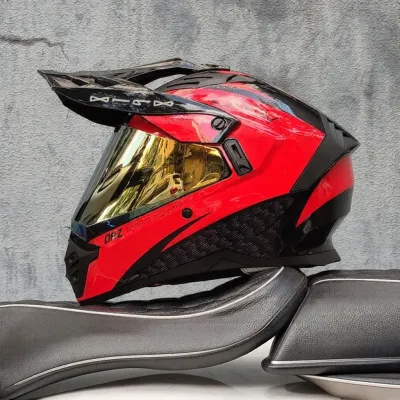
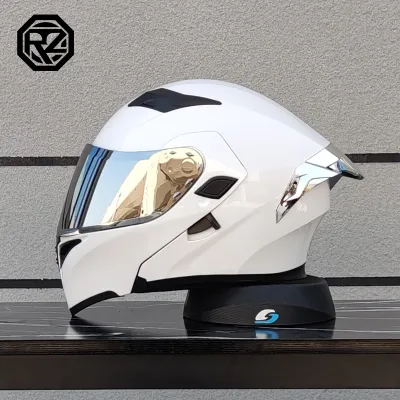
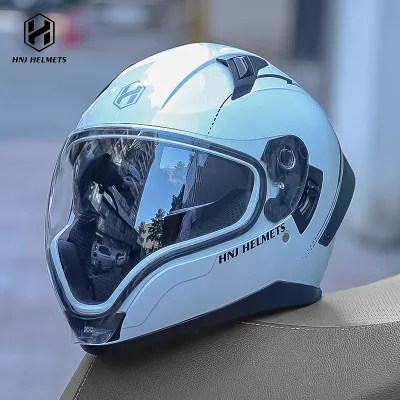
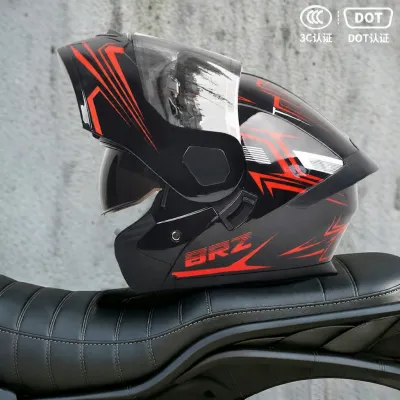
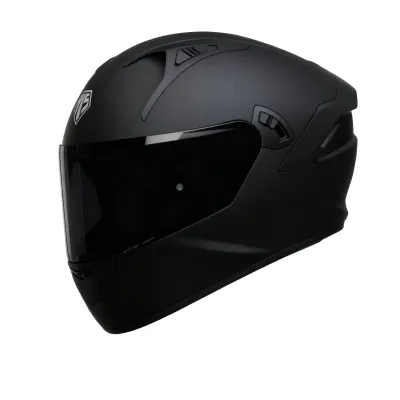
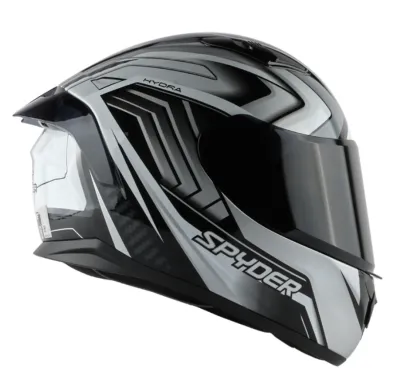
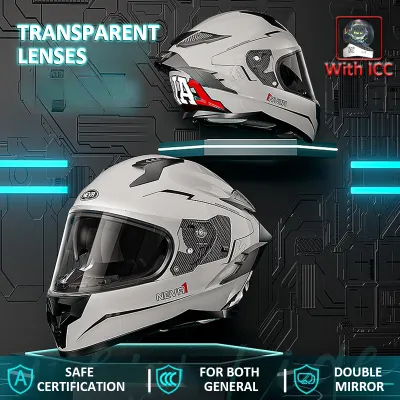
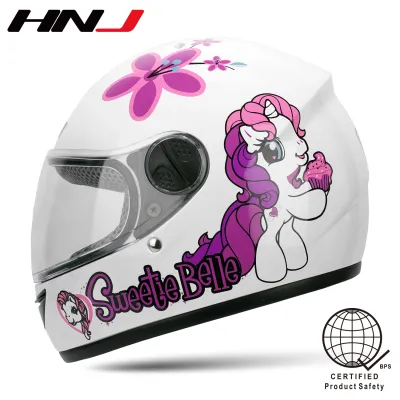
Prices are valid at publication and may change. Please refer to the product page for the latest price.
To keep manufacturing costs low, brands make compromises on premium features that do not directly affect basic safety. You will generally have to accept a heavier overall weight, as budget helmets rely on standard plastics rather than lightweight composite materials. Additionally, advanced wind noise reduction, complex multi-port ventilation systems, and premium anti-bacterial internal fabrics are typically absent. The paint finish and graphic designs may also be simpler compared to high-end models, but the fundamental protective structure remains intact.
Choosing an affordable full-face helmet is a highly sensible decision for daily city commuting and low-speed riding. Full-face designs inherently offer superior protection compared to half-face or open-face alternatives because they cover the chin and jaw, which are highly vulnerable areas in motorcycle accidents. By prioritizing a certified, low price helmet full face over a stylish but uncertified open-face model, you significantly reduce the risk of severe facial and head injuries.
Mandatory Safety Certifications for Philippine Roads
In the Philippines, riding with a motorcycle helmet is a legal requirement governed by strict safety regulations. Under the Motorcycle Helmet Act, every rider must wear a helmet that bears the official Import Commodity Clearance (ICC) sticker or the Philippine Standard (PS) mark. These certifications prove that the helmet has undergone rigorous impact, penetration, and retention system testing conducted by the Bureau of Philippine Standards (BPS). Riding with an uncertified helmet can result in heavy fines and, more importantly, leaves you highly vulnerable to severe head trauma.

To verify the authenticity of these safety marks, you must physically inspect the helmet before purchase or immediately upon delivery. The ICC sticker is typically a small, metallic, holographic decal placed on the rear exterior of the helmet shell. It features a unique serial number and a security hologram that is difficult to replicate. The PS mark is usually printed or stickered on the helmet’s inner lining or shell. Be highly suspicious of stickers that are peeling at the edges, look blurry, or lack a unique serial number, as these are common signs of counterfeit safety markings.
While international safety standards such as DOT (United States) or ECE (Europe) are excellent indicators of high-quality construction, they do not replace the legal requirement for local certification. A helmet may carry a genuine DOT or ECE stamp, but it must still have the official ICC or PS sticker to be fully road-legal in the Philippines. When shopping for a budget helmet, always look for models that carry both local and international certifications, as this double verification offers the highest peace of mind for budget-conscious riders.
Evaluating Build Quality and Comfort in Budget Helmets
When shopping for a helmet under ₱2,000, you must carefully evaluate the physical construction and fit of the helmet to ensure it is comfortable enough for daily use in a tropical climate. Budget helmets can vary widely in build quality, so performing a thorough physical inspection is essential.
Shell Construction and Weight
Most full-face helmets in the sub-₱2,000 price range are constructed from Acrylonitrile Butadiene Styrene (ABS) or basic polycarbonate plastics. These materials are highly impact-resistant and durable, but they are naturally heavier than premium fiberglass or carbon fiber composites. A typical budget helmet in this segment weighs between 1.5 and 1.7 kilograms. When inspecting a helmet, press firmly on the sides of the shell; it should feel rigid and show minimal flex. Check that the rubber beading around the visor port and the bottom edge is securely glued and uniform, which helps prevent rainwater from leaking inside during heavy downpours.
Visor Clarity and Mechanisms
The visor is your primary shield against wind, dust, insects, and rain, making optical clarity a critical safety factor. Look through the visor to ensure there is no distortion, especially around the edges, which can cause eye strain and misjudged distances in heavy traffic. The visor mechanism should feature a solid, multi-step ratchet system that allows you to lock the visor in various positions, such as slightly cracked open to demist the shield during slow-moving traffic. While Pinlock-ready visors are rare in this price bracket, you should look for visors with basic scratch-resistant coatings, or plan to apply an aftermarket anti-fog film to maintain visibility during rainy rides.
Interior Liners and Ventilation
The hot and humid climate of the Philippines makes sweat accumulation inevitable, making removable and washable interior liners a mandatory feature for hygiene. Check that the cheek pads and crown liner can be easily unclipped and removed for washing, as non-removable liners quickly accumulate bacteria and unpleasant odors. Always follow the manufacturer’s care instructions when washing these liners to avoid damaging the fabrics or compromising the fit. For ventilation, inspect the chin and forehead vents to ensure they open and close smoothly, even when you are wearing riding gloves. While budget ventilation systems may not provide the high-volume airflow of premium helmets, functional vents are still essential for reducing heat buildup and keeping you cool during long midday rides.
Smart Shopping: Where to Buy and How to Spot Fakes
To ensure you are buying a genuine, certified helmet, you must be highly selective about your purchasing channels. The safest option is to buy directly from authorized physical motorcycle accessory shops or official brand flagship stores on reputable online marketplaces. Well-known budget brands in the Philippines, such as SEC, Zebra, Gille, and entry-level LS2 or Spyder models, have dedicated official stores that guarantee product authenticity. Buying from these authorized channels ensures that the helmet has passed quality control and carries a legitimate warranty.
The online marketplace is flooded with counterfeit helmets that mimic popular designs but offer virtually zero impact protection. To protect yourself, use a clear checklist to spot fake products. Be extremely wary of prices that are too good to be true; if a helmet normally retailing for ₱1,800 is being sold for ₱800, it is highly likely a counterfeit or a rejected unit. Inspect the product photos closely for misaligned graphics, poor paint finishes, flimsy plastic vents, and thin, low-density interior padding that looks flat.
Before finalizing an online purchase, always check the seller’s ratings, read customer reviews, and ask the seller directly for proof of official distribution or authorization. Genuine sellers will gladly provide clear photos of the ICC sticker and the helmet’s manufacturing details. If a seller is evasive or cannot provide proof of certification, do not risk your safety; move on to an authorized dealer who can guarantee a road-legal, protective product.
Final Checkout Checklist and Hidden Costs
Before you click the buy button or hand over your cash at the counter, you must calculate the total cost of ownership to ensure you stay within your ₱2,000 budget. Sizing is the most critical factor for helmet safety, as a helmet that is too loose will slide off during an impact, while one that is too tight will cause severe headaches. Always measure your head circumference using a soft measuring tape and compare it to the manufacturer’s specific sizing chart. If buying online, check the store’s return and exchange policy to ensure you can swap the helmet if the fit is incorrect, keeping in mind that you may have to cover the return shipping costs.
You must also account for potential hidden costs that can push your total expenditure past the ₱2,000 threshold. When ordering online, bulky items like helmets often incur high shipping fees due to their volumetric size, especially if you live outside major metropolitan areas. Additionally, you may want to purchase essential accessories, such as a tinted or smoke visor for daytime riding, an aftermarket anti-fog insert, or a basic Bluetooth intercom. To keep your budget intact, prioritize purchasing a high-quality, certified base helmet first, and save the accessories for a later date when your budget permits.
Frequently Asked Questions (FAQ)
Is an affordable full-face helmet safe for highway riding?
Yes, an affordable full-face helmet is safe for highway riding provided it carries a valid ICC or PS certification and fits your head securely. Certified budget helmets are tested to withstand the same standardized impact forces as higher-priced models. However, at highway speeds, you may experience higher levels of wind noise, increased buffeting due to basic aerodynamic designs, and less efficient ventilation compared to premium helmets designed specifically for high-speed touring.
Can I replace the visor on a budget helmet?
Most reputable budget brands in the Philippines offer replacement visors, including clear, smoke, and iridium options, through their official stores or authorized dealers. Before purchasing a budget helmet, it is highly recommended to verify the availability and price of replacement visors with the seller. Avoid buying obscure, unbranded, or counterfeit helmets, as these manufacturers rarely supply spare parts, meaning a deeply scratched visor will force you to discard the entire helmet.
Community discussion
Share your experience or ask a question. Comments are reviewed before publication.