
Riding a motorcycle through a sudden tropical downpour in the Philippines requires gear that goes far beyond a standard plastic poncho. The combination of heavy monsoon rain, high wind pressure at highway speeds, and intense tropical humidity means that a motorcycle raincoat must serve as a highly engineered barrier. When looking for a reliable SEC raincoat for motorcycle use or exploring similar market alternatives, riders must evaluate specific technical features to ensure they stay dry and safe on the road.
Choosing the right rain gear is not just about keeping water out; it is also about maintaining control of your vehicle, staying visible to other motorists, and preventing the physical discomfort that leads to rider fatigue. A poorly constructed raincoat will quickly fail under the relentless force of a tropical storm, letting water seep through seams, zippers, and cuffs. By understanding the essential standards of waterproofing, material construction, and ergonomic design, you can make an informed decision that keeps you protected during the wettest months of the year.
Essential Waterproofing Standards for Tropical Downpours
To find a raincoat capable of withstanding severe weather conditions, you must first look at the technical specifications provided by the manufacturer. The most reliable indicator of a fabric’s waterproof capability is its hydrostatic head rating, which is often printed on the product packaging or detailed in the official specifications. This rating, measured in millimeters, indicates the height of a water column the fabric can support before water begins to penetrate. For riding in heavy tropical downpours, where wind pressure forces water against the fabric at high speeds, look for a rating of at least 10,000mm to ensure robust protection.
Products mentioned in this guide
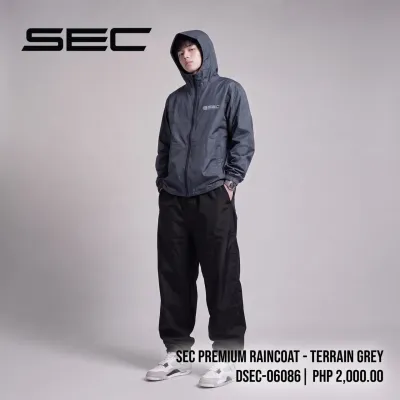
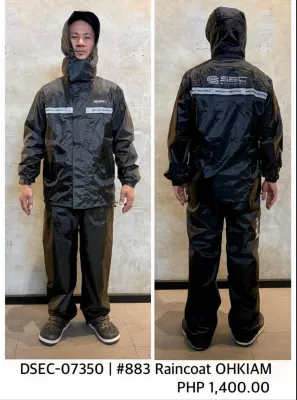
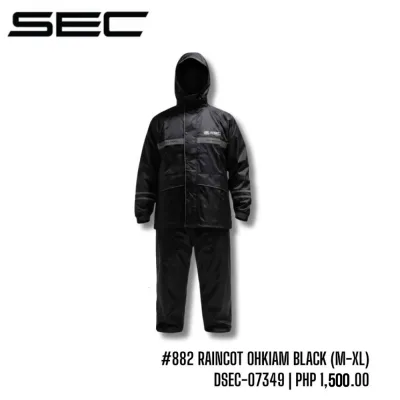
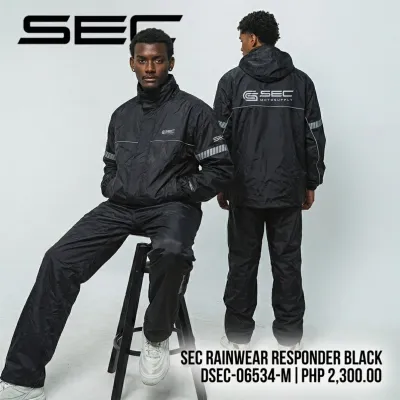
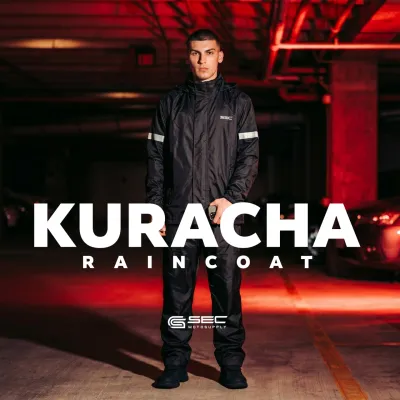
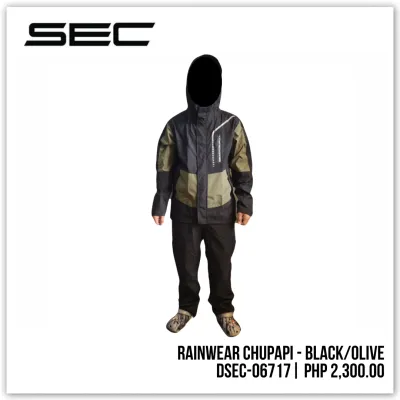
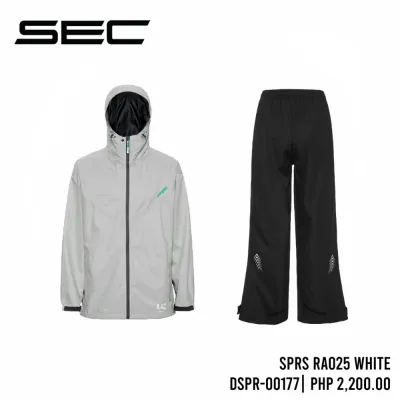
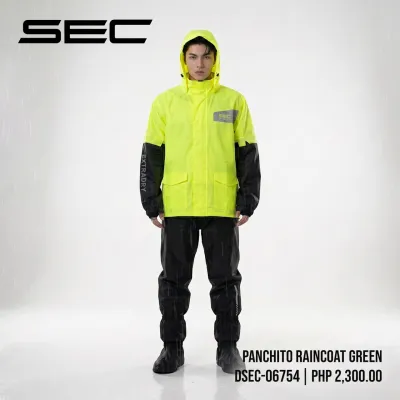
Prices are valid at publication and may change. Please refer to the product page for the latest price.
Beyond the fabric itself, the construction of the seams is the most critical factor in preventing water ingress. Standard stitching creates thousands of tiny needle holes that act as direct pathways for water under pressure. When evaluating rain gear, verify that the seams are fully taped, sealed, or welded rather than simply stitched. Fully taped seams feature a waterproof tape applied under heat and pressure over the stitched areas, while welded seams use heat or radio waves to fuse the fabric layers together, creating a seamless, impenetrable barrier.
Zippers and closures represent another common failure point during heavy rain. Standard zippers will easily let water pass through their teeth, leading to a wet chest and torso. Look for raincoats that feature heavy-duty zippers protected by wide external storm flaps that secure with hook-and-loop fasteners or snap buttons. Some premium designs utilize water-resistant zippers, often featuring a polyurethane coating that seals the zipper teeth when closed, providing an extra layer of defense against driving rain.
How to Evaluate SEC and Similar Motorcycle Raincoats
When considering popular local options like an SEC raincoat for motorcycle riding, or comparing them to other market alternatives, you must carefully inspect the material thickness and coating types. Many motorcycle raincoats utilize a polyester or nylon base fabric coated with either Polyvinyl Chloride (PVC) or Polyurethane (PU). PVC coatings are highly durable and completely waterproof, but they tend to be heavy and stiff, which can restrict movement. PU coatings, on the other hand, offer a more flexible and lightweight feel, allowing for better mobility while still providing excellent water resistance.

The intense humidity of the Philippine climate makes breathability a crucial factor when choosing rain gear. A completely sealed, non-breathable raincoat will trap your body heat and sweat, creating a humid environment inside the suit that leaves you just as wet as the rain outside. To combat this, inspect the inner lining of the raincoat for a breathable mesh layer. This mesh prevents the waterproof outer shell from sticking to your skin or riding jacket, promoting airflow and comfort. Additionally, look for physical ventilation flaps on the back or under the arms that allow hot air to escape without letting rainwater enter.
Before making a purchase, it is also wise to compare the warranty terms, return policies, and after-sales support offered by authorized retailers or official online stores. Genuine products from established brands often come with a warranty against manufacturing defects, such as premature seam delamination or zipper failure. Purchasing from authorized physical dealers allows you to inspect the material quality firsthand and ensures you have a reliable point of contact should you need assistance with a return or exchange.
Critical Design Features for Active Riding
Active riding requires a raincoat that seals out water at all entry points while allowing you to move freely on your motorcycle. Water has a tendency to find its way into your gear through the extremities, particularly at the wrists, ankles, and neck. Look for raincoats equipped with adjustable hook-and-loop cuffs or elasticated wrists that can be tightened securely over your riding gloves. A high collar with an adjustable closure is also essential, as it prevents water from running down your neck from the base of your helmet.
Visibility is a major safety concern when riding in heavy rain, as downpours drastically reduce the line of sight for all drivers. Wearing dark or black rain gear makes you nearly invisible on the road, increasing the risk of accidents. Ensure the raincoat you choose features high-visibility colors, such as neon yellow, bright orange, or high-vis green. Additionally, check for the presence of wide reflective piping or integrated reflective panels on the chest, back, and sleeves, which will catch the headlights of other vehicles in low-light conditions.
The cut of the raincoat must be specifically designed for the ergonomics of motorcycle riding. Standard walking raincoats are cut straight, which causes the fabric to bunch up at the stomach and ride up at the back when you assume a riding posture. A proper motorcycle rain suit features a pre-curved cut in the sleeves and knees to accommodate your position on the bike. The jacket should also feature a longer back panel, often called a drop tail, to ensure your lower back remains fully covered and protected from water spraying up from the rear wheel.
Sizing, Fit, and Layering Over Riding Gear
Selecting the correct size for a motorcycle raincoat requires a different approach than buying casual clothing. Because the raincoat must fit comfortably over your existing protective gear—including an armored riding jacket, riding pants, and knee guards—you cannot rely on your standard t-shirt size. To find the right fit, measure your chest, waist, and inseam while wearing your full riding gear. Many manufacturers design their rain gear to be slightly oversized to accommodate this extra bulk, but it is always best to compare your measurements against the brand’s specific sizing chart.
The design of the rain pants is just as important as the jacket, especially when it comes to putting them on quickly during a sudden roadside downpour. Look for pants that feature wide leg openings, zippered calves, or integrated gussets. These features allow you to slide the pants over your bulky riding boots without needing to remove your footwear, saving you valuable time and keeping you drier.
Once the rain gear is on, it must fit snugly enough to prevent the fabric from flapping violently at high speeds. Loose, flapping fabric not only causes distracting noise and rider fatigue, but it can also accelerate the wear and tear on the waterproof coatings and seams. Look for raincoats with adjustable drawstrings at the waist, elasticated bands, or compression straps on the arms and torso. These adjustment points allow you to customize the fit, securing the excess fabric and maintaining a clean aerodynamic profile.
Care and Maintenance for Long-Lasting Protection
To preserve the waterproof integrity of your motorcycle raincoat over time, proper care and maintenance are essential. Never wash your rain gear in a standard washing machine or use harsh laundry detergents and fabric softeners. The mechanical agitation of a washing machine can damage the sealed seams, while standard detergents can strip away the durable water repellent (DWR) coating applied to the outer fabric. Instead, hand wash the raincoat using a soft sponge, cool water, and a mild soap specifically formulated for technical waterproof outerwear.
After washing, or after riding through a heavy downpour, always air dry your gear completely before storing it away. Hang the jacket and pants on wide, padded hangers in a shaded, well-ventilated area. Avoid exposing the gear to direct tropical sunlight, as intense ultraviolet rays can degrade the synthetic fabrics and melt the adhesive used on the seam tape. Never place your rain gear in a clothes dryer or near direct heat sources, as the high temperatures will ruin the waterproof coatings.
Proper storage is the final step in ensuring your raincoat remains reliable for the next storm. Once the gear is completely dry, store it loosely rolled or hung up in a cool, dry closet. Avoid folding the raincoat tightly or leaving it compressed inside a small stuff sack for long periods. Constant compression and sharp creases can cause the waterproof backing to crack and peel, leading to localized leaks the next time you ride into a heavy downpour.
Frequently Asked Questions (FAQ)
Can I use a standard everyday raincoat for motorcycle riding?
Using a standard everyday raincoat or a cheap plastic poncho for motorcycle riding is highly discouraged due to safety and durability concerns. Standard raincoats are not designed to withstand the high wind pressures experienced at motorcycle speeds, and they will often tear or balloon with air, creating dangerous drag. Loose, flapping fabric can catch on moving parts of the motorcycle, such as the chain or wheels, or suddenly blow upward to obstruct your vision. Furthermore, everyday raincoats lack the necessary abrasion resistance and do not feature the specialized cuts, high collars, and adjustable cuffs required to keep water out while in a riding posture.
How do I know if my motorcycle raincoat needs to be replaced?
You can determine if your motorcycle raincoat needs to be replaced by performing a visual inspection and paying attention to how it performs in wet weather. Look for obvious signs of material degradation, such as peeling or flaking on the inner waterproof coating, cracked PVC, or seam tape that has begun to lift away from the fabric. If the material feels unusually stiff, brittle, or sticky, the chemical coatings have broken down. Additionally, if you notice localized leaking or a persistent damp feeling on your clothes after riding through moderate rain, the waterproof barrier has failed, and it is time to invest in a new rain suit to ensure your safety and comfort.

Community discussion
Share your experience or ask a question. Comments are reviewed before publication.