
Finding the correct radiator hose for your Honda Click depends entirely on matching your scooter’s specific engine generation (125i, 150i, or 160) and production year. Because these models utilize distinct engine casings, radiator placements, and routing paths, there is no single “universal” Click hose. You must verify your exact chassis code, match the pre-molded hose dimensions, and check the original equipment manufacturer (OEM) part number before purchasing a replacement.
In the tropical climate of the Philippines, where high ambient temperatures and heavy traffic put constant stress on your cooling system, a secure fit is critical. A mismatched hose can easily kink, rub against the frame, or slip off its fittings, leading to rapid coolant loss and catastrophic engine overheating. Taking the time to verify compatibility ensures your scooter remains reliable on daily commutes.
Identify Your Exact Honda Click Generation
To find the correct radiator hose, you must first identify the exact generation of your Honda Click. While many riders refer to their scooters simply as a “Click 125i” or “Click 150i,” Honda has updated the chassis and engine layouts across different model years. For example, older versions differ significantly in engine packaging compared to the newer Click 160, which features the enhanced Smart Power Plus (eSP+) engine.
Products mentioned in this guide
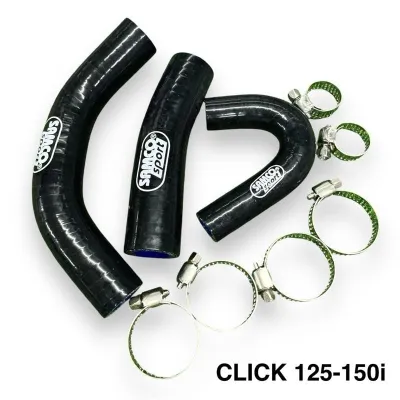
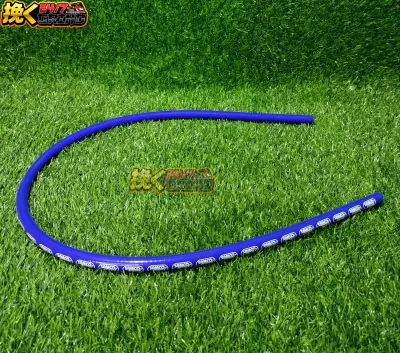
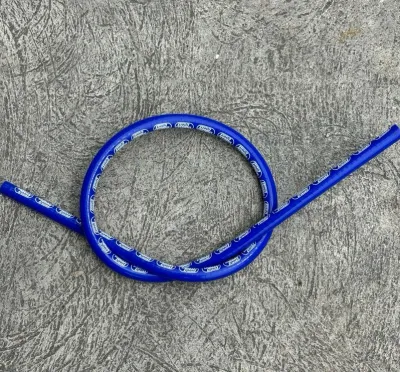
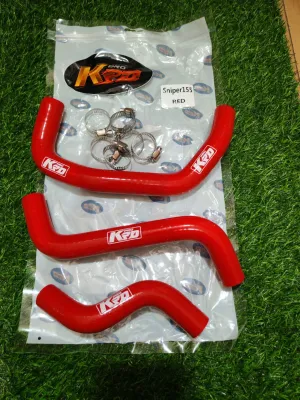
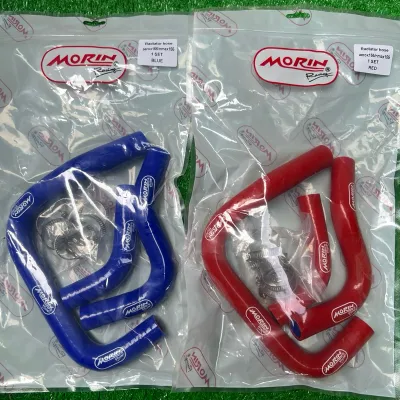
Prices are valid at publication and may change. Please refer to the product page for the latest price.
The most reliable way to confirm your scooter’s exact identity is by checking the Vehicle Identification Number (VIN) or chassis code stamped onto the frame, typically located under the seat compartment near the rear. This alphanumeric code can be cross-referenced with your official registration documents or the owner’s manual to pinpoint the precise model year and factory designation.
You can also look for distinct visual cues and badging. The Click 125i and 150i generations have different body panels, headlight designs, and digital instrument clusters depending on whether they are the older version 1, version 2, or the latest iteration. The Click 160 stands out with a wider front fascia, a larger tire profile, and a completely redesigned frame that alters the routing path of the cooling lines. Always consult your owner’s manual or an authorized dealer service manual to verify these designations before ordering parts.
Key Radiator Hose Specifications to Match
Once you have confirmed your scooter’s generation, you must match the physical and technical specifications of the replacement hose to your original equipment. The most foolproof method is locating the OEM part number, which is often printed directly on the surface of the factory hose or listed in the official parts catalog for your specific model year. Matching this part number ensures that the replacement hose has the exact dimensions required for your cooling system.

If the part number is no longer legible, you will need to compare critical physical dimensions. These include the inner diameter (ID), outer diameter (OD), and the overall length of the hose. The inner diameter must match the water pump and radiator inlet/outlet fittings perfectly; a hose that is too loose will leak even with tight clamps, while one that is too tight can split during installation.
Equally important is the pre-molded shape and bend radius of the hose. Scooter engine bays are incredibly compact, requiring the radiator hose to snake around the frame, electrical wiring, and hot exhaust components. A correct replacement hose must feature the exact molded curves of the original to prevent kinking, which restricts coolant flow and causes the engine to overheat. Ensure the connector end profiles are clean and match the original design to guarantee a flush, secure seal.
Verifying Fitment on E-Commerce Platforms
Many riders in the Philippines source replacement parts from online marketplaces and e-commerce platforms. While convenient, shopping online requires extra diligence to avoid receiving the wrong part. Start by cross-referencing the seller’s product description, compatibility charts, and listing titles with your verified OEM part number and scooter generation. Do not rely solely on generic titles like “radiator hose for Honda Click,” as these listings often bundle multiple incompatible variants together.
Before checking out, send a direct message to the seller to request actual product photos of the specific hose they intend to ship. Compare these photos visually against your original hose, paying close attention to the angles of the bends, the presence of protective ribbing or sleeves, and the shape of the connector ends. A reputable seller should be able to confirm if the item fits a Click 125i, 150i, or 160 specifically.
Additionally, carefully review customer feedback, seller ratings, and the platform’s return policy. Look for reviews from other Honda Click owners who have successfully installed the exact part on the same model year as yours. Ensure the seller offers a clear return or exchange policy so you have a recourse if the physical part arrives and does not match your original hose upon close inspection.
Installation Boundaries and Cooling System Safety
Replacing a radiator hose involves opening your scooter’s pressurized cooling system, which carries significant safety risks. Never attempt to remove a radiator cap or hose while the engine is hot, as escaping steam and boiling coolant can cause severe burns. Always allow the engine to cool completely before beginning any work, and consult your original vehicle service manual for specific safety instructions. If you are uncomfortable performing these steps, seek assistance from a qualified motorcycle mechanic.
Before installing the new hose, thoroughly inspect the radiator neck and the engine’s water pump housing. Look for any signs of cracks, corrosion, scale buildup, or deformation on the mating surfaces. Any rough edges or debris on these metal or plastic fittings can prevent the new hose from sealing properly, leading to persistent leaks under pressure. Clean the fittings gently with a soft cloth if necessary.
Selecting the correct type and size of hose clamps is vital for a secure installation. Reusing worn-out or rusted spring clamps can lead to joint failure, while using generic screw clamps requires extreme caution. Avoid over-tightening screw clamps, as excessive force can cut into the rubber hose or crush plastic radiator fittings. Tighten them securely according to the manufacturer’s torque specifications.
After securing the new hose, refill the cooling system with the recommended coolant type and bleed any trapped air pockets from the system. Air bubbles can block coolant flow and cause localized hot spots in the engine. Run the engine at idle with the radiator cap off (following your manual’s specific bleeding procedure), top off the coolant as needed, and perform a thorough visual leak test at normal operating temperature before taking your scooter out on the road.
Frequently Asked Questions (FAQ)
Can I use a universal straight radiator hose for my Honda Click?
No, you should not use a universal straight radiator hose for your Honda Click. The engine bay of a Honda Click is highly compact, requiring the cooling lines to make sharp, precise bends around the frame and engine components. A straight hose will kink when forced into these tight angles, severely restricting or completely blocking the flow of coolant. Pre-molded hoses are specifically designed to maintain their inner diameter through every turn, ensuring consistent coolant flow and keeping the hose safely away from hot exhaust pipes and moving suspension parts.
How often should I replace the radiator hose on my scooter?
Instead of relying strictly on a set mileage interval, you should inspect your radiator hoses regularly and replace them based on observable wear. During routine maintenance or coolant changes, check the hoses for visual signs of degradation such as surface cracking, bulging, or weeping coolant around the clamp joints. Squeeze the hoses when the engine is cold; they should feel firm yet pliable. If a hose feels excessively soft, spongy, or brittle and stiff, it has reached the end of its service life and must be replaced immediately to prevent a sudden failure on the road.
Community discussion
Share your experience or ask a question. Comments are reviewed before publication.