
There is no single size of baby lotion that fits every family’s travel plans perfectly, as the most cost-effective choice for a road trip depends on your travel duration, the number of children, and your vehicle’s packing limits. By calculating the unit price (₱ per ml) and balancing it against luggage space and leak risks, you can choose a size that maximizes value without overpacking or overspending. Taking the time to plan your skincare packing strategy ensures your baby’s skin remains protected during long hours on the road while keeping your travel budget intact.
Estimating Your Lotion Needs for the Trip
To avoid overpacking or running out of skincare essentials mid-journey, you must first calculate your baby’s actual lotion consumption. A standard application of baby lotion generally requires a small amount, but this volume can vary depending on your child’s skin type and the current weather conditions. For a reliable baseline, observe how much lotion you use during a typical day at home, or estimate a standard volume of roughly five to ten milliliters per full-body application.
Once you have a daily estimate, multiply this number by the total number of travel days and the number of children joining the trip. For example, if you apply five milliliters of lotion twice a day for one baby on a five-day road trip, your baseline requirement is fifty milliliters. Having a clear target volume prevents you from buying a massive container when a much smaller one would easily suffice for the duration of the drive.
Products mentioned in this guide
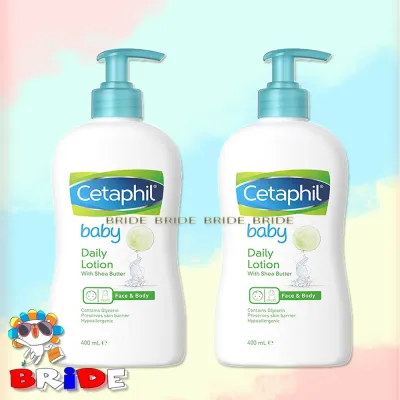
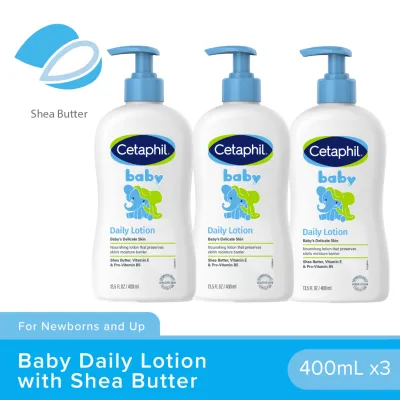
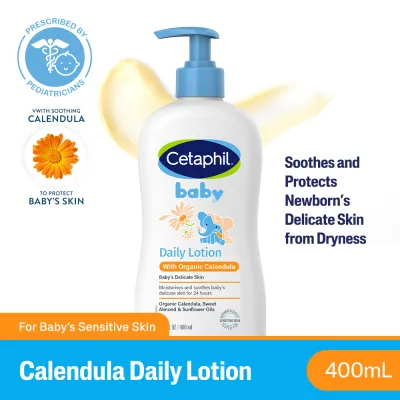
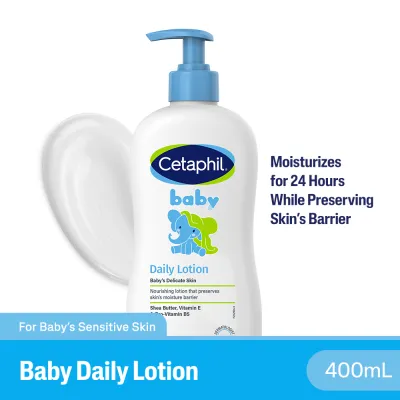
![Cetaphil Baby Daily Lotion with Organic Calendula 400ml [Gentle and Hypoallergenic / Organic Calendula Almond and Sunflower Oil]](https://img.lazcdn.com/g/p/04fe8d9f9db22e051ce1ea6f95e84d4c.jpg_400x400q80.jpg_.webp)
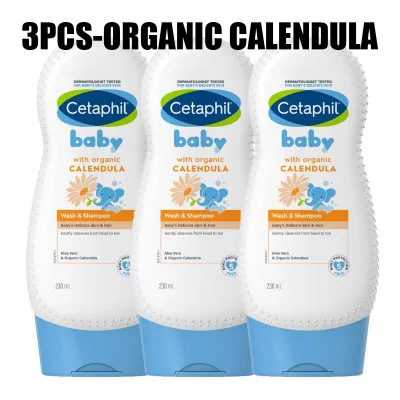
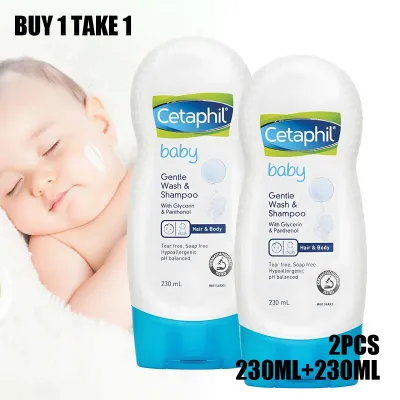
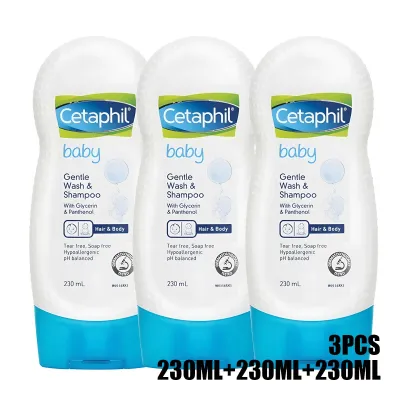
Prices are valid at publication and may change. Please refer to the product page for the latest price.
Environmental factors inside your vehicle also play a significant role in how much lotion you will actually use. While the tropical climate of the Philippines is naturally humid, running the car’s air conditioning continuously during long drives strips moisture from the cabin air. This dry, artificial environment can quickly dehydrate sensitive baby skin, requiring more frequent reapplication than you would normally need at home. Factor in an extra twenty to thirty percent of volume to account for these dry cabin conditions and unexpected stops along the way.
Comparing Unit Prices Across Available Sizes
Finding the most cost-effective option requires looking past the initial price tag and calculating the unit cost of each bottle size. To find the price per milliliter, divide the total retail price in Philippine Pesos (₱) by the volume of the bottle in milliliters. For instance, if a larger bottle costs ₱600 for 400 milliliters, the unit price is ₱1.50 per milliliter, whereas a smaller travel bottle might cost ₱200 for 50 milliliters, resulting in a much higher unit price of ₱4.00 per milliliter.

While the math often favors larger containers, the biggest bottle is not always the most economical choice for a single road trip. If you buy a large pump bottle solely for a weekend getaway, the unused portion might sit in your cupboard or car glove box for months. Over time, exposure to fluctuating temperatures inside a parked vehicle can degrade the formula or cause it to expire before you can finish it, turning that initial bulk discount into wasted money.
When browsing physical shelves in baby care aisles or scrolling through local online marketplaces, look closely at the price labels. Some retailers display the unit price directly on the shelf tag, making it easy to compare different sizes at a glance. If this information is missing, a quick calculation on your smartphone will reveal which bottle size offers the best value for your budget. Always compare identical formulations, as specialized variations like ultra-soothing or organic blends may have different pricing structures.
Balancing Budget with Road Trip Packing Constraints
A low unit price means very little if the bottle is too bulky to fit comfortably within your vehicle’s packing layout. Road trips require careful space management, especially when traveling with infants who require strollers, diaper bags, portable cribs, and playpens. Assess your vehicle’s available trunk space and cabin storage areas, such as seatback pockets or door bins, to determine where the lotion will be stored for quick access during stops.
Physical safety and vehicle maintenance are also critical considerations when packing liquids for a long drive. Rough roads, sudden stops, and vibrations can cause large pump dispensers to unlock and discharge their contents onto your car’s interior. Baby lotion contains oils and emollients that can permanently stain fabric upholstery, discolor leather seats, or damage sensitive dashboard plastics and electronic sensors. To protect your vehicle, choose bottles with secure, screw-on caps rather than exposed pump mechanisms, or store the container in a dedicated road trip organizer.
If you want the cost benefit of a large bottle without the bulk, decanting is an excellent alternative. You can purchase a large, highly economical bottle for home use and transfer a portion of it into smaller, reusable travel containers. This strategy allows you to enjoy the low unit price of bulk packaging while keeping your road trip luggage light and compact. When decanting, ensure the travel containers are thoroughly cleaned, sanitized, and clearly labeled to avoid confusion with other travel toiletries.
Smart Purchasing Strategies for Budget-Conscious Travelers
Maximizing your travel budget involves planning your purchases well before you load the car. One of the most common mistakes is buying a brand-new travel-sized bottle right before departure. Instead, check your home cabinets for partially used bottles that can be repurposed for the trip. Using up what you already have costs nothing and frees up storage space at home, making it the most budget-friendly option available.
If you must buy a new bottle, always verify the expiration date printed on the packaging, particularly when purchasing discounted bundles or larger sizes. Skincare products can lose their efficacy or develop unpleasant odors if they are stored past their shelf life, especially in warm, tropical climates. Buying a product that expires soon after your trip limits its long-term value and may force you to discard a partially full bottle.
Finally, try to avoid buying toiletries at convenience stores or gas stations along major expressways. These retail outlets often charge a premium for convenience, resulting in significantly higher prices compared to supermarkets or major online marketplaces. By purchasing your baby lotion in advance as part of your regular household shopping, you can take advantage of store promotions, loyalty points, and competitive pricing to keep your road trip expenses as low as possible.
Frequently Asked Questions (FAQ)
Can I bring a large bottle of baby lotion in my carry-on if we are flying after the road trip?
If your road trip is the first leg of a journey that involves a domestic or international flight, you must adhere to strict aviation security guidelines. Standard airport security rules limit liquids, aerosols, and gels in carry-on baggage to containers of 100 milliliters or less, packed inside a single, transparent, re-sealable plastic bag. Any bottle larger than 100 milliliters, even if it is only partially full, will be confiscated at the security checkpoint, so larger sizes must be packed securely in your checked luggage.
How do I prevent the lotion pump from leaking in the car?
To prevent messy spills inside your vehicle during transit, secure the bottle’s dispensing mechanism before hitting the road. If your bottle features a twist-lock pump, press it down and turn it to the locked position, or use the plastic clip that originally came with the packaging. For added security, wrap a piece of adhesive tape around the neck of the pump to prevent it from turning, and place the entire bottle inside a sealed, waterproof plastic bag to contain any accidental leaks.
Community discussion
Share your experience or ask a question. Comments are reviewed before publication.