
Finding a high-quality carbon fiber full-face helmet in the Philippines requires balancing the lightweight, high-strength benefits of advanced composite materials with strict local and international safety standards. While carbon fiber was once reserved exclusively for professional racers and premium budgets, the local motorcycle gear market has expanded significantly. Today, riders can find carbon-based options across a wide spectrum of price points, from accessible composite blends to elite, track-certified pure carbon shells. However, navigating these options requires a clear understanding of what you are paying for, how to verify genuine safety credentials, and how to select features that can withstand the demanding tropical climate of the Philippines.
Understanding Carbon Fiber Helmet Pricing and Value
Carbon fiber is highly prized in the motorcycling world for its exceptional strength-to-weight ratio. Compared to traditional materials like polycarbonate or fiberglass, carbon fiber absorbs and disperses immense impact energy while remaining remarkably lightweight. For riders in the Philippines, where daily commutes through congested urban centers or long weekend rides are common, helmet weight is critical. A lighter helmet directly translates to reduced neck fatigue, less strain on the spine, and improved comfort during extended hours in the saddle.
The premium price stems from a complex, labor-intensive manufacturing process. Unlike polycarbonate shells, which are mass-produced using rapid injection molding, carbon fiber shells require skilled technicians to manually lay sheets of carbon fabric into precise molds. These layers are impregnated with specialized epoxy resins and cured under high pressure and temperature inside an autoclave. This meticulous process ensures fibers are perfectly aligned to maximize structural integrity while eliminating excess resin weight.
Products mentioned in this guide
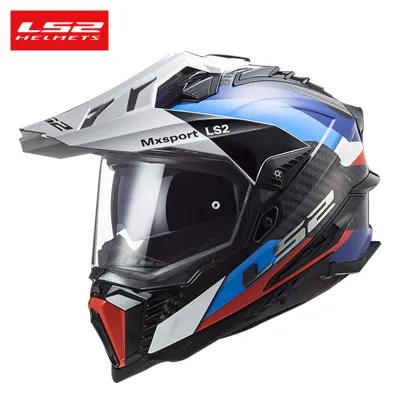
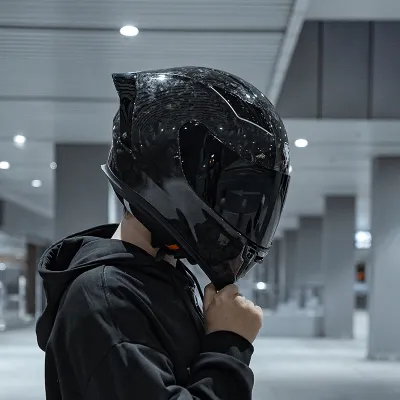
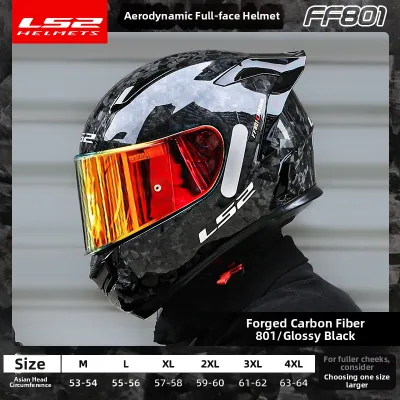
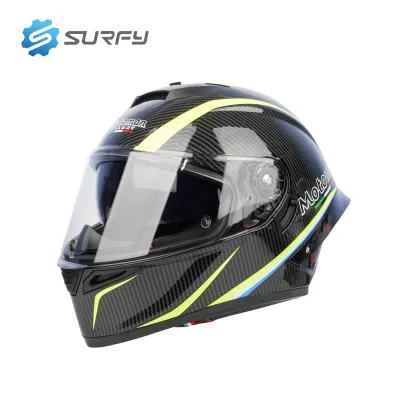
Prices are valid at publication and may change. Please refer to the product page for the latest price.
When shopping, distinguish between pure carbon fiber shells and carbon-composite blends. Pure carbon fiber helmets utilize multiple layers of woven carbon sheets, resulting in the lightest possible weight but carrying a substantial price premium. Carbon-composite blends combine carbon fiber with other high-performance materials such as aramid or fiberglass. These hybrid shells offer an effective compromise: they retain much of the impact resistance and weight advantages of carbon fiber while keeping retail prices much more accessible.
While investing in a high-quality helmet is paramount, riders must balance this purchase with their overall safety gear budget. A premium helmet should not come at the expense of other essential protective equipment. Ensure you allocate sufficient funds for certified riding gloves, a reinforced riding jacket with impact protectors, sturdy riding pants, and protective footwear. A complete gear setup provides comprehensive protection that no single high-end helmet can replicate on its own.
Essential Safety Certifications to Verify Before Buying
Before evaluating the aesthetic appeal or weight of a carbon fiber helmet, verifying its safety credentials is the single most important step. A genuine carbon fiber shell is useless if the underlying energy-absorbing liner or retention system fails during an impact. International safety certifications serve as the baseline for structural performance. Look for recognized standards such as ECE 22.05, ECE 22.06, DOT, or Snell. These certifications are typically printed, decaled, or molded directly onto the rear outer shell of the helmet beneath the protective clear coat.

In the Philippines, all motorcycle helmets must comply with local safety regulations enforced by the Department of Trade and Industry and the Land Transportation Office under Republic Act No. 10054. Legally compliant helmets must bear either a Philippine Standard (PS) mark or an Import Commodity Clearance (ICC) sticker. The ICC sticker is a small, metallic blue decal featuring a unique serial number and a security hologram. Because counterfeit stickers are common on cheap, uncertified helmets, riders must inspect these labels closely. Genuine ICC stickers have sharp, clear printing, a highly reflective holographic pattern that shifts dynamically under light, and are difficult to peel off in one piece.
Beyond checking external stickers, a thorough physical inspection of the helmet’s interior and retention system is necessary to confirm its safety integrity. Locate the internal compliance tags sewn directly into the comfort liner or attached to the chin strap. These tags should state the manufacturer’s name, model designation, production date, and the specific certifications met. Inspect the chin strap rivets where they anchor to the inner shell; they must be perfectly flush, free of rust, and show no signs of play. The retention system—whether a classic double D-ring setup or a high-quality micrometric quick-release buckle—must operate smoothly and lock securely without slipping under tension.
Never attempt to modify the structural components of your helmet. Drilling holes into the shell to mount accessories, cutting the EPS liner to accommodate speakers, or painting the shell with non-approved aerosol paints can chemically degrade the materials and severely compromise the helmet’s ability to protect your head during an accident. Always follow the manufacturer’s original instructions for accessory installation and maintenance.
Budget Priorities: What to Expect at Different Price Tiers
Understanding what features are realistic at different price points helps prevent unrealistic expectations and guides you toward the best value for your money. In the Philippine market, carbon fiber full-face helmets generally fall into three distinct budget tiers, each offering a different balance of materials, refinement, and features.
Entry-Level Carbon (Typically ₱8,000 to ₱15,000): At this price point, helmets are rarely made of 100% pure carbon fiber. Instead, they feature carbon-composite shells, blending carbon fiber with fiberglass or organic fibers to keep costs down. While slightly heavier than premium pure carbon models, they are still noticeably lighter than standard polycarbonate helmets. To maintain affordability, manufacturers at this level often use standard, non-optical-class visors, simpler single-density EPS liners, and basic ventilation ports with plastic sliders. The interior liners are functional but use standard synthetic fabrics that offer basic comfort rather than advanced moisture management.
Mid-Range Carbon (Typically ₱15,000 to ₱30,000): This tier represents the sweet spot for many serious riders, offering a significant step up in material quality and refinement. Helmets in this range often feature higher concentrations of carbon fiber, bringing the total weight down closer to the 1,300-gram mark. You can expect multi-density EPS liners designed to absorb impacts of varying velocities more effectively. Aerodynamics are also improved, featuring wind-tunnel-tested shell shapes and integrated rear spoilers that minimize helmet lift and buffeting at highway speeds. Crucially for the hot and humid Philippine climate, mid-range helmets utilize advanced moisture-wicking, anti-bacterial interior fabrics that dry quickly and help regulate temperature.
Premium Carbon (Above ₱30,000): This elite tier consists of professional-grade, track-oriented helmets constructed from 100% pure, high-grade carbon fiber. These helmets prioritize absolute weight reduction, often weighing 1,200 grams or less, which dramatically reduces rider fatigue. Premium helmets feature highly sophisticated ventilation systems with multiple intake and exhaust ports designed to pull heat and moisture away from the rider’s head. They also include advanced safety features like Emergency Quick Release Systems (EQRS), which allow emergency medical personnel to easily remove the cheek pads while the helmet is still on the rider’s head, minimizing neck movement. Noise reduction is highly optimized through precision-engineered neck rolls, chin curtains, and tight-sealing visor gaskets.
Key Features to Evaluate Within Your Budget
When comparing carbon fiber helmets within your chosen budget, focusing on specific physical and functional attributes will ensure you select a model that performs well in daily riding conditions.
First, evaluate the visor mechanism and optical quality. A high-quality visor should be free of optical distortion to prevent eye strain during long rides. Look for visors that are pre-equipped with pins for a Pinlock anti-fog insert. In the Philippines, sudden afternoon downpours can cause rapid temperature drops, leading to immediate visor fogging; a Pinlock lens is one of the most effective ways to maintain clear vision. Additionally, test the visor’s ratchet system. It should operate smoothly, lock securely in multiple positions, and feature a reliable tool-less quick-release mechanism for easy cleaning or swapping.
Second, closely examine the interior comfort liner. Because riding in tropical humidity leads to heavy sweating, a fully removable and washable liner is non-negotiable for maintaining hygiene and preventing unpleasant odors. Look for liners treated with anti-microbial coatings. If you wear prescription eyeglasses or sunglasses, check if the cheek pads feature dedicated glasses-compatible grooves. These small channels prevent the helmet from pressing the temples of your glasses painfully against the sides of your head.
Third, assess the ventilation and noise-reduction features. Inspect the physical size and placement of the chin vents, forehead intakes, and rear exhaust ports. The vents should be easy to operate even while wearing thick riding gloves. A good chin curtain is also essential; it blocks turbulent air from rushing up into the helmet from below, which significantly reduces wind noise and prevents road dust and insects from entering your eyes.
Where to Buy and How to Avoid Counterfeits
The popularity of carbon fiber helmets has unfortunately led to a rise in counterfeit products in the local market. To ensure your safety, always purchase your helmet from authorized local distributors, official physical brand stores, or verified flagship stores on reputable online marketplaces. Buying from authorized channels guarantees that the helmet is genuine, has passed local customs and safety inspections, and is covered by the manufacturer’s official warranty.
Be highly vigilant against common red flags. If a seller is offering a “carbon fiber” helmet at a price that seems too good to be true—such as under ₱5,000—it is almost certainly a fake. These counterfeit helmets are often made of cheap ABS plastic with a hydro-dipped carbon fiber pattern or a dangerously thin, uncertified composite shell that will shatter upon impact. Other warning signs include missing original packaging, the absence of a branded helmet bag and manual, or a seller who cannot provide proof of official importation and local certification.
Whenever possible, visit a physical store to try the helmet on before finalizing your purchase. Helmet fit is highly subjective and varies significantly between different brands and shell shapes. A helmet that does not fit correctly cannot protect you properly. When trying on a helmet, it should fit snugly around your entire head without creating painful pressure points on your forehead or temples. Keep the helmet on for at least ten to fifteen minutes in the store; this allows you to detect any delayed discomfort or “hot spots” that may not be immediately apparent but would become unbearable during a long ride.
Frequently Asked Questions (FAQ)
Is a carbon fiber helmet worth the extra cost compared to fiberglass?
Yes, for many riders, the investment is highly justified. While both materials offer excellent impact protection, carbon fiber is significantly lighter than fiberglass. This weight reduction substantially decreases neck fatigue and muscle strain, especially during long-distance touring or prolonged commutes in heavy traffic. If you ride frequently or suffer from neck discomfort, the long-term physical comfort and reduced fatigue provided by a carbon fiber helmet make it a highly worthwhile upgrade.
How do I know if a carbon fiber helmet is genuine?
To verify authenticity, closely inspect the carbon fiber weave under a bright light. Genuine carbon fiber has a distinct, three-dimensional depth, and you should be able to see slight, natural variations in the weave pattern under the clear coat. Counterfeit helmets often use flat, printed water-transfer decals that lack this depth and look perfectly uniform. Additionally, check the helmet’s actual weight on a scale, cross-reference it with the manufacturer’s official specifications, and verify the unique serial number on the ICC sticker or internal tags.
Do I need to replace my carbon fiber helmet after a minor drop?
Yes, it is highly recommended to replace the helmet or have it professionally inspected by the manufacturer. While the outer carbon fiber shell might show only a minor scratch or no visible damage at all, the critical inner Expanded Polystyrene (EPS) liner is designed to compress and absorb energy during any impact. Once the EPS liner is compressed—even from a drop from handlebar height onto a hard surface—it loses its ability to protect that specific area in a subsequent impact.

Community discussion
Share your experience or ask a question. Comments are reviewed before publication.