
Finding a reliable heat guard for your Honda Click V3 in the Philippines is essential for maintaining rider comfort and protecting your scooter’s components from intense tropical heat. Daily commutes through congested urban traffic, combined with high ambient humidity, can cause the exhaust system and engine area to radiate significant warmth directly toward your legs. A well-chosen heat guard—often referred to locally as a muffler cover or exhaust protector—acts as a physical barrier, reducing direct thermal exposure and preventing accidental contact burns.
Selecting the right accessory requires understanding how heat behaves on this specific scooter model and evaluating products based on material quality, mounting compatibility, and safety. Because the Honda Click V3 features distinct bodywork and exhaust routing compared to its predecessors, a generic approach to buying accessories can lead to poor fitment, annoying vibrations, or even safety hazards on the road. Focusing on verified fitment and material properties ensures your investment keeps your rides cool and secure.
Identifying Heat Sources on the Honda Click V3
To choose an effective heat guard, you must first identify where the heat originates on your Honda Click V3. The scooter is powered by a compact, liquid-cooled engine, with the radiator and exhaust system positioned on the right side of the vehicle. The exhaust pipe travels from the engine cylinder head down along the lower right frame, terminating in a swept-up muffler assembly near the rear wheel. This layout concentrates the primary thermal zone on the right side, directly adjacent to the passenger footpeg and the rider’s right leg.
Products mentioned in this guide
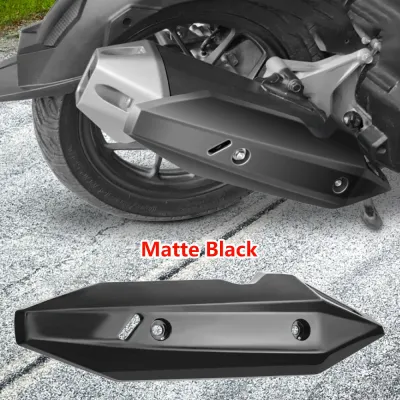
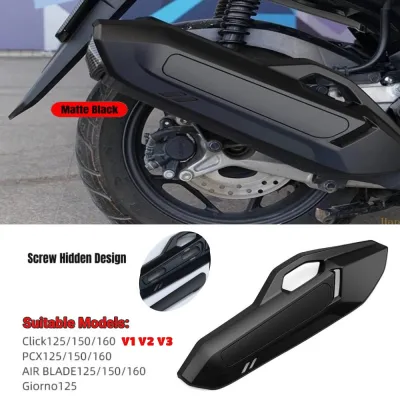
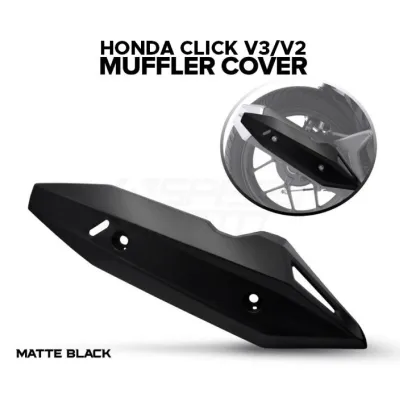
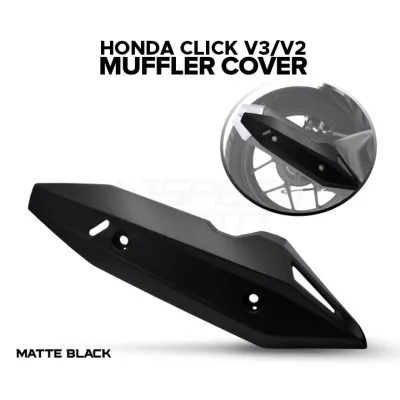
Prices are valid at publication and may change. Please refer to the product page for the latest price.
During typical rides, especially in stop-and-go traffic in busy metropolitan areas, the lack of forward airflow prevents rapid cooling. You will likely observe radiant heat rising from the exhaust pipe and the radiator fan area. This heat transfer is most noticeable when idling at traffic lights, where warm air drafts upward toward your calves and ankles. If you feel a distinct, uncomfortable burning sensation through your footwear or trousers, or if your passenger constantly shifts their right foot to avoid the hot muffler, your scooter is experiencing problematic heat exposure.
It is important to distinguish between normal engine operating warmth and excessive heat exposure that requires intervention. A properly functioning Honda Click V3 will naturally radiate some warmth from the radiator duct on the right side; this is a sign that the liquid-cooling system is successfully drawing heat away from the engine block. However, if the stock plastic muffler guard is cracked, missing, or sitting too close to the metal pipe, the radiant heat from the exhaust can become intense enough to melt nearby soft plastics or cause accidental skin burns upon contact. Recognizing these symptoms helps you target the specific areas that require additional shielding.
What to Look for When Choosing a Heat Guard
When evaluating aftermarket heat guards, material composition is your first line of defense. Common options include ABS plastic, carbon fiber composites, and metals such as aluminum or stainless steel. ABS plastic is lightweight and highly resistant to direct heat conduction, making it an excellent choice for preventing accidental burns, though lower-grade plastics can become brittle over time under constant sun exposure. Carbon fiber and high-quality composite guards offer superior thermal resistance and a premium aesthetic, but they generally carry a higher price tag. Metal guards are exceptionally durable and resist impact from road debris, but they must be designed with an adequate air gap or non-conductive spacers, as metal naturally conducts heat and can become hot to the touch if mounted flush against a heat source.

Fitment and mounting design are critical factors that dictate whether a guard will perform safely on your Click V3. The Click V3 chassis features specific mounting points on the muffler body that differ slightly from older Click 125i or 150i generations. Before purchasing, you must verify that the guard’s bracket design aligns perfectly with these factory mounting holes. Attempting to force a guard onto mismatched brackets can stress the mounting tabs, leading to premature cracking of both the guard and the scooter’s original mounting points.
Clearance and physical interference must be carefully assessed during your selection process. A proper heat guard must maintain a consistent clearance gap from the hot exhaust pipe to allow air to flow freely behind it, which helps dissipate heat rather than trapping it. If a guard is positioned too close or touches the pipe directly, it can transfer heat to the outer surface or trap moisture against the metal, accelerating rust during the rainy season. Furthermore, the guard must not rub against the rear tire, the suspension swingarm, or the lower body fairings during deep suspension compression.
Durability under local riding conditions is another essential consideration. Roads in the Philippines can subject your scooter to intense vibrations, sudden impacts from loose gravel, and heavy downpours. Look for heat guards that feature reinforced mounting holes, preferably lined with brass or steel eyelets, to prevent the plastic from tearing under stress. Choosing hardware that resists corrosion, such as stainless steel bolts paired with rubber vibration-damping grommets, will ensure the guard remains securely attached and rattle-free over thousands of kilometers.
Common Types of Heat Guards and Their Uses
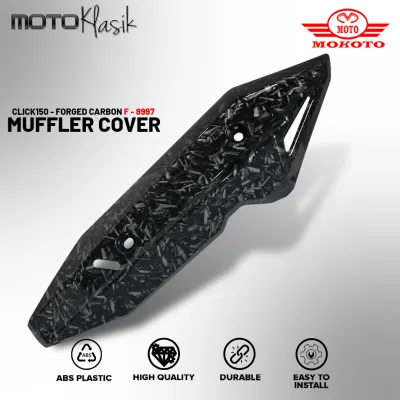
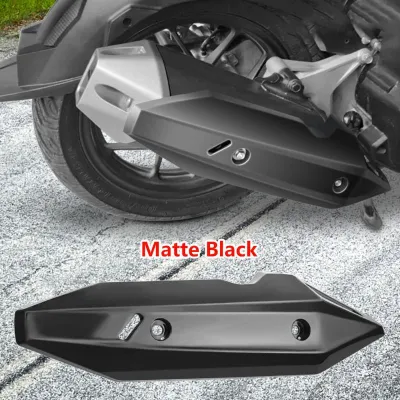
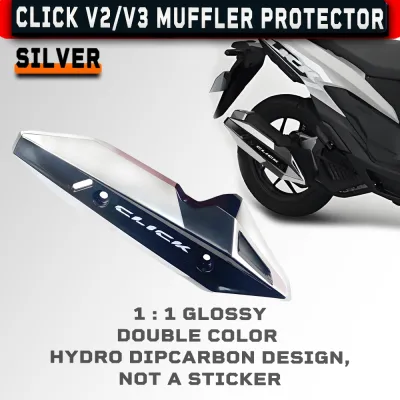
Exhaust pipe shields and muffler covers are the most common type of heat protection installed on the Honda Click V3. These guards are designed to bolt directly over the main body of the silencer and the header pipe joint. Their primary function is to act as a physical shield against accidental contact, protecting the rider, passenger, and pedestrians from severe burns. Because the muffler sits exposed on the right side, a full-coverage shield made of high-impact ABS or carbon composite is highly recommended for daily commuters who frequently carry passengers.
Exhaust wraps, which consist of heat-resistant fiberglass or ceramic fabric wrapped tightly around the header pipe, represent a different approach to thermal management. While wraps are highly effective at keeping radiant heat contained within the exhaust pipe, they are generally less suited for daily-driven scooters in highly humid or coastal environments. The fabric can trap moisture, road salt, and dirt against the steel pipe, which can lead to rapid, unseen corrosion and eventual pipe failure. If you choose to use an exhaust wrap, it should be inspected regularly for signs of moisture retention.
Floorboard and leg shields are specialized plastic or rubber deflectors that attach to the inner fairings of the scooter. These accessories are designed to redirect the warm air exiting the radiator duct away from the rider’s feet and shins. While they do not protect against direct exhaust burns, they significantly improve rider comfort during long midday rides in high-temperature environments. These shields typically attach using high-bond double-sided automotive tape or utilize existing fairing screws, making them a non-invasive upgrade.
Engine casing and radiator covers are often marketed alongside heat guards, but they serve a different primary purpose. Often constructed from CNC-machined aluminum or molded plastic, these covers protect the radiator fins and engine crankcase from flying stones and road debris. While they add a customized look to your Click V3, they offer very limited thermal insulation for the rider. In fact, poorly designed radiator covers with restrictive mesh patterns can actually impede airflow, reducing the cooling efficiency of your engine. When choosing these components, prioritize open-flow designs that do not restrict air intake.
Evaluating the trade-offs between full-coverage shields and targeted, lightweight guards is key to matching a product to your riding habits. A full-coverage plastic muffler guard provides the highest level of burn protection for passengers but adds bulk to the scooter’s profile. Conversely, a minimalist metal pipe guard is sleek and highly durable against stone chips, but it may not offer complete coverage for a passenger’s foot. Assess your typical riding scenarios—such as whether you ride solo or frequently carry family members—to determine which style offers the best balance of protection and practicality.
Installation Preparation and Safety Boundaries
Before beginning the installation of any aftermarket heat guard, you must establish a safe working environment. Always ensure the scooter’s engine and exhaust system are completely cold to the touch; attempting to work on a recently ridden motorcycle carries a severe risk of contact burns. Park the scooter on a flat, level surface using the center stand to ensure stability while you work. It is also wise to consult your Honda Click V3 owner’s manual to identify any restricted modification zones and to locate the recommended torque specifications for the exhaust mounting hardware.
Using the correct hardware and fasteners is critical to preventing the heat guard from loosening over time. The constant thermal expansion and contraction of the exhaust system, combined with engine vibrations, can easily back out standard bolts. Always use heat-resistant fasteners, preferably stainless steel, and avoid over-tightening bolts into plastic guards, which can crack the mounting tabs. Applying a small drop of medium-strength threadlocking compound to the bolt threads can prevent them from vibrating loose while riding on uneven roads.
| Fastener Component | Recommended Type | Purpose |
|---|---|---|
| Mounting Bolts | Stainless Steel (M6/M8 as specified) | Resists rust and thermal stress |
| Washers | Wide Flat Washers | Distributes clamping force evenly |
| Dampers | Heat-Resistant Rubber Grommets | Absorbs engine vibration and prevents cracking |
| Threadlocker | Medium-Strength (Blue) | Prevents bolts from backing out due to vibration |
You must recognize the safety boundaries of DIY installation and know when to stop. If you find that the aftermarket heat guard does not align with the factory mounting points without forcing, bending, or drilling into the exhaust pipe or frame, halt the installation immediately. Structural modifications to the exhaust system can alter backpressure, affect engine performance, or lead to exhaust leaks. If the guard interferes with the movement of the rear suspension swingarm, rubs against the tire, or restricts the steering path of any cables, do not ride the scooter. In these situations, consult a qualified motorcycle mechanic to ensure the accessory is mounted safely and legally.
Sourcing Options and Compatibility Verification
Finding a high-quality heat guard for your Honda Click V3 in the Philippines involves exploring several sourcing channels. Authorized Honda 3S dealerships often stock genuine replacement guards and officially approved accessories, which offer the highest guarantee of perfect fitment and material safety. Local motorcycle accessory shops, widely found in major cities, provide a broad selection of aftermarket styles, allowing you to physically inspect the material thickness and bracket quality before purchasing. Additionally, online marketplaces and specialized motorcycle ecommerce platforms offer convenience and a wide variety of designs, though they require extra diligence to verify compatibility.
To ensure you receive a product that fits your scooter perfectly, you must perform systematic verification steps before finalizing your purchase. Cross-reference the product description, part numbers, and seller compatibility charts specifically with the “Honda Click V3” or “Click 125i/150i V3” designation. Because older generations of the Click (V1 and V2) share similar names, parts are frequently mislabeled by third-party sellers. Requesting actual photos of the mounting bracket layout from the seller and comparing them to the bolt spacing on your scooter’s muffler is an effective way to prevent buying the wrong part.
Be vigilant against common red flags when browsing aftermarket accessories. Avoid products that lack clear material specifications, such as listings that simply state “plastic” without clarifying if it is heat-resistant ABS or standard polycarbonate. Be cautious of guards sold without essential mounting hardware, rubber dampers, or spacers, as sourcing these specialized heat-resistant components separately can be difficult. Finally, steer clear of listings with highly ambiguous fitment claims, such as “universal fit for all scooters,” as these almost always require unsafe modifications to mount securely on your Click V3.
Frequently Asked Questions (FAQ)
Will installing an aftermarket heat guard void my Honda warranty?
Installing a bolt-on aftermarket heat guard or muffler cover generally does not void your entire motorcycle warranty. Under standard manufacturer policies, warranty coverage is only affected if the aftermarket accessory directly causes a failure in a related component. For example, if an improperly fitted guard blocks the radiator airflow and causes the engine to overheat, or if a poorly designed bracket cracks the exhaust pipe, repairs for those specific damages may not be covered under warranty. To protect your coverage, always choose guards that mount to factory points without modification, and consult your local authorized Honda dealer or review your official warranty booklet for specific terms.
Can I use a universal heat shield on the Click V3?
Using a universal heat shield on the Honda Click V3 is not recommended. Universal shields are designed to fit a wide variety of motorcycles and typically require custom brackets, drilling into the exhaust pipe, or using metal hose clamps to secure them. These mounting methods often fail to provide a stable fit, leading to persistent rattling, paint damage, or the guard shifting during rides. More importantly, a poorly fitted universal shield can contact the hot exhaust pipe directly, transferring heat rather than blocking it, or it may interfere with the rear suspension travel. For safety, durability, and ease of installation, it is highly advisable to purchase a heat guard specifically molded and engineered for the Click V3 chassis.
Community discussion
Share your experience or ask a question. Comments are reviewed before publication.