
Driving in the Philippines presents unique challenges, particularly during the monsoon season when sudden, torrential downpours can instantly compromise road safety. For owners of the Mitsubishi Xpander, a popular family multi-purpose vehicle (MPV), maintaining clear forward visibility is a critical safety requirement.
Selecting the right wiper blades involves understanding the specific physical dimensions, connector types, and material properties that can withstand intense tropical heat and heavy rainfall. This guide provides a comprehensive framework for verifying compatibility, evaluating materials, and building a reliable shortlist of replacement blades from online marketplaces, ensuring your vehicle remains prepared for any weather condition.
Verifying Wiper Blade Compatibility for the Mitsubishi Xpander
To ensure optimal performance and complete windshield coverage, you must first verify the exact physical dimensions of the wiper blades required for your Mitsubishi Xpander. The Xpander utilizes an asymmetrical dual-blade configuration designed to maximize the driver’s field of view while efficiently clearing the passenger side of the glass.
Products mentioned in this guide
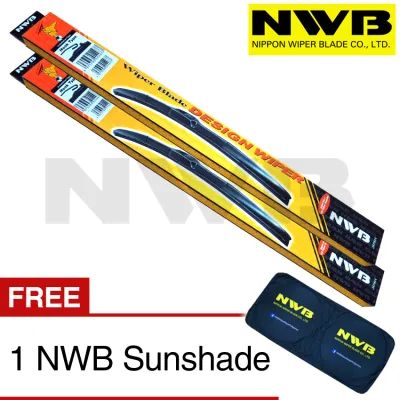
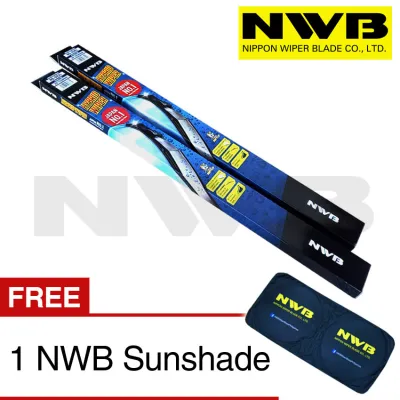
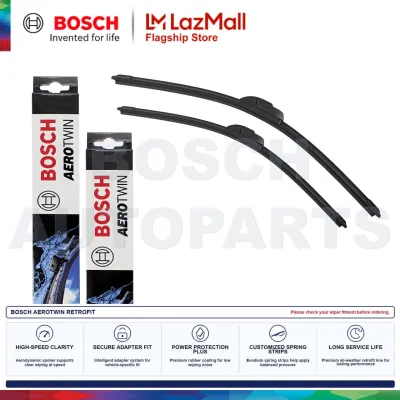
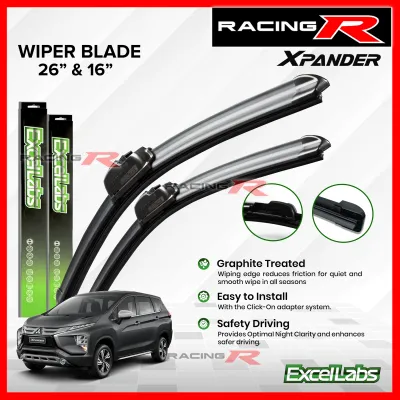
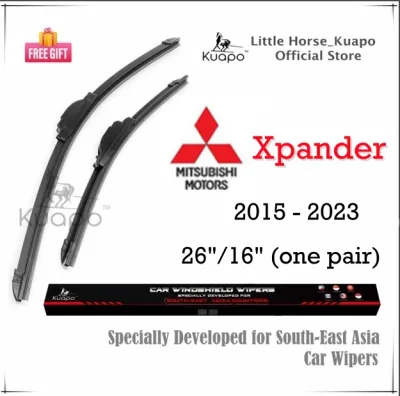
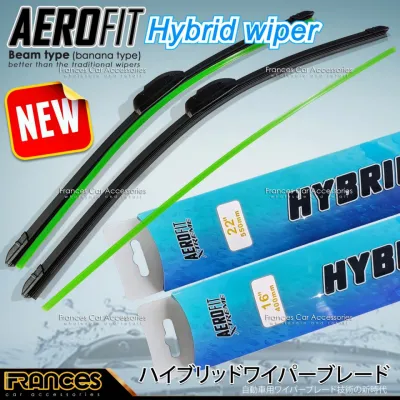
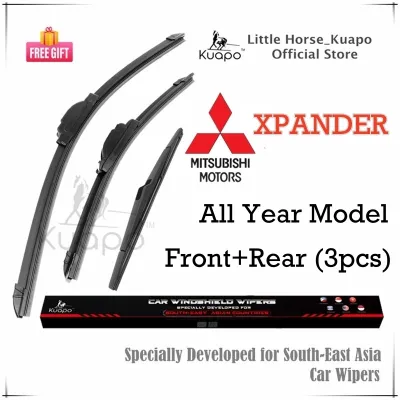
Prices are valid at publication and may change. Please refer to the product page for the latest price.
The standard specification for this vehicle typically requires a 26-inch (650 mm) blade for the driver’s side and a 16-inch (400 mm) blade for the passenger’s side. Before purchasing any replacement, it is highly recommended to consult your owner’s manual or physically measure the currently installed blades from end to end.
When measuring, use a standard tape measure along the curvature of the rubber strip. Be sure to measure only the rubber element and its immediate frame, excluding the plastic connector clip, to get an accurate reading.
In addition to the length, identifying the correct connector type is critical for a secure and stable installation. The Mitsubishi Xpander features a standard J-hook (also referred to as a U-hook) wiper arm interface.
This design is highly reliable and widely supported by aftermarket manufacturers, but you must confirm that the replacement blades you select are compatible with this specific hook style.
Many products sold online are marketed as “universal fit,” which suggests they can be installed on any vehicle. However, “universal” typically means the manufacturer includes a variety of plastic adapter clips in the packaging.
You must verify that the product description explicitly lists compatibility with standard J-hooks (usually 9×3 mm or 9×4 mm dimensions) to avoid purchasing a set that cannot be securely mounted to your vehicle’s wiper arms.
Evaluating Wiper Materials for Tropical Weather Conditions
The tropical climate of the Philippines, characterized by high ambient temperatures, intense ultraviolet (UV) radiation, and prolonged periods of heavy rain, places extreme stress on automotive wiper blades. When parked outdoors, windshield temperatures can rise significantly, causing inferior rubber compounds to degrade, harden, and crack over time.

When evaluating replacement options, you will primarily choose between natural rubber and silicone-based wiping elements. Natural rubber blades are highly flexible and offer quiet operation when new, but they tend to degrade rapidly under constant exposure to intense sunlight and heat.
To mitigate this, look for natural rubber blades that feature a graphite or Teflon coating. These coatings reduce friction against the glass and extend the material’s operational lifespan in harsh environments.
Silicone wiper blades represent a more durable alternative for tropical environments. Silicone is highly resistant to thermal degradation and UV radiation, meaning it remains flexible and effective even after months of exposure to intense sunlight.
Additionally, many silicone blades naturally deposit a thin, hydrophobic layer onto the windshield as they operate. This water-repellent barrier causes rainwater to bead up and disperse quickly, significantly improving visibility during heavy downpours even before the wiper completes a sweep.
However, silicone blades generally require a higher initial purchase price and demand a thoroughly clean windshield surface to prevent squeaking or chattering during light rain.
Beyond the material of the wiping element, the structural design of the wiper frame plays a significant role in performance. Traditional conventional frames use a metal bracket system to press the rubber blade against the glass.
While functional, these brackets can trap dirt, leaves, and road debris, and the exposed metal joints are susceptible to corrosion in high-humidity coastal areas.
In contrast, beam (or frameless) wiper blades feature a continuous, curved steel spring enclosed within an aerodynamic rubber housing. This design distributes pressure evenly across the curved windshield of the Xpander, reduces wind lift at highway speeds on expressways, and eliminates external metal joints that can rust or clog with debris.
Hybrid designs offer a middle ground, combining the aerodynamic shell of a beam blade with the mechanical pressure points of a conventional frame.
Building a Conditional Shortlist for Online Purchase
When shopping for replacement wiper blades on e-commerce platforms and online marketplaces, navigating the vast number of listings requires a structured and cautious approach. Many sellers use generic keywords like “wiper for xpander” to attract buyers, but these listings may not always contain the correct sizes or connector adapters for your specific model year.
To build a reliable shortlist, begin by filtering search results using precise search terms that include the exact dimensions (26-inch and 16-inch) and the J-hook connector specification. Avoid relying solely on the compatibility lists provided in product titles, as these can sometimes be inaccurate or outdated.
Cross-referencing the seller’s product description with official manufacturer catalogs or detailed sizing charts is an essential step in verifying fitment. Look for listings that display clear, high-resolution photographs of the actual adapter mechanism rather than generic stock images of unrelated vehicles.
If you are unsure about compatibility, utilize the platform’s messaging feature to ask the seller directly if the package includes the specific J-hook adapter required for the Mitsubishi Xpander. A reputable seller should be able to provide prompt, clear confirmation of fitment and detail the contents of the package.
Be vigilant for red flags that indicate a high-risk listing. These include missing details about the adapter type, vague descriptions of the materials used, and the absence of clear return or exchange policies.
Because automotive parts are highly specification-sensitive, purchasing from a seller with a restrictive return policy can leave you with unusable parts if a fitment issue arises.
Additionally, check the customer review section for feedback from other Xpander owners. Look for reviews that include photos or videos of the installed product, as these provide valuable, real-world confirmation of how well the blades fit the wiper arms and how they perform under local weather conditions.
Safe Installation and Routine Maintenance Practices
Proper installation and routine maintenance are vital to ensuring your new wiper blades perform effectively and do not cause damage to your vehicle. Before beginning the replacement process, park your Xpander in a shaded, level area to ensure the windshield glass is cool.
Thoroughly clean the entire windshield using a dedicated automotive glass cleaner or a mild clay bar to remove accumulated road film, tree sap, and environmental contaminants. Installing new blades on a dirty windshield can immediately damage the delicate edge of the rubber squeegee, leading to premature streaking and poor performance.
During the installation, safety must be your primary concern. When you remove the old wiper blade from the metal wiper arm, the arm’s spring-loaded tension mechanism will remain active.
If the bare metal arm is accidentally bumped or released, it can snap back against the windshield with enough force to crack or shatter the glass, resulting in an expensive repair.
To prevent this, always place a thick, folded microfiber towel or a protective piece of cardboard on the windshield directly beneath the wiper arm before detaching the old blade. Keep this protective barrier in place until the new blade is securely locked onto the arm and lowered back onto the glass.
Carefully follow the specific installation instructions provided on the product packaging. For a standard J-hook connection, you will typically need to open the adapter’s locking tab, slide the hook of the wiper arm into the slot until it clicks firmly into place, and then close the locking tab to secure it.
Once installed, gently tug on the blade to verify that it is locked and cannot slide off the arm. Establish a routine maintenance schedule to prolong the life of your wipers.
At least once a month, wipe the rubber squeegee edge with a damp microfiber cloth to remove accumulated dust and road grime. Avoid using harsh chemical solvents or abrasive materials, as these can strip the protective graphite coating.
Additionally, regularly inspect the windshield washer fluid level and ensure the spray nozzles are clear of debris to maintain consistent cleaning performance.
Frequently Asked Questions (FAQ)
How often should wiper blades be replaced in tropical climates?
In tropical climates like the Philippines, wiper blades typically require replacement every 6 to 12 months due to the harsh environmental conditions. The combination of intense heat, high humidity, and constant exposure to ultraviolet (UV) radiation accelerates the degradation of both natural rubber and silicone compounds, causing them to lose their flexibility.
You should inspect your wipers regularly and replace them immediately if you observe visual signs of wear, such as cracking, splitting, or a rounded squeegee edge. Performance indicators that signal the need for replacement include persistent streaking, skipping or chattering across the glass, and squeaking during operation, all of which compromise visibility during heavy downpours.
Can I use a slightly longer wiper blade for better coverage?
It is highly discouraged to use wiper blades that deviate from the manufacturer-specified lengths of 26 inches for the driver’s side and 16 inches for the passenger’s side on the Mitsubishi Xpander. Attempting to install a longer blade to gain more coverage introduces several mechanical and safety risks.
Oversized blades can collide with each other during operation, causing them to tangle, bend, or break mid-wipe, which can instantly obstruct your view during a rainstorm. Furthermore, a longer blade may extend beyond the edge of the windshield glass, striking the plastic trim or the A-pillars and causing damage to both the blade and the vehicle’s paint.
Finally, the increased surface area and weight of larger blades place additional strain on the wiper motor and linkage, potentially leading to premature mechanical failure of the entire wiper system.
Community discussion
Share your experience or ask a question. Comments are reviewed before publication.