
Finding the right motorcycle helmet requires balancing your financial limits with the practical demands of your daily ride. In the Philippines, where tropical heat, sudden downpours, and dense city traffic are constant companions, your choice of gear directly impacts both your safety and your daily comfort. Zeus offers a wide range of helmets designed to accommodate different price points, but identifying the specific model that fits your budget involves looking closely at construction materials, ventilation systems, and certified safety standards.
To make an informed decision, you must first evaluate how you ride and what features are essential for your typical routes. Whether you are navigating a short daily commute in Manila or embarking on long weekend tours across provincial highways, matching your budget to the correct tier of helmet ensures you do not overpay for unnecessary features or compromise on vital protection.
Defining Your Budget and Riding Requirements
Establishing a realistic spending limit begins with an honest assessment of your riding habits. If your primary use is a daily city commute of under thirty minutes, your exposure to high-speed wind noise and prolonged physical fatigue is relatively low. For these short trips, an entry-level helmet that prioritizes basic impact protection and reliable ventilation is often highly sufficient. Conversely, if you frequently ride long distances or spend hours on the road for work, investing more in lightweight materials and advanced aerodynamics becomes a practical necessity to prevent neck strain and mental fatigue.
Products mentioned in this guide
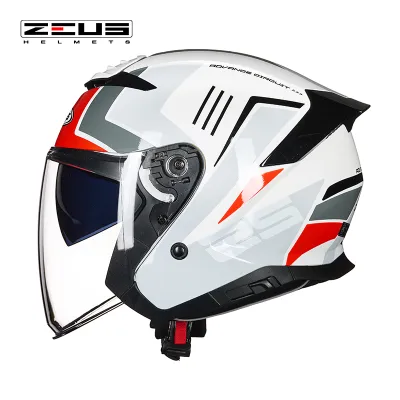
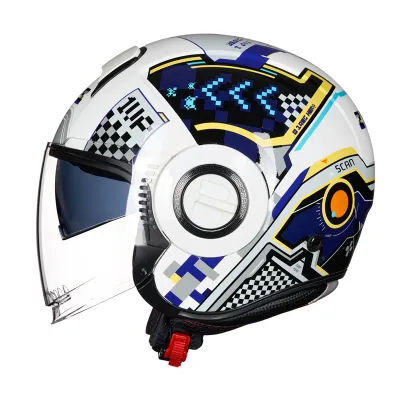
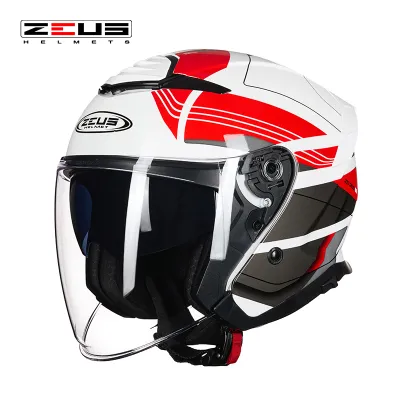
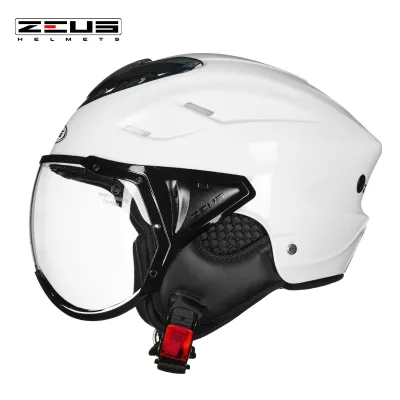
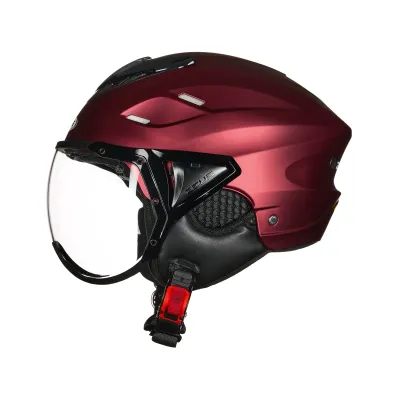
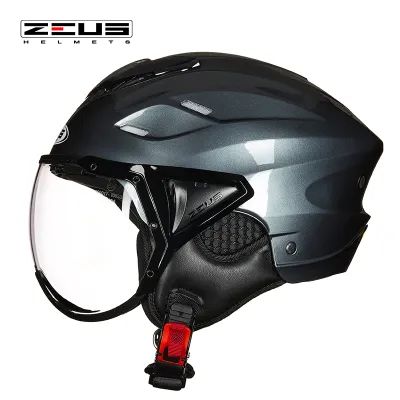
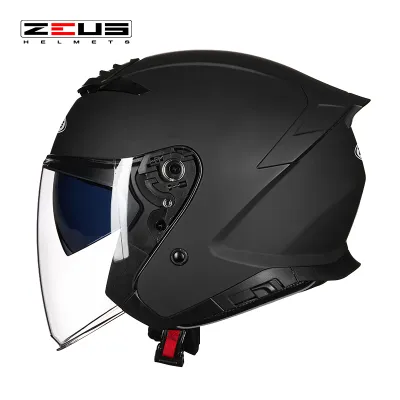
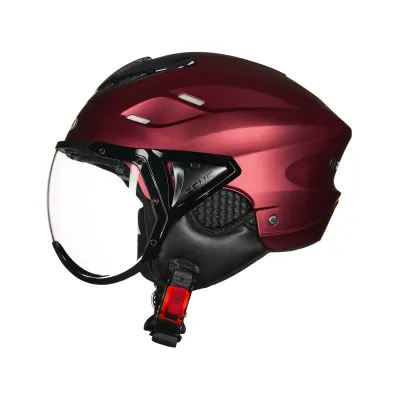
Prices are valid at publication and may change. Please refer to the product page for the latest price.
When setting your budget, it is crucial to separate non-negotiable safety requirements from optional aesthetic upgrades. Every rider needs a helmet that fits securely, offers clear visibility, and carries verified safety certifications. Features like custom graphic designs, integrated sun shields, or specialized aerodynamic spoilers are secondary enhancements. If your budget is tight, prioritizing a plain, solid-colored helmet with excellent safety ratings over a highly decorated model with lower-quality interior padding is always the smarter, safer choice.
Finally, your maximum spending limit must account for the total cost of ownership, not just the retail price of the helmet shell. When shopping online or visiting local physical shops, remember to factor in potential shipping fees, transit insurance, and the cost of essential immediate accessories. For instance, if you ride in highly humid conditions, you may need to reserve a portion of your budget for an anti-fog lens insert. Setting a comprehensive budget prevents unexpected expenses from pushing you past your comfortable spending limit at the cash register.
Key Features to Prioritize at Different Price Points
As you move up the price scale, the differences in helmet construction become apparent in the materials used, the complexity of the ventilation systems, and the refinement of the visor mechanisms. Understanding what to expect at each price tier allows you to identify where your money is going and whether a higher-priced model offers genuine utility for your specific riding style.

Regardless of the price tag, any legitimate helmet must meet baseline safety and construction standards. This includes a robust outer shell designed to distribute impact energy, a shock-absorbing expanded polystyrene (EPS) inner liner, and a secure retention system like a double D-ring or a micrometric buckle. As the price increases, manufacturers use more advanced manufacturing techniques to reduce weight, improve airflow, and enhance long-term durability without compromising these core safety elements.
Entry-Level Essentials
At the entry-level tier, focus your attention on securing a proper fitment and verifying basic safety credentials. Most budget-friendly helmets utilize an injection-molded polycarbonate or ABS plastic shell. While these materials are highly durable and excellent at absorbing impacts, they tend to be heavier than composite alternatives. When choosing an entry-level model, check the product packaging and the helmet shell itself for official certification labels, such as the Department of Transportation (DOT) mark, the Economic Commission for Europe (ECE) standard, or the local Import Commodity Clearance (ICC) and Philippine Standard (PS) stickers.
To stay within a strict budget, you must accept certain practical trade-offs. Entry-level helmets often feature simpler, single-density EPS liners and basic, non-adjustable ventilation ports. The visor mechanisms may require tools for replacement, and the overall weight of the helmet might be slightly higher. However, by accepting these minor inconveniences, you ensure that every peso of your budget goes toward verified structural safety rather than cosmetic extras.
Mid-Range Upgrades
Stepping up to a mid-range budget unlocks significant improvements in daily comfort and convenience. In this tier, you will find helmets featuring multi-density EPS liners that offer more sophisticated impact management. The interior padding is typically upgraded to moisture-wicking, hypoallergenic fabrics that are fully removable and washable—a vital feature for maintaining hygiene in hot, humid tropical climates.
Ventilation systems in mid-range helmets are generally more advanced, featuring adjustable intake vents and rear exhaust ports that create a functional venturi effect to pull hot air out of the helmet. Visors in this category often come with built-in UV protection, anti-scratch coatings, and preparation for anti-fog inserts. Additionally, manufacturers frequently design mid-range models with better aerodynamic profiles, reducing wind drag and buffeting at highway speeds, which significantly lowers rider fatigue during extended trips.
Premium Comfort and Technology
For riders who spend hours on the road or demand the highest level of refinement, premium helmets offer advanced materials and integrated technology. At this price point, shells are often constructed from lightweight composite fiberglass, carbon fiber, or proprietary fiber blends. These materials provide exceptional structural strength while drastically reducing the overall weight of the helmet, minimizing the physical strain on your neck and shoulders during long-distance tours.
Premium helmets also prioritize acoustic comfort and advanced shield mechanics. You can expect highly engineered neck rolls and chin curtains that seal out wind noise, alongside sophisticated quick-release visor mechanisms that allow for tool-free shield changes in seconds. Many premium models feature dedicated recesses for Bluetooth communication speakers and integrated routing for hydration systems. When deciding whether to invest in this top-tier category, evaluate whether your weekly mileage and comfort requirements justify the premium cost, or if a well-equipped mid-range model would serve your needs just as effectively.
How to Verify Safety and Authenticity Before Buying
With the rise of online shopping, ensuring that you are purchasing a genuine, certified helmet is critical. Counterfeit or substandard helmets may look identical to authentic models on a screen, but they lack the structural integrity required to protect your head during an impact. Always inspect product listings closely for clear, high-resolution images of safety certification stickers, manufacturer holograms, and official packaging.
Before purchasing on any ecommerce platform or online marketplace, cross-reference the seller’s authorization status. Reputable brands maintain lists of authorized physical dealers and official online flagship stores. If a seller’s name does not appear on these official channels, or if they cannot provide proof of authorization, it is safest to look elsewhere. Genuine sellers will gladly answer questions about the manufacturing date, batch number, and warranty coverage.
Be highly suspicious of listings that use terms like “factory reject,” “overstock,” or “OEM grade” to justify extremely low prices. Legitimate helmet manufacturers do not sell defective or rejected safety gear to the public; any helmet failing quality control is destroyed. Purchasing an unbranded or suspiciously discounted helmet means risking your safety on unverified materials that may shatter under pressure. Always prioritize buying from established, verified sources to guarantee you receive a fully certified product.
Hidden Costs and Final Checkout Checklist
To avoid exceeding your planned budget, calculate the total cost of your purchase before entering your payment details. If you are ordering your helmet from an overseas seller or a cross-border online store, factor in international shipping fees, local courier delivery charges, and any potential import duties or taxes. These additional fees can quickly turn a perceived bargain into an expensive purchase.
You should also budget for essential accessories that may not be included with the base helmet. For example, if you ride frequently in the early morning or during rainy afternoons, purchasing an anti-fog lens insert is highly recommended to maintain clear vision. Other practical accessories to consider include a protective padded helmet bag for storage, a tinted or mirrored visor for bright daytime riding, or replacement cheek pads to customize the fit as the original padding breaks in over time.
Before finalizing your order, carefully review the seller’s return and exchange policy. Because proper fitment is critical for safety, you must have a clear, hassle-free option to exchange the helmet if it does not fit your head shape correctly upon arrival. Verify who covers the return shipping costs for size exchanges and ensure the seller accepts returns for manufacturing defects. A robust return policy provides peace of mind and protects your financial investment.
Frequently Asked Questions (FAQ)
Can I buy a used Zeus helmet to save money?
Buying a used helmet is highly discouraged due to the invisible risks associated with secondhand safety gear. The expanded polystyrene (EPS) liner inside a helmet is designed to compress and absorb impact energy only once; after an impact, it does not return to its original shape, even if the outer shell looks completely undamaged. There is no reliable way to verify if a used helmet has been dropped, involved in a minor crash, or exposed to degrading chemicals and extreme heat. For your safety, it is always better to purchase a brand-new, certified entry-level helmet than a used premium model with an unknown history.
How do I know if a Zeus helmet fits correctly before it arrives?
To find your correct helmet size when shopping online, use a flexible measuring tape to measure the circumference of your head. Wrap the tape horizontally around your head, approximately one inch above your eyebrows and just above your ears, taking the measurement at the widest point. Compare this measurement in centimeters to the specific size chart provided by the manufacturer for that exact helmet model, as sizing can vary between different shell designs. When the helmet arrives, it should feel snug around your cheeks and forehead without causing sharp pain or localized pressure points; it should not rotate or slide when you shake your head.
Are cheaper Zeus helmets less safe in a crash?
All legitimately certified helmets, regardless of their retail price, must pass the same rigorous baseline safety tests to earn their certification stickers, such as DOT, ECE, or local regulatory marks. A certified budget-friendly helmet provides excellent impact protection that meets these established safety standards. When you pay a higher price for a premium helmet, you are primarily paying for advanced lightweight materials, superior noise reduction, enhanced ventilation, and more comfortable interior fabrics, rather than a higher level of basic impact survival. A properly fitted, certified budget helmet is always infinitely safer than an expensive, ill-fitting, or uncertified premium model.
Community discussion
Share your experience or ask a question. Comments are reviewed before publication.