
Choosing the right Faito clutch spring stiffness for your modified Suzuki Raider 150 is a balancing act between maximizing power transfer and maintaining a manageable lever pull. When you upgrade your underbone motorcycle with a larger carburetor, a high-compression piston, or a performance camshaft, the engine produces significantly more torque than the factory components were designed to handle. To prevent the clutch from slipping under this increased load, you must upgrade to stiffer clutch springs that provide sufficient clamping force to keep the friction plates locked together. The correct choice depends directly on your specific engine modifications, your riding environment, and your willingness to tolerate a heavier clutch lever.
Identifying Clutch Slip Symptoms on Your Modified Raider 150
Before purchasing new transmission parts, you must confirm that your Raider 150 is actually suffering from clutch slip rather than another mechanical issue. The most common sign of a slipping clutch is a sudden rise in engine RPM without a corresponding increase in road speed. This symptom typically occurs when you twist the throttle wide open in higher gears, accelerate hard from a standstill, or attempt to climb steep inclines.
You will hear the engine revving loudly, but the motorcycle will lag behind, failing to transfer that power to the rear wheel. This disconnect between engine sound and physical acceleration is a classic indicator that your clutch plates are sliding past each other instead of locking together.
Products mentioned in this guide
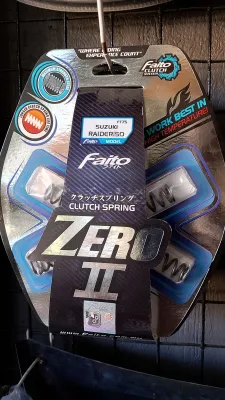


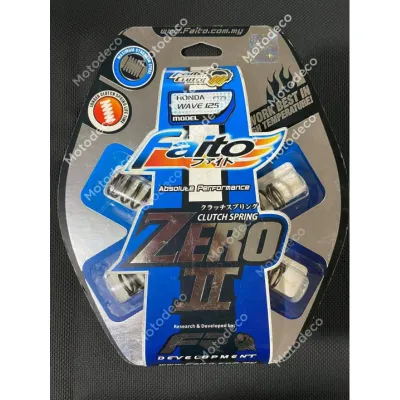
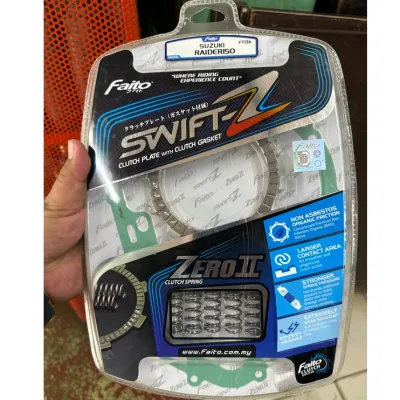
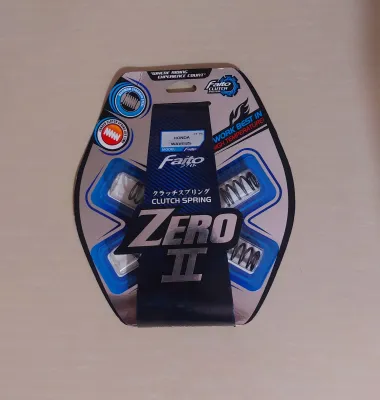
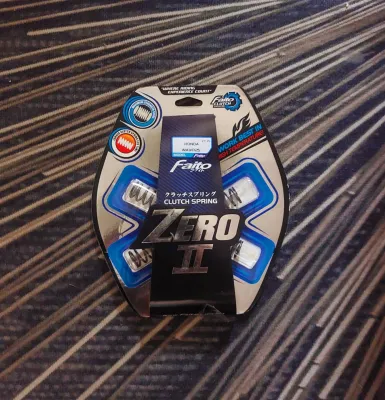

Prices are valid at publication and may change. Please refer to the product page for the latest price.
It is easy to confuse clutch slip with other common performance issues, such as a loose drive chain or poor carburetor tuning. A loose or worn drive chain can cause a jerking sensation or a popping sound under acceleration, but it will not cause the engine RPM to spike independently of your speed.
On the other hand, carburetor tuning issues, such as a lean bog or a flat spot in the powerband, usually cause the engine to hesitate, sputter, or lose power entirely. This is the opposite of clutch slip, where the engine revs freely without moving the bike forward.
Before you decide to disassemble your crankcase, perform a basic physical check of your clutch lever free play. The clutch cable must have a small amount of slack—typically 10 to 15 millimeters of play at the lever tip—to ensure that the clutch release mechanism is fully disengaged when the lever is released.
If the cable is adjusted too tightly, it will constantly pull on the clutch release shaft, mimicking the symptoms of worn friction plates or weak springs. Adjust the cable play first to see if the slipping behavior disappears before investing in new components.
Why Engine Upgrades Cause Clutch Slip
The Suzuki Raider 150 is highly popular in the Philippines for its tuning potential, but its stock clutch system is engineered strictly for factory power levels. When you install performance upgrades like a larger carburetor, a high-compression piston, or a high-lift camshaft, you alter the engine’s volumetric efficiency. These modifications allow the engine to burn more fuel and air, resulting in a sharp increase in torque output.

Because the stock clutch springs are designed to handle only the factory torque profile, they can no longer exert enough clamping force to keep the friction plates and steel plates pressed tightly together under heavy load. The increased mechanical stress simply overcomes the factory spring tension.
Inside the clutch assembly, power is transferred through friction. The clutch springs push the pressure plate against the clutch pack, squeezing the friction plates (which spin with the engine) against the steel plates (which connect to the transmission).
When the torque delivered by the crankshaft exceeds the frictional resistance generated by the stock springs, the plates begin to slide past each other instead of locking. This sliding generates intense heat, which quickly degrades the friction material and can warp the steel plates, leading to permanent damage.
Many riders attempt to resolve this issue by tightening the clutch cable or adjusting the lever play, but this is mechanically ineffective. Adjusting the cable only changes the point at which the clutch begins to disengage; it cannot increase the physical clamping force exerted by the springs inside the clutch basket.
Once the engine’s torque output surpasses the physical limits of the stock springs, the only reliable solution is to replace them with stiffer aftermarket options, such as those offered by Faito, to restore proper mechanical engagement.
How to Select the Correct Faito Clutch Spring Stiffness
Selecting the right Faito clutch spring stiffness requires a clear understanding of your motorcycle’s modification level and how you intend to use it. Faito offers clutch springs with varying levels of stiffness, often categorized for street, sport, or racing applications. You must verify your specific vehicle model year, engine type (carburetor vs. fuel-injected), and clutch interface dimensions from the product documentation before purchasing, as compatibility varies.
For a mildly modified Raider 150—such as one with an upgraded exhaust system, a slightly larger carburetor, or a remapped CDI—a sport-grade spring set is generally sufficient. These springs provide a moderate increase in clamping force over stock without making the clutch lever excessively stiff, making them ideal for daily commuting in congested urban areas.
If you have performed extensive engine modifications, such as installing a larger piston kit (bore-up), a stroker crankshaft, or a full racing cylinder head, you will need to look toward stiffer racing-grade springs. These high-stiffness springs are engineered to withstand the extreme torque spikes of highly tuned engines.
To identify the correct stiffness, always check the Faito product packaging, official catalogs, or consult with an authorized dealer. Look for specifications that match your engine’s displacement and estimated power output, and avoid simply buying the stiffest springs available without verifying your actual requirements.
Choosing springs that are excessively stiff for your setup carries significant trade-offs. Stiffer springs require more physical force to compress, resulting in a much heavier clutch lever pull. In the stop-and-go traffic of major Philippine cities, a heavy clutch can quickly cause severe hand fatigue and cramping.
Furthermore, the increased tension puts continuous mechanical stress on your clutch cable, the clutch lever pivot, and the internal actuator arm. Over time, this can lead to premature cable stretching, fraying, or even failure of the release mechanism, turning a performance upgrade into a reliability hazard.
Installation Checks and Preventing Future Slip
Replacing your clutch springs is an excellent opportunity to inspect the entire clutch assembly to ensure long-term reliability. Before installing your new Faito springs, drain the engine oil and remove the clutch cover to access the clutch pack. Carefully extract the friction plates and steel plates, and inspect them for signs of damage.
Look for glazing on the friction material, which appears as a shiny, glass-like surface, or dark blue discoloration on the steel plates, which indicates severe overheating. Use a flat surface, such as a piece of glass, and a feeler gauge to check the steel plates for warping; warped or glazed plates must be replaced alongside the springs to prevent continued slipping.
When installing the new Faito springs, precision is critical for proper operation. Ensure that each spring sits perfectly flat in its designated pocket on the clutch hub. Tighten the clutch spring bolts in a crisscross pattern, turning each bolt a few threads at a time to compress the springs evenly.
This prevents the pressure plate from binding or cocking to one side, which would cause uneven pressure distribution across the clutch pack. Always use a torque wrench to tighten the bolts to the exact torque specification listed in the Suzuki Raider 150 service manual, as over-tightening can easily strip the aluminum threads of the clutch sleeve hub.
Once the crankcase is reassembled and filled with fresh, high-quality motorcycle oil that meets JASO MA2 standards for wet clutches, you must readjust the clutch lever free play. Start the engine and allow it to reach operating temperature, then perform a short test ride to let the new springs settle.
Recheck the lever play after the initial ride, as the cable and components may stretch slightly under the new, higher spring tension. Regular inspection of the cable tension and keeping the cable well-lubricated will help maintain smooth clutch operation and prevent premature wear.
When to Stop and Consult a Professional Mechanic
While replacing clutch springs is a manageable task for many DIY enthusiasts, certain situations require the expertise of a professional mechanic. If you open the clutch cover and discover severe wear on the clutch basket splines—visible as deep grooves or notches where the friction plate tabs ride—the basket itself must be replaced.
Installing new springs in a notched clutch basket will not fix your issues, as the plates will get caught in the grooves and fail to engage or disengage smoothly. This can cause the motorcycle to creep forward even when the clutch lever is fully pulled in.
Additionally, if you encounter stripped threads in the clutch hub, a cracked pressure plate, or if you lack the specialized tools required for the job, it is best to stop immediately. Attempting to tighten clutch bolts without a reliable torque wrench often leads to broken bolts or stripped aluminum threads, which can turn a simple spring swap into an expensive repair.
If you install the new Faito springs and find that the clutch lever is completely bound, or if the clutch still slips despite having brand-new plates and springs, a professional diagnostic is necessary to identify underlying transmission or hydraulic issues.
Working on your motorcycle’s transmission carries inherent safety risks. A poorly assembled clutch can lock up while riding, leading to a loss of control and potential injury. Always prioritize safety by consulting the original vehicle manufacturer’s service manual, using the correct tools, and seeking help from a qualified mechanic at a reputable local shop if you are unsure of any step in the installation process. Professional labor for a clutch replacement in the Philippines typically ranges from ₱500 to ₱1,500, which is a worthwhile investment to ensure your motorcycle is safe and road-legal.
Frequently Asked Questions (FAQ)
Can I mix Faito clutch springs with stock springs?
No, you should never mix Faito clutch springs with stock springs, or combine springs of different stiffness ratings within the same clutch assembly. Mixing springs creates uneven pressure across the clutch pressure plate, causing it to tilt slightly when compressed.
This uneven clamping force leads to rapid, localized wear on specific sections of the friction plates, reduces overall power transfer, and can cause the clutch to drag or slip prematurely. Always replace your clutch springs as a complete, matched set to ensure uniform pressure distribution and reliable performance.
Will a stiffer clutch spring damage the Raider 150 clutch cable?
A stiffer clutch spring will not immediately break your clutch cable, but it does subject the entire actuation system to significantly higher mechanical stress. The increased force required to pull the lever accelerates cable stretch and increases the risk of fraying, particularly near the barrel ends at the lever and the engine bracket.
To prevent unexpected cable failure, you should inspect your clutch cable regularly for signs of wear, keep it thoroughly lubricated with a dedicated cable lubricant, and consider upgrading to a heavy-duty inner cable if you choose exceptionally stiff racing springs.
Community discussion
Share your experience or ask a question. Comments are reviewed before publication.