
Navigating unpredictable roads—ranging from waterlogged city streets during sudden downpours to gravel-strewn provincial paths—demands reliable splash protection and debris shielding for your motorcycle. Choosing between a flexible and a rigid mudguard for a motorcycle depends entirely on your typical riding environment: flexible rubber or polyurethane mudguards excel at absorbing heavy impacts and resisting cracks on rough, debris-heavy roads, while rigid ABS plastic or fiberglass options offer aerodynamic stability and structured, form-fitting splash coverage for paved highway commuting. Making the wrong choice can lead to premature component failure, poor water deflection, or even safety hazards if a loose guard interferes with your tires or suspension. By evaluating the material characteristics, structural demands, and installation requirements of each type, you can select an accessory that keeps both you and your motorcycle protected.
What are the core differences between flexible and rigid mudguards?
The core differences between flexible and rigid mudguards lie in their material composition, structural stiffness, and how they react to physical forces. Flexible mudguards bend and deform under pressure before returning to their original shape, whereas rigid mudguards maintain a fixed, molded profile to channel water away efficiently.
Flexible mudguards are typically manufactured from resilient materials such as heavy-duty rubber, polyurethane (PU), or soft polyvinyl chloride (PVC) blends. These materials are characterized by high elasticity, allowing them to twist, bend, and absorb impacts without sustaining permanent structural damage. Because of their pliable nature, they are often designed as flat flaps or semi-curved guards that hang from existing bodywork, requiring minimal rigid structural support.
Products mentioned in this guide
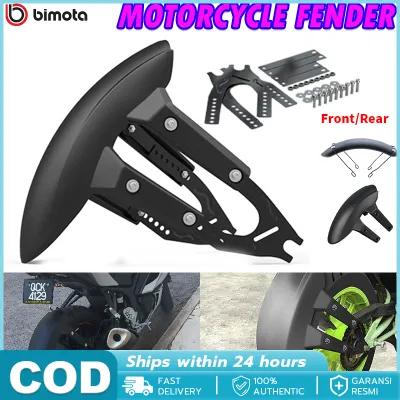
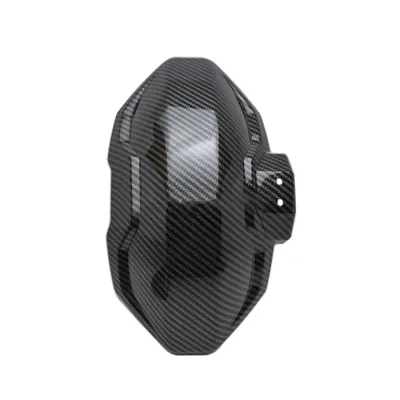
7 Lazada user ratings
🔨Durability:good 🔌Compatibility:yea 🛠️Ease of Installation:yes
may damage ang item ko
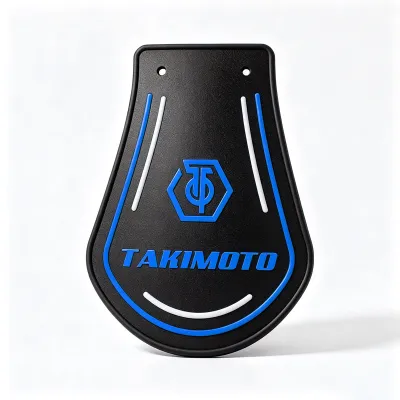
19 Lazada user ratings
dumating na at naikabit ko na din sa ebike ni misis, effective siya at madali lang ikabit. Thank you seller. order ako ulit para sa likod nm…Read full reviewShow less
dumating na at naikabit ko na din sa ebike ni misis, effective siya at madali lang ikabit. Thank you seller. order ako ulit para sa likod nman
salamat kay kuya rider.. okay naman wala siya damage sana tumagal 🛠️Durability:giod 🔌Compatibility:good 🔧Ease of Installation:good
2nd order ko na to okay na okay ang bilis dumating..naikabit ko na din this time sa likod nman, thank you seller.
maganda ang product
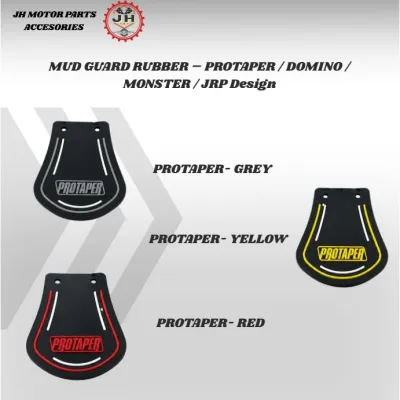
586 Lazada user ratings
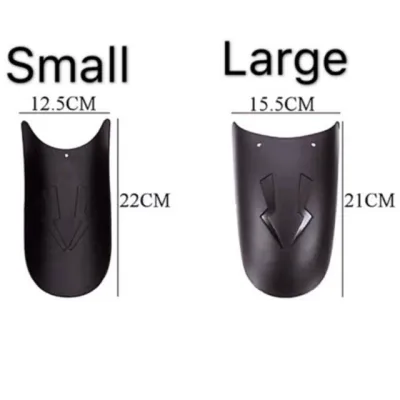
Keeps my bike clean and mud-free!, Great fender extension, perfect fit!, Durable and heavy-duty, built to last!, Perfect for off-road advent…Read full reviewShow less
Keeps my bike clean and mud-free!, Great fender extension, perfect fit!, Durable and heavy-duty, built to last!, Perfect for off-road adventures!, Easy to install, hassle-free experience!,
Maganda ang klase ng materyales matibay sigurado tatagal ito maganda ang design madali Lang I install kumpatible naman pwede mong ma fit mar…Read full reviewShow less
Maganda ang klase ng materyales matibay sigurado tatagal ito maganda ang design madali Lang I install kumpatible naman pwede mong ma fit maraming salmat
Design:Great fender extension, perfect fit!, Provides excellent protection against mud and dirt!, Perfect for off-road adventures!,
Quality:sulit Appearance:gwapo Performance:qualityGreat fender extension, perfect fit!,
Prices are valid at publication and may change. Please refer to the product page for the latest price.
In contrast, rigid mudguards are constructed from hard, molded plastics like Acrylonitrile Butadiene Styrene (ABS), fiberglass, or lightweight carbon fiber composites. These materials are engineered to hold a precise, pre-shaped contour that closely mirrors the curve of your motorcycle’s tire. Rigid mudguards require dedicated mounting points, stiff metal or plastic brackets, and secure fastening hardware to remain stable under wind resistance and high-speed vibrations.
When inspecting these components on an online marketplace or at a local motorcycle accessory shop, you can physically evaluate their build quality. For flexible options, check the thickness of the material and test its elasticity; high-quality rubber should quickly snap back to its original shape without leaving visible crease lines. For rigid options, run your fingers along the edges to check for uniform thickness, inspect the molded mounting tabs for structural reinforcements, and verify that there are no hairline fractures or molding blemishes that could fail under stress.
How do material properties affect durability on uneven or flooded roads?
Material properties directly dictate how a mudguard survives the constant vibrations, flying stones, and deep water resistance encountered on local roads. Flexible materials excel at absorbing sudden impacts without cracking, while rigid materials provide stable structural integrity but are more susceptible to fracturing under severe stress or debris strikes.

Impact resistance is a primary differentiator when riding on uneven surfaces. A flexible rubber or polyurethane mudguard naturally deforms when struck by a large stone, kicked-up gravel, or when scraping against a high curb or speed bump. This ability to deflect energy prevents the mudguard from snapping, making it highly durable in rugged environments. Conversely, a rigid ABS or fiberglass mudguard, while highly resistant to minor scratches and wind drag, can crack or shatter if subjected to a direct, high-velocity impact from road debris or if forced against an obstacle during deep pothole encounters.
Vibration tolerance is another critical factor, as constant engine and road vibrations put immense stress on mounting hardware. Rigid mudguards transmit these vibrations directly to their mounting brackets and the motorcycle’s frame. Over time, this continuous stress can lead to material fatigue around the bolt holes, causing the plastic to crack or the fasteners to back out if they are not properly isolated with rubber dampening washers. Flexible mudguards naturally damp vibrations due to their soft material structure, which reduces the mechanical stress transferred to the mounting brackets, though they must still be secured properly to prevent excessive fluttering at high speeds.
Environmental resistance must also be verified by checking product labels and manufacturer specifications. Intense tropical sunlight and high engine temperatures can accelerate the degradation of low-grade plastics and rubbers. Look for mudguards that explicitly state they are UV-stabilized to prevent fading and brittleness over time. On flooded roads, the physical drag of water presents different challenges: a flexible mudguard may bend backward under the force of deep water, potentially contacting the rotating tire if clearance is insufficient, while a rigid mudguard resists water drag but can trap heavy, wet mud underneath, increasing the load on its brackets until they bend or break.
Which design offers better splash protection during heavy rain?
The effectiveness of splash protection during heavy rain is determined by the mudguard’s physical coverage area, contour shape, and tire clearance rather than its material stiffness alone. A well-contoured rigid mudguard that closely follows the tire’s radius generally provides superior water channeling at high speeds, whereas a flexible mudguard often requires a larger surface area or an added flap to achieve comparable protection.
To block water, mud, and road grime effectively, a mudguard must cover a sufficient arc of the tire’s circumference. Rigid mudguards are engineered with specific aerodynamic channels, raised center ridges, and flared edges that actively direct water downward and away from the engine bay, radiator, and the rider’s legs. Because they maintain their shape under wind pressure, they keep water contained within these channels even at highway speeds. If the clearance between the tire and a rigid mudguard is too tight, however, thick mud can accumulate and clog the space; if it is too wide, water spray can escape sideways.
Flexible mudguards, due to their tendency to flutter or bend in the wind, may allow water spray to escape around the sides if they lack structural support. To compensate for this, many riders utilize a hybrid setup, adding a flexible rubber flap or extension to the bottom of a rigid mudguard. This configuration allows the rigid portion to maintain aerodynamic stability and precise channeling near the tire, while the flexible extension hangs lower to block low-angle spray from reaching the engine or trailing riders, bending safely if it contacts a speed bump or road debris.
Before purchasing any mudguard for a motorcycle, you must measure your specific tire dimensions and calculate the required coverage length. Ensure the mudguard’s inner width is at least 10 to 15 millimeters wider than your tire to prevent rubbing during high-speed tire expansion or under heavy suspension loads, ensuring consistent splash protection without compromising tire safety.
What installation and maintenance factors should you check before buying?
Before purchasing a mudguard, you must verify its physical compatibility with your motorcycle’s mounting points and ensure its installation does not interfere with critical safety components. Improperly fitted mudguards can compromise your steering, damage brake lines, or even lock up a wheel during suspension compression.
Always consult your motorcycle’s original manufacturer manual and the mudguard’s product documentation to verify fitment for your specific make, model, and year. Do not rely solely on generic “universal fit” claims, as mounting hole spacing, fork widths, and bracket offsets vary widely between different motorcycle designs. A mudguard that is not designed for your specific fork or swingarm interface can lead to loose mounting, rubbing, or structural failure while riding.
During the installation process, perform a series of physical checks to ensure there is no interference with the motorcycle’s operation. Compress the front forks fully and turn the handlebars from lock to lock to verify that the mudguard does not pinch brake lines, pull electrical wiring, or contact the radiator or exhaust pipe. For rear mudguards, or tire huggers, verify that the unit does not hit the under-seat tray, chain guard, or rear shock absorber when the suspension is fully compressed under load. Any contact between the mudguard and moving parts can lead to sudden component damage or a loss of vehicle control.
Routine maintenance is essential to keep both flexible and rigid mudguards functioning safely. Regularly clean the underside of the mudguard using mild soap and water to remove accumulated mud, road salt, and debris, which can add unnecessary weight and accelerate bracket corrosion. Inspect metal brackets periodically for signs of rust or stress cracks, and verify that all fasteners are tightened to the manufacturer’s torque specifications. If a mudguard requires modifying your motorcycle’s structural components, drilling into the swingarm, or rerouting brake lines, stop the installation immediately and consult a qualified professional mechanic to ensure the modifications do not compromise your vehicle’s safety or road legality.
How to choose the right mudguard for your specific riding conditions?
Choosing the right mudguard requires matching the material’s physical strengths to your daily riding routes, balancing long-term durability against your budget. By evaluating where and how you ride, you can select a configuration that minimizes maintenance costs and maximizes protection.
For daily city commuters who primarily navigate paved roads, occasional potholes, and wet highway spray, a rigid ABS mudguard is highly suitable. It offers a clean, aerodynamic fit that keeps water off your shoes and engine while maintaining its visual appeal over time. For riders in provincial areas, off-road enthusiasts, or those who frequently navigate unpaved, gravel-strewn, or heavily rutted roads, a flexible polyurethane or rubber mudguard is recommended to withstand constant debris impacts and ground scrapes without cracking.
Before finalizing your purchase on any online marketplace, go through a quick verification checklist. Review the seller’s return policy and warranty terms to ensure you can return the item if physical compatibility issues arise during test fitting. Verify that the package includes all necessary mounting brackets, rubber dampening washers, and corrosion-resistant bolts, as missing hardware can delay installation or lead to insecure mounting.
Budget considerations also play a role in your decision. Prices for replacement mudguards generally range from ₱200 for basic flexible rubber flaps to ₱1,500 or more for high-quality, model-specific rigid ABS or fiberglass tire huggers. While a rigid mudguard may have a higher initial cost, prioritizing a durable, UV-stabilized material prevents premature cracking and saves money on replacements. However, if you frequently ride in extreme off-road conditions where physical damage is highly likely, opting for affordable, easily replaceable flexible options can be a more cost-effective long-term strategy.

Community discussion
Share your experience or ask a question. Comments are reviewed before publication.