
Upgrading the shift knob on your manual Ford Ranger is a practical way to customize your cabin, but achieving a secure fit requires careful attention to physical compatibility. Because Ford has updated the Ranger’s transmission designs across different generations, there is no single universal fitment that applies to every model year. To ensure a replacement knob functions safely, you must verify the exact thread specifications of your shift lever and determine whether your vehicle uses a reverse lockout mechanism.
How to Verify Thread Size and Pitch
To find a compatible shift knob, first check your vehicle’s owner’s manual or original documentation for your specific model year. If the documentation does not list the thread pitch, you can measure the thread diameter and pitch of the factory shift lever once the original knob is removed. Using a physical thread pitch gauge, available at local hardware stores, is the most reliable way to confirm these measurements before purchasing an aftermarket part. Visual estimation is highly unreliable and often leads to cross-threading, which can permanently ruin the threads on your shift lever.
Never force a knob onto the lever; if it does not thread on smoothly by hand, the pitch or diameter is incorrect. Forcing a mismatched knob will strip the threads, requiring an expensive replacement of the entire shifter assembly. Always verify the exact thread specifications from your vehicle’s documentation before making a purchase.
Products mentioned in this guide
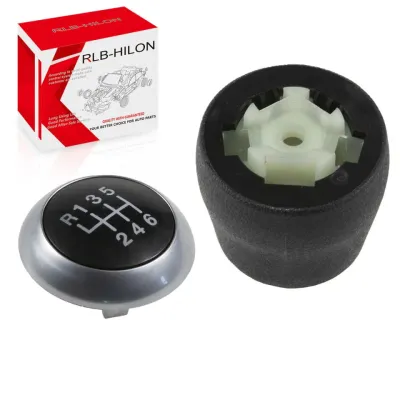
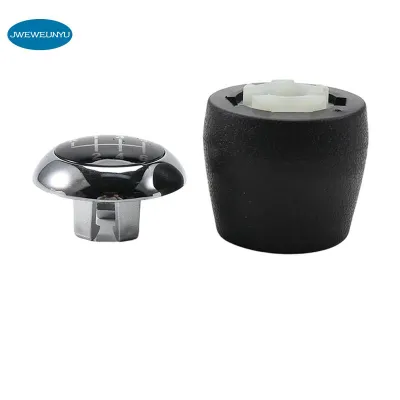
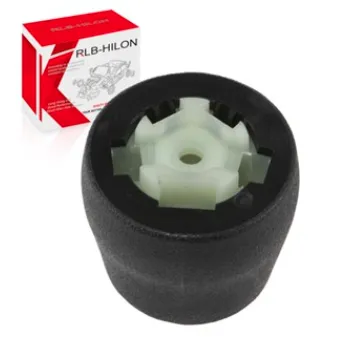
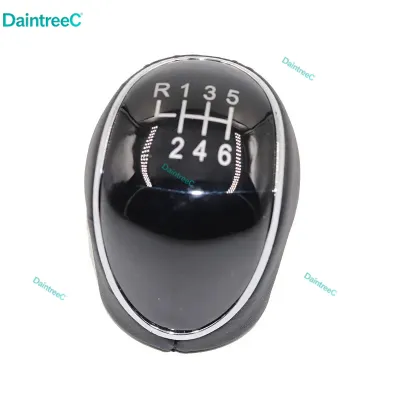
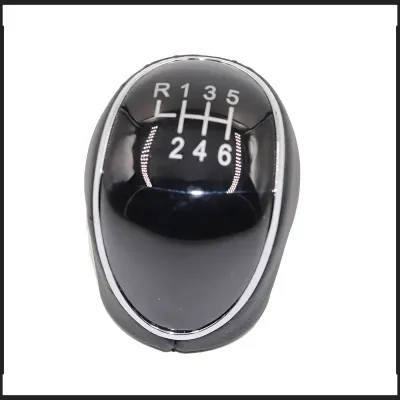
![[Odoh2P] Car Leather Shift Knob 5/6 Speed Manual For Ford Ranger 2024 2023 2022 2021 2020 2019 2018 2017 2016 2015 2014 2013 2012 2011](https://img.lazcdn.com/g/p/50d52de7f7aed0f4f5284174b6323f59.jpg_webp_400x400q80.jpg_.webp)
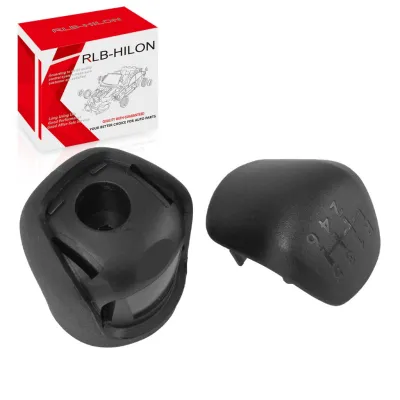
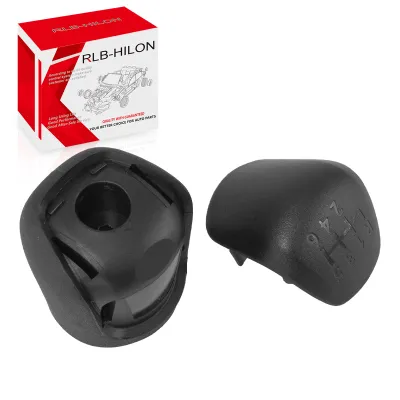
Prices are valid at publication and may change. Please refer to the product page for the latest price.
Reverse Lockout and Functional Compatibility
Many modern manual transmissions, including several generations of the Ford Ranger, utilize a reverse lockout mechanism to prevent drivers from accidentally shifting into reverse while moving forward. This mechanism often takes the form of a pull-up ring, a push-down collar, or a lift collar located directly beneath the shift knob. Before buying a new knob, you must identify the specific style of reverse lockout on your Ranger.

A compatible aftermarket knob must have a recessed base or a specific hollow cavity to accommodate the upward movement of this lockout collar. If the knob’s base is too wide or lacks this recess, the collar will be blocked, preventing you from engaging reverse gear. Many universal shift knobs do not feature this integrated clearance.
Attempting to install a standard flat-bottomed knob on a shifter with a pull-up reverse lockout can leave you unable to back up, or worse, bypass the safety feature entirely, risking accidental transmission damage while driving. Always check the interface design of the replacement knob to ensure it is explicitly compatible with your vehicle’s lockout style.
When You Need a Shift Knob Adapter
If you find an aftermarket shift knob you love but its thread pattern does not match your Ranger’s factory lever, you will need a shift knob adapter. These adapters typically feature an inner thread that matches your factory lever and an outer thread that fits the new knob. When selecting an adapter, pay close attention to its height and design.
An poorly designed adapter can raise the overall height of the shifter, which alters your ergonomic grip position and increases the leverage applied to the shift linkage. It can also leave unsightly threads exposed at the base, ruining the clean look of your interior. Material choice for the adapter is critical for safety.
Avoid cheap plastic adapters that can easily crack or strip under the stress of daily driving. Opt for high-quality metal adapters, such as brass or aluminum, which provide the structural rigidity needed to handle frequent gear changes without loosening over time.
Weight, Material, and Ergonomic Considerations
The weight of your new shift knob directly affects how your transmission feels during gear changes. While a moderately weighted knob can make shifts feel smoother by using momentum to guide the lever into gear, excessively heavy knobs can cause long-term mechanical issues. A heavy knob constantly resting on the shifter can apply continuous pressure to the internal shift forks and synchronizers, leading to premature wear.
Material selection is also a key comfort factor, especially in the tropical climate of the Philippines. Metal shift knobs, such as machined aluminum, absorb ambient temperatures rapidly. If your Ranger is parked under the sun, a solid metal knob can become painfully hot to the touch, while in air-conditioned cabins, it can feel freezing. Wrapped leather, high-durability plastics, or weighted resin options offer much better temperature tolerance and a more reliable grip in humid conditions.
Ensure the overall shape and diameter of the knob fit your hand comfortably. In heavy, stop-and-go traffic, you will be shifting gears constantly, making ergonomic comfort essential to prevent hand fatigue.
Installation Safety and Professional Checks
Modifying any control interface of your vehicle carries inherent safety responsibilities. When installing your new shift knob, always refer to the manufacturer’s instructions and use the correct tools, such as a soft-jaw wrench or specific Allen keys, to avoid scratching the new parts or damaging the shift lever. Before starting your engine or driving, perform a thorough stationary test.
With the vehicle parked and the engine completely off, depress the clutch and cycle through every single gear. Pay close attention to the reverse lockout mechanism to ensure it engages and disengages smoothly without binding. If you experience any resistance, if the knob feels loose, or if the reverse lockout fails to function correctly, stop the installation immediately.
Do not drive the vehicle with an improperly secured shift knob. If you are unsure about the fitment, the installation process, or the road safety impact of the modification, consult a qualified mechanic to ensure your vehicle remains safe to operate.
Frequently Asked Questions (FAQ)
Can I use a universal shift knob on my Ford Ranger manual?
While universal shift knobs are widely available, they rarely match the factory thread pitch of a Ford Ranger perfectly and usually require a specific adapter sleeve. Additionally, many universal options lack the necessary clearance or recess for the reverse lockout collar, which can prevent you from safely engaging reverse gear.
Will a heavier shift knob damage my manual transmission?
A moderately weighted knob can improve shifting feel, but an excessively heavy knob can cause damage over time. The constant weight can put unnecessary pressure on the transmission’s internal shift forks and synchronizers, accelerating wear. It is best to choose a knob close to the factory weight or within the manufacturer’s recommended limits.
How do I remove the factory shift knob without damaging the boot?
Removal methods vary by model year; some factory knobs thread off counterclockwise, while others are secured by hidden grub screws or a press-fit collar. To protect your interior, wrap protective tape around the base of the knob and the top of the shift boot before using any tools, preventing accidental tears or scratches to the leather and plastic trim.
Community discussion
Share your experience or ask a question. Comments are reviewed before publication.