
Choosing the right motorcycle footwear is a balance between safety on the road and comfort off the bike. For riders in the Philippines, this decision is further shaped by extreme weather transitions, dense urban gridlock, and long provincial highways. If your daily routine consists of navigating stop-and-go city traffic, short trips to the office, and walking around malls or business districts, commuter-focused footwear from Forma provides the necessary flexibility, breathability, and casual style. Conversely, if your weekends are filled with long-distance provincial tours, sustained highway speeds, and unpredictable weather across mountain passes, touring boots are essential to provide maximum structural support, weatherproofing, and impact protection.
To make the most practical investment, base your purchase on your 80% use case. While it is tempting to buy a single pair of boots for every possible riding scenario, understanding how commuter and touring designs differ in construction, protection, and daily usability will help you select the gear that matches your actual riding habits.
Quick Answer: Which Boot Style Fits Your Riding Routine?
When choosing between commuter and touring boots, the decision comes down to where and how you spend most of your time on two wheels. Commuter boots are designed primarily for the urban rider, prioritizing walkability, high breathability, and low-speed maneuverability to handle the challenges of stop-and-go city traffic. They offer a lightweight, flexible construction that allows you to transition seamlessly from your motorcycle to an office or social environment without needing to change your footwear.
Products mentioned in this guide
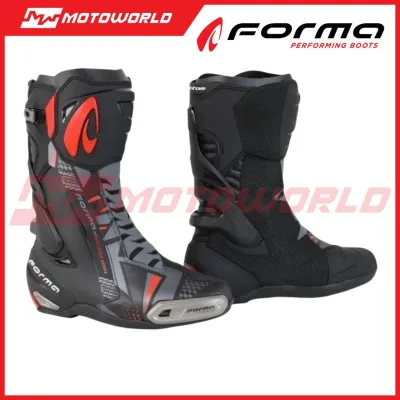
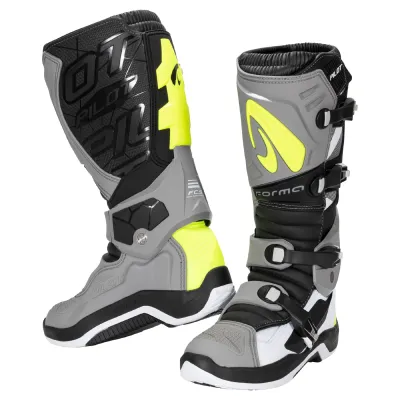
Prices are valid at publication and may change. Please refer to the product page for the latest price.
In contrast, touring boots are built for the open road, focusing on extended ankle support, comprehensive weather protection, and high-speed impact resistance. These boots are designed to keep your feet secure and dry over hundreds of kilometers of highway travel, though they sacrifice walkability and thermal comfort in slow-moving traffic. To get the best value and performance, you should evaluate your weekly riding patterns and select the boot style that aligns with your primary riding environment.
Protection and Support: City Traffic vs Highway Speeds
Commuter boots are engineered to address the specific risks of low-speed urban riding while accommodating the physical demands of walking. These boots typically feature a lower-cut design, often ending just above the ankle bone, which allows for maximum joint mobility. The soles are designed with moderate flexibility to facilitate natural foot movement when shifting gears, braking, and planting your feet on uneven city streets. Protection in commuter models is concentrated on key impact areas, incorporating reinforced toe boxes, heel cups, and internal ankle discs. This lightweight armor is highly effective for low-speed drops, minor slides, and shielding your feet from the heat of the engine during prolonged idling in heavy traffic.

Touring boots, on the other hand, are built for high-velocity environments where the forces involved in a crash are significantly higher. These boots feature a much taller shaft, often extending mid-calf or up to the shin, which provides a physical shield against flying road debris, engine heat, and impact. The ankle protection is highly structured, utilizing rigid external or internal bracing systems designed to prevent hyperextension and lateral twisting during a high-speed slide. Furthermore, the soles of touring boots are exceptionally stiff, reinforced with internal steel or composite shanks. This rigidity not only protects the foot from crushing forces but also reduces arch fatigue by distributing your weight evenly across the footpegs during hours of continuous riding.
When evaluating the safety of any Forma boot, it is crucial to look beyond the external styling and verify the official safety credentials. Every reputable motorcycle boot should carry a CE certification label conforming to the EN 13634 standard. This label, typically sewn inside the boot, features a pictogram of a motorcyclist followed by four numbers representing performance levels for height, abrasion resistance, impact cut resistance, and transverse rigidity of the sole. A rating of ‘1’ indicates basic protection, while a ‘2’ signifies a higher level of performance. Because protection levels vary by exact model, manufacturing year, and regional specifications, always locate this physical tag to confirm the boot meets your safety expectations before finalizing your purchase.
Weather Adaptability: Navigating Heat and Heavy Rain
The tropical climate of the Philippines presents a unique challenge for gear selection, demanding a choice between maximum airflow and absolute water resistance. Commuter boots designed for warm climates frequently utilize heavily perforated leather, mesh panels, or advanced textile uppers. This open construction allows air to circulate freely around the foot, which is critical for comfort when stuck in slow-moving traffic under the intense midday sun. However, the primary trade-off of high breathability is a lack of water resistance. During sudden afternoon downpours or the heavy rains of the monsoon season, water will easily penetrate these ventilation zones, leaving you with soaked socks and boots that may take days to dry completely.
Touring boots prioritize weather isolation to keep your feet dry and comfortable over hundreds of kilometers of highway travel. These boots typically rely on premium full-grain leather uppers paired with an integrated waterproof and breathable membrane, such as Forma’s proprietary Drytex lining. This multi-layered construction prevents external water from entering while allowing internal moisture vapor to escape, ensuring your feet remain dry even when riding through standing water or prolonged torrential rain. The trade-off for this comprehensive weather protection is heat retention. In the absence of direct, high-speed airflow, the insulating properties of a waterproof membrane can make touring boots feel excessively hot and sweaty when you are trapped in urban gridlock.
To navigate these climate challenges effectively, riders must carefully consult the manufacturer’s specification sheets before buying. Do not assume that all touring boots are waterproof, as some models are specifically designed for summer touring with perforated panels and no internal membrane. Similarly, some modern commuter boots feature specialized water-resistant treatments or lightweight membranes that offer a middle ground, providing temporary protection against light rain without completely sacrificing the airflow needed for city riding.
Walkability and Off-Bike Convenience
For many daily riders, the journey does not end when the motorcycle is parked. Commuter boots excel in transitional environments where you must seamlessly shift from riding to walking. These boots are often designed with a casual, sneaker-like aesthetic that blends effortlessly into office settings, university campuses, or social venues. Because they utilize flexible soles and lightweight materials, they do not restrict your natural gait, allowing you to walk long distances, climb stairs, or stand for extended periods without discomfort. This convenience eliminates the need to carry an extra pair of shoes in your backpack or top box, making them highly practical for daily errands and professional commutes.
In contrast, touring boots are highly specialized tools that prioritize on-bike safety and long-distance comfort over off-bike walkability. The rigid soles, stiff ankle support, and tall shin plates that protect you on the highway create a stiff, clunky walking experience. Walking long distances in touring boots can quickly lead to shin splints, heel blisters, and general foot fatigue. Additionally, the rugged, technical appearance of full-height touring boots can look out of place in professional or casual social settings. If your destination requires significant walking, you will almost certainly need to pack a secondary pair of casual shoes to change into once you park.
When choosing between these two styles, take a realistic look at your daily routine and parking scenarios. If your commute involves parking your motorcycle and immediately walking through a large office complex, or if you frequently use public transportation to complete the last mile of your journey, the lifestyle advantages of a flexible commuter boot are undeniable. However, if your rides consist of traveling from point A to point B with minimal walking required at either end, the walking limitations of a touring boot become a minor inconvenience compared to the superior protection they offer on the open road.
Forma Boot Feature Comparison Matrix
To help visualize the practical differences between these two categories, the following matrix summarizes the typical design characteristics of commuter and touring boots. Keep in mind that individual models within the Forma lineup may feature unique combinations of these traits.
| Feature Dimension | Commuter Boots (Typical Design) | Touring Boots (Typical Design) |
|---|---|---|
| Shaft Height | Low-cut (ankle height) to mid-top | High-cut (mid-calf to shin height) |
| Sole Flexibility | Flexible to moderate; designed for walking | Stiff and rigid; reinforced with internal shank |
| Primary Weather Focus | High breathability via mesh or perforations | Weatherproofing via waterproof membranes |
| Walkability | High; comparable to casual sneakers or light boots | Low; stiff construction limits natural stride |
| Ideal Riding Scenario | Short city commutes, urban filtering, daily errands | Long-distance touring, highway cruising, adventure riding |
Note: Specific features, materials, and exact safety certifications depend entirely on the individual Forma model. Always verify the specifications on the product tag, user manual, or official manufacturer documentation before making a purchase.
The Decision Framework: How to Make Your Final Choice
Selecting the perfect pair of boots requires a clear assessment of your riding environment, typical distances, and safety priorities. Rather than buying gear based on occasional, long-distance trips you might take once a year, focus on the riding conditions you encounter on a weekly basis.
Choose Commuter Boots if:
- Your typical rides are under 50 kilometers per trip.
- You spend the majority of your riding time in heavy city traffic with frequent stops.
- You require footwear that can be worn comfortably all day at work, school, or social gatherings.
- You prioritize maximum ventilation to combat high tropical humidity at low speeds.
Choose Touring Boots if:
- You frequently travel long distances on provincial highways or expressways.
- Your rides involve sustained high speeds where impact and abrasion risks are elevated.
- You regularly ride through unpredictable weather conditions and require guaranteed waterproofing.
- You carry heavy luggage or ride a larger motorcycle where extra ankle support is needed to manage the bike's weight.
Verify First if:
- You are considering a hybrid, urban-touring, or 'adventure-lite' model from Forma. These crossover designs attempt to bridge the gap by offering mid-height shafts, moderate sole flexibility, and basic weatherproofing. While highly versatile, you must carefully study the manufacturer's spec sheets to ensure the hybrid boot does not compromise too much on the specific protection or comfort features your primary riding scenario demands.
Frequently Asked Questions (FAQ)
Can I use touring boots for daily city commuting?
While it is physically possible to wear touring boots for your daily commute, it is generally not recommended for dense urban environments. The stiff construction and heavy-duty materials of touring boots can lead to rapid foot fatigue during frequent gear shifts and constant foot-planting in stop-and-go traffic. Furthermore, the lack of ventilation in waterproof touring boots will likely cause your feet to overheat and sweat excessively in slow-moving city traffic. You should only consider commuting in touring boots if your daily route consists primarily of long, uninterrupted highway stretches where the added protection outweighs the loss of comfort and flexibility.
Are commuter boots safe enough for highway riding?
Commuter boots provide basic, essential protection that is far superior to regular sneakers or casual footwear, but they are generally not designed to handle the forces of high-speed highway incidents. The lower-cut profile of commuter boots leaves your shins and upper calves exposed to impacts and road debris, and their flexible soles offer less resistance against crushing forces. If you plan to ride at sustained highway speeds on expressways or provincial roads, you should verify the CE rating of your specific commuter boot. For regular highway travel, upgrading to a dedicated touring boot with comprehensive ankle bracing and shin protection is highly recommended to ensure your safety.

Community discussion
Share your experience or ask a question. Comments are reviewed before publication.