
Determining whether a Formula 81 caliper or a competing brand is better for your motorcycle depends entirely on your specific bike model, riding style, and mechanical compatibility. There is no universal winner in the aftermarket braking space; instead, the right choice requires verifying piston configurations, mounting bracket fitment, and master cylinder matching. Upgrading your motorcycle’s braking system is one of the most critical safety modifications you can perform, especially when navigating the demanding stop-and-go traffic and wet road conditions common in the Philippines.
Before purchasing any aftermarket caliper, you must evaluate how a change in hydraulic volume affects your overall braking system. A caliper that is physically larger or has more pistons is not automatically an upgrade if it is mismatched with your existing master cylinder or brake lines. By focusing on verifiable specifications, installation requirements, and long-term maintenance costs, you can make an informed decision that enhances both safety and control on the road.
Understanding the Formula 81 Caliper Profile
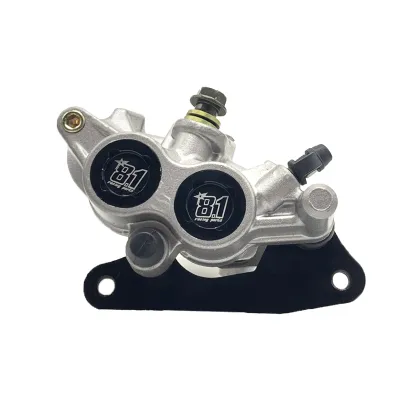
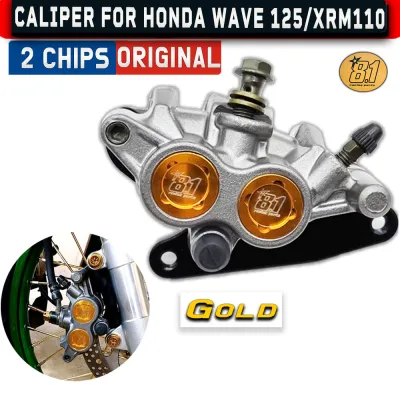
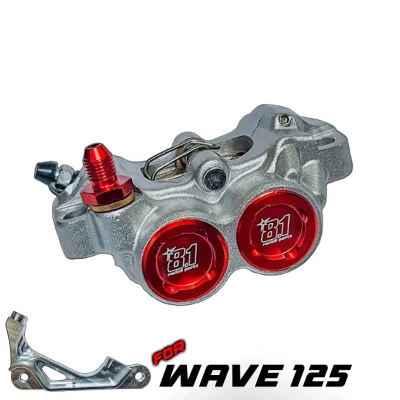
To evaluate the Formula 81 caliper effectively, you must first identify its baseline specifications and intended use cases. This brand has gained traction among riders of underbones, scooters, and light motorcycles who are looking for an alternative to stock components. However, before committing to a purchase, you must verify the specific piston configuration, bore size, and body material by checking the manufacturer’s label or official product documentation.
Products mentioned in this guide
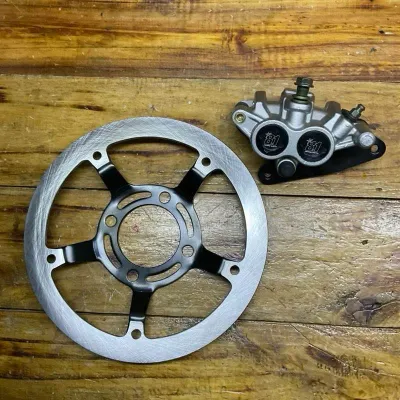
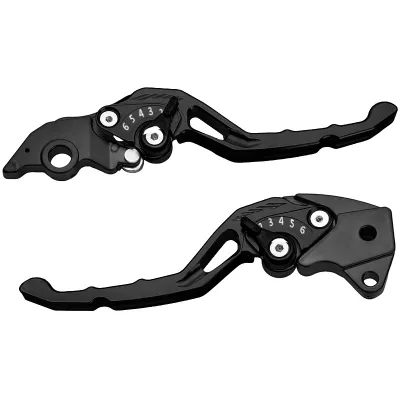
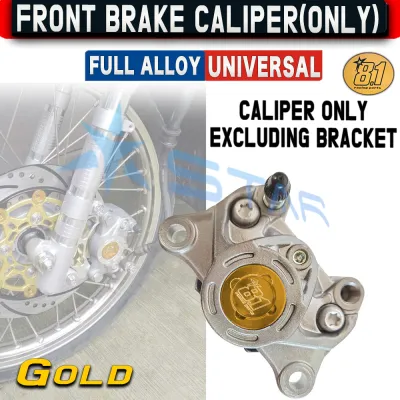
Prices are valid at publication and may change. Please refer to the product page for the latest price.
Most Formula 81 calipers are designed for light-to-medium displacement motorcycles, which typically feature single or dual-piston setups. You can determine the caliper’s physical footprint and mounting design by measuring the distance between the mounting holes on the caliper body. This measurement is crucial because it dictates whether the caliper can bolt directly to your motorcycle’s fork legs or if it requires a specialized adapter bracket.
Additionally, you must check the included hardware and recommended brake fluid types stated in the product manual. Many aftermarket calipers specify the use of either DOT 3 or DOT 4 brake fluid. In the tropical climate of the Philippines, where high humidity can accelerate moisture absorption in brake fluid, using the correct fluid grade and performing regular flushes is vital to prevent brake fade. Always verify that the banjo bolts and sealing washers included in the kit match the thread pitch of your existing brake lines to avoid fluid leaks.
Key Dimensions for Comparing Brake Calipers
When comparing Formula 81 against other aftermarket or OEM brands, you should rely on a structured framework of verifiable specifications rather than unproven performance claims. The first dimension to evaluate is the piston configuration and size. A caliper with multiple pistons (such as a four-piston design) distributes clamping force over a larger surface area on the brake pad. However, you must compare this configuration against your motorcycle’s weight and the displacement of your master cylinder. If the caliper’s total piston surface area is too large for your stock master cylinder, you will experience a soft, spongy lever feel that reduces braking efficiency.

The second dimension is the material and build quality of the caliper body. Most entry-level aftermarket calipers are made from cast aluminum, which offers a balance of strength and affordability. In contrast, premium calipers are often CNC-machined from billet aluminum. CNC-machined calipers generally provide higher structural rigidity under extreme braking pressure, which theoretically improves heat dissipation and reduces unsprung weight. For daily commuting in hot, humid conditions, a cast aluminum caliper like the Formula 81 may offer sufficient durability, but riders seeking maximum heat resistance for spirited riding might look toward high-end machined alternatives.
Finally, consider the total cost of ownership. While the initial purchase price of a caliper in ₱ is an important factor, you must also calculate the long-term costs of replacement brake pads and maintenance kits. Some niche aftermarket brands use proprietary pad shapes that are difficult to find in local motorcycle shops, forcing you to order online and wait for shipping. Before choosing a brand, verify that replacement pads are widely available in your area so you can perform routine maintenance without unnecessary downtime.
Compatibility and Installation Requirements
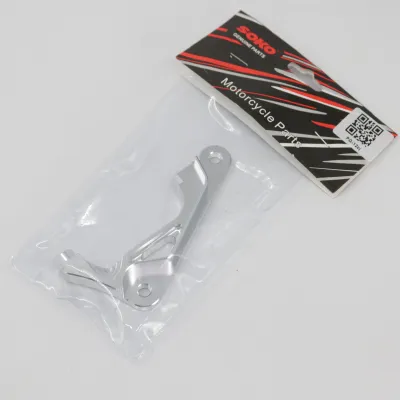
Prioritizing safety, mechanical fitment, and system balance is essential before purchasing or installing any aftermarket brake caliper. The most common point of failure during an upgrade is incorrect mounting. You must verify the fork leg mounting bolt patterns and rotor alignment on your motorcycle. Because many aftermarket calipers do not line up perfectly with stock forks, you will likely need a specific adapter bracket. Ensure that any bracket you use is sourced from a reputable supplier and machined from high-grade aluminum or steel to withstand the immense shear forces generated during hard braking.
Another critical check is the brake hose routing and banjo bolt angles. When you install a new caliper, the position of the fluid inlet may change, requiring you to reroute your brake lines or install a longer, braided stainless steel hose. You must also ensure that the master cylinder’s fluid displacement is compatible with the new caliper’s piston volume. A mismatched system can lead to insufficient pad travel or an overly stiff lever that makes modulating brake pressure difficult.
Because the braking system is your motorcycle’s primary safety feature, you must recognize the boundaries of DIY installation. If you are not experienced in bleeding brake lines, checking rotor clearance, or using a torque wrench to tighten critical fasteners to original-vehicle specifications, you should stop and consult a qualified motorcycle mechanic. Improperly bled lines can trap air bubbles, leading to sudden brake failure, while over-tightened bolts can strip the threads on your fork legs, creating a severe safety hazard.
Making the Final Decision: Which Caliper Fits Your Needs?
Selecting the right caliper brand requires a conditional decision matrix based on your specific riding scenario, budget, and mechanical setup. There is no single brand that suits every rider, so your choice should align with your practical requirements and verification steps.
You should choose a Formula 81 caliper if you have verified that its specific bracket kit fits your exact motorcycle model without requiring unsafe modifications. This option is highly suitable for riders of underbones and scooters who want an accessible upgrade path and have confirmed that local shops stock compatible replacement pads. It is a practical choice for daily commuting, provided you pair it with an appropriately matched master cylinder and high-quality brake lines.
On the other hand, you should choose established OEM or premium aftermarket brands if you prioritize widespread service center support, standardized replacement parts, and documented compatibility records for your motorcycle’s specific weight class. These brands often provide extensive fitment guides and have a larger network of authorized dealers, making it easier to source rebuild kits, seals, and specialized pads when components wear out over time.
Regardless of the brand you select, you must verify the entire system compatibility first if you plan to upgrade the master cylinder, brake lines, or rotors simultaneously. Component matching is critical for safe and predictable braking performance. Never mix mismatched hydraulic components without calculating the leverage ratios, as an unbalanced system can compromise your safety on the road.
Frequently Asked Questions (FAQ)
Does a larger caliper always mean better braking performance?
No, a larger caliper does not automatically guarantee better braking performance. While a caliper with more or larger pistons can theoretically apply more clamping force, it requires a proportional volume of brake fluid to operate effectively. If you pair a large multi-piston caliper with a small stock master cylinder, the master cylinder will not displace enough fluid to push the pistons efficiently. This mismatch typically results in a spongy lever feel, increased lever travel, and a dangerous delay in braking response. For optimal performance, the caliper size must be balanced with the master cylinder’s piston diameter.
Can I use Formula 81 brake pads in other caliper brands?
You should never assume that brake pads are interchangeable between different caliper brands, even if they look similar at a glance. To verify brake pad cross-compatibility safely, you must compare the exact pad shape, pin hole spacing, and overall thickness against the manufacturer’s part number chart. Attempting to force mismatched pads into a caliper can lead to uneven pad wear, binding, or complete brake failure. Always use pads that are explicitly certified for your specific caliper model to ensure proper alignment and contact with the brake rotor.
Community discussion
Share your experience or ask a question. Comments are reviewed before publication.