
Choosing the right motorcycle footwear is one of the most critical decisions you will make for your riding comfort and safety. While Fox is a household name in the powersports industry, their extensive lineup of boots caters to vastly different riding styles, terrains, and environments. If you are trying to decide which Fox boots are best for your needs, the answer depends heavily on your primary riding environment: do you spend your days navigating short, stop-and-go city commutes, or are you logging long hours on open provincial highways?
To make the right choice, you must weigh the flexibility and heat management needed for urban riding against the rigid protection and weather resistance required for high-speed touring. This guide breaks down the essential features of both scenarios, analyzes the trade-offs of hybrid options, and provides practical advice on how to verify the fit and safety specifications of your gear.
Defining Your Primary Riding Scenario
To select the ideal footwear, you must first analyze where your wheels spend the most time. City commuting and long-distance highway riding place entirely different physical demands on your body and your gear.
Products mentioned in this guide
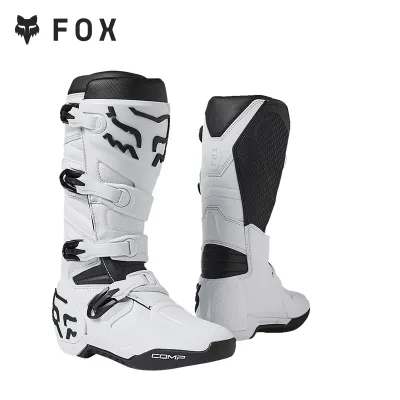
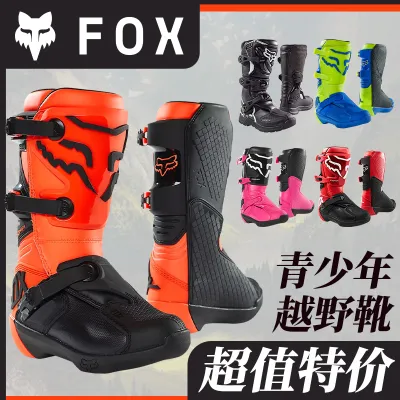
Prices are valid at publication and may change. Please refer to the product page for the latest price.
Urban commuting, especially in highly congested metropolitan areas, is characterized by low-speed maneuvers, frequent stops, and constant foot-to-ground contact. You are continually shifting gears, modulating the rear brake, and supporting the weight of your motorcycle at traffic lights. In a warm, humid climate, this constant physical activity generates significant body heat, while the surrounding traffic and hot asphalt radiate additional warmth directly onto your feet. Furthermore, commuters often need to walk moderate distances once they reach their destination, making stiff, heavy boots highly impractical.
In contrast, long-distance highway cruising involves sustained speeds, prolonged exposure to wind blast, and unpredictable weather conditions. On an extended trip across provinces, your feet remain on the pegs for hours at a time, which can cause arch fatigue if your soles are too flexible. The risk profile also changes dramatically: at highway speeds, any impact from road debris, pebbles, or an accidental slide carries significantly more kinetic energy, demanding robust, rigid armor.
To determine your true primary use case, calculate your typical weekly mileage and estimate the percentage of time you spend off the bike while wearing your boots. If you ride 15 kilometers a day to an office where you walk around for hours, your needs are vastly different from someone who covers 200 kilometers of highway every weekend. Misidentifying your primary scenario can lead to costly mistakes—either choosing a boot that is dangerously under-protected for high-speed travel or one that is too heavy and stiff for daily urban errands.
Best Fox Boot Features for Daily City Commuting
When selecting riding boots for daily city commuting in a tropical environment, comfort, walkability, and temperature control are your top priorities. Because you will be transitioning frequently between riding and walking, the boots must offer a balanced level of protection without restricting your natural movement.

Walkability depends heavily on sole flexibility and ankle articulation. A shorter shaft height—such as a low-cut riding shoe or a mid-height ankle boot—allows your ankle to flex naturally when walking on concrete, climbing stairs, or navigating office spaces. Look for soles that offer a balance of longitudinal stiffness (to protect your foot from crushing forces) and lateral flexibility, allowing you to walk without a stiff, awkward gait.
Heat management is another critical factor in tropical urban centers. High humidity and stagnant air in traffic jams can quickly cause your feet to sweat, leading to discomfort and blisters. To combat this, prioritize boots that feature breathable mesh panels, perforated materials, or advanced moisture-wicking inner linings. These features facilitate airflow and help evaporate sweat, keeping your feet dry and cool even during midday traffic.
Daily commuters also benefit greatly from quick-entry systems. When you are rushing to get to work or running quick errands, wrestling with complex buckle systems can be frustrating. Look for heavy-duty side zippers, secure hook-and-loop closures, or modern dial-lacing systems that allow you to slip the boots on and off in seconds.
Finally, ensure the boots have a dedicated gear-shift pad and reinforced toe protection. A reinforced TPU or rubber pad over the toe box prevents the gear shifter from wearing down the boot material prematurely. This reinforcement should provide tactile feedback when shifting gears without adding excessive, heavy armor that makes the boot feel clunky on the controls.
Essential Fox Boot Traits for Long-Distance Highway Rides
For long-distance highway rides, your priorities must shift toward maximum protection, structural support, and environmental resilience. Sustained high speeds and varying road conditions require gear that can withstand significant physical forces and protect you from severe impacts.
Ankle and shin protection are paramount on the open road. Look for boots that feature rigid TPU panels surrounding the ankle joint and extending up the shin. These panels act as shields against flying debris, gravel, and engine heat, while also absorbing impact energy during a fall. High-quality long-distance boots often incorporate mechanical hinge systems that allow natural front-to-back ankle movement for shifting and braking, while preventing dangerous lateral twisting or hyperextension.
Weather resistance is equally vital when traveling across different regions. A sudden tropical downpour can quickly soak your feet, causing extreme discomfort, lowering your body temperature, and reducing your control over the motorcycle. Seek out boots equipped with integrated waterproof, breathable membranes or highly water-resistant synthetic leathers. These materials keep external water out while allowing internal moisture vapor to escape, ensuring your feet stay dry through changing weather patterns.
Because you will be wearing these boots for hours at a time, calf fit and adjustability are crucial for maintaining healthy blood circulation. Stiff boots that pinch or bind can cause muscle cramps and fatigue. Look for models with adjustable buckle systems or micro-adjustable straps that allow you to customize the fit around your calves, accommodating different pants thicknesses and preventing pressure points.
Lastly, pay close attention to sole stiffness and peg grip. A stiff, steel-shanked or composite-reinforced sole supports the arch of your foot, preventing it from wrapping around the footpeg and reducing muscle strain during long hours in the saddle. The outsole should be made of a high-friction, oil-resistant rubber compound to ensure your feet remain securely planted on the pegs, even when riding through wet or greasy road conditions.
Cross-Scenario Compatibility: Can One Pair Do Both?
Many riders wonder if they can find a single pair of Fox boots that performs exceptionally well in both scenarios. While a hybrid solution is possible, it always requires accepting specific compromises.
The most common compromise is a mid-height touring or adventure-style boot. These models sit comfortably between low-top riding shoes and full-height motocross boots. They offer substantially more ankle support, shin protection, and weather resistance than a commuter shoe, making them safer for highway travel. At the same time, they feature more flexible sole compounds and lighter materials than dedicated off-road boots, allowing for a reasonable degree of walkability when you stop for lunch or visit a roadside attraction.
However, you must accept the trade-offs of a hybrid design. In heavy city traffic on a hot day, a mid-height, waterproof boot will inevitably feel warmer and more restrictive than a highly ventilated, low-cut commuter shoe. Conversely, on high-speed highway stretches or rugged adventure trails, a hybrid boot will not provide the absolute lateral rigidity and heavy-duty impact armor of a specialized touring or motocross boot.
You should consider purchasing two separate pairs of boots if your riding habits lie at the extreme ends of both spectrums. For instance, if your weekly routine consists of a daily commute to an office where you must walk and stand for hours, combined with weekend highway tours or technical off-road trail riding, a single hybrid boot will fail to satisfy either need safely and comfortably. In this case, investing in a pair of highly ventilated commuter shoes for the weekdays and a robust, protective pair of boots for the weekends is the most practical approach to long-term safety and comfort.
Verifying Fit, Safety, and Manufacturer Specifications
Regardless of which style of Fox boots you choose, verifying their technical specifications, safety certifications, and fit is essential to ensure they perform as intended during an emergency.
Begin by reading the manufacturer’s label and official product documentation. Do not assume a boot offers adequate protection simply because it carries a well-known brand name. Look for official CE (Conformité Européenne) safety certifications, specifically the EN 13634 standard for protective footwear for motorcycle riders. This certification indicates that the boots have undergone standardized testing for abrasion resistance, impact cut resistance, and transverse rigidity. The label will display a series of numbers representing the protection levels achieved in different areas; verify these specs to ensure they match your riding risks.
When verifying the fit, always try the boots on while wearing the exact style of riding socks you plan to use on your journeys. Ensure there is adequate room in the toe box—your toes should be able to wiggle slightly and should not press firmly against the front of the boot when you walk or sit. Your heel should remain securely locked into the heel cup; if your heel slips upward significantly when you walk, the boot is too large and may slide off during an accident.
Keep in mind that high-quality riding boots, especially those with leather construction or rigid protective panels, require a dedicated break-in period. Do not wear a brand-new pair of boots on a long-distance highway trip for the first time. Instead, wear them around your home or on short, low-risk local rides to allow the materials to soften and conform to your foot shape, preventing painful blisters and stiff controls on the road.
Finally, respect safety boundaries and check your motorcycle’s ergonomic setup. Ensure that the thickness and shape of your new boots do not interfere with your ability to operate the gear shifter or rear brake pedal safely. If a boot restricts your movement, feels structurally compromised, or conflicts with your vehicle’s controls, stop riding immediately and consult the manufacturer’s guidelines or a qualified riding gear professional to make the necessary adjustments.
Frequently Asked Questions (FAQ)
Are Fox motocross boots suitable for daily street commuting?
No, full-height Fox motocross boots (such as those designed for off-road tracks) are generally unsuitable and highly impractical for daily street commuting. These boots are engineered for maximum impact protection, featuring extremely rigid soles, thick TPU armor, and tall shafts that severely restrict ankle flexion. While this rigidity is vital for protecting against heavy off-road impacts, it makes walking on concrete or office floors incredibly difficult and uncomfortable. Additionally, the sheer bulk of motocross boots reduces tactile feedback, making it difficult to feel and smoothly operate standard street motorcycle gear shifters and rear brake pedals.
How do I clean and maintain my Fox riding boots after a long rainy ride?
Proper maintenance preserves both the protective qualities and lifespan of your boots. After a wet ride, start by wiping off mud, dirt, and road grime using a soft, damp cloth. Remove the inner insoles and open any closures fully to maximize airflow. Allow the boots to air dry naturally at room temperature in a well-ventilated indoor space. Never use direct heat sources, such as hair dryers, heaters, or direct sunlight, as extreme heat can crack leather, warp synthetic panels, and degrade structural adhesives. Once the boots are completely dry, check the product’s care label for material-specific instructions before applying any specialized leather conditioners or waterproofing treatments.

Community discussion
Share your experience or ask a question. Comments are reviewed before publication.