
Choosing between a front-only and a dual-channel dash camera for car use depends on your daily exposure to rear-end risks, parking vulnerabilities, and budget constraints. If you primarily want straightforward, budget-friendly protection against forward incidents, a front-only setup is effective and simple to install. However, if you frequently navigate congested city roads, park on busy streets, or want comprehensive evidence of rear-end collisions, investing in a dual-channel system provides the necessary all-around coverage.
Core Differences Between Front-Only and Dual-Channel Systems
A front-only dash camera consists of a single unit mounted on the front windshield, capturing the road ahead. This setup focuses entirely on your forward field of view, documenting traffic lights, pedestrian crossings, and vehicles directly in front of you. Because it only processes one video stream, it requires less processing power and storage space.
In contrast, a dual-channel system utilizes two separate camera modules: a main unit for the front windshield and a smaller secondary camera mounted on the rear window. The two units are connected by a long coaxial or USB cable that runs through the vehicle’s cabin. The main front unit processes and synchronizes both video streams simultaneously, saving them as separate files on a single memory card. This dual-channel configuration significantly reduces blind spots by capturing both forward and rearward activity.
Products mentioned in this guide
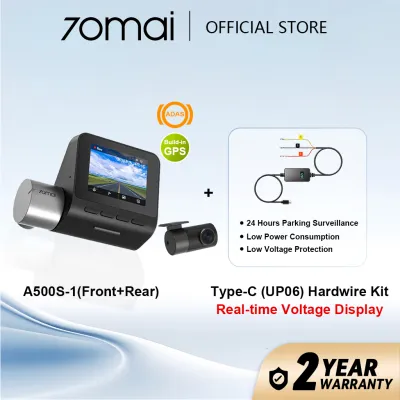
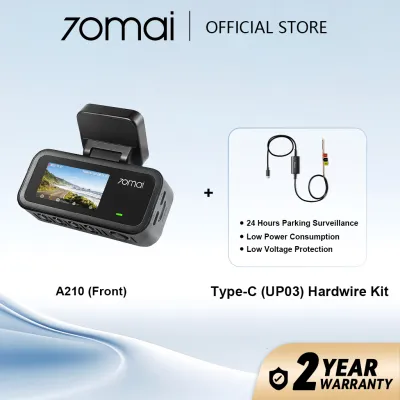
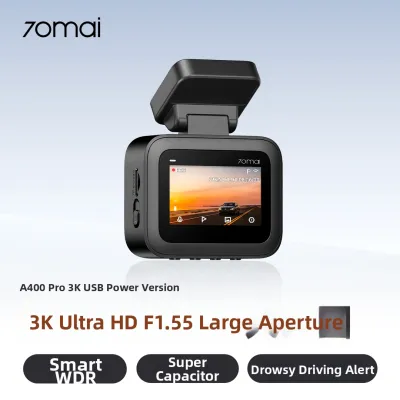
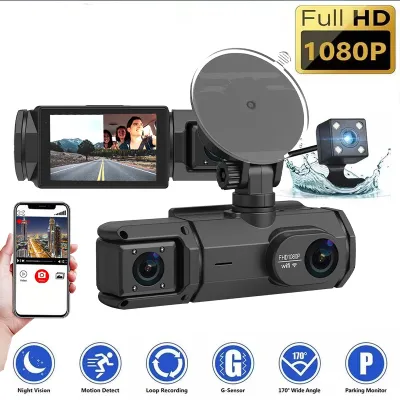
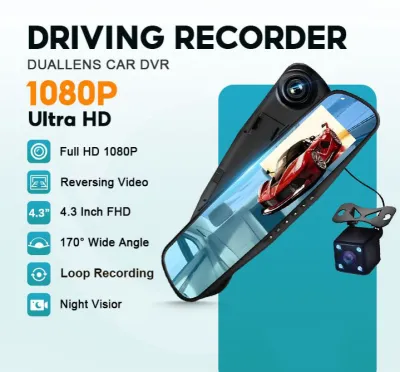
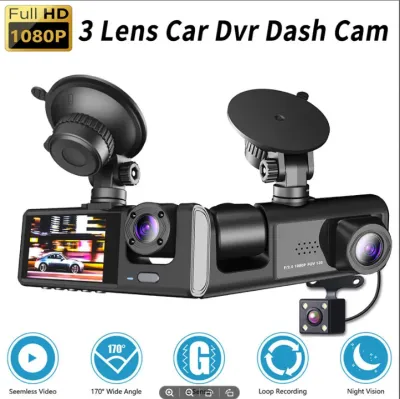
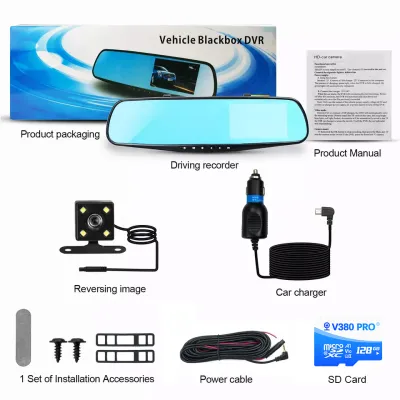
Prices are valid at publication and may change. Please refer to the product page for the latest price.
Matching the Setup to Your Driving and Parking Scenarios
Selecting the right configuration requires analyzing your daily driving routes, local traffic conditions, and where your vehicle spends most of its time when parked.

City Traffic and Rear-End Collision Risks
Navigating dense urban areas exposes your vehicle to frequent stop-and-go traffic, sudden braking, and aggressive tailgating. In these environments, rear-end collisions are among the most common accidents. A rear-facing camera provides important context by recording the behavior of drivers behind you before an impact occurs.
This footage can prove highly useful during lane-change disputes or blind-spot incidents where a driver merges into your rear quarter panel. However, keep in mind that rear camera performance can be affected by environmental factors. Heavy rain, headlight glare at night, or dark window tints can reduce the clarity of the rear footage, so checking manufacturer sensor specifications for low-light performance is essential before purchasing.
Parked Vehicle Security and Vandalism
Your vehicle remains vulnerable even when the engine is turned off. If you regularly park on busy public streets, in crowded shopping mall parking lots, or in unlit areas, a dual-channel system offers broader security coverage. It can capture hit-and-run incidents from behind or side-scraping events that a front-only camera would completely miss.
To utilize this protection, you must configure the system’s parking mode. Running a dual-channel setup continuously requires a constant power source, which typically involves hardwiring the system to your vehicle’s fuse box or connecting it to a dedicated external battery pack. This ensures the cameras can detect motion or impact without draining your vehicle’s starter battery. If you always park in a secure, private garage, a front-only camera with basic parking mode may suffice.
Installation, Power, and Storage Requirements
The physical demands of installing and maintaining your dash camera vary significantly between the two setups. A front-only camera is straightforward, often requiring only a single power cable routed to the 12V accessory socket or USB port.
Installing a dual-channel system requires routing a long connecting cable from the front windshield to the rear window. This process involves carefully tucking the wire behind the headliner, plastic pillar trims, and rubber weather stripping. It is critical to route these cables safely to avoid interfering with side curtain airbags or damaging the vehicle’s interior trim. If you are uncomfortable removing trim panels, professional installation is recommended.
Power management also becomes more complex with two cameras. While a standard 12V accessory socket works for recording while driving, continuous parking mode requires a hardwire kit. This kit connects directly to the vehicle’s fuse box, requiring you to identify constant power fuses (which supply electricity even when the car is off) and switched power fuses (which only turn on with the ignition).
Finally, dual-channel systems demand high-performance storage. Recording two high-definition video streams simultaneously increases the write load on your storage media. You will need a high-endurance MicroSD card specifically rated for continuous overwrite cycles. Check the manufacturer’s specifications for the maximum supported card capacity and recommended speed classes to prevent file corruption and recording gaps.
Budget and Long-Term Value Assessment
Financial considerations extend beyond the initial purchase price of the camera unit itself. Front-only dash cameras are generally more affordable, allowing you to get high-quality video sensors and advanced features at a lower price point. Opting for a budget-friendly dual-channel model often means sacrificing video resolution, low-light sensor quality, or wireless connectivity features on both cameras.
You must also factor in accessory and installation costs. A dual-channel system often necessitates purchasing a larger, high-endurance memory card, a hardwire kit, and potentially paying for professional installation if the wiring path is complex. These additions can quickly double the initial hardware cost.
When evaluating long-term value, consider how the footage protects you financially. Clear video evidence can expedite insurance claims and protect your no-claims bonus by clearly establishing fault in complex multi-vehicle accidents. While some local auto insurance providers in the Philippines may offer premium discounts or specific policies for vehicles equipped with dash cameras, you should verify these benefits directly with your provider before making a decision.
Decision Framework: Which Setup Should You Choose?
To finalize your decision, evaluate your driving habits against these specific criteria.
Choose a front-only dash camera if:
- Your budget is strict and you want better video quality for your money.
- Your vehicle is parked in a secure, private garage overnight.
- Your primary concern is documenting forward-facing incidents, traffic light compliance, and direct frontal collisions.
- You prefer a simple, tool-free installation that you can complete in minutes.
Choose a dual-channel dash camera if:
- You frequently drive in heavy, multi-lane city traffic where tailgating and erratic lane changes are common.
- You regularly park on public streets, in open lots, or in high-traffic areas.
- You operate a commercial or ride-hailing vehicle and require comprehensive documentation of both the road and the rear exterior.
- You want comprehensive protection against hit-and-run incidents while parked.
Before purchasing either system, verify your vehicle’s specific conditions. Check if your vehicle’s warranty restricts electrical modifications or hardwiring to the fuse box. Additionally, inspect your rear window to ensure that heavy window tint, defroster lines, or rear wiper placement will not obstruct the mounting position or clear view of a rear-facing camera module.
Frequently Asked Questions (FAQ)
Can I add a rear camera to a front-only dash cam later?
In most cases, you cannot upgrade a standard front-only dash camera into a dual-channel system later. Most single-channel units lack the necessary physical ports, internal processing power, and dual-channel firmware required to decode and record a second video stream. If you anticipate needing rear coverage in the future, it is recommended to purchase a dual-channel system from the start to avoid the cost of replacing the entire setup.
Does a dual-channel dash cam drain the car battery faster?
Yes, a dual-channel system draws more electrical current because it powers two camera sensors and processes two video streams simultaneously. When using parking mode, this increased power draw can deplete your vehicle’s starter battery if left unmanaged. To prevent this, ensure your hardwire kit or dash camera features a built-in low-voltage cutoff that automatically shuts down the system when the car battery drops below a safe threshold, or consider using a dedicated external dash camera battery pack.
Community discussion
Share your experience or ask a question. Comments are reviewed before publication.