
To determine whether your motorcycle needs a new fuel pump motor or simply a replacement fuel filter, you must evaluate how the engine behaves under different loads and listen closely to the fuel tank when you turn the key. A clogged fuel filter typically restricts fuel flow gradually, causing the engine to sputter, lose power at high speeds, or stall under heavy acceleration while still allowing the fuel pump to prime normally. Conversely, a failing fuel pump motor often produces a loud, high-pitched whining noise from the tank, fails to make any priming sound when the ignition is turned on, or cuts out entirely once the engine warms up. Pinpointing the exact culprit before purchasing motorcycle fuel pump parts prevents unnecessary expenses and ensures a targeted, effective repair.
Recognizing Common Fuel Delivery Symptoms
When a motorcycle suffers from fuel starvation, the engine struggles to maintain the correct air-fuel ratio. This imbalance manifests in several observable ways during daily riding. You might notice a hard start in the morning, where the engine cranks repeatedly before finally catching, or the engine may idle smoothly but stall immediately when you twist the throttle under load. Loss of acceleration power during overtaking maneuvers is another classic indicator that the combustion chamber is not receiving enough fuel to match the increased air intake.
Paying close attention to the sounds your motorcycle makes can provide immediate clues. When you switch the ignition to the “ON” position, a healthy electric fuel pump runs for a few seconds to pressurize the system, emitting a faint, consistent hum. If you hear a loud, strained whining or buzzing noise coming directly from the fuel tank, the pump motor is likely working under extreme stress. A complete absence of any sound during this priming phase usually points to an electrical failure or a completely dead pump motor.
Products mentioned in this guide
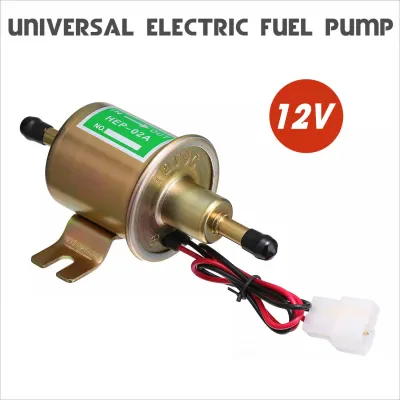
1 Lazada user ratings
💰Price:10/10 very affordable 🔨Durability:10/10 rugged looking. fits on chassis 🔌Compatibility:10/10 works in my car
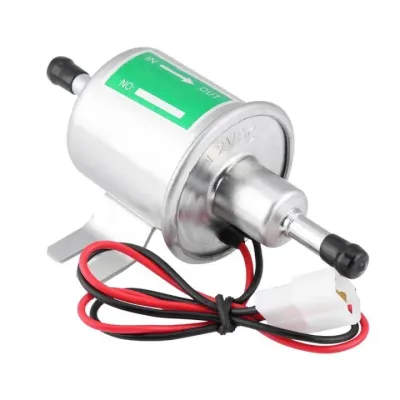
16 Lazada user ratings
Efficient fuel pump, saves on gas!, Ideal for both diesel and gasoline engines., Universal fit, suitable for various vehicles., Provides con…Read full reviewShow less
Efficient fuel pump, saves on gas!, Ideal for both diesel and gasoline engines., Universal fit, suitable for various vehicles., Provides consistent low-pressure fuel flow.
Low intensity diesel electric pump at a very reasonable price and at a very quite very fast delivery at that also
good po naikabit kona salamat seller
Quite durable
not working
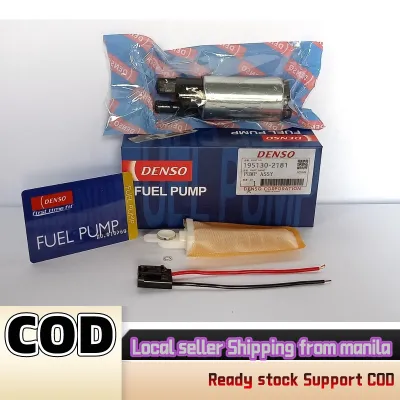
112 Lazada user ratings
Enhances engine performance significantly, Great value for top-notch quality, Precision engineering for optimal function, Reliable and effic…Read full reviewShow less
Enhances engine performance significantly, Great value for top-notch quality, Precision engineering for optimal function, Reliable and efficient fuel pump, Smooth and consistent fuel delivery, Denso quality never disappoints,
good na good
Prices are valid at publication and may change. Please refer to the product page for the latest price.
It is also helpful to differentiate between intermittent sputtering and sudden, complete fuel delivery failure. Sputtering that occurs primarily at high engine speeds or when climbing hills often points to a restriction in the fuel line, such as a dirty filter that cannot support high-volume flow. On the other hand, if the engine runs perfectly for fifteen minutes and then suddenly dies as if the ignition switch were flipped, the fuel pump motor may be overheating and seizing up, only to restart after it cools down.
Safety and Preparation Before Testing
Working on motorcycle fuel pump parts involves handling highly flammable gasoline and dealing with pressurized fuel lines. Before you begin any diagnostic work, you must establish a safe environment. Always work in a well-ventilated outdoor space or an open garage to prevent the accumulation of toxic and explosive fuel vapors. Keep a class B fire extinguisher nearby and ensure there are no open flames, pilot lights, or spark-producing tools in your immediate workspace.

Modern fuel-injected motorcycles operate under high system pressure, which remains in the lines even when the engine is turned off. Disconnecting a fuel line without relieving this pressure can spray gasoline onto hot engine components or into your eyes. To prevent this, consult your specific motorcycle service manual for the approved depressurization steps, which often involve pulling the fuel pump fuse or relay and cranking the engine until it stalls.
Because fuel system disassembly and electrical testing carry inherent risks of fire or electrical short circuits, always refer to your original-vehicle instructions before attempting any modifications or repairs. If you are not confident in your ability to handle pressurized fuel lines or electrical circuits safely, seek qualified professional installation and diagnostic services. Once the system is depressurized, disconnect the negative terminal of the motorcycle battery to eliminate the risk of accidental electrical sparks.
Inspecting and Evaluating the Fuel Filter
The fuel filter acts as the primary barrier protecting your fuel injectors or carburetor jets from rust, sediment, and debris. Depending on your motorcycle’s make and model, the filter may be located inline along the fuel hose beneath the tank, or integrated directly into the fuel pump assembly inside the tank. Locating this component is your first step, and you should refer to your owner’s manual to identify its exact position and mounting style.
Once you access the filter, perform a thorough visual inspection. If your motorcycle uses a translucent inline filter, look for visible dark sediment, metal flakes, or water droplets trapped inside the element. For opaque or metal-bodied filters, you can carefully remove the filter and pour the remaining fuel out of the inlet side onto a clean white paper towel; dark, dirty fuel or heavy particulate matter indicates a severely restricted filter. Check the outer housing for any cracks, leaks, or physical deterioration that could introduce air into the fuel system.
Reviewing your motorcycle’s maintenance history is crucial during this stage. Manufacturers specify recommended replacement intervals for fuel filters, often based on mileage or time. If you cannot remember the last time the filter was changed, or if the motorcycle has been sitting with old fuel for several months, replacing the filter is a sensible, low-cost starting point. A restricted filter forces the fuel pump to work much harder to push fuel through the clogged media, which mimics the symptoms of a failing pump motor and can eventually cause the pump motor to burn out prematurely.
When purchasing replacement motorcycle fuel pump parts, always verify your specific vehicle model, year, interface dimensions, and mounting position using the manufacturer’s official documentation. Never infer compatibility solely from a generic category term, as fuel pump designs vary significantly even between different model years of the same motorcycle.
Testing the Fuel Pump Motor
If the fuel filter appears clean or has been replaced and the symptoms persist, you must test the fuel pump motor itself. Start by performing a simple auditory check. Turn the ignition key to the “ON” position and listen closely near the fuel tank. You should hear a distinct, two-to-three-second priming hum as the pump builds pressure. If you hear nothing, the issue could lie within the pump motor or the electrical circuit supplying it.
Before condemning the pump motor, inspect the electrical connections, relays, and fuses associated with the fuel pump circuit. Use a multimeter to verify that the pump connector is receiving the correct voltage when the key is turned on. A blown fuse, a corroded ground wire, or a faulty relay can prevent power from reaching a perfectly healthy pump motor. Cleaning dirty connectors and replacing damaged wiring can often resolve the issue without requiring new motorcycle fuel pump parts.
If the pump is receiving power but fails to run, or if it runs but delivers weak pressure, you may perform a basic fuel flow test if your service manual permits. This typically involves disconnecting the fuel delivery line, routing it into a safe, fuel-approved container, and cycling the ignition to observe the stream. A healthy pump should deliver a steady, strong flow of fuel. Stop the test immediately if you observe any fuel leaks, smell excessive fumes, or notice any electrical sparking near the open fuel container.
Diagnostic Matrix: Symptoms to Solutions
To help you decide whether to replace the filter or the pump motor, use the following diagnostic matrix to map your observations to the most logical next step.
| Symptom | Likely Cause | Recommended Action |
|---|---|---|
| Loud whining or buzzing from the fuel tank | Failing fuel pump motor | Check electrical connections; prepare to replace the pump motor if noise persists. |
| Engine sputters and loses power at high RPM | Clogged fuel filter | Inspect the filter for debris; replace the filter and retest performance. |
| Engine cranks but will not start; no priming hum | Dead pump motor or electrical issue | Check the fuel pump fuse, relay, and voltage at the connector before replacing the motor. |
| Intermittent stalling after the engine warms up | Overheating fuel pump motor | Verify fuel pressure when hot; replace the pump motor if pressure drops as temperature rises. |
| Sputtering after using a low-quality batch of fuel | Contaminated fuel filter | Drain the fuel tank, replace the fuel filter, and refill with fresh fuel. |
When to Consult a Professional Mechanic
While basic visual checks and auditory tests are highly effective, some fuel delivery issues require specialized diagnostic tools and professional expertise. Confirming a failing fuel pump motor with absolute certainty often requires a dedicated fuel pressure gauge connected to the fuel rail. Because fuel systems operate under specific pressure ranges, a professional mechanic can measure the exact pressure to determine if the pump is meeting manufacturer specifications.
Additionally, many modern motorcycles feature sealed, in-tank fuel pump assemblies where the filter, regulator, and motor are housed in a single complex module. Disassembling these units or working with internal fuel tank wiring carries a high risk of damaging sensitive components, including the electronic control unit (ECU) or fuel level sending unit. If you are uncomfortable working around open fuel tanks, or if your diagnostic tests point to complex electrical faults, seeking professional assistance is the safest path.
If you have replaced basic motorcycle fuel pump parts and still experience stalling or hard starting, a professional can perform advanced diagnostics. They can rule out related engine issues, such as clogged fuel injectors, a faulty fuel pressure regulator, or sensor failures, saving you from purchasing unnecessary replacement parts.
Community discussion
Share your experience or ask a question. Comments are reviewed before publication.