
The choice between a full car cover and a windshield sunshade depends on your daily parking environment, how often you drive, and your tolerance for setup effort. If your vehicle sits outdoors for long periods exposed to intense tropical sun, rain, and falling debris, a full car cover provides the comprehensive exterior shield you need. Conversely, if you use your vehicle daily and want to keep the cabin cool during quick errands or work hours, a highly portable windshield sunshade is the more practical choice.
Assessing Your Parking Environment and Daily Routine
Where you park your vehicle determines the type of environmental threats it faces daily. In the tropical climate of the Philippines, an open, unshaded driveway or street parking exposes your car to continuous ultraviolet rays, heavy rain, and airborne dust. If you park under trees, your primary concerns shift to acidic bird droppings, sticky tree sap, and falling leaves, which can quickly degrade your clear coat.
Indoor garages and covered carports offer structural shelter but do not completely eliminate risks. Even in a covered space, fine dust can settle on the paint, and ambient heat can still warm up the cabin. Understanding these specific local threats is the first step in choosing the right protective accessory.
Products mentioned in this guide
Prices are valid at publication and may change. Please refer to the product page for the latest price.
Your daily driving routine also dictates which solution is realistic for your lifestyle. A daily commuter who makes multiple stops throughout the day requires a fast, low-effort solution. On the other hand, a vehicle parked for several days at a time, such as a weekend-only car, benefits greatly from more robust, long-term protection.
Full Car Covers: Comprehensive Exterior Protection
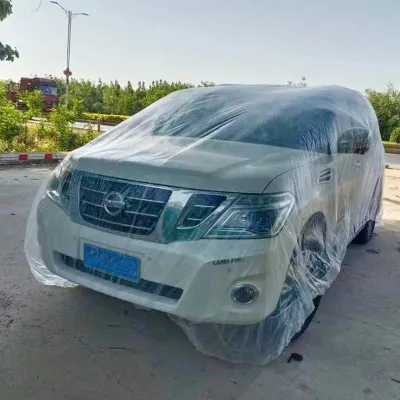
A full car cover acts as a physical barrier that wraps around the entire exterior of your vehicle. This comprehensive shield protects your paintwork, rubber trim, plastic moldings, and glass from direct exposure to harsh weather and environmental contaminants. By blocking out rain, dust, and animal droppings, a high-quality cover preserves the exterior finish and reduces the frequency of car washes.

However, using a full cover requires strict adherence to clean surface conditions. Placing a cover over a dusty or dirty vehicle can trap abrasive particles between the fabric and the paint. As the wind moves the cover, these particles rub against the clear coat, creating fine scratches and swirl marks over time.
The practical trade-offs of a full cover center around daily convenience and storage. Installing and removing a large fabric cover can take several minutes of physical effort, which quickly becomes tedious if you use your car multiple times a day. Additionally, when the cover is wet from a sudden tropical downpour, finding a suitable place to dry and store it can be a challenge.
Before purchasing, you must verify the material properties and fitment specifications on the manufacturer’s label. Look for breathable fabrics that allow trapped moisture to escape, preventing mold and mildew growth underneath. You should also check whether a custom-fit cover designed for your exact vehicle model is available, as universal-fit options may sag or flap in high winds.
Windshield Sunshades: Targeted Interior Heat Reduction
A windshield sunshade is a targeted interior accessory designed to block solar radiation from entering through your car’s largest glass panel. By reflecting or absorbing incoming sunlight, the shade prevents the dashboard, steering wheel, and front seats from reaching scorching temperatures. This targeted protection helps prevent the plastic and leather materials inside your cabin from cracking, fading, or warping over years of sun exposure.
To achieve consistent results, you must deploy the sunshade every time you park in an unsheltered area. Even short periods of exposure to midday sun can rapidly raise cabin temperatures, making the interior uncomfortable and putting stress on your air conditioning system to cool the space down.
The primary advantage of a windshield sunshade is its exceptional convenience. Most designs fold down or roll up in seconds, allowing you to store them easily in the door pocket, glove compartment, or behind the front seats. The obvious trade-off is that a sunshade offers absolutely no protection for your vehicle’s exterior paint, headlights, or tires.
When shopping for a sunshade, review the product specifications to ensure a proper fit for your windshield. A shade that is too small will leave gaps that let heat and UV rays slip through, while one that is too large will be difficult to mount securely. Check the folding mechanism—such as accordion, roll-up, or spring-wire designs—to find one that fits your storage preferences.
Usability and Protection Comparison Matrix
To help you weigh these options, the table below outlines the core operational differences between a full car cover and a windshield sunshade. These accessories serve fundamentally different purposes, and understanding their distinct profiles will clarify which fits your lifestyle.
| Feature | Full Car Cover | Windshield Sunshade |
|---|---|---|
| Primary Protection Focus | Full exterior (paint, trim, glass) | Interior cabin (dashboard, steering wheel) |
| Average Deployment Time | 3 to 5 minutes | Under 30 seconds |
| Storage Footprint | Large (requires trunk space) | Minimal (fits in door pocket or seat back) |
| Ideal Parking Scenario | Long-term outdoor storage or weekend parking | Daily commuting and short-term street parking |
| Maintenance Requirements | Regular washing of the cover; vehicle must be clean | Occasional wiping of the reflective surface |
As shown in the matrix, these tools address entirely different automotive care challenges. While a full cover provides maximum protection, it demands a higher commitment of time and effort. A sunshade offers a quick, highly portable way to manage heat without addressing exterior wear.
How to Choose the Right Protection for Your Vehicle
Selecting the right accessory comes down to matching your parking reality with your daily habits. You should choose a full car cover if your vehicle regularly sits unused for several days at a time in an open driveway, under trees, or in areas with high dust levels. The comprehensive barrier is worth the extra minutes of installation when it prevents sap, bird droppings, and acid rain from damaging your paint.
You should opt for a windshield sunshade if your car is a daily driver that you park in open lots during work hours. The speed of deploying a sunshade ensures you will actually use it consistently, keeping your cabin comfortable for your commute home without the hassle of folding a massive exterior cover.
For some owners, using both accessories is the ideal strategy. You can use the full cover during weekends or holidays when the car remains parked at home, and rely on the portable sunshade during your daily work routine. This hybrid approach maximizes protection without adding unnecessary friction to your daily schedule.
Before making any purchase, always verify your vehicle’s exact make, model, and year to ensure a precise fit. A poorly fitting cover can blow away or scratch your paint, while an incorrect sunshade size will fail to block out heat effectively. Additionally, check any local neighborhood or condominium regulations regarding the use of outdoor car covers on public or shared streets.
Frequently Asked Questions (FAQ)
Can I use a car cover and a windshield sunshade at the same time?
Yes, you can physically use both accessories at the same time, but doing so is generally redundant. A full car cover already blocks all sunlight from entering the cabin through the windshield, making an internal sunshade unnecessary while the cover is deployed. Using both simultaneously only adds extra steps to your routine without providing any measurable increase in heat reduction or UV protection.
How do I prevent a car cover from scratching my paint?
To prevent a car cover from scratching your paint, you must never place it on a dirty or dusty vehicle. Always wash and dry your car before applying the cover to ensure no abrasive particles are trapped underneath. Additionally, keep the cover itself clean by washing it according to the manufacturer’s instructions, and inspect the inner lining regularly for any embedded debris or dirt.
Community discussion
Share your experience or ask a question. Comments are reviewed before publication.