
Deciding between a full car cover and a windshield sunshade comes down to where you park, how often you drive, and what you are trying to protect. If your vehicle sits outdoors for days at a time exposed to the elements, a full car cover provides comprehensive exterior defense. On the other hand, if you are a daily commuter parking in open lots during office hours, a windshield sunshade offers a fast, highly portable way to keep cabin temperatures manageable and protect your dashboard.
Choosing the wrong accessory can lead to unnecessary hassle or even damage to your vehicle. A heavy cover used daily can become a tedious chore, while a simple sunshade leaves your paint vulnerable to tropical downpours and bird droppings. By evaluating your daily routine and parking environment, you can select the protective gear that fits seamlessly into your lifestyle.
Understanding Protection Scope: Full Exterior vs. Targeted Interior
To make an informed choice, you must first understand the physical boundaries of what each accessory protects. A full car cover acts as a complete shield for your vehicle’s entire exterior. It drapes over the roof, windows, hood, trunk, and side panels, extending down to the wheels. This comprehensive coverage is designed to safeguard the clear coat, paintwork, rubber seals, and glass from external hazards. When evaluating a full cover, check the product packaging for specific claims regarding resistance to ultraviolet (UV) rays, heavy rain, bird droppings, tree sap, and airborne dust.
Products mentioned in this guide
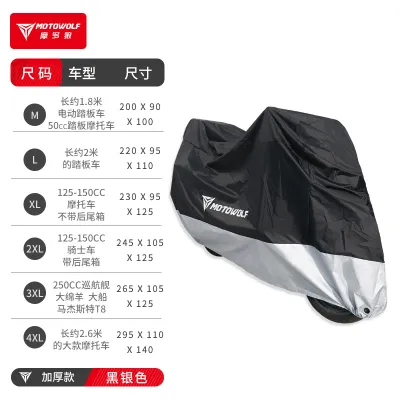
Prices are valid at publication and may change. Please refer to the product page for the latest price.
In contrast, a windshield sunshade is a highly targeted interior barrier. It is placed directly behind the front glass to block solar radiation before it can penetrate the cabin. The primary goal of a sunshade is to protect the dashboard, steering wheel, and front seats from fading, cracking, and warping caused by intense heat. While it does nothing to protect your exterior paint, it is highly effective at reducing the greenhouse effect inside your parked car, keeping the steering wheel cool enough to touch comfortably.
Before purchasing either option, take time to verify the manufacturer’s material specifications. For car covers, look for details on the number of protective layers, the presence of a reflective outer coating, and whether the inner lining is made of a soft, non-abrasive material like microfiber or cotton. For sunshades, check if they utilize reflective foil, bubble insulation, or multi-layered fabric designed to block heat transfer. Relying on clear material specifications rather than generic marketing terms ensures you get the level of protection you expect.
Matching the Product to Your Parking Environment and Daily Routine
Your typical parking setup and daily driving habits are the most critical factors in this decision. If your vehicle is parked outdoors for extended periods—such as in an open driveway or an unshaded street—it faces constant exposure to the elements. In this scenario, a full car cover is highly beneficial. It prevents paint oxidation from relentless sun exposure and shields the body from rain and debris. However, you must ensure the vehicle is clean before applying the cover, as trapping dirt underneath can lead to paint abrasion when the wind blows.

For daily commuters and those who make frequent, short-term stops, a windshield sunshade is far more practical. If you drive to work, park in an open lot, and return to your car at the end of the day, deploying a full cover every morning and removing it every evening quickly becomes exhausting. A sunshade can be popped into place behind the windshield in a matter of seconds, providing immediate relief from cabin heat buildup during your shift without requiring you to wrestle with a large sheet of fabric.
If you park in an indoor garage or a covered basement, the need for heavy-duty protection decreases significantly. In these environments, a windshield sunshade is rarely necessary unless the garage has large open sections that let in direct afternoon light. A full car cover might still be useful, but you should opt for a lightweight, breathable indoor cover designed specifically to keep dust and pollen off the paint rather than a heavy, waterproof outdoor model.
Climate plays a massive role in how these accessories perform, particularly in tropical environments like the Philippines. High humidity, intense UV rays, and sudden, torrential downpours are common challenges. In these conditions, a full cover must be highly breathable to prevent moisture from getting trapped underneath, which can ruin the clear coat. Meanwhile, a high-quality sunshade must feature robust heat-reflective properties to combat the intense tropical sun that can quickly turn a closed cabin into an oven.
Comparing Daily Convenience: Installation, Storage, and Maintenance
The best protective accessory is the one you actually use, which makes daily convenience a major consideration. Installing a full car cover is a multi-step process that typically takes several minutes. It requires you to unpack the cover, identify the front and rear sections, drape it over the roof, stretch it over the bumpers, and secure any straps or wind ties. For larger vehicles like SUVs or pickup trucks, this process can be physically demanding and often requires two people to complete efficiently without dragging the cover across the ground.
A windshield sunshade, by comparison, offers near-instant deployment. Most modern sunshades feature a flexible, pop-up wire frame or a simple accordion-fold design. You can easily unfold the shade, place it against the glass, and secure it by pulling down your vehicle’s sun visors in under ten seconds. This minimal effort makes it highly likely that you will use the sunshade every time you park, even for quick trips to the grocery store.
Storage footprint is another area where these two products differ dramatically. A full car cover is bulky and takes up a significant amount of space in your trunk. If you have to remove the cover while it is wet from rain or covered in morning dew, storing it becomes even more challenging, as you risk getting your trunk damp and musty. A windshield sunshade folds down into a compact circle or a slim rectangle that easily slides into a seatback pocket, a door bin, or under the passenger seat, leaving your trunk completely free.
Maintenance requirements should also influence your choice. Because a car cover sits on the exterior of your vehicle, it accumulates road grime, dust, bird droppings, and tree sap. To prevent this grit from scratching your paint during subsequent installations, you must periodically wash and dry the cover, which requires a large washing machine or a clean outdoor space to hose it down. A sunshade remains inside the clean environment of your cabin and generally only requires an occasional wipe-down with a damp cloth to remove dust.
Specification Checklist: What to Verify Before You Buy
Before finalizing your purchase, it is essential to verify specific product features to ensure compatibility and performance. First, check the fit and dimensions. While “universal-fit” products are widely available and often more affordable, they may not align perfectly with your vehicle’s shape. For car covers, look for model-specific features such as dedicated side-mirror pockets, antenna patches, and elasticized hems that hug the bumpers. For sunshades, measure your windshield’s height and width to ensure the shade covers the entire glass surface without leaving large gaps that let in heat.
Security and wind resistance are vital for any exterior accessory. If you choose a full car cover, verify that it includes heavy-duty tie-down straps, reinforced grommets, or a cable lock system to keep it secure during high winds or to deter theft. For sunshades, look for designs that utilize the sun visors for support, or models with side flaps that can be clamped inside the front doors to keep the shade perfectly flat against the glass and prevent it from slipping down.
Material transparency is a key indicator of quality. Ensure the product description clearly details the materials used in construction. A high-quality car cover should feature a multi-layer design, typically consisting of a reflective outer layer to bounce away UV rays, a breathable middle layer to let moisture escape, and a soft inner lining to protect the paint. A reliable sunshade should specify its reflective material, such as aluminum foil or high-density polyester, and confirm that it is heat-resistant to prevent warping or emitting chemical odors when exposed to extreme heat.
If a product listing lacks clear sizing guides, detailed material breakdowns, or specific vehicle compatibility lists, you should pause your purchase. Do not guess the fit based on generic vehicle categories like “sedan” or “SUV,” as body shapes vary wildly between manufacturers. Instead, consult the manufacturer directly or seek an alternative brand that provides transparent, verifiable specifications.
The Decision Framework: Choosing the Right Protection for Your Vehicle
To make your final decision, evaluate your primary parking habits and protection goals against this straightforward framework. Choose a full car cover if your vehicle is regularly parked outdoors for long stretches, such as over weekends or during vacations, and you want to protect the entire exterior from paint fade, rain, and environmental debris. This option is best if you do not mind spending a few minutes installing and removing the cover and have adequate trunk space to store it.
Choose a windshield sunshade if you are a daily commuter who parks in open lots during the day and prioritizes speed, convenience, and interior comfort. This is the ideal choice if your main goal is to prevent a scorching steering wheel and protect your dashboard from UV damage, without the hassle of managing a large exterior cover.
In many cases, the most effective strategy is to use both accessories in a complementary manner. For example, you can use the windshield sunshade during the workweek for quick, daily heat rejection at the office, and deploy the full car cover on weekends when your vehicle sits idle in an open driveway. This hybrid approach gives you the best of both worlds: daily convenience and long-term exterior preservation.
Before making any purchase, always cross-reference your vehicle’s exact model year and trim level with the product specifications to guarantee a proper fit. Additionally, if you plan to use a full car cover on a vehicle parked on a public street, check your local municipal regulations. Some areas prohibit covered vehicles on public roads for security or identification reasons, making a sunshade the safer and more compliant option.
Frequently Asked Questions (FAQ)
Can I use a windshield sunshade and a car cover at the same time?
While you can physically place a sunshade inside your car while it is covered, doing so is generally redundant and unnecessary. A high-quality full car cover already blocks all direct sunlight from reaching the glass, meaning no solar radiation can enter the cabin to create heat. Adding a sunshade underneath adds an extra step to your routine without providing any additional thermal benefit. It is more practical to use the single accessory that best matches your immediate parking situation.
Will a car cover scratch my paint in hot weather?
A car cover itself does not scratch paint simply because the weather is hot. However, if dust, sand, or road grit is trapped between the cover and the vehicle’s surface, the friction of installing, removing, or wind shifting the cover can cause micro-scratches. This risk is elevated in hot weather when the vehicle’s clear coat can become slightly softer. To prevent this, always ensure your vehicle is clean before covering it, and verify that the cover features a soft, non-abrasive inner lining.
Are custom-fit covers significantly better than universal ones?
Custom-fit covers offer a superior level of protection and security compared to universal options. They are tailored to the exact dimensions of your specific vehicle model, which minimizes loose fabric that can flap in the wind and cause paint wear. Universal covers rely on elastic hems to fit a wide range of vehicles, which can leave gaps or result in a loose fit. When deciding, weigh your budget in ₱ against how long your vehicle will be exposed to harsh outdoor conditions to determine if a custom-fit option is worth the investment.
Community discussion
Share your experience or ask a question. Comments are reviewed before publication.