
Finding the right full-face helmet in the Philippines requires balancing your personal budget with uncompromising safety standards. With the tropical heat, heavy downpours, and congested city traffic, your helmet is not just a legal requirement under local road safety laws; it is your primary line of defense. Whether you are navigating daily commutes in Metro Manila or embarking on long weekend rides across provincial highways, understanding what each price tier offers ensures you do not sacrifice impact protection for affordability.
Selecting a helmet is a highly personal decision that affects both your safety and your daily riding comfort. A well-chosen full-face helmet protects your entire head, including your chin and face, which are statistically the most common impact areas during a motorcycle accident. By evaluating your riding habits, understanding certification marks, and knowing what features to expect at different price points, you can make an informed purchase that keeps you secure on the road.
Verifying Safety Standards and Certifications
Before looking at designs, colors, or extra features, you must verify that a helmet meets legitimate safety standards. In the Philippines, all protective helmets sold must comply with local regulations and carry the appropriate certification markings. The most common local mark is the Import Commodity Clearance (ICC) sticker or the Philippine Standard (PS) certification mark, both issued by the Bureau of Philippine Standards. These marks indicate that the helmet model has undergone rigorous testing to ensure it can withstand significant impact forces.
Products mentioned in this guide
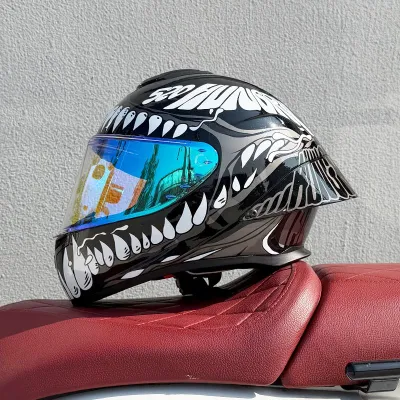
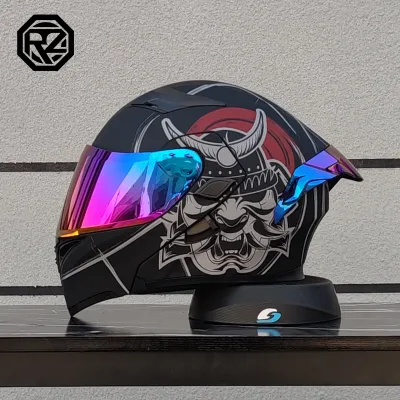
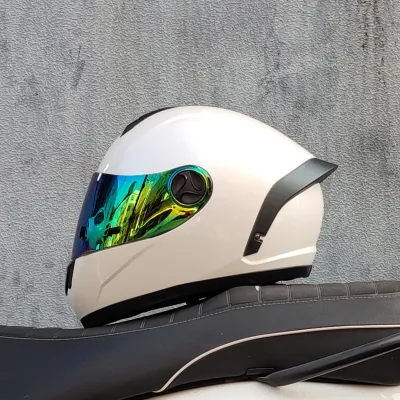
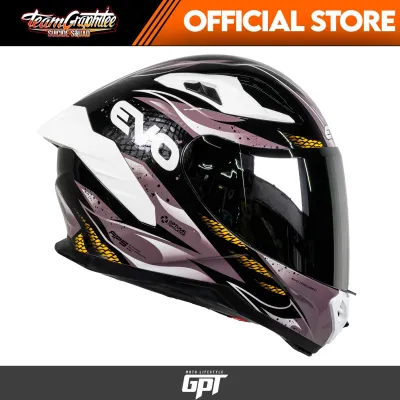
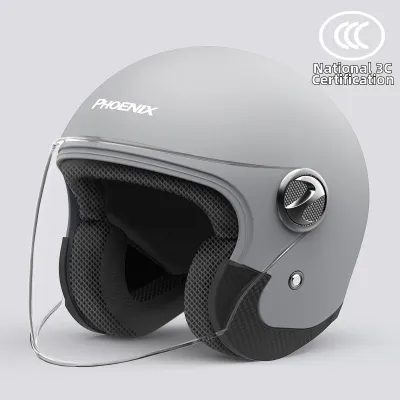
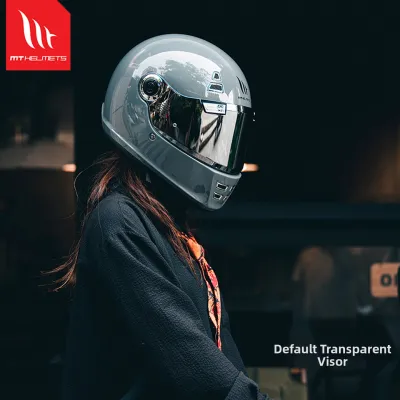
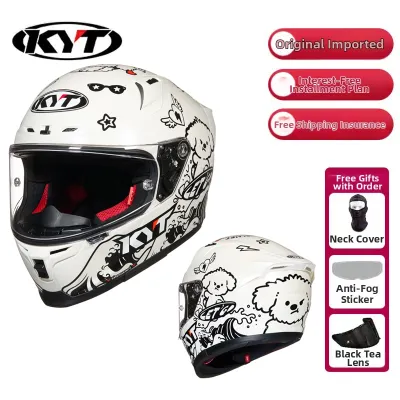
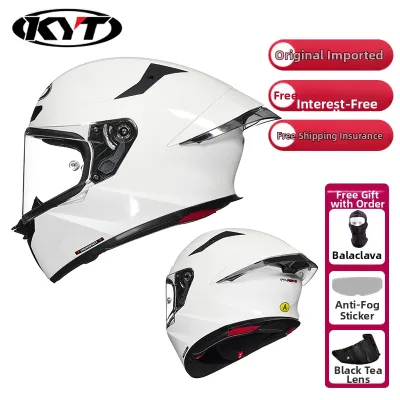
Prices are valid at publication and may change. Please refer to the product page for the latest price.
In addition to local certifications, reputable helmets often carry international safety standards on the rear of the shell. The Department of Transportation (DOT) standard from the United States and the Economic Commission for Europe (ECE) standard—specifically ECE 22.05 or the newer ECE 22.06—are widely recognized. These international certifications involve stringent testing for penetration resistance, retention system strength, and energy absorption capabilities under various environmental conditions.
Inspecting the physical certification stickers is a crucial step in avoiding counterfeit products. A genuine ICC sticker features unique serial numbers, clear holographic elements that shift color when tilted under light, and a tamper-evident adhesive backing. In contrast, fake or novelty stickers are often flat, printed on low-quality paper, or display inconsistent fonts and misaligned text. If the sticker looks like it can be easily peeled off or lacks a unique tracking number, treat it as a major warning sign.
To ensure absolute safety, always cross-reference the helmet model with official databases before making a purchase. You can check the Department of Trade and Industry’s list of certified brands or visit the manufacturer’s official website to confirm if the specific model is certified. Authorized local dealers are always willing to provide documentation or verify the authenticity of their stock, giving you peace of mind before you hit the road.
Setting Realistic Expectations Across Budget Tiers
Understanding what your money buys at different price points helps you set realistic expectations and avoid overpaying for unnecessary features. While every certified helmet provides a baseline level of impact protection, higher-priced models offer significant improvements in materials, weight reduction, and overall comfort. Knowing how to allocate your budget allows you to prioritize essential safety and functional features over purely cosmetic upgrades like complex graphic designs.

The primary trade-offs across budget tiers involve the shell material, overall weight, and the complexity of the ventilation system. Lower-priced helmets typically use heavier thermoplastic shells, which can lead to neck fatigue during long rides. As you move up the price ladder, manufacturers introduce advanced composite materials and sophisticated aerodynamic designs that improve airflow and reduce wind noise. By identifying your primary riding conditions—such as short daily commutes versus long-distance touring—you can choose a tier that matches your needs.
Entry-Level (Under ₱2,000): Prioritizing Basic Safety
At the entry-level tier, your entire focus should be on securing a helmet that meets basic safety certifications without any compromises. Helmets priced under ₱2,000 are almost exclusively constructed from injection-molded thermoplastic or ABS plastic. While these materials are heavier than advanced composites, they are highly durable and capable of dispersing impact energy effectively when properly manufactured and certified with a genuine ICC or PS mark.
The retention system at this price point is usually a micrometric quick-release buckle or a standard double D-ring system. Both systems are highly secure when fastened correctly, but you must ensure the strap materials and buckles feel sturdy and operate smoothly. It is vital to prioritize a secure fit and a valid safety certification over flashy graphics or unbranded aerodynamic spoilers that add no actual protective value.
Be prepared for limited comfort and convenience features when shopping in this budget range. Entry-level helmets rarely feature fully removable or washable inner liners, making long-term maintenance more challenging in the humid Philippine climate. Additionally, visors are basic, prone to scratching, and lack preparation for anti-fog inserts like Pinlock. Avoid buying ultra-cheap, unbranded helmets from unverified online sellers, as these often lack the necessary energy-absorbing expanded polystyrene liners.
Mid-Range (₱2,000–₱5,000): Balancing Comfort and Features
The mid-range tier represents the sweet spot for the majority of daily commuters in the Philippines, offering a balanced combination of safety, comfort, and practical features. In this price bracket, you will find helmets that feature fully removable, washable, and moisture-wicking comfort liners. This is a game-changer for riding in tropical weather, as it allows you to keep the interior clean, hygienic, and free from sweat-induced odors.
Ventilation systems in mid-range helmets are significantly more advanced than those in entry-level models. They feature multiple intake and exhaust vents connected by deep channels molded into the internal EPS liner, which actively pull cool air in and push hot, humid air out. Visors at this level are typically scratch-resistant, offer better optical clarity, and often feature quick-release mechanisms that allow you to swap visors without using tools.
Many mid-range full-face helmets also incorporate a dual-visor system, which includes a drop-down internal sun shield. This feature is incredibly convenient for navigating the intense daytime glare in the Philippines without needing to swap visors or wear sunglasses underneath. You may also find models that are pre-equipped with speaker pockets for Bluetooth communication systems and slots designed specifically for riders who wear prescription glasses.
Premium (Above ₱5,000): Advanced Materials and Aerodynamics
Premium helmets priced above ₱5,000 justify their higher cost through the use of advanced composite materials, superior aerodynamics, and high-end safety features. Instead of heavy thermoplastics, these helmets utilize fiberglass, carbon fiber, or proprietary organic fiber composites. These materials offer exceptional structural strength and energy dispersion while significantly reducing the overall weight of the helmet, which minimizes neck strain during long hours on the road.
Safety technology in this tier goes beyond basic impact absorption to include advanced features like Emergency Quick Release Systems. This system allows emergency responders to safely remove the cheek pads while you are still wearing the helmet, reducing the risk of secondary neck injuries during an emergency. Premium helmets also undergo extensive wind-tunnel testing to optimize their aerodynamic profile, which drastically reduces wind buffeting, lift, and distracting wind noise at highway speeds.
When investing in a premium helmet, verifying the authenticity of the product and the seller is of utmost importance. Counterfeit premium helmets are common on unauthorized online marketplaces, and they offer virtually no protection in a crash. Always purchase high-end helmets from authorized local distributors or official brand stores to ensure you receive a genuine product, a valid manufacturer warranty, and access to replacement parts like visors and cheek pads.
Essential Fit and Comfort Checks Before Buying
No matter how much you spend on a full-face helmet, its ability to protect you depends entirely on how well it fits your head. A helmet that is too loose can shift or fly off during an impact, while a helmet that is too tight will cause severe headaches and distract you from the road. Before making a purchase, you must perform a series of physical checks to ensure the helmet matches your unique head shape and size.
Start by measuring your head circumference using a flexible measuring tape wrapped horizontally around your head, about one inch above your eyebrows and ears. Use this measurement to consult the specific manufacturer’s size chart, as sizing standards vary significantly between different brands and models. Never assume your size in one brand will automatically match your size in another, as shell shapes can range from round oval to intermediate and long oval.
When you try the helmet on, it should feel snug and apply even pressure all around your head without causing sharp pain or hot spots on your forehead or temples. Your cheeks should be pushed up slightly, and when you shake your head from side to side, the helmet should not rotate or slide independently of your skin. Keep the helmet buckled and wear it in the store for at least ten to fifteen minutes to allow the comfort padding to compress slightly and reveal any hidden pressure points.
Finally, evaluate the helmet’s weight distribution and field of vision while mimicking your natural riding posture. If you ride a sportier motorcycle, ensure the top of the eyeport does not block your forward vision when you are tucked in. The lateral field of view must be wide enough to allow you to perform shoulder checks and spot vehicles in your peripheral vision easily, ensuring maximum situational awareness on busy roads.
Red Flags and Quality Traps to Avoid
Navigating the helmet market requires a critical eye to avoid deceptive marketing, counterfeit products, and unsafe gear. One of the most critical rules of riding safety is to never purchase a second-hand helmet, regardless of how clean or affordable it appears. Helmets are designed to absorb a single major impact, after which the internal EPS liner permanently compresses to protect the rider. A used helmet may have suffered internal structural damage from a drop or crash that is completely invisible from the outside, rendering it useless in a future accident.
Be highly skeptical of online listings on ecommerce platforms that feature suspiciously low prices for well-known premium brands. If a helmet that normally retails for several thousand pesos is being offered for a fraction of that price, it is almost certainly a counterfeit made with substandard materials. Other red flags in online listings include the absence of clear photos showing the physical ICC or PS stickers, vague product descriptions, and a lack of clear return or exchange policies.
Additionally, avoid making unauthorized modifications to your helmet shell or visor system. Drilling holes to mount action cameras, using non-approved paints or adhesives that contain solvents, or altering the retention strap can chemically degrade the plastic shell and compromise its structural integrity. If you plan to use accessories like action cameras or communication systems, use secure adhesive mounts designed specifically for helmets, and never alter the physical structure of the helmet itself.
Frequently Asked Questions (FAQ)
How often should I replace my full-face helmet?
You should generally replace your full-face helmet every five years from the date of first use, or seven years from its manufacture date, even if it has never been involved in an accident. Over time, exposure to sweat, hair oils, UV rays, and temperature fluctuations naturally degrades the protective EPS liner and outer shell materials. Furthermore, if your helmet experiences any significant impact—such as a crash or a hard drop onto a solid surface—it must be replaced immediately, as the internal safety liner can only compress once to absorb impact energy.
Can I wear glasses with a full-face helmet?
Yes, you can comfortably wear prescription glasses or sunglasses with a full-face helmet, provided you choose a model designed to accommodate them. Many modern helmets feature dedicated eyewear channels or grooves cut into the internal cheek pads, which allow the temples of your glasses to slide in easily without pressing painfully against your head. When shopping for a helmet, always bring your riding glasses with you to the store and try them on with the helmet to ensure a comfortable fit without any pressure points.
Is a heavier helmet always safer?
No, a heavier helmet is not inherently safer than a lighter one. A helmet’s weight is primarily determined by the materials used in its outer shell and its integrated features, such as dual visors or built-in spoilers, rather than its level of impact protection. A lighter helmet constructed from advanced composite materials like carbon fiber can meet or exceed the same safety standards as a heavier thermoplastic helmet. In fact, a lighter certified helmet is often preferable because it significantly reduces neck fatigue and strain during long rides.
Community discussion
Share your experience or ask a question. Comments are reviewed before publication.