
When riding a high-performance underbone motorcycle like the Suzuki Raider 150, your safety relies entirely on the integrity of your braking system. The Raider 150, often celebrated for its exceptional power-to-weight ratio and quick acceleration, requires reliable and immediate stopping power to match its performance. If you are currently facing a loose, damaged, or lost caliper bolt, you might wonder whether generic aftermarket fasteners are safe to use or if you must stick strictly with Original Equipment Manufacturer (OEM) parts.
The definitive safety verdict is that you should always prioritize OEM caliper bolts for your Suzuki Raider 150. While high-grade, verified aftermarket bolts from reputable motorcycle performance brands can serve as safe alternatives, unverified generic bolts pose severe risks of sudden brake failure. Compromising on critical brake hardware to save a few pesos can lead to catastrophic mechanical failure on the road, putting your life and the lives of others at risk.
Understanding the mechanical demands placed on these small fasteners helps clarify why choosing the right hardware is a matter of basic survival. A closer look at the engineering, environmental challenges, and proper installation procedures reveals why generic hardware store bolts should never find a place on your motorcycle’s braking system.
Products mentioned in this guide
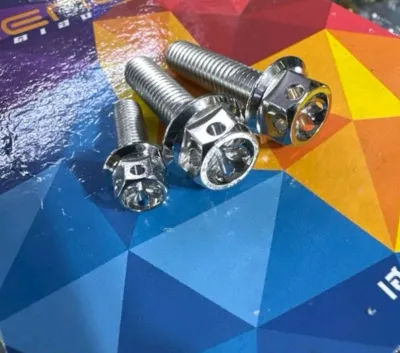
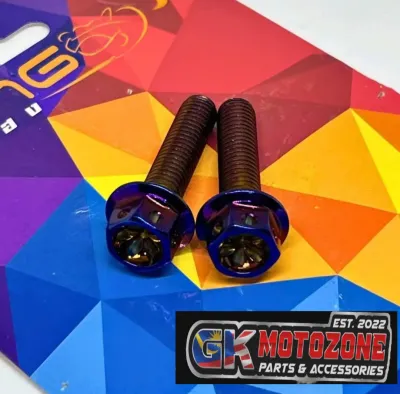
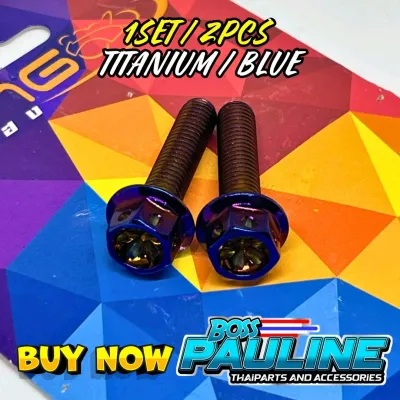
Prices are valid at publication and may change. Please refer to the product page for the latest price.
The Safety Verdict: Should You Use Generic or OEM Caliper Bolts?
The braking system of your Suzuki Raider 150 is a highly optimized assembly where every component is designed to work under extreme stress. OEM caliper bolts are engineered by Suzuki specifically for this motorcycle model, matching the exact metallurgical composition, tensile strength, thread pitch, and shoulder dimensions required. These bolts are not simple fasteners; they are highly specialized safety components designed to keep your brake calipers securely aligned under intense deceleration.
Generic bolts, by contrast, are typically mass-produced for general-purpose applications where mechanical loads are static and predictable. They lack the quality control, material certifications, and precise manufacturing tolerances required for automotive braking systems. Using an unverified generic bolt introduces an unpredictable variable into your brakes, which can manifest as a sudden failure during an emergency stop.
While high-quality aftermarket performance bolts (such as those made from high-tensile steel or specialized titanium alloys by established motorcycle brands) can be safe, they require careful verification. If you cannot absolutely verify the grade, origin, and specifications of an aftermarket bolt, the OEM Suzuki part remains the only truly safe choice. Ensuring your motorcycle uses genuine parts guarantees that its stopping power remains consistent and reliable under all riding conditions.
The Engineering Role of Caliper Bolts in Motorcycle Braking
To appreciate why caliper bolts require such high specifications, you must understand the physics of a motorcycle stop. When you squeeze the front brake lever of your Raider 150, hydraulic pressure forces the brake pads to clamp onto the spinning brake rotor. This action creates immense friction, converting kinetic energy into thermal energy. The rotational force of the wheel tries to drag the brake caliper along with the rotor, transferring massive shear stress and torsional loads directly to the caliper mounting bolts.

These bolts must resist these shear forces without bending, stretching, or snapping. In engineering terms, they must possess high yield strength (the point at which a material begins to deform permanently) and high tensile strength (the maximum stress a material can withstand before breaking). Motorcycle brake hardware typically requires specific ISO or JIS property classes, such as Grade 8.8, 10.9, or even 12.9, which are designed to handle these dynamic loads.
Thermal expansion is another critical engineering factor that these bolts must manage. As the brakes heat up during prolonged use—such as riding down steep mountain passes in Rizal or navigating stop-and-go traffic in Manila—heat transfers from the rotor to the caliper body and into the mounting bolts. This thermal cycling causes the metals to expand and contract. OEM bolts are engineered with thermal expansion rates that match the caliper and fork materials, ensuring they maintain consistent clamping force without loosening or seizing under extreme heat.
Furthermore, the physical design of the bolt head and shoulder plays a vital role in alignment. A proper caliper bolt often features a flange head or a precision-machined shoulder that fits perfectly into the caliper mounting holes. This precise fit prevents lateral movement and ensures the caliper remains perfectly centered over the brake rotor. Even a fraction of a millimeter of play can cause uneven pad wear, reduced braking efficiency, and dangerous brake drag.
Safety Risks of Using Unverified Generic Brake Hardware
Installing unverified generic bolts on your Raider 150’s braking system introduces several mechanical risks that can lead to severe accidents. The most immediate danger is bolt stretching or shearing under heavy braking. Low-grade generic fasteners, often made of soft carbon steel, cannot handle the peak shear forces of an emergency stop. If a bolt stretches, the caliper will shift, causing immediate brake misalignment; if it shears, the caliper can detach entirely, lock the front wheel, and throw you from the motorcycle.
Another common hazard is thread stripping within the caliper bracket or the aluminum fork mounts. Generic bolts often suffer from inconsistent thread profiles or incorrect thread pitches. Forcing a bolt with a slightly mismatched thread pitch into the soft aluminum of the Raider 150’s fork legs will instantly strip the receiving threads. Repairing stripped fork threads is a costly and complex process that often requires replacing the entire outer fork tube to restore structural integrity.
Cyclic fatigue is a silent threat that generic hardware cannot withstand. The roads in the Philippines present a continuous challenge, with potholes, speed bumps, and uneven asphalt causing constant vibration. These vibrations create cyclic fatigue within the metal of the bolts. Without proper metallurgical heat treatment, generic fasteners will develop microscopic internal cracks over time, eventually snapping without warning during a routine ride.
Finally, the tropical climate of the Philippines accelerates galvanic corrosion and chemical degradation. The combination of high humidity, heavy monsoon rains, and coastal salt air creates a highly corrosive environment. Generic bolts typically lack high-quality anti-corrosion surface treatments like zinc plating or Dacromet. Over time, moisture penetrates the threads, causing the steel bolt to fuse chemically with the aluminum fork leg. This seizing makes future brake maintenance extremely difficult and often results in broken bolts or ruined mounting threads during removal.
Sourcing Safe Alternatives When OEM Bolts Are Unavailable
If you find yourself in a situation where OEM Suzuki caliper bolts are temporarily out of stock at your local dealership, you must follow a strict verification framework before purchasing any aftermarket alternative. Never walk into a standard home improvement or neighborhood hardware store to buy brake bolts. The fasteners sold in those venues are rated for static construction loads and are entirely unsuitable for the dynamic forces of a motorcycle braking system.
First, inspect the head markings of any candidate bolt to verify its strength grade. High-tensile metric bolts are marked with numbers on the head, such as 8.8, 10.9, or 12.9. You must ensure that the replacement bolt matches or exceeds the strength rating of the original OEM hardware. If a bolt has a blank head or lacks clear grade markings, treat it as unsafe and do not install it on your motorcycle.
Second, use a digital caliper and a thread pitch gauge to verify the exact dimensions of the replacement bolt. You must measure the thread diameter, the thread pitch (the distance between individual thread crests), and the overall length of the bolt. For example, if your Raider 150 requires an M8 bolt with a 1.25mm thread pitch, a bolt with a 1.0mm pitch will feel tight initially but will strip the threads if forced. The unthreaded shank length must also match the OEM bolt perfectly to ensure the caliper is held by the strongest part of the bolt rather than the threaded section.
Third, consider the material composition and surface coating of the bolt. While stainless steel bolts (such as SUS304) are highly popular among local riders for their shiny appearance and resistance to rust, some stainless alloys have lower tensile and shear strength than high-tensile carbon steel. If you choose stainless steel or titanium aftermarket bolts, you must verify that they are rated specifically for automotive brake caliper applications. Ensure they feature a high-quality, corrosion-resistant finish that can withstand the humid and wet Philippine climate.
Installation Precautions and Professional Service Boundaries
Installing brake components requires absolute precision and adherence to safety protocols. Before starting any work, consult the official Suzuki Raider 150 service manual to verify the exact torque specifications for your specific model year. Tightening brake caliper bolts by hand using a standard wrench is highly discouraged, as human hands cannot accurately gauge the precise torque required to secure these critical fasteners.
Using a calibrated torque wrench is mandatory for this installation. Over-tightening the bolts can stretch the metal beyond its yield point, weakening the bolt structurally or stripping the delicate aluminum threads of the fork mount. Under-tightening is equally dangerous, as the constant vibrations from riding will cause the bolts to back out, leading to caliper detachment. Always tighten the bolts in the sequence recommended by the manufacturer and to the exact Newton-meter (Nm) value specified.
Before inserting the bolts, thoroughly inspect the receiving threads in the fork leg or caliper bracket. Use a clean cloth or a dedicated brake cleaner to remove any dirt, road grime, or old threadlocker residue. If you observe any signs of cross-threading, stripping, or physical damage to the internal threads, stop immediately. Do not attempt to force a new bolt into damaged threads, as this will compromise the clamping force of the assembly.
If you do not possess a calibrated torque wrench, the correct measuring tools, or the mechanical confidence to perform this work safely, do not attempt it as a do-it-yourself project. Take your Suzuki Raider 150 to an authorized Suzuki service center or a qualified professional mechanic. Your braking system is your primary safety net on the road, and professional installation is a small price to pay for absolute peace of mind.
Frequently Asked Questions (FAQ)
Can I use standard hardware store bolts for motorcycle brakes?
No. Standard hardware store bolts are engineered for static, low-stress applications like home construction, shelving, or wooden furniture. They are typically made from low-carbon steel that lacks the tensile strength, dynamic shear resistance, and thermal tolerance required to withstand the extreme forces of a motorcycle’s braking system. Using these substandard fasteners on your caliper mounts can lead to sudden, catastrophic failure and severe road accidents.
Should I apply threadlocker to caliper mounting bolts?
You should only apply threadlocker if it is explicitly recommended in the official Suzuki Raider 150 service manual for your specific model year and caliper configuration. If the manual specifies its use, apply only the recommended type—typically a medium-strength blue threadlocker. Applying threadlocker unnecessarily or using an incorrect high-strength red formula can alter your torque wrench readings during installation, mask cross-threading, or make future bolt removal extremely difficult, which risks damaging the aluminum threads of your fork legs.
Community discussion
Share your experience or ask a question. Comments are reviewed before publication.