
Quick Answer: Genuine vs. Compatible Toyota Type IV ATF
Choosing between genuine OEM Toyota Type IV ATF and compatible aftermarket alternatives depends on your vehicle’s warranty status, maintenance history, and your personal risk tolerance. Genuine OEM Toyota Type IV ATF remains the safest and most reliable choice for vehicles still covered under a manufacturer or extended powertrain warranty, as well as for transmissions with an unverified service history. Sticking with the factory-specified fluid eliminates compatibility risks and ensures the transmission operates exactly as engineered.
High-quality compatible alternatives from reputable global lubricant brands are a highly viable, cost-effective option for out-of-warranty vehicles. If you choose an aftermarket fluid, you must verify that the product label or technical data sheet explicitly states that it meets or exceeds Toyota Type IV or JWS 3309 specifications. In the tropical climate of the Philippines, where severe stop-and-go traffic and high humidity put extra thermal stress on gearboxes, selecting a high-quality fluid is critical to preventing premature transmission wear.
Why Your Transmission Needs Specific Type IV Fluid
Toyota Type IV automatic transmission fluid (often designated as T-IV or JWS 3309) is a highly specialized fluid designed for older 4-speed and certain 5-speed automatic transmissions. These gearboxes were widely used in popular Toyota models from the late 1990s through the mid-2000s, including older generations of the Vios, Corolla Altis, Camry, Hilux, Fortuner, and Innova. Unlike modern transmissions that require low-viscosity fluids, these older gearboxes were engineered around the specific physical and chemical properties of Type IV fluid.
Products mentioned in this guide
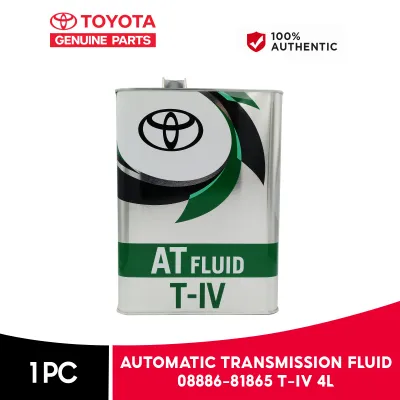
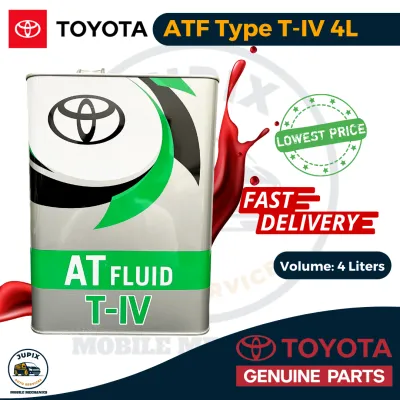
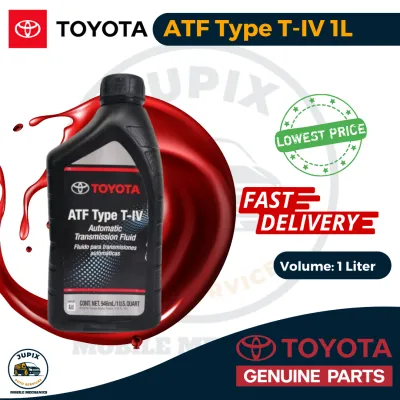
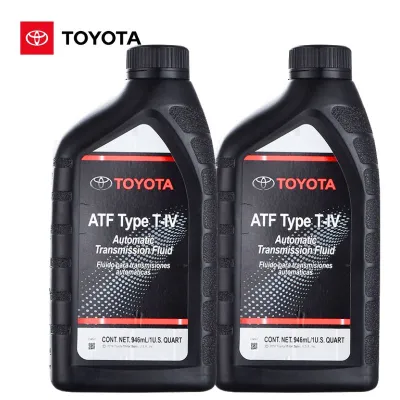
Prices are valid at publication and may change. Please refer to the product page for the latest price.

Automatic transmission fluids are highly complex chemical mixtures that perform multiple critical roles simultaneously. They act as a hydraulic fluid to actuate gear shifts, a coolant to transfer heat away from moving parts, a lubricant for gears and bearings, and a friction modifier for the internal clutch packs. The clutch materials inside a Toyota transmission are designed to interact with a very specific static and dynamic friction coefficient. Type IV fluid contains a precise balance of friction modifiers that prevent clutch slippage while ensuring smooth, positive engagement.
Using a generic or incorrect fluid standard can lead to severe operational issues. If the fluid’s viscosity or friction profile does not match the transmission’s design, you may experience harsh shifting, delayed engagement, clutch shudder, or accelerated wear on the internal components. Over time, the wrong fluid can cause the clutch plates to overheat and glaze, leading to catastrophic transmission failure. Therefore, the “Type IV” designation is a strict engineering requirement rather than a optional recommendation.
Comparing OEM and Aftermarket Type IV Fluids
To make an informed decision, you must evaluate how genuine OEM fluids and aftermarket alternatives compare across formulation standards, warranty coverage, and overall cost in the local market.
Formulation and Specification Compliance
Genuine OEM Toyota Type IV ATF is engineered specifically by or for Toyota to match the original factory fill characteristics. This formulation ensures complete compatibility with the specific elastomers, seals, and clutch materials used in Toyota gearboxes. The additive package is optimized to maintain its viscosity and anti-foaming properties over the recommended service interval, even under challenging operating conditions.
Aftermarket alternatives take a wider approach to formulation. Some brands offer dedicated fluids designed specifically for JWS 3309 or Type IV specifications, while others manufacture “multi-vehicle” fluids designed to cover several different manufacturer standards. When evaluating aftermarket options, you must look for an explicit statement on the physical bottle or technical data sheet confirming that the fluid meets or exceeds Toyota Type IV specifications.
Avoid relying on vague marketing claims such as “suitable for Asian vehicles” or “recommended for most automatic transmissions” if the specific Type IV or JWS 3309 standard is not listed. Multi-vehicle fluids often use compromise additive packages to span conflicting specifications, which may not provide the precise friction characteristics your specific clutch plates require.
Warranty Implications and Reliability
For vehicles still covered under an active manufacturer or extended powertrain warranty, using non-OEM fluid introduces significant risks. If a transmission failure occurs and the service center detects that an aftermarket fluid was used, the manufacturer may deny your warranty claim. They can argue that the non-OEM fluid did not meet their precise operating parameters, leaving you responsible for expensive repair costs.
For older, out-of-warranty vehicles, long-term reliability with an alternative fluid depends heavily on the quality control of the lubricant manufacturer. Reputable global brands conduct extensive testing to ensure their formulations protect internal components. However, high-mileage transmissions that have run on genuine Toyota Type IV ATF for many years adapt to that specific fluid’s friction characteristics.
Introducing a different brand’s additive package—even one rated for Type IV—can sometimes alter shifting feel or cause minor seal weeping due to different detergent levels. If your transmission has operated smoothly on OEM fluid for over 150,000 kilometers, continuing with the same formulation is often the most reliable path.
Cost and Availability in the Philippines
In the Philippine market, genuine Toyota Type IV ATF carries a premium price tag when purchased through authorized dealerships or official parts centers. Aftermarket alternatives from recognized global lubricant brands are generally more affordable and widely available at local auto supply shops, independent service centers, and established online marketplaces.
When comparing prices, calculate the total volume required for your specific maintenance procedure rather than just the price per liter. A standard drain-and-fill typically requires only 3 to 4 liters of fluid, meaning the total cost difference between OEM and aftermarket is relatively small. However, a complete transmission system service or a full fluid exchange can require 8 to 12 liters, where the savings from a high-quality alternative become much more significant.
Additionally, the local market presents a real risk of counterfeit products, especially for popular genuine OEM fluids. Counterfeiters often package cheap, low-grade hydraulic oil in bottles that closely mimic genuine Toyota packaging. To avoid damaging your transmission with counterfeit fluid, always purchase genuine OEM products from authorized dealerships or highly reputable distributors. If you choose an aftermarket alternative, buy directly from official brand stores or certified retail partners.
When to Choose Genuine OEM Toyota Type IV ATF
There are several distinct scenarios where choosing genuine OEM Toyota Type IV ATF is the most practical and safest decision for your vehicle:
- Active Powertrain Warranty: If your vehicle is still covered by a manufacturer or extended powertrain warranty, you should exclusively use genuine OEM fluid. This protects you from potential warranty disputes and ensures compliance with factory service guidelines.
- High-Mileage Consistent History: For older vehicles with high mileage (e.g., over 150,000 kilometers) that have a documented history of regular servicing with genuine Toyota fluid, sticking with the OEM product is highly recommended. The transmission's internal seals, solenoids, and clutch plates have adapted to the specific friction modifiers and detergent levels of the OEM formula. Switching to a different brand's additive package could dislodge settled deposits or alter clutch grip, potentially causing slippage or shifting anomalies.
- Absolute Peace of Mind: If you prefer to eliminate all technical variables and ensure your vehicle performs exactly as the factory intended, the extra cost of genuine fluid is a worthwhile investment. It removes the need to analyze technical data sheets, compare viscosity indexes, or worry about compatibility issues.
When a Compatible Alternative Makes Sense
Using a compatible aftermarket alternative is a sensible and cost-effective choice under the following conditions:
- Out-of-Warranty Daily Drivers: For older, out-of-warranty models where minimizing maintenance costs is a priority, high-quality compatible fluids are highly practical. When a vehicle's market value has depreciated, paying dealership prices for fluid may not make financial sense.
- Established Lubricant Manufacturers: You can safely use alternative fluids from globally recognized, reputable lubricant manufacturers (such as Mobil, Castrol, Aisin, or Shell) that have a proven track record in automatic transmission fluids. Aisin, for example, is a major original equipment manufacturer for Toyota transmissions, making their aftermarket fluids highly trusted within the automotive community.
- Explicit Specification Matching: Only use aftermarket fluids that explicitly print Toyota Type IV or JWS 3309 compatibility on their packaging or technical data sheets. Avoid obscure, unbranded, or suspiciously cheap fluids that do not provide clear technical specifications.
- Severe Operating Conditions: Some premium synthetic aftermarket ATFs are formulated to offer superior thermal stability compared to conventional mineral-based OEM fluids. In the Philippines, where vehicles frequently idle in heavy traffic under high ambient temperatures, a high-quality synthetic alternative can provide enhanced resistance to oxidation, keeping the transmission running cooler.
How to Verify Specifications and Change the Fluid Safely
Before purchasing any fluid or performing maintenance, you must verify your vehicle’s exact requirements and follow safe service procedures.
- Verify the Required Specification: Check your vehicle's owner's manual or locate the transmission dipstick under the hood. The dipstick blade or the transmission fill plug is typically stamped with the required fluid specification (e.g., "Type T-IV"). Ensure your vehicle does not require a different standard, such as the newer low-viscosity Toyota WS (World Standard) or older Dexron fluids, as these are not directly interchangeable.
- Inspect the Old Fluid Condition: Pull the transmission dipstick and wipe it on a clean white paper towel to check the fluid's color and smell. Healthy Type IV fluid is typically light red or pinkish. If the fluid is dark brown or black, has a distinct burnt odor, or contains visible metallic particulates, this indicates significant internal clutch wear or mechanical damage. In this situation, simply changing the fluid will not repair the mechanical wear and might even accelerate transmission slippage. Consult a qualified professional mechanic for a comprehensive diagnostic check.
- Choose a Safe Service Method: For older or high-mileage vehicles with an unverified service history, a simple manual drain-and-fill is generally safer than a high-pressure machine flush. High-pressure flushes can dislodge accumulated debris and force it into the delicate passages of the valve body, clogging solenoids and causing transmission failure. A manual drain-and-fill replaces about one-third to one-half of the fluid, safely refreshing the additive package without disturbing settled sediments.
- Prioritize Safety and Instructions: Always check the applied product's label and the treated item's manufacturer instructions before starting. If instructions conflict, if the vehicle model's specific requirements are unclear, or if you are uncomfortable performing the procedure, stop immediately and consult a certified automotive professional.
Frequently Asked Questions (FAQ)
Can I mix genuine Toyota Type IV ATF with a compatible alternative?
It is strongly recommended to avoid mixing different brands or formulations of automatic transmission fluid, even if both are certified as Type IV compliant. Different manufacturers use distinct chemical additive packages, friction modifiers, and base oils. Mixing them can alter the fluid’s overall viscosity, reduce the effectiveness of anti-foaming agents, and compromise the precise friction characteristics required for smooth gear changes. If you are transitioning from genuine Toyota fluid to an aftermarket alternative, perform a complete drain-and-fill (or consecutive drain-and-fills over a short period) to ensure the transmission operates on a consistent formulation.
Is Toyota Type IV ATF the same as Dexron III?
No, Toyota Type IV ATF is not the same as Dexron III. While older Toyota vehicles from the 1980s and early 1990s sometimes specified Dexron fluids, Toyota Type IV was introduced to meet the highly specific friction requirements of newer slip-controlled locking clutch transmissions. Dexron III has different friction coefficients and viscosity characteristics. Substituting Dexron III in a transmission that explicitly requires Type IV can lead to severe clutch slippage, harsh shifting, increased operating temperatures, and premature wear of the internal components. Always consult your owner’s manual or the transmission dipstick to verify the exact specification required for your vehicle.

Community discussion
Share your experience or ask a question. Comments are reviewed before publication.