
A color-coded car cloth system assigns specific colors of microfiber towels to dedicated areas of a vehicle, such as the wheels, exterior paint, glass, and interior cabin. By keeping these cloths separate, you prevent cross-contamination—the accidental transfer of abrasive brake dust, grease, or harsh chemicals from dirty zones to delicate surfaces like clear coats and leather. This simple organizational method ensures that each towel only touches the surfaces it is intended for, preserving your vehicle’s finish and streamlining your detailing workflow.
When you wash a car, you deal with a wide variety of contaminants, ranging from loose dust on the dashboard to highly abrasive metallic brake dust on the wheels. Using the same towel across these different zones risks dragging sharp particles across your paint, resulting in unsightly swirl marks and scratches. Implementing a color-coded system removes the guesswork, allowing you to instantly identify which cloth belongs to which task, even in the middle of a busy wash session.
Why Use a Color-Coded Car Cloth System?
The primary benefit of a color-coded system is the prevention of cross-contamination. Road grime, engine grease, and brake dust contain microscopic metallic and silica particles that embed deeply within the split fibers of microfiber cloths. Even after a thorough wash, some microscopic debris can remain trapped in the fibers. If you accidentally use a towel previously designated for wheels on your vehicle’s exterior paint, those trapped particles can act like fine sandpaper, micro-marring the delicate clear coat.
Products mentioned in this guide
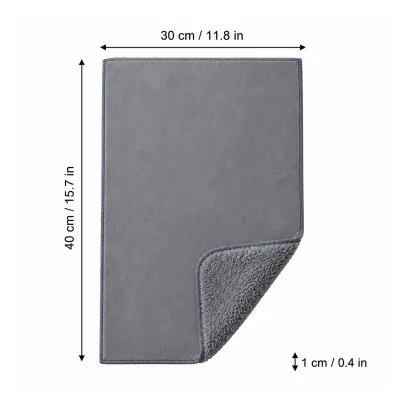
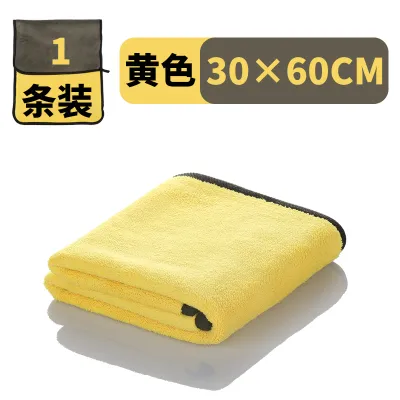
Prices are valid at publication and may change. Please refer to the product page for the latest price.
Beyond protecting your paint, color-coding safeguards your vehicle’s interior. Exterior detailing often involves aggressive chemicals, such as iron removers, heavy-duty degreasers, and polymer waxes. If a cloth saturated with these chemical residues is later used to wipe down a delicate infotainment screen, instrument cluster, or soft leather seat, it can cause permanent staining, chemical etching, or peeling of protective coatings. Keeping interior and exterior cloths strictly separated eliminates this risk entirely.
Organization and efficiency also receive a significant boost when you color-code your towels. During a multi-step detail involving washing, claying, polishing, and waxing, you will accumulate dozens of damp and dirty cloths. Without a visual system, it is incredibly easy to mistake a wax-removal towel for a final buffing cloth, which can ruin your finish or leave behind oily streaks. A quick glance at the color tells you exactly where you stand in your workflow, saving time and reducing frustration.
Common Color Conventions for Different Vehicle Zones
While there is no official governing body that dictates which color must be used for a specific detailing task, the professional detailing community has established several widely accepted conventions. These conventions are designed around practical considerations, such as how easily dirt shows up on a specific color and how likely a dye is to bleed. Adopting these common standards makes it easier to buy supplies and train anyone else who might help you wash your vehicles.

For wheels, tires, and engine bays, dark colors like black, dark brown, or deep grey are the standard choice. These areas accumulate the heaviest, most stubborn grime, including black grease, road tar, and metallic brake dust. Dark cloths mask these unsightly stains, keeping your detailing kit looking clean and professional over time. When working in the engine bay or near the wheels, always consult your vehicle’s manual to avoid disturbing sensitive electrical connectors, sensors, or brake components.
Exterior paint and bodywork are typically paired with bright, high-visibility colors such as yellow, orange, or bright red. The high contrast of these bright colors makes it incredibly easy to spot trapped dirt, twigs, or larger grit particles embedded in the fibers before you touch the paint. Additionally, bright colors help you monitor when a specific fold of the towel has become saturated with dirt, prompting you to flip to a clean section to ensure safe, scratch-free wiping.
Glass and mirrors are almost universally cleaned using blue cloths. This convention is so strong that manufacturers often produce their specialized glass-cleaning weaves, such as waffle weaves or ultra-low-pile flat weaves, exclusively in blue. Using a dedicated blue cloth for glass prevents you from accidentally using a towel that contains wax or polish residues, which would cause severe streaking and compromise your visibility while driving.
Interior surfaces, dashboards, and upholstery are commonly cleaned with green, light grey, or white cloths. Light-colored cloths are excellent for interior work because they allow you to monitor exactly how much dust, body oil, and grime you are pulling off the surfaces. Furthermore, using white or light-colored cloths on delicate leather and fabric cabins prevents the risk of dye transfer, which can occur if a highly saturated dark dye bleeds under the influence of strong interior cleaners. Always follow the specific product label instructions on your interior cleaners and leather conditioners to ensure chemical safety on these sensitive materials.
How to Build and Customize Your Detailing Cloth Setup
While color-coding is an excellent organizational tool, you must prioritize manufacturer specifications over color alone when selecting your towels. A microfiber cloth’s performance is determined by its weight, measured in Grams per Square Meter (GSM), its weave type, and its edge design. A bright yellow towel might be designated for paint, but if it has a low GSM and rough, polyester-stitched edges, it can still scratch your clear coat.
For delicate paintwork and final buffing, look for high-GSM towels, typically between 400 and 600 GSM, with edgeless designs or soft silk-banded borders. These plush towels have long, soft loops that safely pull dust and wax residues away from the paint surface. For interior plastics, leather, and general utility tasks, a medium-weight towel of 300 to 350 GSM with a closed-loop weave provides the necessary scrubbing power without being overly aggressive. Glass requires specialized low-GSM, flat-weave, or waffle-weave towels to prevent linting and streaking.
If you prefer to buy bulk packs of single-color towels to save money, you can still build a highly effective custom system. For example, if you purchase a large pack of grey towels, you can designate them as your primary utility cloths and buy smaller, distinct packs of blue for glass and yellow for paint. The key is consistency; write down your custom color key and stick to it throughout your detailing routine so that your muscle memory takes over.
To maintain the integrity of your system over time, store your clean cloths in clearly labeled, dust-free containers. Use separate plastic storage bins or zippered bags labeled “Paint Only,” “Interior,” “Glass,” and “Dirty Zones.” This prevents clean towels from touching one another and transferring lint or residual oils while in storage, ensuring that when you grab a blue towel, it is pristine and ready for streak-free glass cleaning.
Washing and Maintaining Your Microfiber Cloths by Zone
The care and laundering of your microfiber cloths are just as important as how you use them on your vehicle. Cross-contamination frequently occurs in the washing machine when heavily soiled wheel and engine cloths are washed alongside delicate paint and glass towels. The grease, oil, and metallic particles washed out of the dirty cloths can suspend in the wash water and re-deposit onto the plush fibers of your paint towels, ruining their safety profile.
To prevent this, always separate your laundry loads by zone. Wash your heavily soiled wheel, tire, and engine cloths in a completely separate load from your paint, glass, and interior towels. If a cloth is exceptionally greasy, consider pre-rinsing it in a bucket with a degreaser before putting it into the washing machine. This extra step protects your washing machine and ensures a cleaner wash cycle for your remaining microfiber collection.
When washing microfiber, never use fabric softeners, bleach, or powdered detergents. Fabric softeners coat the microscopic polyester and polyamide fibers with a chemical film, completely destroying their natural static charge and water absorbency. Instead, use a dedicated microfiber wash or a mild, dye-free, scent-free liquid laundry detergent. Always wash on a cold or warm cycle, and check the care instructions on the product packaging before the first wash to ensure proper maintenance.
Drying your microfiber cloths requires equal care. High heat can melt the microscopic plastic fibers, fusing the split ends together and turning a soft towel into a rough, scratchy rag that will damage your paint. Air dry your cloths in a clean, dust-free environment, or tumble dry them on the lowest possible heat setting or a no-heat fluff cycle. Once dry, immediately transfer them to their designated, labeled storage bins to keep them free of airborne dust.
Frequently Asked Questions (FAQ)
Can I use the same color cloth for both the interior and exterior?
Using the same color cloth for both the interior and exterior is highly discouraged due to the severe risk of chemical and physical cross-contamination. Exterior cloths frequently come into contact with abrasive road grit, brake dust, and aggressive chemicals like wheel cleaners, bug removers, and paint sealants. If even a small amount of these residues remains on the cloth and is transferred to the interior, it can scratch delicate infotainment screens, stain leather upholstery, or degrade soft-touch plastics. Keeping dedicated, separately washed interior cloths in a distinct color ensures your cabin remains pristine and undamaged.
Do I need to buy a pre-packaged color-coded set?
You do not need to buy a pre-packaged color-coded set, though they offer excellent convenience for beginners. Pre-packaged sets provide an immediate, easy-to-understand visual separation right out of the box, saving you the trouble of sourcing different colors individually. However, advanced detailers often prefer to buy bulk single-color packs of specific GSM weights and weave types to customize their setup. This allows them to select the exact physical specifications required for specialized tasks, such as high-plush towels for ceramic coating removal and waffle-weaves for glass, while establishing their own custom color rules.

Community discussion
Share your experience or ask a question. Comments are reviewed before publication.