
Finding the correct tire size for your vehicle can feel overwhelming when faced with dozens of alphanumeric codes, especially when you want to upgrade to a reliable brand like Toyo. To find the exact Toyo tire size that safely fits your specific vehicle, you must cross-reference your vehicle’s original equipment manufacturer (OEM) specifications—found on your driver’s side door jamb placard or in your owner’s manual—with the physical markings on your current tires. Guessing your tire dimensions or relying solely on automated online lookup tools can lead to severe safety hazards, compromised handling, and costly mechanical damage. Taking the time to verify these details ensures your vehicle remains safe, efficient, and compliant with local road regulations.
Why is exact tire sizing critical for your vehicle's safety and performance?
Exact tire sizing is critical because your vehicle’s suspension, braking systems, speedometer, and safety features are calibrated to operate within highly specific dimensional tolerances. When you install tires that do not match the manufacturer’s specified dimensions, you alter the overall rolling diameter of the wheel assembly. This discrepancy directly impacts your speedometer accuracy, causing it to display a speed slower or faster than your actual velocity on the road, which can lead to unintended speeding violations or safety risks.
Furthermore, incorrect tire dimensions can cause the tire tread to rub against the inner fender liners or suspension components during tight turns or when driving over bumps. This physical contact leads to rapid, uneven tire wear and can cause sudden, dangerous blowouts while driving. The vehicle’s electronic stability control and anti-lock braking systems also rely on precise wheel speed calculations; incorrect tire sizes can confuse these sensors, leading to delayed braking responses or unexpected system interventions.
Products mentioned in this guide
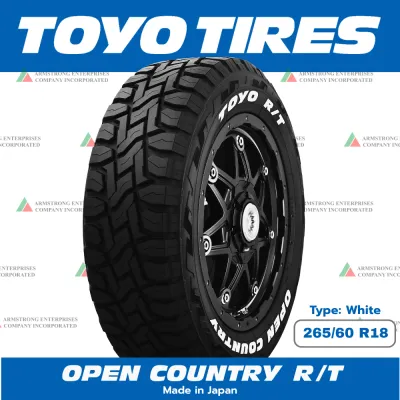
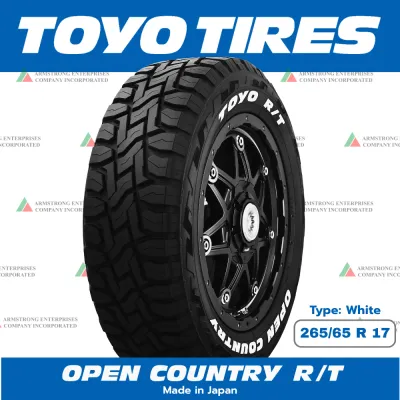
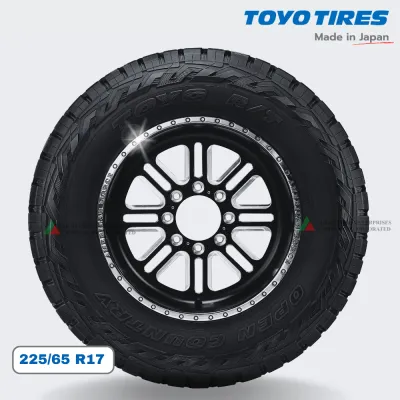
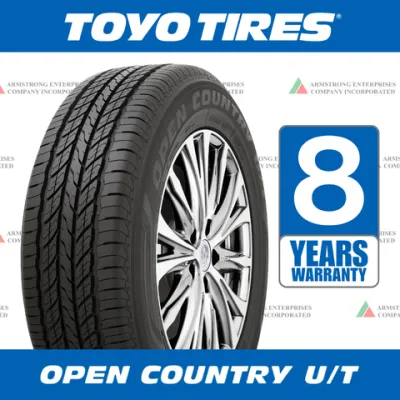
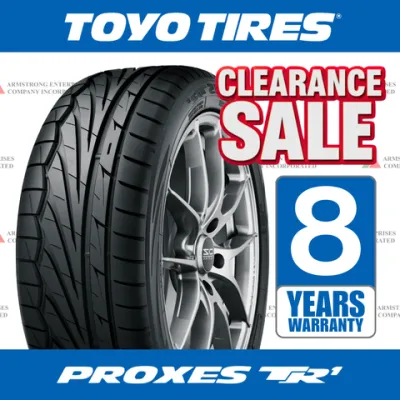
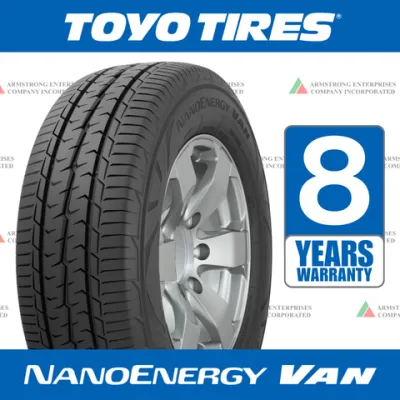
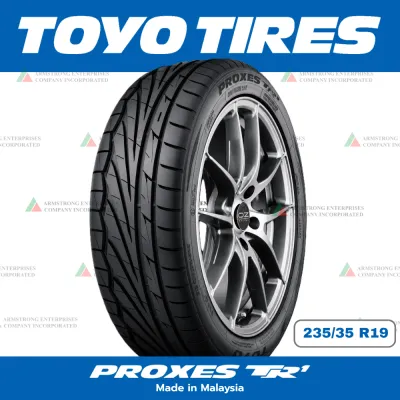
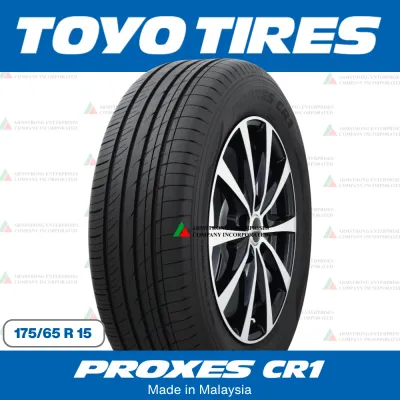
Prices are valid at publication and may change. Please refer to the product page for the latest price.
When it comes to Toyota tire sizing, many drivers mistakenly assume that every vehicle of a specific model shares the exact same tire size across all production years. In reality, manufacturers frequently equip different trim levels of the same model with varying wheel diameters and tire widths to accommodate different engine outputs, suspension setups, or aesthetic packages. Relying on unverified online forums or visual estimates instead of official manufacturer specifications introduces a high risk of purchasing incompatible tires that compromise your vehicle’s stability control systems and overall road safety.
Where can you locate the official manufacturer-recommended tire size?
The most reliable physical source for your vehicle’s official manufacturer-recommended tire size is the tire information placard, which is typically located on the driver’s side door jamb. To find this placard, open the driver’s door and inspect the metal pillar where the door latches to the frame. This label lists the exact tire dimensions required for both the front and rear axles, along with the recommended cold tire inflation pressure. Maintaining the correct cold tire pressure is essential for optimal tread wear, fuel economy, and load-carrying capacity, so always refer to this placard rather than the maximum pressure rating printed on the tire sidewall itself.

If the door jamb placard is missing, faded, or painted over, your next primary resource is the vehicle owner’s manual. Look in the index under “Tires,” “Specifications,” or “Technical Data” to find the dedicated tire and wheel sizing section. The manual will outline the approved tire dimensions, load indexes, and speed ratings for every engine and trim configuration available for your model year. This documentation is particularly useful if your vehicle has been modified by a previous owner and you need to restore it to factory specifications.
For instance, if you are researching Toyota tire sizing for a Corolla or a Hilux, secondary placards containing tire specifications might be placed in alternative locations. Check the inside of the glove compartment door, the inner surface of the fuel filler door, or the floor of the trunk near the spare tire well. If you cannot locate any physical labels and do not have the owner’s manual, contact an authorized local dealership with your Vehicle Identification Number (VIN) to retrieve the exact factory specifications before purchasing new Toyo tires.
How do you read the size code on your current tire sidewall?
Reading the size code on your current tire sidewall requires breaking down a standardized alphanumeric sequence that describes the tire’s physical dimensions, construction type, and performance limits. For example, if your tire sidewall reads “P205/55R16 91V”, the first letter “P” indicates a passenger car tire (while “LT” would indicate light truck). The number “205” represents the section width of the tire in millimeters from sidewall to sidewall. The two-digit number following the slash, “55”, is the aspect ratio, which means the sidewall height is 55 percent of the tire’s section width. The letter “R” denotes radial construction, and the “16” indicates the wheel rim diameter in inches that the tire is designed to fit.
Immediately following the tire size is the service description, consisting of a number and a letter, such as “91V”. The number “91” is the load index, representing the maximum weight capacity the tire can safely support when fully inflated. The letter “V” is the speed rating, indicating the maximum speed capability of the tire under safe operating conditions. Never install a tire with a lower load index or speed rating than what is specified by your vehicle’s manufacturer, as doing so can lead to premature tire failure under heavy loads or high speeds.
While reading your current sidewall is a helpful step, you must always cross-reference these numbers with the vehicle’s official OEM placard. If a previous owner modified the vehicle or fitted incorrect replacement tires, simply copying the existing tire size could perpetuate an unsafe setup. Always verify that the tires currently installed on your vehicle actually match the manufacturer’s recommendations before ordering replacements.
How do you verify Toyo tire compatibility when shopping on Philippine e-commerce platforms?
Verifying Toyo tire compatibility on Philippine e-commerce platforms requires a meticulous comparison of the online listing details against your verified OEM specifications, alongside a thorough check of the seller’s credentials and product manufacturing dates. When browsing online marketplaces, do not rely solely on search filters or generic product titles. Carefully read the full product description to confirm that the section width, aspect ratio, rim diameter, load index, and speed rating match your vehicle’s requirements exactly. Inspect the seller’s uploaded images of the tire sidewall to verify that the printed specifications align with the text in the listing.
Before finalizing your purchase, ask the online seller to provide the Department of Transportation (DOT) manufacturing date code stamped on the tire sidewall. This four-digit code indicates the week and year of manufacture (for example, “3225” means the 32nd week of 2025). Avoid purchasing tires that have been sitting in storage for more than a few years, as rubber compounds naturally degrade over time, even when unused.
Compare prices in Philippine Pesos (₱) across multiple reputable online stores, keeping in mind that unusually low prices may indicate counterfeit products or old stock. Verify that the seller is an authorized Toyo dealer or a highly rated merchant with clear return policies in case of fitment discrepancies. Because shipping heavy items like tires can be expensive, ensuring the seller offers a reliable return or exchange policy for incorrect shipments is crucial.
Ensure that the specific Toyo tire model you select is designed for the driving conditions in the Philippines. Given the country’s tropical climate, which features intense summer heat and heavy rainfall during the monsoon season, look for Toyo tire models that offer excellent wet traction, hydroplaning resistance, and heat dissipation. All-season or summer-performance tread patterns are generally more suitable for local roads than specialized winter tires, which are not designed for tropical temperatures.
What should you do if your desired Toyo tire size is unavailable or discontinued?
If your desired Toyo tire size is unavailable or discontinued, you should consult a certified tire professional or an authorized vehicle dealership to identify safe, manufacturer-approved alternative sizes or equivalent tire models. Attempting to guess an alternative size or opting for a slightly different aspect ratio or width without professional guidance can severely compromise your vehicle’s safety. Changing tire dimensions without proper calibration can interfere with your anti-lock braking system (ABS), electronic stability control (ESC), and advanced driver assistance systems (ADAS). Unapproved “plus sizing” can also cause mechanical interference with your suspension arms or brake calipers.
If you cannot find the exact OEM size in stock, pause your purchase rather than forcing an incompatible fitment. A certified tire technician can help you determine if a slightly different tire size is safe for your specific wheels, or they can recommend an alternative Toyo tire line that matches your vehicle’s load and speed requirements. Prioritizing professional consultation ensures that your vehicle remains road-legal, safe, and performing at its best.

Community discussion
Share your experience or ask a question. Comments are reviewed before publication.