
Choosing between a half-face and a full face mask depends on your riding environment, average speeds, and local weather conditions. A full face mask provides comprehensive coverage against wind, dust, insects, and rain, making it highly effective for high-speed highway cruising or wet weather. Conversely, a half-face mask covers only the lower portion of the face, offering superior breathability, easier helmet integration, and unrestricted peripheral vision, which is highly advantageous for low-speed city commuting in hot, humid conditions.
While both options serve as protective barriers against environmental elements, they present distinct trade-offs in comfort and visibility. Neither mask is a substitute for a certified motorcycle helmet; they are accessories designed to enhance rider comfort and shield the skin from debris. Understanding how these designs perform under real-world conditions will help you select the right gear for your daily commute or weekend touring.
Core Trade-Offs and Protection Coverage
A full face mask, often designed as a balaclava, covers the entire head, neck, and face, leaving only a cutout for the eyes. This complete enclosure creates a continuous barrier against external elements, preventing windburn during long rides and keeping road grime off your skin. The extended neck skirt is particularly useful for sealing the gap between your jacket collar and helmet, preventing cold drafts or rain from entering.
Products mentioned in this guide
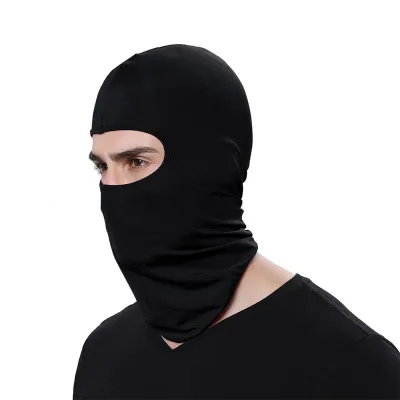
2,820 Lazada user ratings
Honest review guys: Maganda yung tela niya, hindi makati, medyo malamig sa balat, at comfortable. Ang negative lang para sa akin is kung gag…Read full reviewShow less
Honest review guys: Maganda yung tela niya, hindi makati, medyo malamig sa balat, at comfortable. Ang negative lang para sa akin is kung gagamitin mo siya bago isuot ang helmet, bitin sa batok, so maaarawan pa rin. Diskartehan niyo na lang ng jacket. Yun lang.
Durable and long-lasting., Versatile and multi-functional., Provides full face coverage., Great fit!, Perfect for outdoor activities.,
ok naman maganda pwede na mura pa pero mas maganda sana kung mahaba yung sa bandang batok para walang lusot yung sikat ng araw
Breathability:light material Protection:nice durag for sun protection Comfort:breathable and handy.
Great fit!, Stylish design., Excellent quality material., Durable and long-lasting.,

4,506 Lazada user ratings
Material:just ok Comfort:yes not bad at all Style:basic style good to used farming normal delivery ,packaging basic ,the items received in g…Read full reviewShow less
Material:just ok Comfort:yes not bad at all Style:basic style good to used farming normal delivery ,packaging basic ,the items received in good condition
Material:good Comfort:good Style:mali ang paglagay ng pansabit sa tenga..hahahaa..dapat sa magkabilangbside not in front and back..wala sa a…Read full reviewShow less
Material:good Comfort:good Style:mali ang paglagay ng pansabit sa tenga..hahahaa..dapat sa magkabilangbside not in front and back..wala sa ayos
Full face coverage design, Perfect for motorcycle use, Full face coverage design, Stylish and practical, Breathable ice silk fabric,
maganda magaan sa ulo , breathable ung mash effective na pansangga sa init at alikabok , recommended for outdoor
Manipis lang kaya ok lang
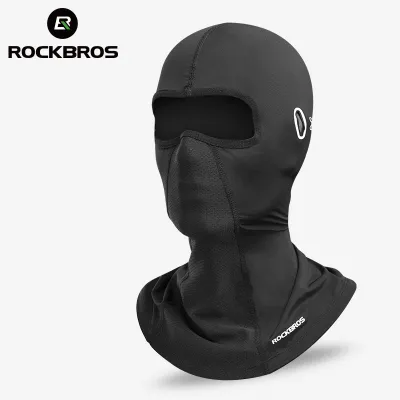
19,079 Lazada user ratings
Quality:good Appearance:good Performance:good Package is well pack, this is my repeat order and i love the product very much. very comfy. hi…Read full reviewShow less
Quality:good Appearance:good Performance:good Package is well pack, this is my repeat order and i love the product very much. very comfy. higly recommended.thanks seller and rider
Ganda nang tela...product of China 🇨🇳 Meron din ako isa pang inorder black kasama yung balikat natatakpan...thanks seller and always to lazad…Read full reviewShow less
Ganda nang tela...product of China 🇨🇳 Meron din ako isa pang inorder black kasama yung balikat natatakpan...thanks seller and always to lazada 😍👌🏻👌🏻 and to the delivery man or woman 😁😀
Quality:good Appearance:good Performance:good Package is well pack, this is my repeat orderl and i love the product very much. higly recomme…Read full reviewShow less
Quality:good Appearance:good Performance:good Package is well pack, this is my repeat orderl and i love the product very much. higly recommended.thanks seller and rider
Reusable and durable, Ideal for summer adventures, Perfect for outdoor activities, Provides UV protection, Convenient glasses hole,
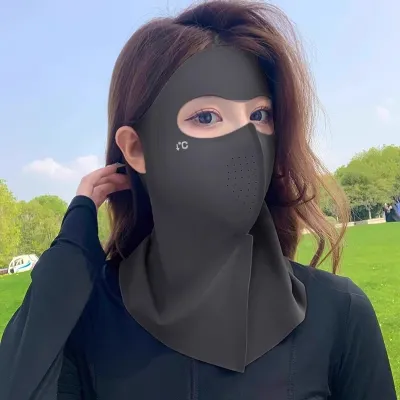
11 Lazada user ratings
Hello, good day to All, we recived the package in good condition, it's nice to cover the face and neck
very nice Ang Ganda , Naka pag talk ng maayos Hindi bakat Ang nguso 😍. salamat
Prices are valid at publication and may change. Please refer to the product page for the latest price.
In contrast, a half-face mask covers only the area from the bridge of the nose down to the chin or neck. This design leaves the forehead, ears, and back of the head exposed, relying on the helmet shell to cover those areas. Because it is less bulky, a half-face mask is easier to put on and remove quickly during short stops.
When evaluating protection against road debris and insects, design boundaries play a critical role. At highway speeds, even small insects, gravel, or road salt kicked up by other vehicles can cause pain or distraction. A full face mask distributes the impact of these minor particles across a larger surface area, reducing the risk of skin irritation or injury.
Half-face masks offer localized protection for the nose and mouth but leave the upper face vulnerable if worn without a visor or goggles. If you choose a half-face design, you must ensure your eyewear seals tightly against the top edge of the mask. This prevents fine dust, sand, and insects from swirling upward into your eyes at high speeds.
Weather protection is another key differentiator, especially in tropical climates prone to sudden downpours. A full face mask keeps heavy rain from stinging your face, which can be highly distracting when navigating wet roads. However, in extreme heat, the extensive coverage can trap sweat, whereas a half-face mask allows the upper head to cool naturally.
It is vital to remember that neither mask style replaces a certified motorcycle helmet for impact protection. These fabric or neoprene accessories do not have structural reinforcement to protect against head or jaw injuries during a crash. Always verify product labels for material specifications, and ensure your primary protection comes from a helmet carrying valid safety compliance markings.
Riding Comfort and Helmet Compatibility
In hot and humid tropical climates, thermal retention is a major consideration for motorcycle riders. Wearing a full face mask can trap body heat and exhaled moisture, leading to rapid sweat buildup and skin irritation during slow-moving city traffic. Half-face masks allow heat to escape from the top of the head, keeping you significantly cooler when idling at intersections.

To combat heat and humidity, look for masks with advanced breathability features on the product label. Moisture-wicking fabrics, such as polyester-spandex blends or lightweight nylon, pull sweat away from the skin to accelerate evaporation. Perforated neoprene panels or mesh inserts over the mouth and nose also help exhaust warm air quickly, reducing moisture buildup inside the mask.
Helmet compatibility is another practical factor that affects overall riding comfort. A full face mask adds an extra layer of fabric around your entire head, which can make sliding into a snug full-face helmet difficult. This added bulk can fold your ears down or create painful pressure points around your temples during long journeys.
Half-face masks generally offer better compatibility with a wider range of helmet types, including open-face, modular, and half-helmets. They typically secure behind the neck or ears using hook-and-loop fasteners or elastic ear loops. This allows you to adjust the tightness independently of your helmet, ensuring the mask stays in place without shifting when you move your head.
To prevent chafing and discomfort, always check the manufacturer’s sizing charts and adjustable strap mechanisms before purchasing. A mask that is too tight will press uncomfortably against your nose and mouth, restricting breathing, while a loose mask will slip down constantly, requiring dangerous manual adjustments while riding.
Field of Vision and Visibility
Maintaining a clear, unobstructed field of vision is essential for road safety, and your choice of mask directly impacts your peripheral awareness. Half-face masks leave the upper face completely open, allowing you to utilize your natural peripheral vision fully. This makes it much easier to spot vehicles merging from side streets or pedestrians stepping off curbs in busy urban areas.
Some full-face masks, particularly those with integrated goggles or narrow eye cutouts, can slightly restrict your lateral and downward fields of view. This restriction requires you to turn your head more actively to check blind spots before changing lanes. When trying on a full-face mask, verify that the eye port does not block your view when you look left, right, or down at your instrument cluster.
Fogging is a common hazard for riders who wear prescription glasses, sunglasses, or helmets with closed visors. Exhaled breath naturally rises, and if a mask does not seal tightly around the nose, warm air will escape upward and condense on your lenses. This rapidly reduces visibility, especially during early morning rides or sudden rain showers.
To minimize fogging risks, look for masks that feature a moldable aluminum nose bridge or a dedicated rubber breath deflector. These design elements help direct exhaled air downward and away from your eyewear. Additionally, applying anti-fog treatments to your glasses or helmet visor can help maintain optical clarity in humid conditions.
Sun and glare protection should also influence your decision. Some full-face masks feature built-in UV-blocking eye shields or tinted visors, which protect your eyes from harsh sunlight without the need for separate sunglasses. Half-face masks do not offer built-in eye protection, meaning you must pair them with UV-rated sunglasses, goggles, or a tinted helmet visor to prevent eye strain.
How to Choose the Right Mask for Your Ride
Selecting the right mask requires evaluating your typical riding routes, average speeds, and local weather patterns. When budgeting between ₱200 and ₱800 for a quality mask, comparing these factors against your daily riding habits will help you make a practical decision.
- Choose a full face mask if: You frequently travel on expressways or high-speed provincial roads where wind pressure, flying debris, and large insects are constant hazards. They are also highly beneficial if you ride during the rainy season or in cooler, high-altitude regions where wind chill is a factor, as they provide complete coverage and insulation.
- Choose a half-face mask if: Your daily commute consists of low-speed city riding in heavy traffic, where maximum ventilation is necessary to combat tropical heat. This style is also ideal if you prefer open-face or modular helmets and want a lightweight, easily removable barrier against dust, exhaust fumes, and road grime.
- Verify first if: You wear prescription glasses or have a very tight-fitting helmet. Check the mask's nose bridge design to ensure it prevents fogging, and verify that the strap clearance does not interfere with your glasses' temples or cause painful pressure points under your helmet shell.
In summary, match the mask’s coverage to your primary helmet type and local climate. Balancing the need for physical protection against the necessity of staying cool and maintaining clear visibility ensures a safer, more comfortable ride on any road.
Frequently Asked Questions (FAQ)
Can I wear a full-face mask with a full-face helmet?
Wearing a thick full-face mask or balaclava under a snug full-face helmet can lead to excessive heat buildup, restricted breathing, and painful pressure points along the forehead and ears. It may also interfere with the helmet’s internal ventilation channels, causing your visor to fog up rapidly. If you use a full-face helmet, check the helmet manufacturer’s guidelines regarding under-helmet accessories. A thin, moisture-wicking half-face mask or a simple neck gaiter is often a more comfortable alternative that preserves the helmet’s engineered fit and airflow.
How do I clean and maintain my motorcycle mask?
To maintain the elasticity and protective qualities of your motorcycle mask, always consult the care label provided by the manufacturer for specific washing instructions. Generally, hand washing the mask in cool water with a mild detergent is the safest method to remove sweat, facial oils, and road grime. Avoid using bleach or fabric softeners, as these can degrade elastic fibers and clog breathable mesh panels. Always air-dry the mask flat or hang it in a shaded, well-ventilated area, keeping it away from direct sunlight to prevent UV damage to the fabrics and any integrated coatings.
Community discussion
Share your experience or ask a question. Comments are reviewed before publication.