
Upgrading your vehicle’s interior with a high-quality handbrake cover is an effective way to protect your cabin from wear while improving daily driving comfort. In the tropical climate of the Philippines, where high humidity and intense sunlight can rapidly degrade factory cabin materials, choosing the right cover requires focusing on heat resistance, sweat absorption, and a secure fit. The most practical options include breathable perforated leather, durable silicone, and high-grade synthetics that maintain their grip even during long, warm commutes. Selecting a cover is not just about matching your car’s aesthetic; it is a functional decision that directly impacts how safely and comfortably you interact with your vehicle’s primary parking mechanism.
Why Upgrade Your Handbrake Cover?
The handbrake lever is one of the most frequently touched components in a manual or traditional automatic vehicle. Over time, constant contact transfers oils, sweat, and dirt from your hands directly onto the factory surface. In a humid environment, this moisture acceleration can cause original leather to peel, crack, or become uncomfortably sticky. A dedicated cover acts as a protective barrier, preserving the resale value of your vehicle by keeping the original lever pristine.
Beyond protection, a handbrake cover significantly enhances tactile grip. Standard plastic or worn leather levers can become slippery, especially when your hands are damp from the tropical heat or after handling cold drinks. A textured cover provides the necessary friction to ensure your hand does not slip when engaging or releasing the brake. This small adjustment adds a layer of physical reassurance during daily parking maneuvers on steep inclines or in tight parking structures.
Products mentioned in this guide

![[Local] iriisy Universal Car PU Leather Gears Handbrake Cover Shift Lever Cover Collars Handbrake Cover Hand Brake Cover Anti-Skid Auto Parking Brake](https://img.lazcdn.com/g/p/02e5c2b40113488574ee11537a286cde.jpg_400x400q80.jpg_.webp)
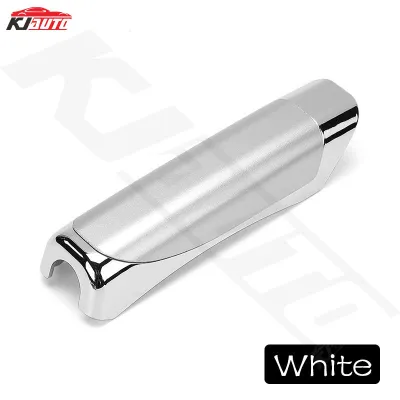
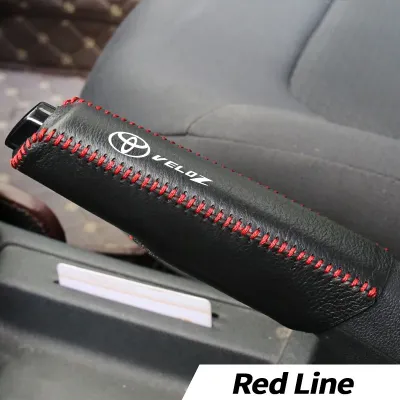
Prices are valid at publication and may change. Please refer to the product page for the latest price.
Finally, a handbrake cover allows you to personalize your cabin without committing to expensive, permanent modifications. Whether you want to coordinate with a new steering wheel cover, match your seat covers, or introduce a subtle accent color, this accessory offers an affordable styling path. However, any aesthetic upgrade must remain secondary to safety. The cover must improve the tactile feel of the lever without adding unnecessary bulk or interfering with the mechanical release button.
Key Styles and Aesthetic Options
When browsing the market, you will encounter several distinct design themes tailored to different interior layouts. Aligning your choice with your vehicle’s existing design ensures the accessory looks like an integrated factory option rather than an afterthought. Understanding these styles helps narrow down your choices based on whether you prioritize a sporty feel, a refined look, or a highly personalized cabin atmosphere.

Sport and Performance Styles
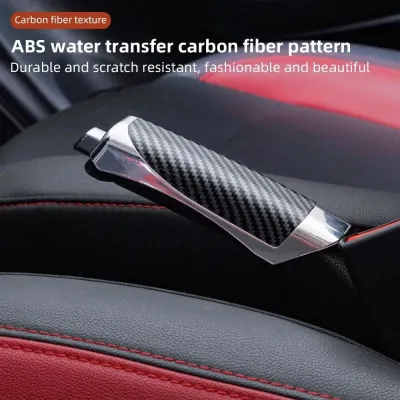
Sport-themed handbrake covers are designed to mimic the aggressive, track-inspired look found in high-performance vehicles. These covers frequently feature carbon fiber patterns, perforated textures, and bold contrast stitching in red, blue, or yellow. The visual design is intended to convey speed and precision, making them popular choices for compact hatchbacks, sedans, and sports cars.
Many performance-style covers utilize microfiber or synthetic suede materials to provide a soft, high-friction surface. When selecting a sport cover, it is important to verify whether the textured elements are functional or purely cosmetic. Some budget options use printed patterns that look like carbon fiber but feel smooth and slippery to the touch. For genuine utility, look for covers with physical perforations or raised stitching that actively assist your hand’s grip.
Luxury and Classic Styles
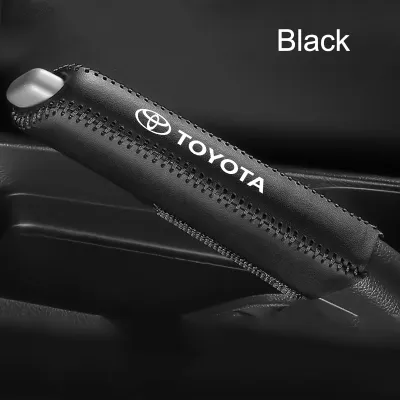
If your vehicle features a more traditional or elegant interior, luxury and classic styles offer a seamless match. These designs typically prioritize clean lines, minimalist stitching, and premium materials such as genuine leather or high-grade polyurethane (PU) leather. They are often available in neutral tones like black, beige, grey, or deep brown to blend effortlessly with factory upholstery.
Some luxury covers incorporate subtle wood-grain or chrome accents along the spine or base to complement the dashboard trim of executive sedans and family SUVs. When shopping for these styles, read the product descriptions carefully to distinguish between genuine top-grain leather and synthetic alternatives. While genuine leather offers unmatched durability and develops a unique patina over time, high-grade synthetics are often easier to clean and resist moisture damage more effectively in humid conditions.
Custom and Novelty Styles
For drivers who view their vehicle as an extension of their personality, custom and novelty handbrake covers offer endless variety. These options range from bright, eye-catching colors and custom embroidered logos to unique knitted patterns and plush fabric sleeves. They are highly popular among car club members and enthusiasts who enjoy showcasing their individual style at local meets.
While novelty covers are visually entertaining, they require extra scrutiny regarding safety and ergonomics. Extremely bulky, plush, or oddly shaped covers can alter the physical profile of the lever, making it difficult to wrap your fingers securely around the grip. Additionally, some knitted or fabric novelty covers lack an internal non-slip lining, which can cause the cover to slide or twist when you pull the handbrake. Always ensure the base material underneath the decorative exterior remains stable and secure.
Material Comparison: Durability and Grip
The material of your handbrake cover dictates how well it performs under daily stress and how long it lasts before showing signs of wear. In the Philippines, cabin temperatures can soar when a vehicle is parked under direct sunlight, causing low-quality plastics to degrade, emit odors, or become sticky. Evaluating materials based on their heat tolerance, sweat resistance, and maintenance needs is crucial for a long-lasting purchase.
Genuine leather remains a highly sought-after material due to its natural breathability and premium feel. It handles hand oils well and conforms to the shape of the lever over time, but it requires periodic conditioning to prevent drying and cracking under intense UV exposure. On the other hand, high-grade synthetic leather (such as microfiber leather) offers excellent durability and water resistance at a lower price point, making it highly practical for daily drivers.
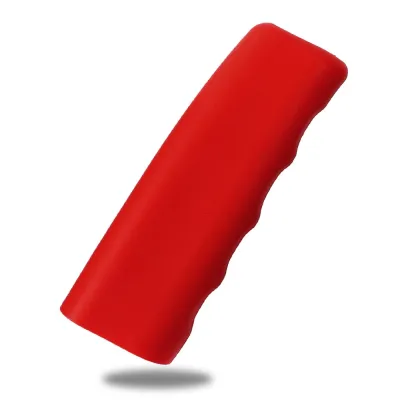
Silicone and rubber covers are exceptionally durable and offer outstanding wet grip, making them ideal for utility vehicles, off-road rigs, or drivers who prioritize pure functionality. These materials are completely waterproof, easy to wash, and do not absorb sweat or odors. However, they lack the premium appearance of leather and can sometimes feel overly utilitarian in a luxury cabin.
To help you compare your options, the table below outlines the key characteristics of the most common handbrake cover materials:
| Material Type | Grip Level | Durability | Maintenance Needs |
|---|---|---|---|
| Genuine Leather | High (improves with use) | Very High (requires care) | Moderate (needs periodic leather conditioner) |
| Synthetic Leather (PU/Microfiber) | Moderate to High | High | Low (wipe with a damp cloth) |
| Silicone / Rubber | Very High | High (resists tearing) | Very Low (washable with soap and water) |
| Plush / Fabric | Low to Moderate | Moderate | High (requires regular washing to remove sweat) |
When reviewing product listings on online marketplaces, always verify the specific material composition rather than relying on generic titles. Sellers often use terms like “leather” to describe synthetic materials, so checking the detailed specifications or customer feedback is essential to ensure you get the exact material you expect.
Fitment and Compatibility Checks
Before purchasing any handbrake cover, you must perform a series of compatibility checks to ensure the accessory does not compromise your safety. The most critical distinction to make is between a traditional mechanical handbrake lever and a modern electronic parking brake (EPB). Traditional levers require a full-length sleeve that covers the handle, whereas EPB systems utilize a small electronic switch on the console. If your vehicle has an EPB, a standard slip-on sleeve will not fit, and you will need to look for small, dedicated decorative trim covers designed specifically for your car’s switch model.
For vehicles with mechanical handbrakes, universal covers are widely available, but “universal” does not mean they fit every car perfectly. You must measure your handbrake lever’s physical dimensions before ordering. Use a flexible measuring tape to determine the total length of the handle, the circumference (girth) at its thickest point, and the distance from the base to the release button. Compare these measurements directly against the dimensions provided by the manufacturer.
The safety boundary for any handbrake cover is absolute: the accessory must never interfere with the mechanical operation of the brake. The cover must not block or restrict the movement of the release button at the tip of the lever. If the cover is too long, it may prevent the button from being fully depressed, making it difficult to disengage the brake. Conversely, if the cover is too loose, it can slide forward during use, potentially jamming the button or slipping off your hand at a critical moment.
Additionally, the cover must not add so much bulk that it prevents you from wrapping your hand completely around the lever. A secure, firm grip is necessary to pull the lever upward with sufficient force, especially when parking on steep inclines. If your vehicle has an unusually shaped handbrake lever, an integrated handbrake boot, or console-mounted controls close to the lever, consult your vehicle’s owner manual or a professional installer to identify compatible accessory designs.
Installation and Maintenance Basics
Installing a handbrake cover is generally a straightforward process, but the exact steps depend on whether you choose a slip-on design or a wrap-and-lace style. Slip-on covers, typically made of silicone, rubber, or flexible synthetic leather, rely on tension to stay in place. To install a tight slip-on cover, you may need to warm it slightly to make the material more pliable, then carefully slide it over the lever from the tip toward the base, ensuring the opening aligns perfectly with the release button.
Wrap-and-lace covers offer a highly secure, custom-looking fit but require more patience. These covers wrap around the lever and are secured using a needle and heavy-duty thread, similar to a steering wheel wrap. When installing a lace-up cover, pull the stitches tight to prevent any shifting or twisting during use. Regardless of the style, if you find that the cover is extremely difficult to align, or if it remains loose and rotates easily after installation, stop immediately and verify the sizing. A loose cover is a safety hazard and should not be used.
Maintaining your handbrake cover keeps it looking fresh and prevents the buildup of bacteria from sweat and dirt. For synthetic leather, silicone, and plastic covers, a simple wipe-down with a damp microfiber cloth and mild soap is usually sufficient. If you opted for genuine leather, apply a small amount of dedicated leather conditioner every few months to protect it from drying out under the intense heat of a parked car. Avoid using harsh chemical cleaners or silicone-based protectants that leave a slippery residue, as this can severely compromise your grip on the lever.
Where to Shop and What to Verify Before Checkout
In the Philippines, handbrake covers are widely available through local automotive accessory shops, specialty car tuning garages, and major online marketplaces. While shopping online offers convenience and a vast selection of styles, it requires a diligent verification process to avoid purchasing an incompatible or low-quality product. Never rely solely on the product title’s compatibility claims; instead, cross-reference the listed dimensions with your physical measurements.
Take the time to read through customer reviews, paying close attention to photos uploaded by other buyers. Look for feedback regarding how well the cover fits specific car models, whether the stitching holds up over time, and if the material has a strong chemical odor when exposed to heat. A strong, unpleasant smell is a common issue with low-grade plastics and synthetic rubbers, which can quickly fill your cabin when parked in the sun.
Finally, compare prices in ₱ across different sellers, keeping in mind that extremely cheap options may use inferior materials that degrade within a few months. Factor in shipping costs and check the seller’s return policy before finalizing your purchase. Choosing a seller that offers straightforward returns or exchanges provides peace of mind in case the cover does not fit your handbrake lever as expected.
Frequently Asked Questions (FAQ)
Does a handbrake cover affect the parking brake's holding power?
A handbrake cover is a purely cosmetic and tactile accessory that sits on the exterior handle of the lever. It does not connect to or alter the internal mechanical cables, calipers, drums, or tension settings that determine your vehicle’s actual braking force. The only way a cover can impact your parking brake’s functionality is through improper fitment. If the cover is too long or loose, it can physically block the release button or prevent you from pulling the lever up to its fully engaged position, which could compromise safety.
How do I measure my handbrake for a universal cover?
To measure your handbrake lever accurately, use a flexible sewing tape measure. First, measure the total length of the handle from the base where it meets the leather boot up to the base of the release button. Next, wrap the tape around the thickest part of the grip to find the circumference. Finally, measure the diameter of the release button at the tip. Compare these three measurements against the sizing chart provided by the seller to ensure a snug, secure fit.
Can I use a manual handbrake cover on an electronic parking brake?
No, manual handbrake covers are completely incompatible with electronic parking brakes (EPB). Traditional handbrake covers are long, cylindrical sleeves designed to fit over a mechanical lever. Electronic parking brakes utilize a small, flat switch located on the center console that you pull or push with a single finger. If your vehicle has an EPB, you must look for specialized decorative trim covers or adhesive accents designed specifically for your vehicle’s exact make and model.
Community discussion
Share your experience or ask a question. Comments are reviewed before publication.