
Choosing between Hankook and Maxxis tires for your scooter or underbone motorcycle requires a careful balance of daily commuting demands, local road conditions, and strict adherence to your vehicle’s original equipment manufacturer (OEM) specifications. While Maxxis is widely recognized for its extensive catalog of accessible, durable commuter tires tailored for small-displacement bikes, Hankook leverages its global automotive engineering heritage to offer stable handling and specialized rubber compounds. Neither brand represents a universal solution; the correct choice depends on verifying size compatibility, load ratings, and tread designs suitable for wet, humid tropical roads.
To ensure safety and optimal handling, riders must prioritize matching the exact physical and performance specifications of their motorcycles before comparing brand-specific features. Selecting a tire based solely on brand reputation without verifying these baseline metrics can compromise vehicle stability and increase the risk of accidents.
Verifying Baseline Specifications for Your Motorcycle
Before comparing tire brands, you must identify the exact specifications required by your motorcycle manufacturer. This information is located on your current tire’s sidewall and within your owner’s manual. Underbone motorcycles and scooters are highly sensitive to changes in tire dimensions, which can alter speedometer accuracy, fuel efficiency, and fender clearance.
Products mentioned in this guide
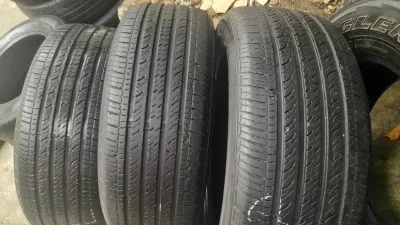

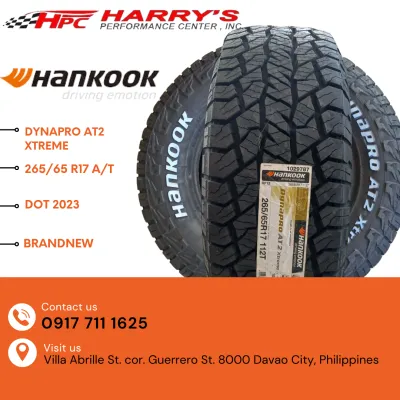
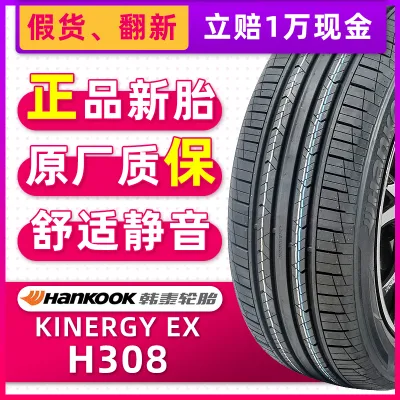
Prices are valid at publication and may change. Please refer to the product page for the latest price.
Reading the sidewall markings is the first step in this verification process. A typical marking such as 80/90-14 indicates a section width of 80 millimeters, an aspect ratio of 90 percent (meaning the height of the tire is 90 percent of its width), and a 14-inch rim diameter. Deviating from these dimensions without professional guidance can negatively impact the motorcycle’s geometry and handling characteristics.
Load index and speed ratings are equally critical safety metrics represented by a number and a letter following the size dimensions, such as 40P. The number indicates the maximum weight capacity the tire can safely support at its maximum inflation pressure, while the letter represents the maximum safe speed capability. Never install a tire with a lower load index or speed rating than what is specified by your motorcycle’s manufacturer, especially if you regularly carry pillion passengers or heavy cargo.
Additionally, you must verify whether your rims require tubeless (TL) or tube-type (TT) tires. Scooters typically utilize tubeless tires mounted on cast alloy wheels, whereas older or spoked-wheel underbones often require tube-type tires. Installing a tube-type tire on a tubeless rim, or vice versa without the correct setup, can lead to sudden pressure loss and tire failure.
Assessing Tread and Compound for Wet and Dry Grip
Grip on tropical roads depends heavily on tread design and rubber compound formulation. In regions characterized by heavy seasonal rainfall, high humidity, and sudden downpours, water evacuation is a primary safety concern for daily commuters.

When evaluating tread patterns, look for deep, directional grooves that channel water away from the contact patch. A tire with continuous center grooves or angled lateral channels helps prevent hydroplaning on wet asphalt and concrete. Conversely, tires with minimal grooving or slick-style patterns may offer high dry grip but can lose traction rapidly on wet, oil-slicked city streets.
Rubber compounds present a direct trade-off between grip and longevity. Softer rubber compounds conform more easily to road surface irregularities, offering enhanced grip during cornering and braking. However, they wear down faster under the heat of daily commuting. Harder compounds offer greater mileage and resistance to punctures but may feel less compliant on slick, wet surfaces.
Rather than relying on generic marketing claims, check the manufacturer’s technical specifications for compound descriptions. Look for silica-infused compounds, which are engineered to improve wet-weather performance without sacrificing tread life. Additionally, inspect the tire’s manufacturing date code (DOT code) on the sidewall; rubber naturally hardens and loses grip over time, so ensure you are purchasing fresh stock.
Navigating Hankook and Maxxis Product Offerings
Maxxis has established a broad and highly accessible presence in the small-displacement motorcycle market. The brand offers a wide variety of tread patterns specifically tailored for scooters and underbones, focusing on daily durability, all-weather performance, and widespread availability across local dealerships and vulcanizing shops.
Hankook, while globally prominent in the automotive sector, applies its engineering and compound technologies to select two-wheeler lines. Hankook options often focus on high-speed stability and structural integrity, though their specific model availability for small-displacement bikes can vary depending on regional distributor stock.
To find the right fit, cross-reference the official catalogs of both brands against your local dealer’s physical inventory. Because tire availability fluctuates, verify that the exact size, load index, and speed rating required for your scooter or underbone are currently in stock before making a purchase decision. Do not compromise on size or speed ratings simply to acquire a specific brand.
Decision Framework: Matching the Tire to Your Commute
To make an informed choice, evaluate your typical daily route, riding conditions, and maintenance habits. A structured approach helps prevent purchasing a tire that does not align with your actual riding environment.
Consider Maxxis if your commute consists of standard city streets, stop-and-go traffic, and varied road surfaces. Their widespread availability makes finding replacement tires straightforward, and their commuter-focused designs are engineered for long-term wear resistance. This choice is highly practical for riders seeking reliable, everyday performance with easy access to local support.
Consider Hankook if you prioritize handling stability on longer highway stretches or seek specific compound technologies derived from passenger car tire development. This option is suitable if you prefer a firm, predictable feel during cornering and are willing to search for specialized regional stock. It appeals to riders who value structural stiffness and consistent performance under sustained speeds.
Keep in mind that neither brand will serve your needs if the specific model does not match your motorcycle’s OEM requirements. If local suppliers in the Philippines do not stock your exact rim size or load rating in your preferred brand, prioritize a compliant alternative from a reputable manufacturer over an ill-fitting tire. Always verify the manufacturer’s specification sheet before finalizing your purchase.
Safe Installation and Break-In Procedures
Tires are critical safety components that directly affect braking, steering, and rider stability. For this reason, always have your new tires mounted, balanced, and fitted with new valves by a qualified professional technician. Incorrect mounting can damage the tire bead, lead to slow leaks, or cause sudden pressure loss while riding.
During installation, ensure the technician aligns the tire according to the rotation arrow marked on the sidewall. Directional tread patterns are designed to rotate in one specific direction to evacuate water effectively; mounting a tire backward severely compromises wet-weather grip and handling.
New tires are coated with mold release agents from the manufacturing process, which can make them slippery initially. Execute a careful break-in period for the first 100 to 150 kilometers. Avoid sudden acceleration, hard braking, and aggressive cornering during this period to allow the tread surface to scuff and achieve its intended grip level.
Finally, maintain a strict routine of checking your cold tire pressure at least once a week, adjusting it to the motorcycle manufacturer’s recommended PSI. Under-inflation causes sluggish handling and premature wear, while over-inflation reduces the contact patch and compromises grip. Regularly inspect the tread wear indicators (TWI) located in the tire grooves to monitor wear and ensure your tires remain safe for daily road use.
Community discussion
Share your experience or ask a question. Comments are reviewed before publication.