
Choosing the right GPS tracker for your car in the Philippines requires balancing security needs, installation preferences, and maintenance habits. If your primary goal is robust anti-theft protection with a completely hidden installation, a hardwired tracker is generally a highly reliable option. For those who want a quick, tool-free setup that can easily be moved between vehicles, an OBD-II tracker offers a convenient plug-and-play solution. Meanwhile, if you need to track assets without a constant power source, or if you prefer a non-invasive device that requires no connection to your car’s electrical system, a battery-powered tracker provides high flexibility.
Each of these three tracker types relies on a distinct power delivery method, which directly influences how the device performs over time, where it can be hidden, and how much maintenance it demands. Understanding these core differences is the first step toward securing your vehicle against theft or managing a small family fleet. By evaluating how each device connects to your vehicle, you can avoid compatibility issues and select a system that aligns with your technical comfort level.
How Hardwired, OBD-II, and Battery Trackers Draw Power
To make an informed decision, you must first understand how each tracker type secures its operational energy. The power source dictates not only how long the device can run but also how it interacts with your vehicle’s onboard electrical architecture.
Products mentioned in this guide
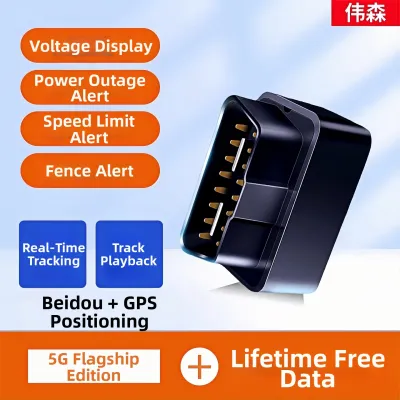
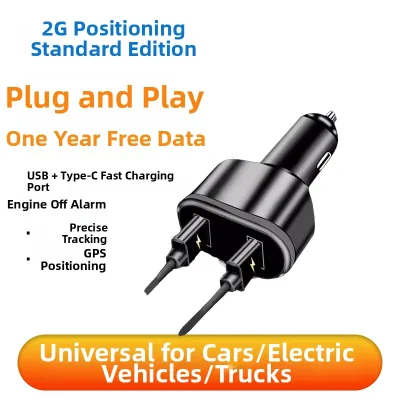

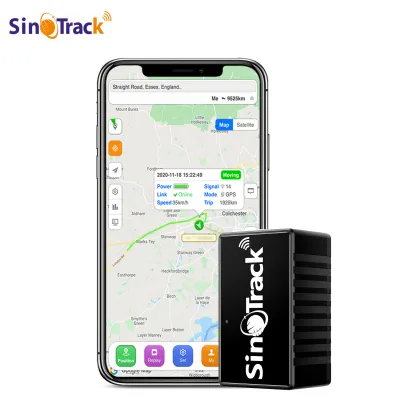
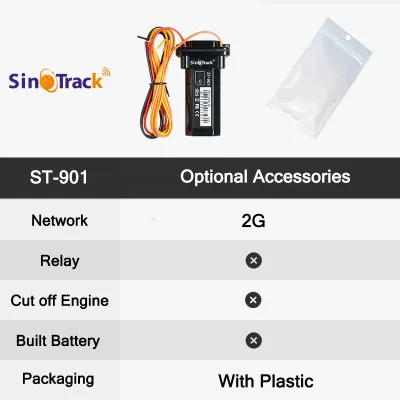
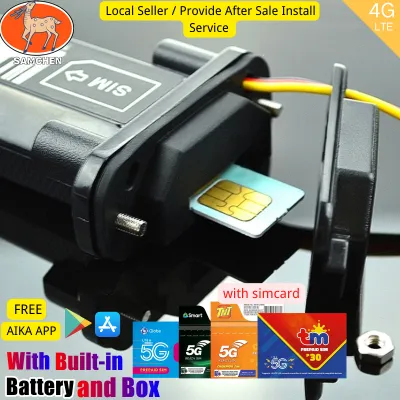
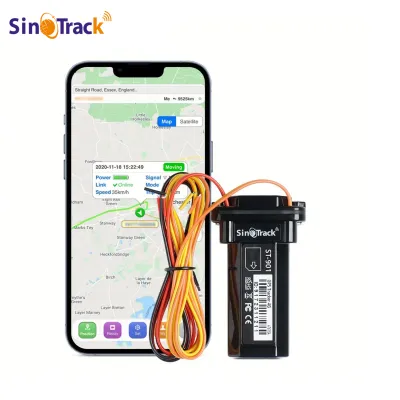
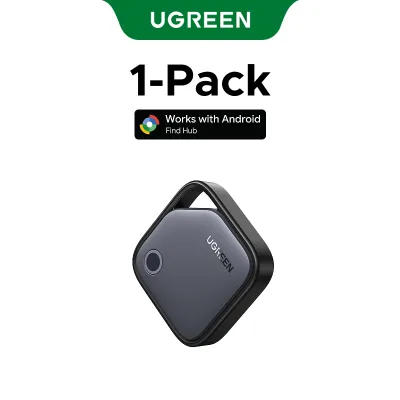
Prices are valid at publication and may change. Please refer to the product page for the latest price.
Hardwired GPS trackers connect directly to your vehicle’s continuous 12-volt electrical system. This connection is typically made at the fuse box, ignition switch, or directly to the car battery terminals. Because they tap into the vehicle’s main power supply, these devices operate continuously without requiring manual recharging. They usually feature a small internal backup battery designed to keep the tracker online temporarily if the main car battery is disconnected or drained.
OBD-II trackers draw power directly from the On-Board Diagnostics (OBD-II) port, which has been standard on most vehicles for decades. This port provides a constant 12-volt power pin, allowing the tracker to run continuously as long as it remains plugged in. Like hardwired units, OBD-II trackers utilize the vehicle’s electrical system, but they do so through a standardized, external interface rather than spliced wires or fuse taps.
Battery-powered GPS trackers operate completely independently of your vehicle’s electrical system. They rely entirely on internal, rechargeable, or replaceable batteries to power their GPS modules and cellular transmitters. Because they do not draw any current from the vehicle, they pose zero risk of draining your car’s battery. However, their operational lifespan is strictly limited by battery capacity and how frequently the device updates its location.
Comparing Installation, Concealment, and Maintenance Trade-Offs
Each power source configuration introduces specific trade-offs regarding how easy the device is to install, how well it can be hidden from potential thieves, and how much ongoing attention it requires. Balancing these factors is essential for long-term satisfaction.

Installation complexity varies significantly across the three types. OBD-II trackers are the simplest to install, requiring you to merely locate the port and plug the device in. Battery-powered trackers are similarly straightforward, as they can be placed in a glove box, under a seat, or attached to the chassis using a magnetic case. Hardwired trackers, conversely, require routing wires behind the dashboard, identifying correct circuits with a multimeter, and securing ground connections, which often necessitates professional assistance.
Concealment is a critical factor if you are using the tracker primarily for anti-theft purposes. A hardwired tracker excels here because it can be tucked deep inside the dashboard, completely out of sight of casual observers and car thieves. An OBD-II tracker is highly visible because it plugs into a port that is usually located under the driver-side dashboard, making it easy for an intruder to spot and unplug. Battery-powered trackers offer moderate concealment; while they can be hidden in creative locations, their physical size is often larger due to the battery pack, and they must be placed where metal body panels do not completely block GPS signals.
Maintenance requirements also differ. Hardwired and OBD-II trackers are virtually maintenance-free once installed, as they draw power continuously from the vehicle. Battery-powered trackers require periodic maintenance to recharge or replace the batteries. Depending on the ping frequency and battery size, this maintenance interval can range from a few weeks to several months, requiring you to retrieve the device regularly.
Feature sets are also influenced by the power source. Hardwired trackers often support advanced integration, such as remote engine immobilization relays or starter cuts, which require direct physical connection to the vehicle’s ignition wiring. OBD-II trackers cannot disable the engine but can often read basic diagnostic trouble codes and vehicle speed directly from the engine control unit. Battery-powered trackers generally focus solely on location tracking and geofencing, omitting advanced vehicle integration to conserve battery life.
| Feature | Hardwired Trackers | OBD-II Trackers | Battery-Powered Trackers |
|---|---|---|---|
| Power Source | Vehicle electrical system (fuse box/battery) | Vehicle OBD-II port | Internal rechargeable/replaceable battery |
| Installation | Advanced DIY or professional electrical work | Plug-and-play (no tools required) | Non-invasive placement (magnetic or loose) |
| Concealment | High (hidden deep behind dashboard panels) | Low (visible under the steering column) | Moderate to High (flexible but limited by signal) |
| Maintenance | Zero ongoing power maintenance | Zero ongoing power maintenance | Periodic recharging or battery replacement |
| Special Features | Engine immobilization, ignition sensing | Vehicle diagnostics, speed monitoring | Portability, asset tracking, zero vehicle draw |
Choosing the Right Tracker for Your Specific Use Case
Selecting the most suitable tracker requires matching these technical characteristics to your specific daily driving scenarios, vehicle type, and security goals. No single tracker type is universally superior; instead, each serves a distinct purpose.
You should choose a hardwired tracker if your primary goal is permanent, high-security anti-theft protection. If you live or park in high-risk areas where vehicle theft is a concern, the ability to hide the tracker deep within the vehicle’s trim is invaluable. Additionally, if you want the option to install an engine kill switch that can be activated remotely during an emergency, a hardwired system is the only type capable of supporting this level of physical integration. This option is ideal for long-term vehicle owners who do not plan on swapping the device between cars.
You should choose an OBD-II tracker if you prioritize convenience, portability, and basic vehicle health monitoring. This type is highly suitable for families with multiple cars, as you can easily move the device from one vehicle to another in seconds. It is also an excellent choice for monitoring teen drivers, as it can track driving habits, speed, and sudden braking while providing diagnostic alerts if the check engine light illuminates. If you lease your vehicle, an OBD-II tracker is ideal because it requires absolutely no permanent modifications or wiring changes that could violate lease agreements.
You should choose a battery-powered tracker if you need to monitor assets that lack a standard 12-volt electrical system, such as trailers, boats, or classic motorcycles. They are also highly useful for temporary tracking scenarios, such as monitoring a shipment or a borrowed vehicle. Because they do not connect to the car’s electrical system, they are completely non-invasive, making them a safe choice if you are concerned about affecting a sensitive vehicle electrical system or voiding a manufacturer warranty.
However, none of these options may fit if your vehicle operates on an unconventional electrical system or if your tracking environment blocks cellular and GPS signals entirely. For example, extremely old vintage cars without a 12V negative-ground system cannot easily support standard hardwired or OBD-II trackers without custom voltage converters. Always verify your specific tracking goals and vehicle limitations before committing to a purchase.
Verifying Vehicle Compatibility and Installation Safety
Before purchasing any GPS tracker, you must verify that your vehicle can safely accommodate the device without compromising its electrical integrity, safety systems, or warranty coverage.
If you are considering an OBD-II tracker, locate your vehicle’s OBD-II port first. While typically found under the driver-side dashboard, its exact position varies by vehicle model. Ensure that plugging in the tracker will not obstruct your knees, interfere with the movement of the pedals, or prevent you from reinstalling any protective plastic trim covers. If space is tight, you may need to purchase an OBD-II extension cable or splitter to tuck the tracker safely away from your controls.
For hardwired installations, review your vehicle’s warranty terms regarding aftermarket electrical modifications. Splicing into factory wiring harnesses can sometimes void specific electrical warranties. To mitigate this risk, use add-a-circuit fuse taps instead of cutting original wires, as this method allows for a clean, reversible installation. Always consult your vehicle’s manual to identify safe, non-critical fuses to tap, avoiding critical safety systems like airbags, engine control modules, or braking systems.
If you choose a battery-powered tracker, consider the environmental conditions inside and outside your vehicle. In tropical climates like the Philippines, interior cabin temperatures can rise dramatically when parked under direct sunlight. Ensure the tracker’s battery chemistry is rated to withstand high temperatures without degrading or posing a safety hazard. Additionally, avoid placing battery trackers inside fully enclosed metal compartments, such as a metal trunk or tool box, as metal significantly degrades GPS satellite signal reception.
If you are uncomfortable working with automotive electrical systems, or if your vehicle features complex multiplexed wiring (such as CAN bus systems), stop and consult a qualified automotive electrician. Professional installation ensures that wires are routed safely away from moving parts, hot engine components, and airbag deployment zones, preventing electrical shorts or accidental damage to your vehicle’s sensitive electronics.
Frequently Asked Questions (FAQ)
Can I use an OBD-II tracker on an older vehicle?
Most vehicles manufactured after 1996 in major markets, or those sold locally from the early 2000s onward, are equipped with a standardized OBD-II port. If your vehicle was manufactured before this standard was widely adopted, it will lack the physical port required for an OBD-II tracker. For older classic cars, a hardwired tracker connected directly to the battery or a standalone battery-powered tracker is the most practical alternative. Always check your vehicle’s dashboard underside or owner’s manual to confirm the presence of a compatible 16-pin OBD-II port before purchasing.
Will a hardwired GPS tracker drain my car battery?
A hardwired GPS tracker draws a very small amount of electrical current to maintain its connection to GPS satellites and cellular networks. Most modern trackers feature low-power sleep modes that activate when the vehicle is stationary, reducing the draw to a negligible level. However, if your vehicle is left parked and unused for several weeks, this continuous parasitic draw can eventually weaken a car battery, especially one that is already old or degraded. If you plan to store your vehicle for extended periods, consider using a battery-powered tracker instead, or connect a maintenance charger to your car’s battery.
Community discussion
Share your experience or ask a question. Comments are reviewed before publication.