
Quick Answer: Hardwired vs. Portable GPS Trackers
Choosing a gps tracking device for car security comes down to a fundamental choice: do you want a permanent system wired directly into your vehicle, or a flexible, battery-powered unit you can move at will? Both options offer distinct advantages depending on your daily routine, security concerns, and technical comfort.
Hardwired trackers are the ideal choice for permanent, covert monitoring. They draw continuous power directly from your vehicle, making them perfect for fleet management or long-term personal security.
Portable trackers, which include battery-powered magnetic units and OBD-II plug-ins, excel in flexibility. They are perfect if you need to swap the device between multiple family cars or prefer a quick, tool-free setup.
Products mentioned in this guide
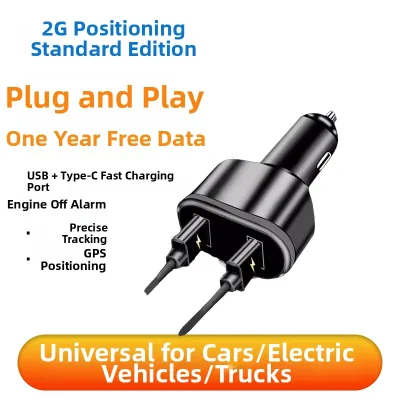
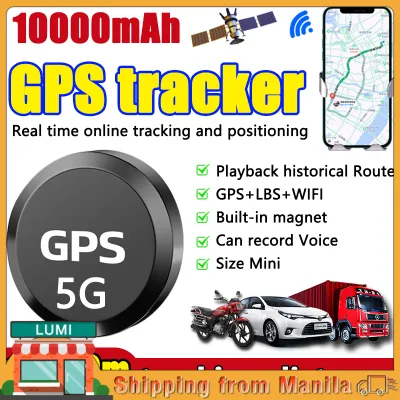
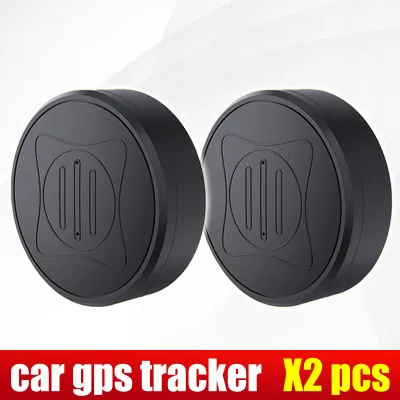
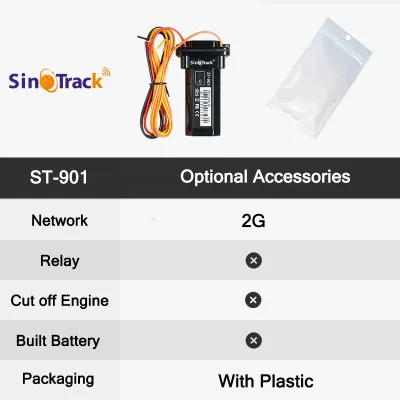
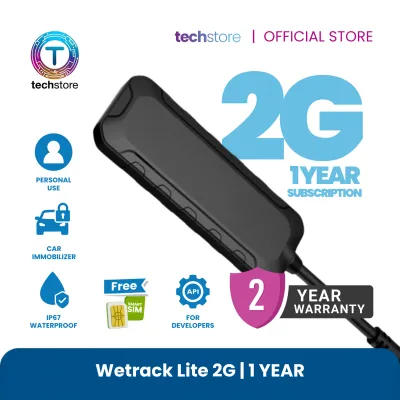

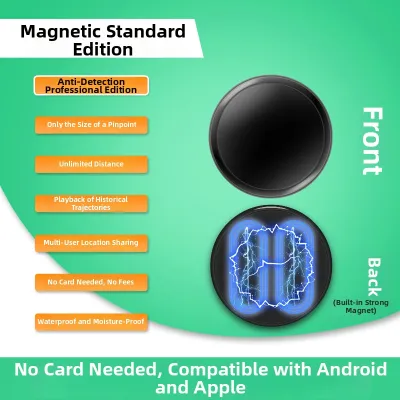
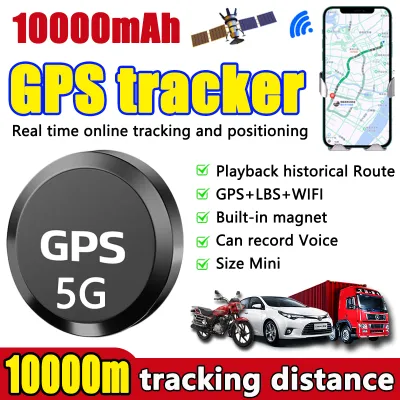
Prices are valid at publication and may change. Please refer to the product page for the latest price.
Ultimately, your decision rests on how deeply you want to conceal the device, your willingness to manage battery charging, and how frequently you require location updates.
Installation and Power Source Differences
To understand which tracker fits your lifestyle, you must first look at how they receive power and how they are mounted. These physical characteristics dictate not only how difficult they are to set up but also how secure they remain against tampering.

Hardwired Trackers
A hardwired gps tracking device for car security connects directly to your vehicle’s electrical system, typically tapping into the fuse box, ignition switch, or battery terminals. This constant connection ensures the device is always powered on as long as the car battery has a charge.
Because this installation involves splicing wires or using fuse taps, it requires careful routing behind the dashboard or under the trim. If you are not comfortable working with automotive electrical systems, hiring a professional auto electrician is highly recommended to prevent short circuits or warranty issues.
Portable Trackers
Portable trackers offer a completely different approach by relying on internal rechargeable batteries or plugging directly into the onboard diagnostics (OBD-II) port. OBD-II models draw power from the port itself, requiring zero wiring and taking only seconds to plug in.
Battery-powered portable units are completely self-contained and can be placed almost anywhere inside or outside the vehicle. Many models feature heavy-duty magnetic mounts, allowing you to secure them to the underside of a car frame or inside a wheel well.
However, the tropical climate in the Philippines presents unique challenges for portable units. Intense cabin heat during the dry season can accelerate battery degradation, while heavy monsoon rains and high humidity can challenge the seals of externally mounted magnetic trackers.
Concealment and Security
Concealment is where hardwired units hold a clear advantage. Because they are tucked deep behind the dashboard or wired into the steering column, they are virtually invisible to passengers and potential car thieves.
In contrast, an OBD-II tracker sits in plain sight beneath the steering wheel, making it incredibly easy for an unauthorized driver or thief to unplug and discard. While magnetic battery-powered units can be hidden in creative spots, they remain vulnerable to discovery during a quick physical sweep of the vehicle.
Tracking Capabilities and Ideal Use Cases
The way a tracker receives power directly influences how often it can transmit its location. Understanding these operational differences helps you match the device to your specific tracking goals.
Real-Time vs. Periodic Updates
Because hardwired trackers enjoy an uninterrupted supply of electricity, they can support rapid real-time ping rates. Many hardwired systems update their location every few seconds while the vehicle is in motion, providing a smooth, continuous trail on your tracking map.
Portable, battery-powered trackers must balance tracking frequency with battery life. To prevent the battery from dying within a few days, these devices often use motion sensors to sleep when the car is parked, or they are configured to ping only once every few minutes or hours.
Fleet and Business Management
For business owners managing delivery vans or utility vehicles, hardwired trackers are almost always the preferred choice. They provide continuous telemetry, including engine idle times, speed alerts, and precise route history, without the risk of an employee forgetting to charge a battery or unplugging the device.
Personal and Family Vehicles
Portable and OBD-II trackers are highly practical for household use. If you want to monitor a teenage driver or a relative borrowing your car, you can quickly plug an OBD-II tracker into the port for temporary peace of mind.
These devices are also convenient for families with multiple vehicles, as you can easily transfer a single tracker to whichever car is being used for a long road trip across provinces.
Theft Recovery
In a worst-case vehicle theft scenario, every second counts. A hidden, hardwired tracker remains active and hidden, giving law enforcement a continuous stream of real-time coordinates to track down the vehicle.
A portable tracker can still assist in recovery, but its effectiveness depends heavily on how well it was hidden. If a thief spots an OBD-II device or finds a magnetic tracker under the bumper, they will likely toss it out the window immediately, rendering your tracking efforts useless.
Feature Comparison Checklist
To help you weigh your options, this comparison table outlines the key operational differences between the two tracker types.
| Feature | Hardwired GPS Trackers | Portable GPS Trackers (Battery/OBD-II) |
|---|---|---|
| Power Source | Vehicle electrical system (continuous) | Internal rechargeable battery or OBD-II port |
| Installation Difficulty | Moderate to high (requires wiring or professional help) | Very low (plug-and-play or magnetic mount) |
| Concealment | Excellent (hidden deep behind panels) | Moderate to poor (OBD-II is visible; battery units require hiding) |
| Battery Maintenance | None (draws from car battery) | Requires periodic recharging (for battery-only models) |
| Tamper Resistance | High (difficult to find and disconnect quickly) | Low (easily unplugged or detached) |
| Ideal User | Fleet managers, long-term security seekers | Temporary users, multi-car households, DIYers |
Note: Always verify specific ping rates, battery life estimates, and weatherproofing ratings on the manufacturer’s product label before making a purchase.
How to Choose the Right GPS Tracker for Your Car
Making the final choice requires looking at your daily routine, your vehicle’s layout, and your comfort with automotive modifications.
Choose a Hardwired Tracker if:
- You want a permanent, tamper-resistant security solution that you never have to worry about recharging.
- You require high-frequency, real-time location updates for active fleet management or precise theft recovery.
- You are comfortable with professional installation or have the technical skills to safely wire the device into your vehicle's fuse box.
Choose a Portable Tracker if:
- You want a simple, tool-free installation that takes less than five minutes to set up.
- You need the flexibility to move the tracking device between different cars in your household.
- You only need periodic location updates and do not mind retrieving the device to recharge its battery every few weeks.
Verify First if: Before buying any aftermarket electronic device, check your vehicle’s warranty guidelines regarding electrical modifications. Some manufacturers may raise concerns if you splice into the factory wiring harness, making a plug-and-play OBD-II tracker a safer alternative for brand-new cars.
Additionally, always read the manufacturer’s instructions to confirm vehicle compatibility and check the ongoing subscription requirements. Most real-time trackers require an active cellular data plan to transmit coordinates to your phone or computer.
Frequently Asked Questions (FAQ)
Do I need a professional to install a hardwired GPS tracker?
While DIY installation is entirely possible if you have experience with automotive electronics, hiring a professional auto electrician is highly recommended. Modern vehicles feature complex wiring harnesses, sensitive sensors, and airbag systems that can be easily damaged if you tap into the wrong wire. A professional ensures the tracker is wired safely with proper fuses, preventing electrical shorts and preserving your vehicle’s factory warranty. If you decide to install it yourself, always consult your vehicle’s official wiring diagram and disconnect the car battery before starting.
Can a portable GPS tracker be easily stolen or removed?
Yes, portable trackers are inherently more vulnerable to theft and tampering. An OBD-II tracker is located right under the dashboard, making it easy for an unauthorized driver or thief to spot and unplug in seconds. Magnetic battery-powered units hidden on the exterior can also fall off if subjected to extreme off-road vibrations or discovered during a physical search. To minimize this risk, place battery-powered units in less obvious interior spots, such as deep inside the glove box or under seat cushions, though you should test the location first to ensure the metal body panels do not block the GPS signal.
Are there monthly subscription fees for car GPS trackers?
Yes, almost all real-time GPS trackers require an ongoing subscription fee. Because these devices must transmit location data from the vehicle to your smartphone or computer, they rely on built-in cellular SIM cards. In the Philippines, these subscription fees typically cover the cost of the cellular data network used by the tracker. Before purchasing, check the product packaging or the manufacturer’s website to understand the subscription tiers, as some brands offer discounted annual rates while others charge a flat monthly fee.
Community discussion
Share your experience or ask a question. Comments are reviewed before publication.