
Choosing a GPS tracking device for your vehicle in the Philippines requires balancing security needs, installation preferences, and daily maintenance habits. With the country’s tropical climate, high humidity, and intense heat, vehicle electronics face unique environmental stressors. Selecting the right tracker ensures your vehicle remains monitored without compromising its electrical system or your peace of mind.
The decision primarily comes down to two distinct designs: hardwired trackers and portable trackers. Hardwired units connect directly to your vehicle’s electrical system, offering a permanent, hidden security solution that never requires recharging. Portable units, on the other hand, rely on internal batteries or plug-and-play ports, providing unmatched flexibility and instant setup without modifying any wiring.
To determine which type is right for your car, motorcycle, or fleet, you must evaluate how you plan to use the device, who will install it, and how much effort you want to spend on upkeep. Understanding the core differences between these two designs is the first step toward securing your asset.
Products mentioned in this guide
Prices are valid at publication and may change. Please refer to the product page for the latest price.
Understanding Hardwired and Portable GPS Tracker Designs
At their core, all GPS tracking devices perform the same basic function: they receive signals from global positioning satellites to calculate coordinates and transmit that location data to a server via cellular networks. However, the physical architecture and power delivery systems of hardwired and portable units differ significantly, which directly impacts how and where you can use them.
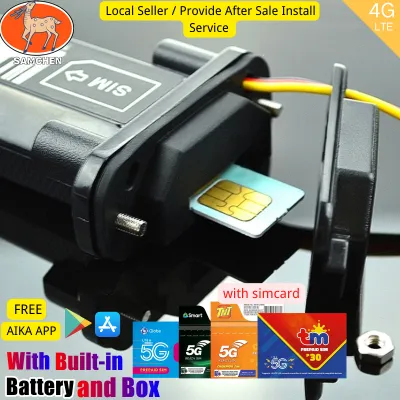
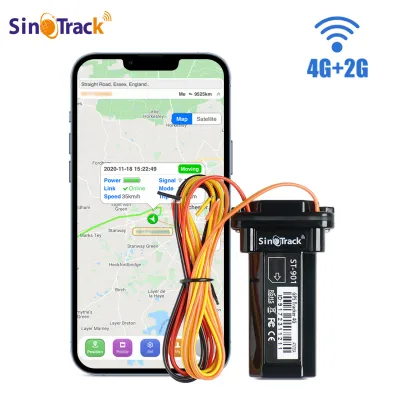
Hardwired GPS trackers are compact, lightweight modules designed to draw power directly from your vehicle’s 12-volt or 24-volt battery. Because they do not require a bulky internal battery pack to sustain long-term operation, these devices are often incredibly small, sometimes no larger than a matchbox. This minimalist form factor allows them to be tucked deep inside the dashboard, behind the instrument cluster, or within the wiring harnesses where they remain completely invisible to unauthorized passengers or potential thieves.
Portable GPS trackers, conversely, are self-contained units that rely on their own internal rechargeable batteries. Because battery capacity dictates how long the device can operate between charges, portable trackers are generally larger and heavier than their hardwired counterparts. They are often housed in rugged, weather-resistant casings designed to withstand dust, road splash, and high humidity, which is particularly beneficial in tropical environments.
Both designs require careful consideration regarding signal transmission. GPS and cellular antennas built into these devices need a relatively unobstructed path to the sky to maintain a stable connection. While signals can easily pass through plastic, glass, and fiberglass, thick metal body panels can severely degrade performance. Consequently, placement is critical for both types: a hardwired unit must be positioned away from heavy metal structural beams, while a portable unit must be placed where its internal antenna is not entirely shielded by the vehicle’s steel chassis.
Matching the Tracker to Your Vehicle and Security Needs
Your choice of GPS tracking device should align with your primary security objectives and the operational demands of your vehicle. If your main goal is long-term theft deterrence and recovery, a hardwired tracker is generally the more reliable option. Once installed, it operates continuously in the background, ensuring that if your vehicle is stolen, you can track its location in real-time without worrying that the tracker’s battery has run flat.

For short-term monitoring, temporary asset tracking, or managing vehicles on a rotational basis, a portable tracker offers superior practicality. If you frequently rent cars, use delivery services, or need to monitor a teenager’s driving habits temporarily, a portable device can be placed in the vehicle for the duration of the trip and removed afterward. This flexibility makes it an excellent tool for dynamic tracking scenarios where a permanent installation is unnecessary or impractical.
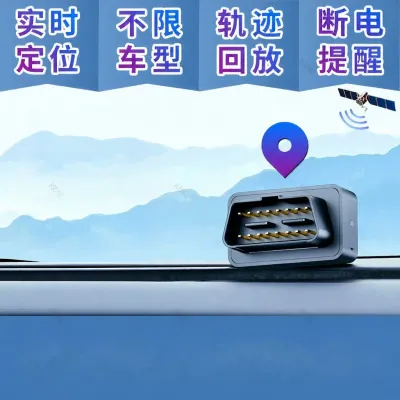
Vehicle ownership status is another critical factor to consider. If you own your vehicle outright, you have complete freedom to modify its electrical system and install aftermarket accessories. However, if your vehicle is leased, financed, or under a strict manufacturer warranty, making permanent modifications to the wiring harness could violate your agreement or void your electrical warranty. In such cases, a portable tracker or an OBD-II plug-and-play device is the safer choice, as it leaves no physical trace and can be removed in seconds before a dealership service appointment.
Commercial fleet operators must also weigh these factors differently than individual car owners. Managing a fleet of delivery vans, trucks, or utility vehicles in the Philippines demands consistent, uninterrupted data to optimize routes and monitor driver behavior. Hardwired systems are standard for fleets because they prevent drivers from accidentally or intentionally unplugging the device, ensuring continuous compliance and operational visibility.
Hardwired Trackers: Permanent Installation and Continuous Power
The defining advantage of a hardwired GPS tracking device is its continuous power supply. By tapping directly into the vehicle’s electrical system, the tracker remains active as long as the vehicle’s main battery has a charge. This constant power source allows the device to support high-frequency location updates—sometimes pinging every few seconds—without the risk of draining its own power reserve.
This continuous power also enables advanced security features that are physically impossible for battery-dependent portable units. For instance, some hardwired systems can be integrated with relays to support remote engine immobilization, allowing you to disable the starter motor via a smartphone app if the vehicle is reported stolen. However, such advanced integrations must be approached with extreme caution; they require precise compatibility checks and must strictly adhere to the vehicle manufacturer’s safety guidelines to prevent accidental engine shutdown while driving.
Concealment is another major benefit of the hardwired design. Because the wiring is routed behind the dashboard, center console, or interior trim panels, there are no visible cables or plugs to alert a thief to the tracker’s presence. This makes it highly effective for covert recovery operations, as an intruder is unlikely to locate and disable the device quickly.
Despite these benefits, the installation process carries strict safety boundaries. Working with a vehicle’s electrical system poses risks of short circuits, blown fuses, or damage to sensitive electronic control units (ECUs). You must consult your vehicle’s specific electrical manual before attempting any installation. It is critical to avoid routing wires near airbag deployment zones, steering columns, or high-heat engine components. To ensure safety and preserve your vehicle’s warranty, seeking professional installation from a qualified automotive electrician is highly recommended.
Portable Trackers: Quick Setup and Cross-Vehicle Flexibility
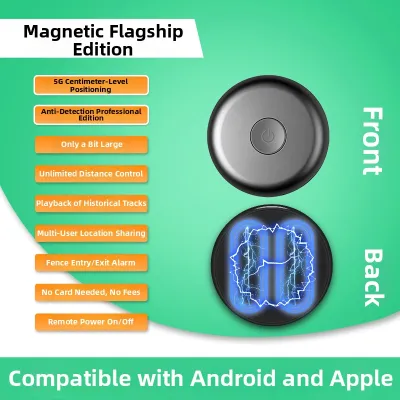
Portable GPS trackers excel in convenience, offering a plug-and-play experience that requires absolutely no technical expertise or tools. Many portable models feature strong integrated magnets, allowing you to secure the device to any flat metal surface on the vehicle, such as under a seat, inside the trunk, or even within the wheel well if the housing is sufficiently weather-sealed.
This mounting versatility makes it incredibly easy to transfer the tracking device between different assets. You can move the tracker from your daily commuter car to a motorcycle, a boat, or even a piece of heavy machinery depending on what you need to secure on any given day. This multi-use capability provides excellent value for users who want to protect multiple high-value items without purchasing separate tracking hardware for each one.
However, the convenience of a portable tracker comes with the responsibility of battery maintenance. Because these devices run on internal batteries, you must actively monitor their power levels through the companion mobile app or web portal. To conserve battery life, many portable trackers are configured to send location updates less frequently—such as once every few minutes or only when motion is detected—which may limit their effectiveness during a high-speed theft recovery scenario.
Establishing a reliable charging routine is essential to keep a portable tracker functional. Depending on the device’s battery capacity and your configured ping rate, you may need to retrieve and charge the unit every few weeks or months. When charging, always use the manufacturer-specified cable and adapter to prevent overheating, especially in warm, humid tropical climates where heat dissipation can be a challenge for sealed electronic enclosures.
Hardwired vs Portable GPS Trackers at a Glance
To help you compare your options, the table below outlines the key operational differences and compatibility checks for both types of GPS tracking devices.
| Feature | Hardwired Tracker | Portable Tracker |
|---|---|---|
| Power Source | Vehicle's 12V/24V battery | Internal rechargeable battery |
| Installation Effort | High; requires wiring or professional help | Low; instant tool-free placement |
| Concealment Level | High; hidden behind panels and dashboard | Moderate; depends on placement |
| Battery Maintenance | None; draws continuous vehicle power | High; requires regular recharging |
| Ideal Use Case | Permanent theft recovery, fleet management | Temporary tracking, multi-vehicle use |
| Compatibility Checks | Vehicle wiring diagram, fuse box layout | Mounting surface material, battery life |
Final Decision Framework: Which GPS Tracking Device to Buy
Choosing the right GPS tracking device requires a systematic approach to matching your vehicle’s constraints with your personal security goals. Use the following guidelines to make an informed and safe purchase.
You should choose a hardwired GPS tracker if you require uninterrupted, real-time tracking with high-frequency updates, prefer a completely hidden installation that cannot be easily tampered with, and are comfortable hiring a professional to integrate the device into your vehicle’s electrical system. This option is best suited for long-term vehicle ownership, commercial fleets, and high-risk theft areas where immediate recovery capability is paramount.
Conversely, you should choose a portable GPS tracker if you need a tracking solution that can be deployed instantly without tools, want the flexibility to move the device between different vehicles or valuable assets, or are driving a leased or financed vehicle where electrical modifications are prohibited. This option is ideal for users who do not mind managing a regular battery charging schedule in exchange for zero installation hassle.
Before making any purchase, always verify the specific device’s cellular network compatibility. Most modern trackers rely on 4G LTE or 5G networks, so you must ensure the carrier bands used by the tracker are well-supported in your primary driving areas. Additionally, review the required subscription plans and any ongoing data fees associated with the device’s companion app, as these costs are essential for maintaining real-time tracking functionality. Finally, check your vehicle manufacturer’s warranty terms to ensure that adding aftermarket electronics will not compromise your coverage.
Frequently Asked Questions (FAQ)
Do GPS trackers require a monthly subscription fee?
Yes, the vast majority of real-time GPS tracking devices require an active monthly or annual subscription fee. Because these devices must transmit location coordinates from the vehicle to your smartphone or computer, they rely on built-in SIM cards to access cellular networks. This data transmission incurs ongoing network costs, which are covered by the subscription. Before purchasing a tracker from an online marketplace or automotive shop, check the product packaging or manufacturer’s website to understand the subscription pricing structure, as some devices include a limited trial period while others require a third-party SIM card and self-managed data plan.
Is it legal to install a GPS tracker on a vehicle in the Philippines?
In the Philippines, installing a GPS tracking device is generally legal if you are the registered owner of the vehicle or if you have the explicit consent of the person operating it. For business owners and fleet managers, tracking company-owned vehicles is permissible for logistics, safety, and asset protection, though it is highly recommended to inform employees and establish clear company policies regarding vehicle monitoring to respect privacy rights. Conversely, installing a tracking device on a vehicle you do not own or without the driver’s knowledge can violate local privacy laws and lead to legal liabilities. Always consult local legal guidelines if you are uncertain about specific tracking scenarios.
Community discussion
Share your experience or ask a question. Comments are reviewed before publication.