
Finding a reliable heavy-duty motorcycle canopy in the Philippines requires looking past flashy marketing labels and focusing on verifiable material specifications. In a tropical climate characterized by intense solar radiation, high humidity, and torrential monsoon rains, standard lightweight covers quickly degrade, tear, or trap moisture against your vehicle’s metal surfaces. A true heavy-duty canopy serves as a semi-permanent outdoor shelter, utilizing a rigid structural frame and thick, weather-resistant textile cladding to shield your motorcycle from the elements.
To make a sound investment, you must evaluate the physical properties of the fabric, the structural integrity of the support frame, and the security of the mounting system. Because product listings on local e-commerce platforms often use the term “heavy-duty” loosely, your primary defense is a clear understanding of technical specifications like denier counts, coating materials, and frame treatments. This guide provides a systematic framework to help you assess these critical factors, ensuring your chosen canopy delivers long-term protection and remains secure under local environmental conditions.
Understanding "Heavy-Duty" Claims: Marketing vs. Actual Features
When browsing online marketplaces or local motorcycle accessory shops, you will encounter countless products labeled as heavy-duty. However, a significant distinction exists between a standard throw-over cover and a dedicated heavy-duty canopy or shelter. Standard covers are typically thin, lightweight sheets designed for temporary indoor dust protection or short-term outdoor use. They lack structural support, resting directly on the motorcycle’s hot exhaust, handlebars, and bodywork, which can lead to heat damage or paint abrasion over time.
Products mentioned in this guide
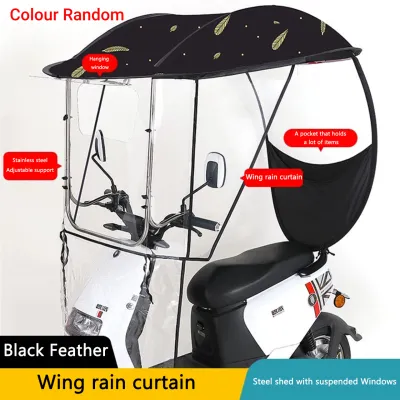
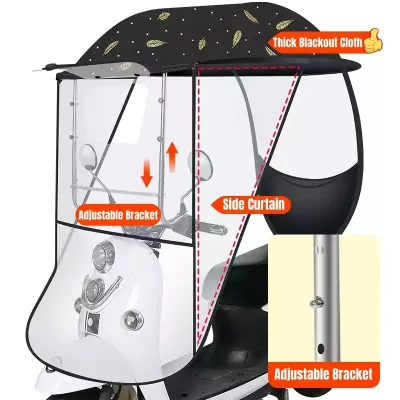
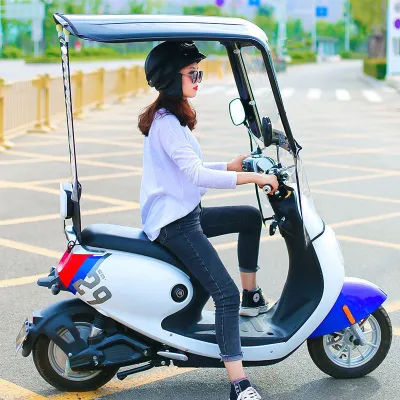
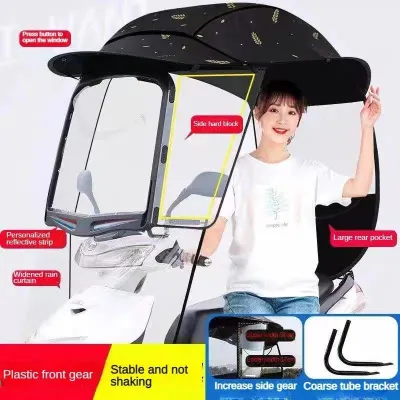
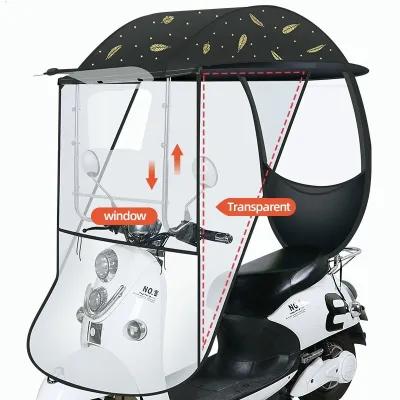
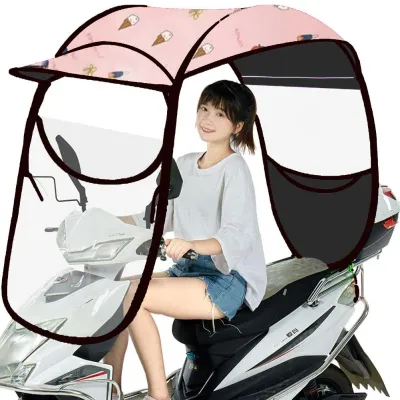
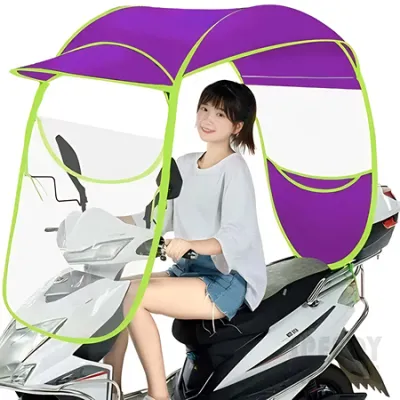
![🔥🔥🔥[HOT] 2026 Upgrade Bold Motorcycle Awning Electric Car Canopy Rainproof and Windproof UV Sunscreen awning](https://img.lazcdn.com/g/p/20dcc093a67d233c2571457e22953949.png_400x400q80.png_.webp)
Prices are valid at publication and may change. Please refer to the product page for the latest price.
In contrast, a genuine heavy-duty motorcycle canopy features a self-supporting frame that keeps the fabric suspended away from the vehicle’s surfaces. This design creates an insulating pocket of air, reducing heat buildup and preventing direct contact with sensitive components. True heavy-duty variants are engineered for prolonged, year-round outdoor exposure, meaning their materials must withstand constant ultraviolet (UV) radiation without becoming brittle, fading, or losing their water-resistant properties.
To separate marketing hype from actual durability, you must look for specific structural benchmarks rather than generic promotional adjectives. Avoid products that rely solely on terms like “ultra-strong” or “maximum protection” without providing measurable specifications. Instead, look for listings that explicitly state the fabric’s denier rating, the chemical composition of its waterproof coating, and the gauge or thickness of the metal frame tubing.
A reliable indicator of a genuine heavy-duty canopy is the presence of reinforced stress points. These are areas where the fabric meets the metal frame corners, joints, and mounting anchors. High-quality manufacturers reinforce these zones with double-layered fabric patches, heavy-duty webbing, and robust metal grommets to distribute tension evenly and prevent tearing during sudden wind gusts.
The expected lifespan of a canopy under tropical conditions depends heavily on these verifiable specifications. While a cheap, unrated cover might degrade and tear within a few months of exposure to the intense Philippine sun, a properly specified heavy-duty canopy can provide reliable protection for several years. By focusing on material science and structural engineering rather than subjective seller claims, you can secure a shelter that truly safeguards your motorcycle.
Evaluating Fabric Thickness and Frame Construction
The fabric cladding is your motorcycle’s primary shield against rain, dust, and solar heat. When evaluating canopy fabrics, the denier (D) count is the standard unit of measurement used to determine the thickness and density of the individual threads. For a canopy to be considered heavy-duty, it should ideally feature a fabric rating of 300D or higher, with 600D polyester being the benchmark for premium outdoor shelters. Higher denier fabrics offer superior resistance to punctures, tears, and abrasive wear, which is crucial when facing wind-blown debris.

However, fabric thickness alone does not guarantee water resistance; the internal coating plays an equally vital role. Look for fabrics treated with polyurethane (PU) or polyvinyl chloride (PVC) backings. A PU coating provides excellent water resistance while remaining flexible in fluctuating temperatures, allowing the fabric to drape and fold without cracking. PVC coatings offer exceptional waterproofing and structural stiffness, though they can be heavier and less breathable. Ensure the product specifications indicate a hydrostatic head rating, which measures the water pressure the fabric can withstand before leaking.
Equally important is the canopy’s frame construction, which must resist both structural deformation and environmental corrosion. In the humid climate of the Philippines, untreated steel frames will rapidly rust, compromising the entire structure. Look for frames constructed from powder-coated steel or high-strength aluminum alloys. Powder coating involves applying a dry thermoplastic powder that is cured under heat to create a thick, protective barrier against moisture, salt air, and physical scratches.
Examine the diameter and wall thickness of the frame tubing. Heavy-duty frames typically utilize tubing with an outer diameter of at least 20 millimeters and a substantial wall thickness to resist bending under wind loads. Avoid thin-walled, push-button tent frames that can easily buckle during sudden afternoon downpours or localized wind tunnels.
Finally, inspect the construction details that hold the fabric together. Water penetration most commonly occurs at the seams rather than through the fabric itself. A high-quality heavy-duty canopy must feature double-stitched seams reinforced with heat-sealed waterproof tape on the underside. This tape prevents water from seeping through the needle holes created during the stitching process. Additionally, look for heavy-duty, corrosion-resistant zippers and robust buckle systems that secure the fabric tightly to the frame, preventing flapping and reducing wind resistance.
Fitment, Mounting Security, and Riding Safety
Before purchasing any heavy-duty canopy, you must verify its physical dimensions against your specific motorcycle model. A canopy that is too small will fail to cover the lower portions of your bike, exposing the wheels, chain, and lower engine components to moisture and road grime. Conversely, an oversized canopy can sag, collect pools of rainwater, and create excessive wind drag, putting unnecessary stress on both the fabric and the frame.
Consult the manufacturer’s dimensional charts carefully, measuring your motorcycle’s total length, width at the handlebars, and height at the tallest point. If you have installed aftermarket accessories such as a top box, side panniers, tall windscreens, or extended mirrors, you must include these in your measurements. Many standard canopy designs do not account for the added bulk of touring gear, so you may need to opt for a larger size category specifically designed for adventure or touring motorcycles.
Mounting security is another critical factor, especially if you plan to install the canopy on a driveway, carport, or open yard. The canopy must be anchored securely to the ground or a heavy base to prevent it from shifting or tipping over. Look for models that include heavy-duty ground anchors, expansion bolts for concrete, or weighted base plates. The straps and fasteners that connect the canopy cover to the frame should feature soft-lined backings or adjustable bungee systems to prevent abrasive contact with your motorcycle’s painted fairings, fuel tank, and plastic panels.
From a safety perspective, you must understand the strict operational boundaries of using a motorcycle canopy. A canopy is strictly a stationary storage solution and must never be attached to the motorcycle while riding. Attempting to ride with a canopy or cover attached introduces severe aerodynamic hazards, including extreme wind drag, instability, and complete obstruction of your visibility and control mechanisms.
Additionally, always allow your motorcycle’s engine and exhaust system to cool down completely before pulling the canopy over the vehicle. Even though heavy-duty fabrics are highly durable, direct contact with a hot exhaust pipe can melt the synthetic fibers, ruin the waterproof coating, and pose a serious fire hazard. Always refer to your motorcycle’s original owner’s manual for specific guidelines regarding storage and heat management.
A Practical Checklist for Comparing Local Options
When evaluating the wide variety of motorcycle canopies available on local e-commerce platforms and in physical automotive supply stores, a structured checklist is essential. Rather than relying on subjective seller descriptions or unverified star ratings, you should systematically inspect the product’s technical specifications. Begin by checking the product tags or official documentation for a verified waterproof rating, typically expressed in millimeters (such as 2000mm or 3000mm water column). This rating provides an objective measure of how much rainfall the fabric can handle before moisture penetrates.
Next, assess the manufacturer’s warranty terms and return policies. A brand that offers a comprehensive warranty on the frame and fabric demonstrates confidence in their product’s long-term durability. Be cautious of sellers who offer no warranty or only cover “dead on arrival” defects, as this often indicates lower-quality materials that may fail after a few weeks of exposure to the elements.
Compare the price-to-value ratio of the options within your budget. While it can be tempting to choose the least expensive option, a higher price tag in ₱ often correlates directly with substantial improvements in material quality. A premium canopy typically features thicker denier fabric, superior UV-resistant coatings, sturdier powder-coated steel frames, and robust seam sealing. Calculate the long-term cost of ownership: replacing a cheap, low-quality cover multiple times a year is often more expensive than investing in a single, high-quality heavy-duty canopy that lasts for years.
Verify the availability of replacement parts. Over years of intense tropical exposure, individual components like elastic cords, plastic buckles, or even specific fabric panels may wear out. Choosing a brand or seller that offers individual replacement parts ensures you can maintain and repair your canopy without needing to purchase an entirely new system, maximizing your initial investment.
Cleaning and Storage Practices for Maximum Lifespan
Proper maintenance is vital to preserving the protective qualities and extending the lifespan of your heavy-duty motorcycle canopy. Over time, dust, road grime, bird droppings, and tree sap will accumulate on the fabric surface. If left untreated, these contaminants can chemically degrade the UV-resistant and waterproof coatings. To clean the canopy, use only mild soap, lukewarm water, and a soft sponge or microfiber cloth. Gently wipe down the fabric to remove dirt without stripping the protective layers.
Never use harsh chemical detergents, bleach, degreasers, or highly abrasive scrub brushes on the canopy fabric. These substances can dissolve the polyurethane or PVC backing, weaken the synthetic fibers, and strip away the water-repellent treatments. Additionally, avoid using high-pressure washers, as the intense water pressure can force its way through the stitched seams and delaminate the waterproof seam tape.
After cleaning, or after a heavy downpour, it is absolutely critical to allow the canopy to air-dry completely before folding or storing it away. Folding a damp canopy traps moisture between the fabric layers, creating an ideal environment for the growth of mold, mildew, and rot. Mildew not only produces unpleasant odors but also actively digests organic compounds in the fabric, leading to premature tearing and structural failure.
When the canopy is not in use, store it in a breathable storage bag rather than a sealed plastic container, which can trap residual humidity. Keep the stored canopy in a cool, dry indoor location away from direct sunlight, extreme heat sources, and sharp objects. By following these simple cleaning and storage practices, you can ensure your heavy-duty canopy remains a reliable shield for your motorcycle for many seasons to come.
Frequently Asked Questions (FAQ)
Can I leave a heavy-duty canopy on my motorcycle during strong typhoons?
No, you should not leave a heavy-duty canopy erected or covering your motorcycle during strong typhoons or extreme windstorms. While these shelters are designed to withstand typical rain and moderate wind loads, they are not engineered to resist the extreme aerodynamic forces generated by tropical cyclones. The large surface area of the canopy acts like a sail, catching the wind and creating immense lifting forces that can easily bend the metal frame, tear the fabric, or tip the entire structure over. This can cause severe physical damage to your motorcycle, surrounding property, or pose a safety hazard to nearby individuals. During severe weather warnings, it is highly recommended to disassemble the canopy, store the fabric safely indoors, and move your motorcycle to a secure, walled structure or garage.
Will a heavy-duty canopy scratch my motorcycle's paint?
A heavy-duty canopy itself is designed to keep the fabric suspended away from your motorcycle’s bodywork, minimizing direct contact. However, if you are using a close-fitting canopy or if the fabric comes into contact with the bike during mounting, there is a potential risk of micro-scratches if proper precautions are not taken. To prevent paint damage, always ensure that both your motorcycle and the inner lining of the canopy are clean and free of dust, sand, or road grit before covering. When dust particles are trapped between the fabric and the painted fairings, any movement caused by wind can act like sandpaper, creating fine scratches over time. Look for canopies that feature soft, non-abrasive inner linings at contact points, and ensure all mounting straps are tightened securely to prevent the cover from flapping against the bodywork.
Community discussion
Share your experience or ask a question. Comments are reviewed before publication.