
Riding a motorcycle through a sudden tropical downpour requires gear that goes far beyond a standard plastic poncho. A truly heavy-duty motorcycle raincoat must withstand both torrential rain and the intense wind pressure of highway speeds, all while managing the high humidity of the local climate. When navigating wet roads during the monsoon season, a rider’s safety and comfort depend entirely on how well their gear prevents water intrusion without causing overheating. Understanding the specific technical features of heavy-duty rain gear allows riders to make an informed decision before investing in protection that keeps them dry and focused on the road.
Material and Waterproofing Standards
The foundation of any heavy-duty raincoat is its fabric technology and waterproof rating. Waterproofing is scientifically measured in millimeters (mm) using a hydrostatic head test, which determines how much water pressure a fabric can withstand before leaking. For highway speeds and heavy monsoons, a raincoat should feature a waterproof rating of at least 10,000mm, though 15,000mm or higher is ideal to prevent water from being forced through the fabric by wind pressure.
The choice of outer shell material directly impacts durability, weight, and comfort. Polyvinyl Chloride (PVC) is completely waterproof and highly durable, but it is heavy, stiff, and entirely non-breathable, which can quickly lead to excessive sweating in tropical climates. Polyester or nylon fabrics treated with a Polyurethane (PU) backing offer a more flexible, lightweight alternative while maintaining excellent water resistance. High-end gear often utilizes advanced laminate membranes that allow microscopic sweat vapor to escape while blocking larger water droplets from entering.
Products mentioned in this guide
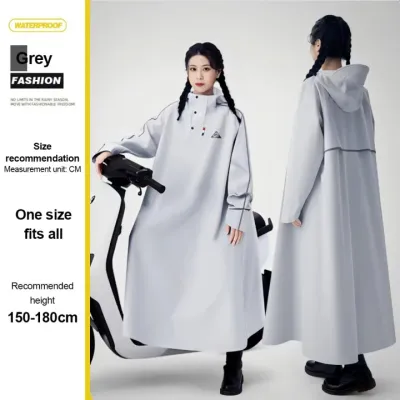
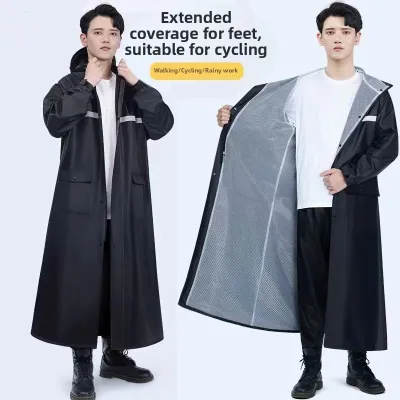
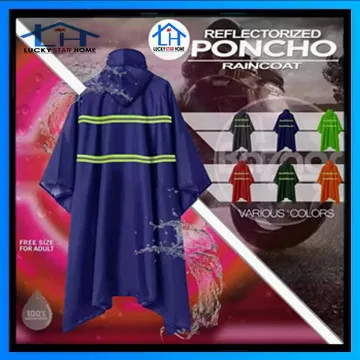
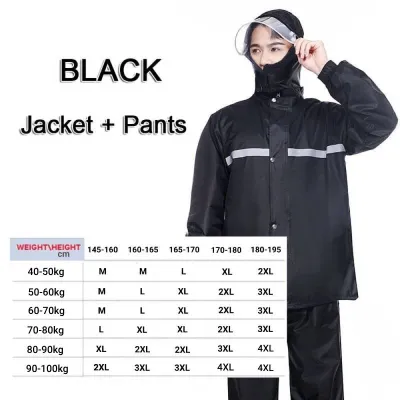
Prices are valid at publication and may change. Please refer to the product page for the latest price.
Additionally, look for garments treated with a Durable Water Repellent (DWR) coating. This chemical treatment causes water to bead up and roll off the surface of the fabric rather than soaking into the outer fibers. When a raincoat “wets out,” the outer fabric becomes saturated, making the garment heavy, cold, and significantly less breathable, even if the inner waterproof barrier remains intact.
Construction and Seam Sealing
Even the most advanced waterproof fabric will fail if the construction of the garment allows water to seep through the seams. Every time a needle punctures fabric during the stitching process, it creates thousands of tiny holes. In a heavy-duty raincoat, these seams must be completely sealed. Fully taped seams feature a waterproof tape hot-pressed over the interior stitching to block water entry. Alternatively, high-frequency welded seams fuse the fabric panels together without any stitching, creating an incredibly strong, seamless, and completely waterproof bond.

Zippers are another primary point of failure during heavy downpours. Standard zippers allow water to pass through easily under wind pressure. Heavy-duty motorcycle raincoats address this by utilizing water-resistant zippers paired with double storm flaps. These flaps overlap the zipper and are secured with heavy-duty hook-and-loop fasteners or snap buttons, creating a physical barrier that channels water away from the opening.
Durability is also a key factor in construction. The constant movement of riding puts immense stress on specific areas of the garment. Look for reinforced stitching and double-layer fabric panels in high-wear zones, particularly the seat of the pants—where water tends to pool on the motorcycle saddle—as well as the shoulders and knees, which bear the brunt of wind and rain impact.
Design Features for Active Riding
Active riding in wet conditions demands specific design features that prioritize safety, visibility, and ergonomics. Monsoon storms drastically reduce visibility on the road, making it difficult for other motorists to see riders. A heavy-duty raincoat must incorporate high-visibility colors, such as fluorescent yellow, green, or orange, along with retroreflective strips. These reflective elements should be strategically placed across the back, chest, and arms to ensure 360-degree visibility under headlight beams in low-light or nighttime conditions.
The fit must also be highly adjustable to prevent the garment from ballooning or flapping violently at speed. Excess fabric flapping in the wind not only causes fatigue but can also compromise the rider’s balance and control. Look for adjustable hook-and-loop cuffs on the wrists, drawcords at the collar, and adjustable straps around the waist, biceps, and ankles. Secure collar closures are especially important, as wind can easily force water down the neck opening if it is not properly sealed.
Managing internal moisture is just as critical as blocking external rain. In hot and humid tropical environments, riding in a sealed suit can cause rapid heat buildup and heavy perspiration. Effective heavy-duty raincoats feature dedicated ventilation systems, such as covered back vents, underarm zippered vents, or mesh-lined openings that allow hot air to escape while preventing rain from entering.
Fit, Layering, and Gear Compatibility
When selecting a heavy-duty raincoat, riders must choose between a one-piece suit and a two-piece jacket and pants combination. One-piece suits offer superior protection against leaks because there is no waist gap where water can seep in. However, they can be cumbersome to put on quickly during a sudden downpour. Two-piece suits offer greater convenience, allowing riders to wear only the jacket during light drizzles, and are generally much easier to slip on and off at the roadside.
Sizing requires careful consideration because the raincoat must fit comfortably over your standard riding gear, including a padded riding jacket, elbow and shoulder armor, and potentially a small backpack. While basic plastic ponchos might cost very little, investing ₱1,500 to ₱5,000 in a dedicated heavy-duty motorcycle rain suit ensures proper fitment. Many manufacturers design their rain gear to be slightly oversized to accommodate armor, but it is essential to consult the manufacturer’s specific sizing charts. Always check the manufacturer’s instructions for specific fitment, sizing, and care guidelines to ensure the gear does not interfere with your motorcycle’s controls or compromise your safety.
Finally, ensure the pants are compatible with your riding boots. Look for wide leg openings equipped with zippers, gussets, or wide hook-and-loop tabs that allow you to pull the pants over bulky boots without removing them. Elastic stirrups that loop under the arch of your boot are also highly beneficial, as they prevent the pant legs from riding up and exposing your shins to incoming water.
Maintenance and Care for Longevity
To preserve the waterproof integrity of a heavy-duty raincoat, proper maintenance is essential. Always consult the manufacturer’s care label before cleaning. Machine washing with standard household detergents can strip away the DWR coating and degrade the adhesive used on taped seams. Instead, hand wash the garment using cold water and a mild, technical fabric cleaner specifically formulated for waterproof gear.
Over time, even the highest-quality raincoats will show signs of wear. Keep an eye out for delamination, which occurs when the internal waterproof membrane begins to peel away from the outer fabric, often visible as white flakes or bubbling. Once delamination occurs, the garment’s waterproof capabilities are permanently compromised, indicating that it is time for a replacement.
After riding in the rain, never fold the wet raincoat and stuff it into a tight under-seat compartment or top box. This traps moisture, leading to the growth of mold and mildew, which can rot the fabric and destroy the seam tape. Always hang the raincoat on a wide hanger in a cool, well-ventilated, and shaded area to dry completely before storing it.
Frequently Asked Questions (FAQ)
Can I use a regular raincoat instead of a motorcycle-specific one?
Using a standard, non-motorcycle raincoat while riding poses significant safety and functional risks. Regular raincoats are not designed to withstand the high wind pressure experienced at riding speeds; they will flap violently, balloon, and potentially tear apart at the seams. Additionally, standard rainwear lacks the necessary abrasion resistance, high-visibility markings, and secure closures needed to prevent water from forcing its way through cuffs and collars while in a riding posture.
How often should I reapply waterproofing treatments?
You should reapply a waterproofing treatment when you notice that water no longer beads up and rolls off the outer surface of the fabric, but instead begins to soak in and darken the material. Depending on how frequently you ride in heavy rain, the DWR coating typically needs to be restored once or twice a year. Always wash the garment thoroughly according to the manufacturer’s instructions before applying a compatible spray-on or wash-in aftermarket DWR treatment.

Community discussion
Share your experience or ask a question. Comments are reviewed before publication.