
Riding a motorcycle in the Philippines means constantly preparing for sudden, intense tropical downpours. During the monsoon season, a standard thin plastic poncho is quickly shredded by high-speed winds or saturated by relentless rain. To stay dry, comfortable, and safe on the road, riders actively seek a “makapal” or thick, heavy-duty raincoat. A high-quality, thick motorcycle raincoat acts as a shield against both water penetration and wind chill, ensuring that your daily commute or long-distance tour is not cut short by waterlogged clothes. Choosing the right gear requires understanding materials, construction techniques, and safety designs that can withstand the unique challenges of Philippine roads.
Key Features to Look for in a Thick Motorcycle Raincoat
To find a truly heavy-duty raincoat, you must first examine the outer shell material. The most common materials used for thick riding raincoats are polyvinyl chloride (PVC), heavy-duty nylon, and Oxford polyester fabric coated with polyurethane (PU). PVC is highly waterproof and naturally thick, offering excellent resistance to heavy rain, but it can feel stiff and trap body heat. Oxford fabric, typically rated by denier (such as 190D or 300D), combined with a thick inner PU coating, provides a superior balance of tear resistance, flexibility, and weight. Nylon is lightweight and highly durable but relies heavily on its chemical coatings to remain waterproof over time. When evaluating thickness, look for materials that feel substantial to the touch without restricting your arm movement.
Beyond the fabric itself, the seams are the most critical failure points on any raincoat. Standard sewing needles leave thousands of tiny holes along every seam line. Under the pressure of highway speeds and wind-driven rain, water will inevitably force its way through these punctures. High-quality motorcycle raincoats feature fully taped or heat-welded seams. Taped seams use a hot-melt adhesive tape applied along the inside of the stitched seams to seal the holes. Heat-welded seams physically fuse the fabric panels together using high-frequency radio waves or heat, creating a completely seamless, watertight bond. When shopping, turn the raincoat inside out to verify that every single seam is covered by a wide, intact sealing tape.
Products mentioned in this guide
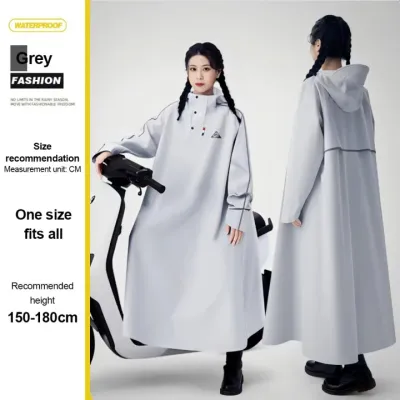
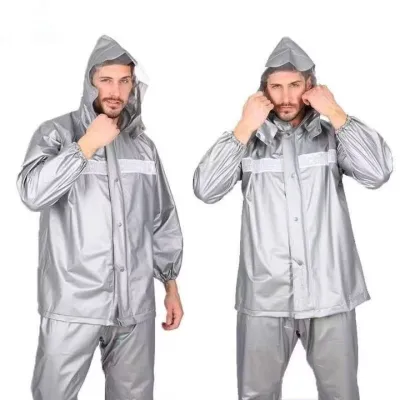
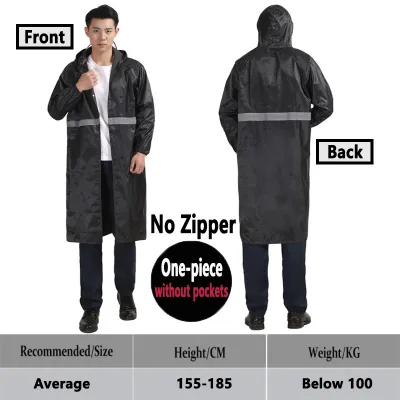
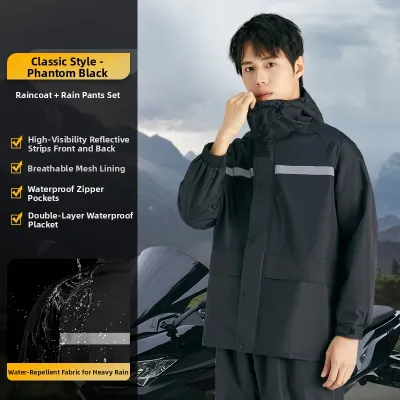
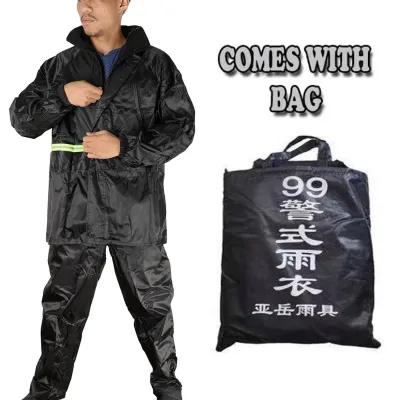
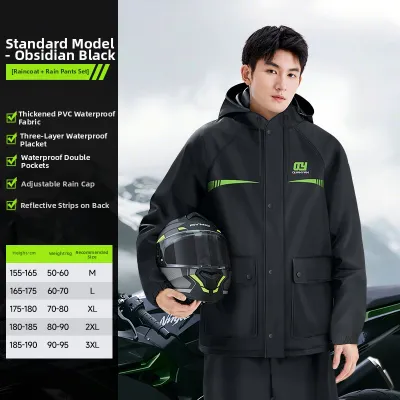
Prices are valid at publication and may change. Please refer to the product page for the latest price.
Hardware features also dictate how well a raincoat performs in a storm. A heavy-duty front zipper is useless if wind forces water directly through the zipper teeth. Look for raincoats designed with a double storm flap—a wide strip of waterproof fabric that folds over the zipper and secures with snaps or high-grip Velcro. This double-layer barrier channels water away from the zipper track. Additionally, ensure that all snaps, rivets, and zipper pulls are made of rust-resistant materials like heavy-duty plastics or treated brass. The high humidity and salty coastal air in many parts of the Philippines can quickly corrode cheap metal hardware, rendering closures useless after just one wet season.
Two-Piece Suits vs. Ponchos: Choosing the Right Style
When selecting a raincoat style, you must weigh the trade-offs between two-piece suits (jacket and pants) and one-piece ponchos. For most motorcycle riders, especially those commuting at higher speeds on highways or main thoroughfares, a two-piece suit is the safest and most effective option. A two-piece suit fits snugly against the body, minimizing wind resistance and preventing the fabric from flapping violently at speed. This aerodynamic fit reduces rider fatigue and prevents water from pooling in your lap, which is a common issue with single-piece designs. Furthermore, separate pants provide complete leg protection, keeping road spray kicked up by other vehicles from soaking your lower half.

In contrast, traditional ponchos or loose one-piece capes are generally unsuitable for medium-to-high-speed motorcycle riding. While a poncho is incredibly easy to slip on quickly during a sudden shower, its loose, open-bottom design poses severe safety hazards. At speeds above 30 km/h, the wind can catch a poncho, causing it to flap uncontrollably. This flapping can block your side mirrors, obscure your line of sight, or even wrap around your arms, restricting your ability to steer or brake. More dangerously, loose fabric can easily snag on moving motorcycle parts, such as the drive chain, rear sprocket, or wheel spokes, leading to a sudden loss of control or a mechanical failure. Ponchos should only be considered for very low-speed, short-distance city riding on step-through scooters, and even then, extreme caution is required.
The choice between these styles also affects packability and ease of use. A thick, two-piece raincoat takes up more space in your motorcycle’s under-seat compartment or top box. However, the superior protection and safety it offers far outweigh the minor inconvenience of a larger packed size. When choosing a two-piece suit, ensure the jacket is spacious enough to fit comfortably over your standard riding jacket with protective armor, while the pants should have wide leg openings or zippered gussets so you can pull them on over your riding boots without struggling on the roadside.
How to Verify Waterproofing and Durability Before Buying
Verifying the actual waterproof capability of a raincoat before purchasing requires looking closely at technical specifications and physical construction. If you are shopping online or reading product labels in a local motorcycle accessory shop, look for a hydrostatic head rating, which is measured in millimeters (mm). A rating of 5,000mm means the fabric can withstand a 5-meter column of water before leaking, which is suitable for light to moderate rain. For heavy tropical downpours and the high-pressure wind experienced while riding, aim for a rating of 10,000mm or higher. If a product listing does not state a waterproof rating, look for certifications such as EN 343, which is a European standard for protective clothing against rain.
A physical inspection of the raincoat’s stress points will tell you how long it will last. Examine the crotch and seat area of the pants, as well as the underarms of the jacket. These areas experience the most tension and friction when you mount, dismount, and ride your motorcycle. High-quality raincoats feature reinforced, double-stitched panels or seamless crotch designs to prevent the fabric from tearing under stress. Check that the knees are pre-curved or reinforced, as tight fabric across the knees when sitting on the bike can pull the seams apart over time.
Finally, test the closures and adjustments. Run the zippers up and down several times to ensure they glide smoothly without catching on the inner lining. The Velcro strips along the storm flaps and cuffs should be wide (at least 2 centimeters) and stitched securely to the fabric, not just glued. Weak or narrow Velcro will quickly lose its grip when exposed to dirt, road grime, and constant moisture, allowing wind to blow the storm flaps open during your ride.
Proper Fit and Safety Considerations for Riding
A thick raincoat must fit properly to ensure both comfort and safety on the road. When trying on a raincoat, do so while wearing your typical riding gear, including your armored jacket, elbow pads, and knee guards. Sit on your motorcycle or mimic your riding posture. Your arms should be able to reach the handlebars fully without the sleeves pulling back and exposing your wrists. Look for jackets with articulated sleeves and gusseted backs, which provide extra fabric where needed when you lean forward. The back of the jacket should also be cut longer than the front to prevent it from riding up and exposing your lower back to rain and wind.
Visibility is another critical safety factor during heavy downpours in the Philippines, where torrential rain can reduce road visibility to just a few meters. A dark, black raincoat makes you virtually invisible to other motorists. Ensure your raincoat features wide, high-quality reflective strips or piping across the chest, upper back, and sides of the arms. These reflective elements should meet international standards (such as EN ISO 20471) to ensure they reflect headlight beams effectively in low-light conditions. Bright, high-visibility colors like neon yellow, orange, or green on the upper half of the jacket are highly recommended for daytime riding in heavy rain.
Lastly, pay close attention to the lower half of the suit. Loose, baggy pant legs can easily touch hot exhaust pipes, melting the synthetic waterproof fabric and damaging your motorcycle. They can also catch on footpegs or controls when you try to put your feet down at a stoplight. Choose raincoat pants that feature adjustable ankle straps, snaps, or Velcro cuffs. These allow you to cinch the fabric tightly around your ankles or boots, keeping the pants secure, preventing water from splashing up your legs, and keeping the material safely away from hot engine components and moving parts.
Care and Maintenance to Extend Your Raincoat's Life
To preserve the waterproof integrity of your thick raincoat, proper care and maintenance are essential. Never throw your heavy-duty raincoat into a washing machine or a mechanical dryer. The aggressive spinning, agitation, and heat will quickly delaminate the internal PU coating, peel away the seam tape, and degrade the outer water-repellent finish. Instead, clean your raincoat by gently hand washing it in cool water. Use a mild, liquid soap or a specialized technical wash designed for waterproof fabrics. Avoid harsh detergents, fabric softeners, and bleach, as these chemicals strip away the protective coatings and weaken the synthetic fibers.
After washing, or after riding through a heavy storm, always air-dry your raincoat completely before storing it. Hang both the jacket and pants on wide, padded hangers in a shaded, well-ventilated indoor area or outdoor space away from direct sunlight. Ultraviolet (UV) rays from the sun can dry out and crack the waterproof coatings over time. Never fold or pack away a damp raincoat. Doing so creates a breeding ground for mold, mildew, and bacteria, which not only cause unpleasant odors but can also chemically break down the waterproof lining and adhesive seam tapes.
When storing your dry raincoat, avoid compressing it tightly into a small bag for long periods. Constant, tight folding creates sharp creases in the thick fabric, which can weaken the material and cause the internal waterproof coating to crack along the fold lines. Instead, roll the jacket and pants loosely and store them in a cool, dry place. If you must keep the raincoat in your motorcycle’s under-seat compartment for emergencies, try to lay it as flat as possible or roll it loosely to minimize creasing, and take it out to air dry whenever the bike is parked in a garage.
Frequently Asked Questions (FAQ)
Can I use a regular thick raincoat instead of a motorcycle-specific one?
While a standard heavy-duty raincoat might keep you dry while walking, it is not designed to handle the unique forces of motorcycle riding. Regular raincoats lack the aerodynamic fit, reinforced seams, and windproofing required to withstand highway-speed winds. They often balloon with air, creating dangerous drag, and lack the necessary reflective elements for road safety. Furthermore, standard raincoats rarely feature the specialized cuts needed to accommodate riding armor or the adjustable cuffs that prevent fabric from melting on hot exhaust pipes or snagging in the drive chain.
How do I prevent my heavy-duty raincoat from feeling too hot inside?
Thick, heavy-duty raincoats can trap body heat and sweat, especially in the hot, humid climate of the Philippines. To stay cool, look for raincoats equipped with built-in ventilation features, such as mesh-lined back vents or zippered underarm vents that allow hot air to escape without letting rain in. Additionally, wear a lightweight, moisture-wicking base layer underneath your riding gear instead of cotton. This helps pull sweat away from your skin, preventing that clammy, sticky feeling inside the waterproof suit.

Community discussion
Share your experience or ask a question. Comments are reviewed before publication.