
For the vast majority of drivers, standard Original Equipment Manufacturer (OEM) ignition coils are the correct and most logical choice. Standard coils are engineered specifically to match your vehicle’s factory specifications, ensuring optimal fuel efficiency, reliable starting, and long-term durability under normal driving conditions. Upgrading to a high performance ignition coil on a completely stock, unmodified engine rarely provides any noticeable performance, horsepower, or fuel economy gains. High performance ignition coils are designed specifically for modified engines, vehicles with custom Engine Control Unit (ECU) tunes, or cars subjected to sustained high-RPM driving conditions, such as track racing. If your vehicle is a daily commuter used for navigating city streets, standard replacements will save you money while delivering the exact reliability your engine requires.
Core Differences: Construction and Spark Output
To understand which ignition coil fits your vehicle, it is essential to look at how these components are constructed and how they deliver electrical energy to the combustion chamber. An ignition coil operates as a miniature step-up transformer. It takes the low voltage supplied by your vehicle’s 12-volt electrical system and converts it into the thousands of volts necessary to bridge the gap of the spark plug, igniting the compressed air-fuel mixture.
The primary physical differences between standard and high performance ignition coils lie in their internal winding materials, core design, and insulation methods. Standard ignition coils are optimized for factory-spec efficiency, emissions compliance, and long-term durability. They typically feature standard-grade copper windings with a turn ratio—the ratio of secondary winding turns to primary winding turns—calibrated specifically for the vehicle’s stock power output. Most modern standard coils use high-quality epoxy resins to insulate the internal windings from moisture, vibration, and heat.
Products mentioned in this guide
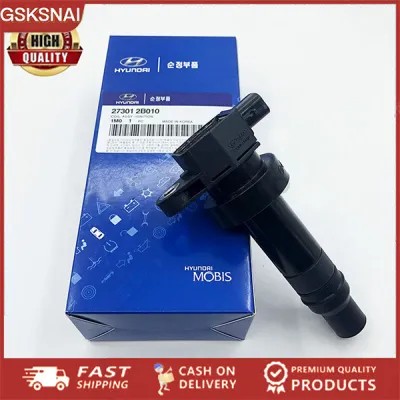
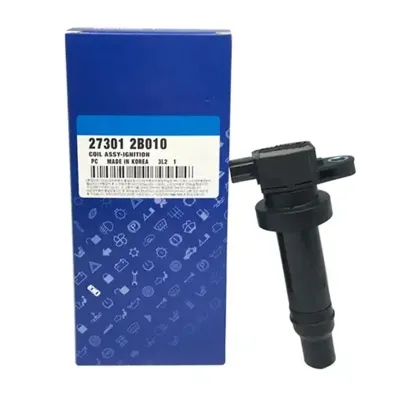
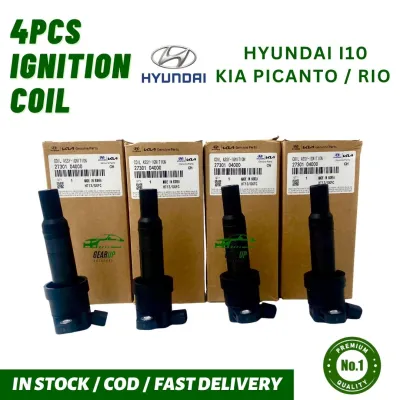
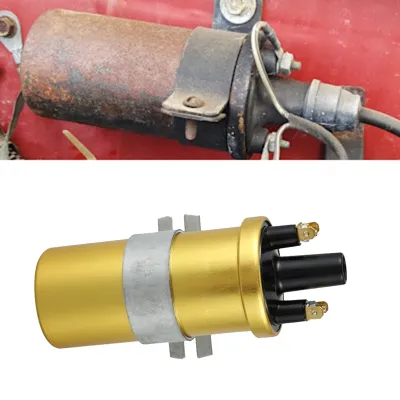
Prices are valid at publication and may change. Please refer to the product page for the latest price.
In contrast, a high performance ignition coil is engineered to deliver a stronger, more consistent spark under extreme engine operating conditions. These coils often utilize higher-purity copper wire with thinner, more heat-resistant insulation, allowing manufacturers to pack more windings into the same physical space or alter the winding ratio to increase output voltage and current. Additionally, high performance coils may feature advanced magnetic core materials that reduce energy loss during the magnetic charging cycle.
This construction allows high performance coils to optimize spark energy and dwell time. Dwell time is the duration for which the ECU allows current to flow through the primary winding to charge the coil’s magnetic field. At high engine speeds, the time available to charge the coil decreases dramatically. Standard coils may struggle to fully charge at high RPMs, leading to a weaker spark. High performance coils are designed to saturate, or fully charge, much faster. This rapid saturation ensures they can deliver a hot, consistent spark even when dwell times are extremely short, preventing spark blowout and misfires under high cylinder pressures.
Engine Compatibility and Electrical System Limits
Before deciding to upgrade, you must consider the critical relationship between your vehicle’s ignition coils, the Engine Control Unit (ECU), and the overall charging system. Ignition coils do not operate in isolation; they are highly integrated into your vehicle’s complex electrical architecture.

High performance ignition coils often draw more electrical current from the vehicle’s system to produce their higher spark energy. This increased current draw can place a significant burden on other components. If you install high-output coils on a vehicle with a stock wiring harness, an aging or weak battery, or a standard alternator, you risk straining the charging system. This strain can lead to voltage fluctuations, which may cause random engine misfires, trigger diagnostic trouble codes, or even result in the premature failure of other sensitive electronic components.
Furthermore, the ECU controls the exact timing and duration of the coil’s charging cycle. Factory ECU maps are programmed with specific dwell times optimized for standard OEM coils. If you install high performance coils without modifying these ECU settings, the coils may not perform as intended. In some cases, the factory ECU may continue to charge the high performance coil using standard parameters, resulting in no performance gain whatsoever. In other scenarios, mismatched impedance or resistance values can cause the coil to run excessively hot, leading to rapid internal degradation and eventual failure.
To avoid these issues, always consult your vehicle’s service manual and verify your alternator’s output capacity before committing to an upgrade. If you plan to use high performance coils to their full potential, you must ensure that your vehicle’s electrical system is in pristine condition and that your ECU can be calibrated, if necessary, to accommodate the modified electrical characteristics of the new coils.
Real-World Driving Scenarios in the Philippines
The unique driving conditions and tropical climate of the Philippines play a major role in determining which ignition coil is best suited for your vehicle. Operating a vehicle in this region exposes engine components to extreme environmental stress, making thermal management a primary concern.
In highly congested urban centers such as Metro Manila, drivers frequently endure prolonged stop-and-go traffic under intense tropical heat. During the dry season, ambient temperatures can soar, and the lack of moving airflow through the engine bay leads to a phenomenon known as heat soak. Under-hood temperatures can rise to extreme levels, putting immense thermal stress on all ignition components. Standard OEM coils are rigorously tested by vehicle manufacturers to withstand these exact thermal cycles. They are designed to dissipate heat effectively within the stock engine bay configuration, ensuring reliable performance over years of daily commuting.
High performance ignition coils, while built with high-quality heat-resistant materials, naturally generate more internal heat due to their higher energy throughput. If these coils are installed in a daily-driven car that spends hours idling in heavy traffic, the combination of high ambient heat and increased internal operating temperature can accelerate the breakdown of the coil’s internal insulation. Without adequate cooling or specialized heat shielding, upgrading to high performance coils in a tropical climate can actually reduce their lifespan compared to standard OEM units.
Conversely, if you use your vehicle for sustained highway driving across provinces or participate in weekend track days, your engine operates at higher RPMs for extended periods. In these scenarios, the constant airflow through the engine bay helps mitigate heat soak, and the rapid-fire demands on the ignition system make the quick saturation of a high performance coil beneficial. However, for the average driver navigating daily traffic, the superior thermal calibration and proven durability of standard OEM coils make them the more practical and reliable choice.
Cost, Lifespan, and Long-Term Value
When evaluating ignition coils, you must weigh the upfront purchase price against the expected lifespan and overall maintenance costs. Standard and high performance coils offer very different value propositions depending on how you use your vehicle.
Standard OEM coils, or high-quality aftermarket equivalents, are highly cost-effective. They are widely available at local auto parts physical stores and reputable online marketplaces throughout the Philippines. Because they are mass-produced to meet factory specifications, they are priced affordably, allowing you to replace a single failing coil or an entire set without a massive financial burden. Under normal driving conditions, standard coils are designed to last for the vehicle’s recommended service interval, which is typically between 80,000 and 100,000 kilometers. This makes them an excellent long-term value for standard vehicle maintenance.
High performance ignition coils carry a significant price premium, often costing twice or three times as much as standard replacements. While they are built with premium materials, their specialized design means they are often operated under more demanding conditions, such as in turbocharged, supercharged, or highly tuned engines. Consequently, they may require more frequent inspection and earlier replacement than standard coils.
The long-term value of a high performance coil is directly tied to your vehicle’s level of modification. If your engine is stock, paying a premium for high-performance coils provides no measurable return on investment. The extra spark energy will not translate into more power or better fuel economy because the engine’s computer is not programmed to utilize it. However, if you have invested in significant engine modifications and a custom tune, the high performance coil is a necessary investment to protect your engine from high-load misfires and ensure reliable power delivery.
Decision Framework: Standard vs High Performance
To help you finalize your purchase decision, use the following structured decision matrix to determine which type of ignition coil aligns with your vehicle’s requirements and your driving habits.
Choose Standard OEM Coils if:
- Your vehicle's engine is completely stock, with no aftermarket performance modifications or ECU tuning.
- You use your vehicle primarily for daily commuting, running errands, family transport, or commercial driving.
- Your primary goals are long-term reliability, maximum fuel economy, and maintaining predictable, budget-friendly maintenance costs.
- You want a direct, plug-and-play replacement that requires no modification to your vehicle's wiring, battery, alternator, or computer settings.
Choose High Performance Coils if:
- Your engine features significant internal modifications, such as upgraded camshafts, high-compression pistons, or aftermarket forced induction (turbochargers or superchargers).
- Your vehicle has a custom ECU tune specifically calibrated to adjust dwell times and harness the higher spark energy of performance coils.
- You regularly drive your vehicle in high-RPM scenarios, such as track racing, autocross, or demanding off-road conditions where maximum spark consistency is required.
Verify First if:
- Your vehicle is currently experiencing a rough idle, engine hesitation, or a check engine light with active misfire codes (such as P0300 through P0308).
- You have not yet inspected your spark plugs, fuel injectors, or vacuum lines. Misfires are frequently caused by worn spark plugs, clogged fuel injectors, or vacuum leaks, rather than a failing ignition coil.
- Your vehicle's battery, alternator, or electrical grounding straps are old or showing signs of voltage instability, as a weak charging system can mimic ignition coil failure.
Installation Safety and Pre-Purchase Verification
Before purchasing any ignition components, you must perform thorough pre-purchase checks using specific product and vehicle documentation. Ignition coils are highly vehicle-specific; never infer compatibility from a generic category term. You must verify the exact vehicle make, model, year, interface design, physical dimensions, mounting position, road legality, and potential safety impact of the replacement parts. Even within the same vehicle model, different engine options or trim levels may require entirely different coil shapes, connector pinouts, and electrical resistances.
When you are ready to perform the installation, safety must be your top priority. Working on an automotive ignition system involves disassembly and electrical modifications that carry high safety risks. Always consult your original-vehicle instructions and determine if you need qualified professional installation before proceeding. Always adhere to the following safety boundaries before operating:
- Ensure the engine is completely cool to the touch to prevent burns from hot engine components.
- Always disconnect the negative battery terminal before beginning any work on the electrical or ignition system. This prevents accidental electrical shocks and protects sensitive electronic control units from voltage spikes.
- Clean the area around the ignition coils before removal to prevent dirt, dust, or debris from falling into the spark plug wells or the cylinders.
During the installation process, carefully inspect the spark plug boots and ensure they seat firmly and securely onto the spark plug terminals. When using dielectric grease, apply it sparingly only to the inside tip of the rubber boot to prevent the boot from baking onto the ceramic portion of the spark plug over time. Never apply dielectric grease directly to the low-voltage electrical pins inside the connector plug, as it is an electrical insulator and can disrupt the vital low-voltage signals sent from the ECU to the coil. If the installation process requires removing major engine components, such as the intake manifold, or if you are unsure about the electrical compatibility of your new coils, seek the assistance of a qualified professional mechanic.
Frequently Asked Questions (FAQ)
Will high performance ignition coils improve my fuel economy?
On a stock engine, high performance ignition coils will not provide a noticeable improvement in your vehicle’s fuel economy. Fuel efficiency is heavily dependent on the factory-programmed air-fuel ratio, engine management system, and overall mechanical condition of the vehicle. A high performance coil cannot burn more fuel than what is injected, nor can it alter the combustion chamber’s design. You will only experience an improvement in fuel efficiency if your original stock coils were severely degraded, damaged, or causing active engine misfires, in which case replacing them with either standard or performance coils would restore your engine’s baseline efficiency.
Can I mix standard and high performance coils in the same engine?
You should never mix standard and high performance ignition coils, or different brands of coils, within the same engine. Different ignition coils feature unique internal resistances, primary and secondary winding configurations, and charging characteristics. Mixing them causes the ECU to deliver unequal spark energy across the cylinders, which can result in uneven combustion, a rough idle, and persistent engine misfires. Over time, this imbalance can trigger check engine lights, accelerate wear on your spark plugs, and potentially cause severe damage to your catalytic converter or internal engine components. Always replace your ignition coils in complete, matched sets.
Do I need to change my spark plugs when upgrading ignition coils?
It is highly recommended to inspect and potentially upgrade your spark plugs when transitioning to high performance ignition coils. Because high performance coils deliver a stronger, higher-energy spark, they can accelerate the wear of standard spark plugs or cause spark blowout if the plug gap is incorrect for the increased energy. In modified or tuned engines, you may need to select spark plugs with a colder heat range or adjust the electrode gap according to the coil manufacturer’s specific recommendations to ensure stable, reliable combustion under high cylinder pressures. Always refer to both the coil manufacturer’s instructions and your vehicle’s service manual before finalizing your spark plug selection.
Community discussion
Share your experience or ask a question. Comments are reviewed before publication.