
Selecting a motorcycle helmet is one of the most critical decisions any rider in the Philippines will make. With diverse road conditions, intense tropical heat, and unpredictable weather patterns across the archipelago, your choice of riding gear directly impacts both your safety and daily comfort. HJC has established itself as a highly popular brand among local motorcyclists, offering a wide spectrum of options that cater to different financial limits and riding styles.
Navigating the extensive HJC lineup requires a clear understanding of what each price tier offers. Whether you are a daily commuter weaving through city traffic, a weekend tourer exploring scenic provincial routes, or a track enthusiast pushing limits, there is a specific model designed for your needs. By evaluating shell materials, aerodynamic designs, and comfort features against your actual riding habits, you can make an informed purchase that maximizes every peso spent.
Defining Your Budget and Non-Negotiable Safety Standards
Before browsing specific models, establishing a clear financial boundary is essential. In the Philippine market, HJC helmets generally fall into three distinct price brackets. Entry-level options typically range from ₱3,500 to ₱5,000, mid-range models span from ₱6,000 to ₱12,000, and premium performance helmets start around ₱15,000 and can exceed ₱40,000. When calculating your total budget, remember to factor in secondary expenses such as shipping fees if ordering from an authorized provincial dealer, local taxes, and potential add-ons like a Pinlock anti-fog insert or a tinted visor.
Products mentioned in this guide
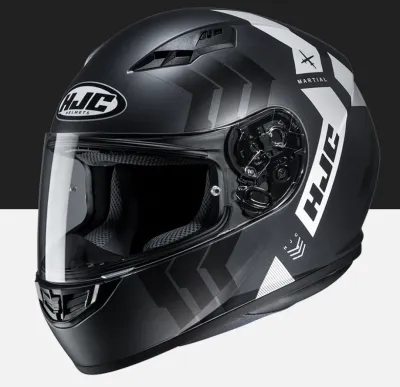
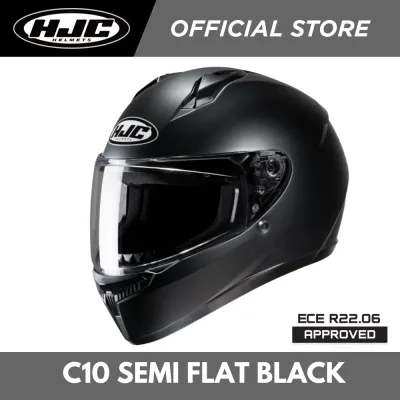
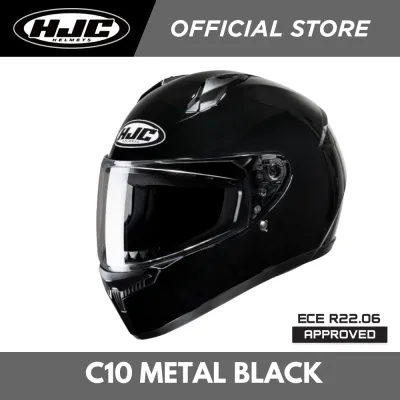
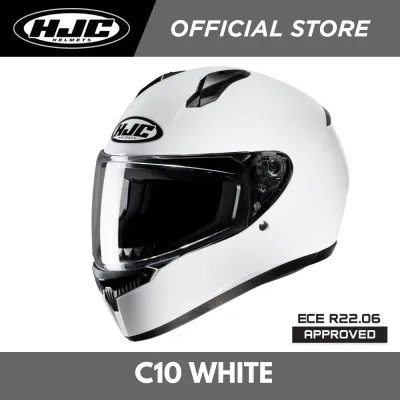
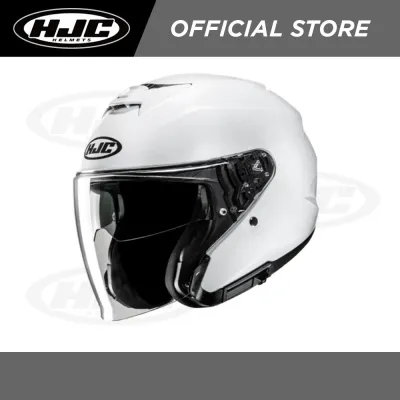
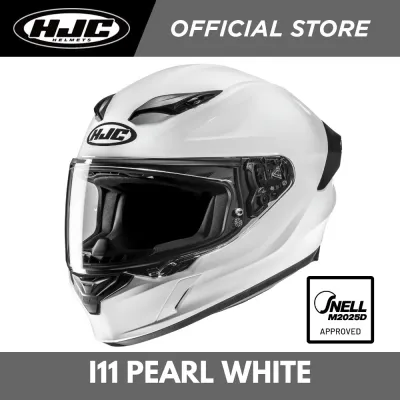
Prices are valid at publication and may change. Please refer to the product page for the latest price.
Regardless of how much you plan to spend, safety certifications remain completely non-negotiable. Every genuine HJC helmet must carry verifiable safety credentials. In the Philippines, you should physically inspect the helmet shell and the packaging box for the Import Commodity Clearance (ICC) or Product Safety (PS) mark, alongside international certifications like ECE 22.05 or the more stringent ECE 22.06 standard. Do not rely solely on online product descriptions or digital mockups; physically verify that these certification labels are present, undamaged, and securely affixed to the helmet.
Understanding the trade-offs between price tiers will help you make a practical decision. Lower-priced helmets do not compromise on basic impact protection, as they must pass the same baseline safety tests as expensive models. Instead, working with a tighter budget means compromising on secondary features such as overall weight, wind noise suppression, interior fabric plushness, and advanced ventilation systems. Knowing this allows you to manage expectations without worrying about sacrificing your physical safety.
When funds are limited, always prioritize shell integrity and a correct physical fit over aesthetic appeal, limited-edition graphic packages, or brand prestige. A solid-color helmet that fits your head shape perfectly is vastly superior in an accident to a loose-fitting helmet featuring a famous racer’s graphic design. Focus your spending on securing the correct size and shell type first, as cosmetic upgrades do not contribute to impact absorption.
Entry-Level HJC Helmets: Maximizing Value for Daily Commuting
Entry-level HJC helmets are designed primarily for daily city commuters, novice riders, and those seeking a highly dependable secondary helmet for pillion passengers. If your daily route consists of stop-and-go city traffic, low-speed urban navigation, and relatively short distances, this tier offers exceptional utility without demanding a heavy financial investment. These models are engineered to withstand the rigors of daily wear while keeping you safe on the road.

At this price point, you can expect the helmet shell to be constructed from advanced polycarbonate composite. Polycarbonate is a highly durable, impact-resistant thermoplastic that allows manufacturers to produce safe helmets at a lower cost. However, polycarbonate is inherently heavier than composite fibers. An entry-level helmet will typically feel heavier on your head, which is perfectly acceptable for short, 30-minute commutes but may lead to mild neck fatigue during multi-hour journeys.
When inspecting an entry-level HJC model, there are several essential features you must verify. Ensure the helmet features functional forehead and chin ventilation ports to help manage interior temperatures in tropical climates. Look for a fully removable and washable comfort liner, which is vital for maintaining hygiene and preventing odor buildup from sweat and road grime. Additionally, check that the visor mechanism operates smoothly and allows for tool-less shield replacement, making maintenance straightforward.
To keep these helmets affordable, certain compromises are inevitable. Entry-level models generally exhibit higher levels of wind noise at speeds exceeding 60 km/h due to simpler aerodynamic shaping and basic neck-roll seals. The visor locking mechanisms are usually basic friction-based systems rather than sophisticated central locks. Furthermore, while the visor may be Pinlock-ready with pre-installed pins, the actual anti-fog insert is rarely included in the box and must be purchased separately.
Achieving a proper fit is critical, especially at the entry-level tier where comfort liners are made from standard polyurethane foam. This type of padding tends to compress and break in significantly over time. When trying on the helmet at a physical store, ensure it fits snugly against your cheeks and forehead without causing painful pressure points. If the helmet feels slightly loose in the showroom, it will likely become far too loose once the padding breaks in after a few weeks of daily commuting.
Mid-Range HJC Helmets: Upgrading Comfort for Long Rides
Mid-range HJC helmets are tailored for weekend tourers, long-distance commuters, and riders who are highly sensitive to neck fatigue and wind noise. If your riding habits involve traveling on expressways, exploring scenic provincial highways, or spending several consecutive hours in the saddle, upgrading to this segment provides a dramatic improvement in overall riding quality.
One of the most significant upgrades in the mid-range tier is the transition to advanced shell materials. Many mid-range HJC models feature fiberglass composite shells or advanced multi-shell designs. Fiberglass offers a substantially higher strength-to-weight ratio compared to standard polycarbonate. This material engineering results in a much lighter helmet shell, directly reducing the physical strain on your neck muscles during long, continuous stretches of highway riding.
Comfort and convenience features receive a substantial boost in this category. Mid-range models frequently include a Pinlock anti-fog lens directly in the box, saving you from an expensive secondary purchase. The interior liners utilize premium moisture-wicking, quick-drying, and antibacterial fabrics that keep your face cool and dry. Additionally, many models in this tier incorporate emergency quick-release cheek pads, allowing emergency medical personnel to safely remove the helmet in the event of an accident.
Ventilation systems are also highly refined in mid-range helmets, utilizing advanced multi-channel airflow designs. HJC’s Advanced Channeling Ventilation System (ACS) uses front-to-back airflow to actively draw heat and humidity out of the helmet interior. In the hot and humid tropical climate of the Philippines, efficient ventilation is a critical safety feature that helps prevent rider fatigue, heat exhaustion, and visor fogging during sudden tropical downpours.
Deciding whether to stretch your budget from an entry-level model to a mid-range option depends largely on your riding profile. If you ride more than three times a week, cover distances greater than 50 kilometers per trip, or regularly cruise at speeds above 80 km/h, the investment in a mid-range helmet is highly justified. The reduction in wind noise, lighter weight, and superior moisture management will make your rides substantially safer and more enjoyable.
Premium HJC Helmets: Advanced Materials for Performance Riding
Premium HJC helmets are engineered specifically for track-day enthusiasts, sportbike owners, and riders who demand the absolute lightest gear and maximum aerodynamic stability at high speeds. This segment represents the pinnacle of HJC’s engineering capabilities, where every component is optimized for high-performance environments where fractions of a second and extreme safety margins matter.
The defining characteristic of premium HJC helmets is their state-of-the-art shell construction, often utilizing HJC’s Premium Integrated Matrix (PIM) technology. These shells combine carbon fiber, carbon-aramid hybrid fibers, and organic non-woven fabrics to create an incredibly strong yet remarkably lightweight structure. This advanced composite blend excels at dispersing impact energy across the shell while keeping the overall weight of the helmet exceptionally low, minimizing physical fatigue under intense riding conditions.
Aerodynamics play a crucial role in premium helmet design. These models undergo extensive testing in HJC’s proprietary wind tunnel to refine their external shapes and integrate highly functional rear spoilers. This aerodynamic optimization minimizes wind drag, helmet lift, and buffeting at high speeds, allowing your head to remain perfectly stable when tucked behind a motorcycle’s windscreen. This level of stability is essential for maintaining clear vision and focus on racetracks or open highways.
High-end features are standard throughout the premium lineup. You will find advanced visor systems that offer a significantly wider field of view, maximizing peripheral vision when leaning into corners. The ventilation systems are designed for maximum airflow capacity, featuring adjustable intake vents and highly efficient exhaust ports. The interior fabrics are incredibly plush, utilizing specialized materials that dry rapidly and resist odor buildup even under extreme physical exertion.
Despite their outstanding performance, premium helmets come with specific limitations that you must consider before purchasing. These helmets are typically designed with a very snug, race-oriented fit that can feel overly tight or restrictive during casual, low-speed city commuting. Furthermore, their advanced moving parts, delicate matte finishes, or exposed carbon weaves require meticulous maintenance and careful handling to prevent premature wear, making them less practical for riders seeking a low-maintenance, everyday utility helmet.
Avoiding Pitfalls: Hidden Costs and Authenticity Checks
When purchasing an HJC helmet in the local market, navigating potential pitfalls is crucial to ensuring you receive a genuine, safe product. Always buy from authorized HJC dealers, official brand stores, or highly reputable physical motorcycle accessory shops. Purchasing from authorized sources guarantees that your helmet is authentic, covered by the manufacturer’s warranty, and eligible for official replacement parts such as visors, base plates, and cheek pads.
Be extremely cautious of suspiciously low prices on general online marketplaces, social media groups, or unauthorized retail outlets. Counterfeit HJC helmets are highly prevalent and often marketed as “Class A,” “OEM,” or “factory overruns.” These fake helmets are manufactured using cheap, brittle plastics that offer zero real-world impact protection and will shatter under stress. Additionally, always check the manufacturing date sticker located beneath the comfort liner; helmets that have been stored in hot warehouses for several years may have degraded EPS liners, significantly reducing their protective capabilities.
Before finalizing your purchase, verify all potential hidden costs to avoid unexpected expenses. Bulky items like helmets often incur high shipping fees when ordered online, and you must also account for any local taxes or customs duties if importing. Furthermore, consider the cost of optional accessories; if you require a tinted visor for daytime riding or a Bluetooth communication system, check if these items are compatible and factor their prices into your overall budget.
Finally, never rely solely on online size charts to determine your helmet size. Head shapes vary significantly between individuals—some heads are intermediate ovals, while others are rounder—and a helmet that matches your measured head circumference may still cause painful pressure points if the internal shell shape does not match your head. Whenever possible, visit a physical store to conduct a thorough fit test, keeping the helmet on for at least ten minutes to ensure there are no hot spots or discomfort before making your final decision.
Frequently Asked Questions (FAQ)
How do I clean and maintain my HJC helmet visor in heavy rain and dust?
To clean your HJC visor safely, first remove it from the helmet shell using the quick-release mechanism to prevent water from soaking into the comfort liner. Rinse the visor thoroughly under lukewarm, running tap water to wash away loose dust, road grit, and salt residue; skipping this step can cause the grit to scratch the visor during wiping. Use a mild, diluted dish soap or baby shampoo and your bare hands to gently clean the surface, then dry it using a clean, high-quality microfiber cloth. Never use harsh window cleaners, alcohol-based solvents, abrasive sponges, or high-pressure water, as these chemicals and materials can permanently strip away the visor’s anti-scratch and anti-fog coatings.
Can I install a Bluetooth communication system in any HJC helmet?
Most modern HJC helmets are designed with dedicated speaker pockets and wire routing channels molded directly into the internal EPS liner, but compatibility varies by model. Several mid-range and premium HJC models are specifically engineered to integrate proprietary Smart HJC Bluetooth communication systems, featuring built-in housing compartments that keep the unit flush with the helmet shell. If you plan to install a third-party intercom, check the manufacturer’s instruction manual for both the helmet and the communication unit to ensure proper wire routing. Verify that the speaker pockets are deep enough to accommodate your speakers without pressing painfully against your ears, and ensure the clamp mount can be securely attached to the helmet’s lower rim.
How often should I replace my HJC helmet if I ride daily in the Philippines?
As a general safety guideline, you should replace your HJC helmet every five years from the date of manufacture, or three years from the date of purchase, whichever comes first. In the tropical climate of the Philippines, daily exposure to high ambient temperatures, intense ultraviolet (UV) radiation, heavy sweat, and hair products can accelerate the degradation of the internal EPS impact liner and comfort padding. If your helmet experiences any significant impact, such as a motorcycle crash or a hard drop onto concrete from a height of more than one meter, you must replace it immediately. Even if the outer shell appears undamaged, the internal EPS liner may have compressed to absorb the impact, rendering it incapable of protecting your head in a subsequent accident.
Community discussion
Share your experience or ask a question. Comments are reviewed before publication.