
Upgrading a motorcycle’s exhaust system is one of the most common modifications for riders seeking a more distinct sound and improved engine response. Among the various internal configurations available, the chambered muffler design stands out as a sophisticated engineering solution that balances acoustic refinement with usable power. For motorcycle owners in the Philippines, choosing the right exhaust setup requires understanding how these internal components interact with exhaust gases.
The primary keyword “hks chambered muffler” represents a specific design approach where internal walls and compartments shape the exhaust tone and manage backpressure. Unlike simple open pipes, this design targets specific sound frequencies while maintaining the low-end torque needed for daily riding. Understanding the mechanics of this system helps you decide if a chambered setup aligns with your riding style, performance goals, and local road regulations.
Understanding the Chambered Internal Structure
To appreciate how a chambered muffler operates, it is helpful to examine its physical layout. The outer shell, or canister, houses a series of internal walls known as baffles. These baffles divide the interior space into multiple distinct, interconnected expansion chambers. Instead of traveling in a straight line from the engine to the tip, the exhaust gases are forced to navigate a winding path through these chambers, changing direction and velocity as they flow.
Products mentioned in this guide
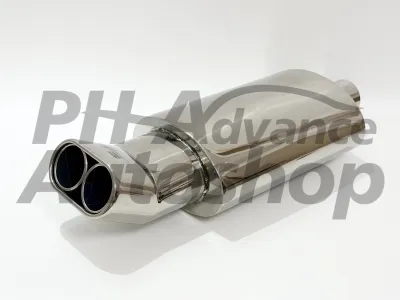
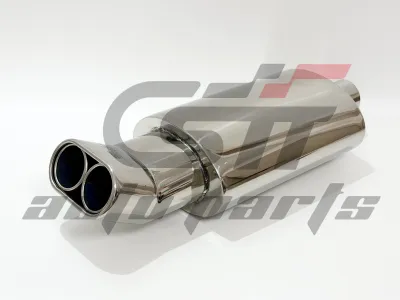
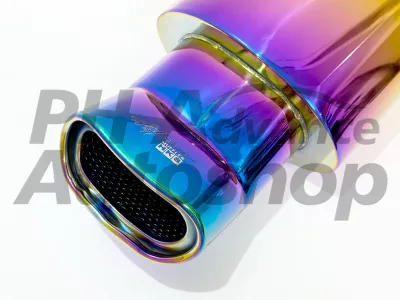
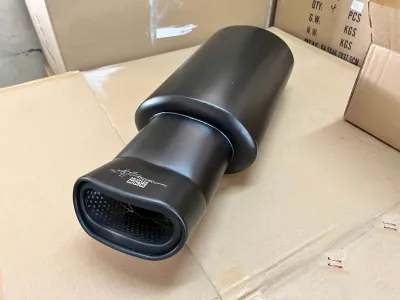
Prices are valid at publication and may change. Please refer to the product page for the latest price.
This complex internal routing contrasts sharply with straight-through, or glasspack, muffler designs. A straight-through muffler features a continuous, perforated tube wrapped in sound-absorbing material, such as fiberglass or steel wool. Exhaust gases pass directly through the center with minimal restriction, relying entirely on the packing material to absorb sound waves.
In contrast, a chambered design manages exhaust flow through geometric restriction and expansion. As gas pulses exit the exhaust pipe and enter a larger chamber, they expand and lose pressure. They are then channeled through narrower baffle passages into the next chamber. This mechanical manipulation of the gas flow allows the muffler to control both sound and pressure waves without relying on packing materials that degrade over time.
Decoding the Exhaust Tone and Acoustic Profile
The primary reason many riders consider an HKS chambered muffler is the unique acoustic profile it produces. Sound waves are physical pulses of air pressure generated by the engine’s combustion cycles. When these sound waves enter a chambered muffler, they strike the internal metal baffles and bounce in multiple directions.

This reflection causes the sound waves to collide with one another. When the peak of one wave meets the trough of another, they cancel each other out—a phenomenon known as destructive interference. Engineers design the size and placement of the chambers to target and cancel harsh, high-frequency sound waves. This process eliminates the raspy, metallic, or buzzy noises often associated with unbaffled exhaust systems.
The resulting acoustic tone is typically deeper, lower-pitched, and more refined. It delivers a solid, resonant rumble that sounds powerful without being excessively loud or sharp. For riders in the Philippines navigating long highway stretches or daily city commutes, this deeper tone is far less fatiguing over extended periods.
Furthermore, chambered designs are highly effective at controlling exhaust drone, which is a persistent, annoying frequency that occurs at specific cruising RPMs. By tuning the volume of individual chambers, manufacturers can minimize these fatiguing frequencies. However, the final decibel level and overall tone will always depend on your motorcycle’s engine displacement, cylinder configuration, and the specific HKS model installed. Always verify compatibility with your specific engine type before purchase.
Backpressure, Scavenging, and Power Delivery
Beyond sound, the internal structure of a chambered muffler directly influences engine performance by managing backpressure. Backpressure refers to the resistance the exhaust gases face as they exit the engine. While a common misconception suggests that all backpressure is harmful, a carefully calculated amount of resistance is actually necessary for optimal engine operation, particularly in street-legal motorcycles.
Chambered designs inherently create more restriction than straight-through pipes because the gases must change direction. However, this restriction is engineered to facilitate exhaust scavenging. Scavenging is the process where the kinetic energy of an exiting exhaust pulse is used to create a partial vacuum behind it. This negative pressure wave helps pull the remaining spent gases out of the combustion chamber during the engine’s valve overlap period.
By optimizing this scavenging effect, a chambered muffler enhances low-to-mid RPM torque. This torque boost is highly practical for daily riding in the Philippines, where navigating tight city traffic, overtaking slow-moving vehicles, or climbing inclined roads requires immediate, responsive power. Straight-through designs, which minimize backpressure to the absolute limit, typically shift the power band to high RPMs, sacrificing low-end grunt for peak horsepower at the track.
To achieve these performance benefits, you must match the muffler’s flow characteristics to your motorcycle’s engine displacement and configuration. Installing an oversized or mismatched muffler can disrupt the pressure waves, leading to a loss of power. Additionally, any modification to the exhaust system may require adjusting the engine’s fuel-to-air ratio through ECU remapping to prevent the engine from running too lean, which can cause overheating in tropical climates.
Evaluating Fitment, Compliance, and Riding Style
Deciding whether to install an HKS chambered muffler depends heavily on how and where you ride. If your daily routine involves commuting, urban riding, or long-distance touring, the refined sound and enhanced low-end torque of a chambered design offer a balanced, practical upgrade. Track riders who spend their time at maximum RPMs may still prefer straight-through designs, but street riders will find the chambered characteristics much more usable.
Legal compliance is another critical factor to consider before purchasing. In the Philippines, exhaust modifications are subject to strict noise regulations enforced by the Land Transportation Office (LTO) and local municipal government units. Excessively loud motorcycles can lead to fines or vehicle impoundment. Because chambered mufflers naturally suppress high-frequency noise and control overall decibels more effectively than straight-through pipes, they are generally easier to keep within legal limits. Always check the specific decibel ratings and compliance certifications of the HKS model you intend to buy.
Finally, proper installation is paramount to safety and performance. Before ordering, verify the exact vehicle model, manufacturing year, inlet diameter, and mounting position against the official HKS fitment documentation. Never assume a muffler fits simply because it matches your bike’s engine size. For safety and compliance, always have the exhaust system installed by a qualified professional mechanic. A professional can ensure there are no exhaust leaks, verify that the mounting brackets are secure, and perform any necessary ECU remapping to keep your engine running safely and efficiently.
Frequently Asked Questions (FAQ)
Do chambered mufflers require repacking like straight-through designs?
No, chambered mufflers generally do not require periodic repacking. Because they rely on solid metal baffles and engineered internal chambers to control sound rather than sound-absorbing fiberglass or steel wool, there is no packing material to burn away or degrade over time. This makes them a highly durable, low-maintenance option for daily riders. However, it is still wise to inspect the exhaust system periodically for any physical damage, loose brackets, or excessive internal carbon buildup that could restrict flow.
Will installing an aftermarket HKS muffler void my motorcycle's warranty?
Installing an aftermarket exhaust system can potentially affect your motorcycle’s manufacturer warranty, particularly regarding the engine, powertrain, and emissions systems. Under many warranty policies, if a failure is directly linked to an aftermarket modification, the claim may be denied. To protect your investment, review your specific motorcycle manufacturer’s warranty terms before proceeding. It is also highly recommended to retain your stock exhaust system in its original condition, allowing you to return the motorcycle to factory specifications if necessary.
Community discussion
Share your experience or ask a question. Comments are reviewed before publication.