
Choosing the right hnj full face helmet depends on balancing your budget with your daily riding demands, as the brand’s lineup spans from highly affordable entry-level options to feature-rich mid-range and upper-tier models. For daily commuting in the Philippines, matching a helmet’s safety certifications, shell materials, and ventilation to your specific price point ensures you do not compromise on protection while managing your expenses. By understanding what each price tier offers, you can make an informed decision that keeps you safe on the road.
Navigating the wide variety of options requires looking beyond aesthetics to evaluate structural integrity, comfort, and practical usability. Whether you are a daily commuter braving the congested streets of Metro Manila or a weekend rider exploring provincial routes, your helmet is your primary line of defense. Selecting the appropriate model involves assessing how specific features align with your riding environment and financial limits.
Defining Your Budget Tier for an HNJ Full Face Helmet
Categorizing your spending capacity into distinct brackets helps set realistic expectations for the features and build quality you will receive. Entry-level HNJ full face helmets are generally characterized by basic thermoplastic or Acrylonitrile Butadiene Styrene (ABS) shells and standard clear visors with basic mechanical ratchet systems. These models focus on providing essential protection at a highly accessible price point, making them popular choices for budget-conscious riders or those looking for a secondary passenger helmet.
Products mentioned in this guide
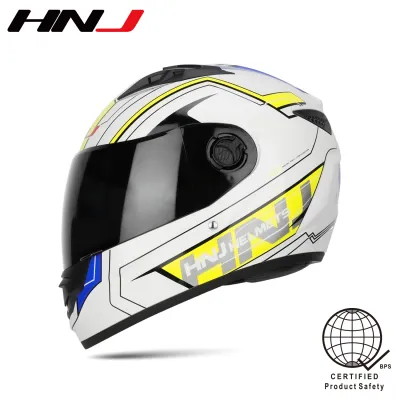
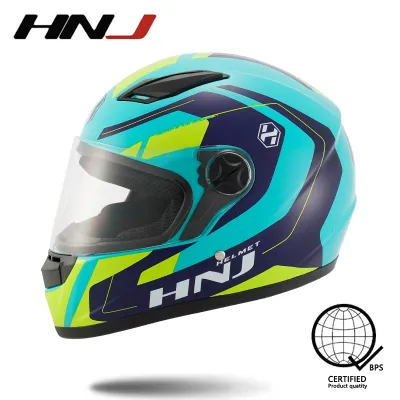
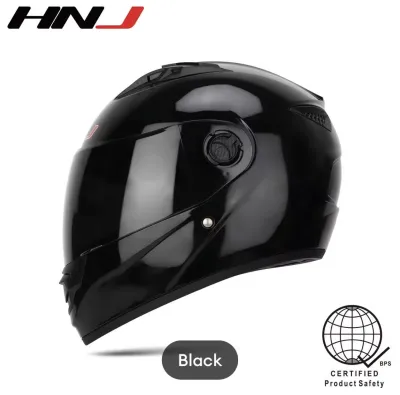
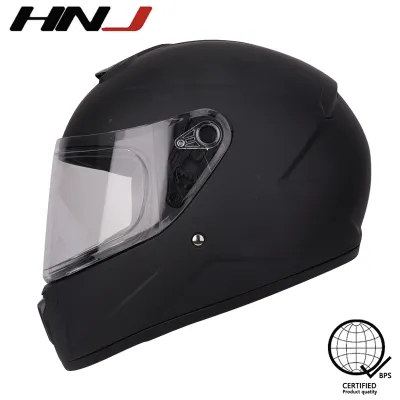
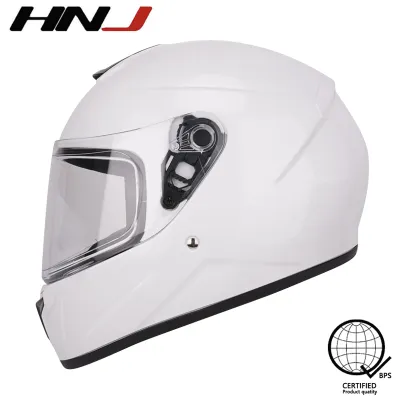
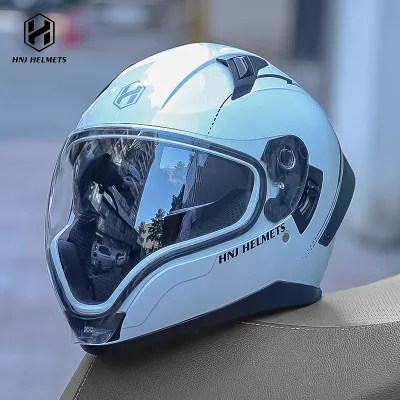
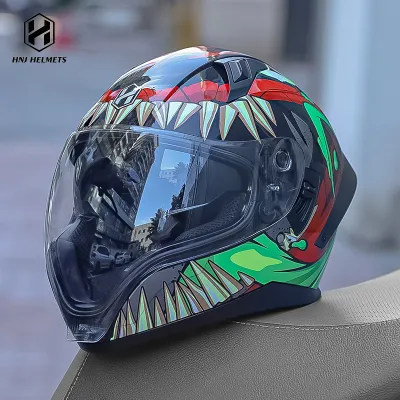
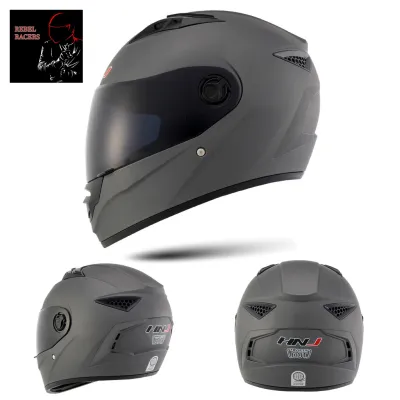
Prices are valid at publication and may change. Please refer to the product page for the latest price.
Moving up to the mid-range tier introduces noticeable upgrades in user convenience and comfort. In this bracket, you can expect improved multi-channel ventilation systems, better internal padding made of moisture-wicking fabrics, and more robust visor mechanisms, including tool-less quick-release systems or even dual-visor configurations with an integrated drop-down sun shield. The overall build quality is more refined, offering a better balance between weight and durability for daily use.
Upper-tier models represent the peak of the brand’s lineup, featuring advanced ABS formulations or composite shell structures designed to optimize impact dispersion while reducing overall weight. These premium options offer fully removable, washable, and hypoallergenic interiors, superior aerodynamic profiles to minimize wind noise, and visors that are often Pinlock-ready to combat fogging. The focus in this tier is on maximizing rider comfort during long journeys and providing high-quality finishes.
Because retail prices fluctuate due to distributor promotions, shipping fees, regional availability, and seasonal sales, you should use these tiers as a conceptual framework for feature expectations rather than rigid monetary limits. A specific model’s price may vary slightly depending on the design graphics or retail outlet. To find the most accurate, real-time pricing in PHP, always check current listings on authorized dealer websites or reputable online marketplaces before finalizing your budget.
Non-Negotiable Safety Certifications and Fit Rules
Regardless of which budget tier you choose, safety must remain your absolute priority when purchasing an hnj full face helmet. In the Philippines, any helmet used on public roads must carry recognized safety certifications to ensure it has undergone rigorous impact testing. Look for the local Import Commodity Clearance (ICC) sticker or the Philippine Product Standard (PS) mark, which are mandatory proof of compliance with national safety standards. Additionally, check for internationally recognized certifications like the United States’ DOT (Department of Transportation) symbol or the European Union’s ECE (Economic Commission for Europe) stamp, usually located on the rear of the helmet shell or sewn into the retention strap.

A helmet can only protect you effectively if it fits your head correctly. To determine your size, use a flexible measuring tape to measure your head circumference at its widest point, which is typically about 2.5 centimeters above your eyebrows and ears. Compare this measurement in centimeters to the manufacturer’s official sizing chart to select the appropriate size, ranging from extra-small to double-extra-large. Furthermore, identify your head shape, which generally falls into round oval, intermediate oval, or long oval categories; choosing a helmet that matches your natural head shape prevents painful pressure points.
It is a critical safety reality that a budget-friendly helmet that fits perfectly is vastly safer than an expensive, premium helmet that is loose or poorly shaped for your head. A loose helmet can shift or rotate during a collision, failing to absorb the impact energy properly and potentially causing severe injury. Investing time in finding the correct fit is far more important than spending extra money on high-end features that do not contribute to a secure hold on your head.
When trying on a helmet, perform the “roll-off” test to verify its security. Fasten the chin strap snugly so that no more than two fingers can fit between the strap and your throat. Reach behind the helmet, grab the lower edge, and attempt to pull it forward and off your head; if the helmet slides off or shifts significantly over your eyes, it is too large. Additionally, check the cheek pads, which should press firmly against your face—causing your cheeks to push up slightly—without causing pain or discomfort along your jawline or temples.
Feature Trade-Offs: Where to Spend and Where to Save
Shell Materials and Weight
The material used to construct the outer shell of your hnj full face helmet directly influences both its manufacturing cost and its overall weight. Entry-level models typically utilize high-impact ABS thermoplastic shells, which are highly durable and cost-effective to produce but are inherently heavier. In contrast, mid-to-upper-tier models may incorporate lighter composite blends or refined thermoplastic structures that offer excellent impact resistance with less physical mass.
In the tropical climate of the Philippines, helmet weight plays a significant role in rider comfort and endurance. Wearing a heavy helmet (often exceeding 1.6 kilograms) during long commutes in congested city traffic or under the intense midday sun can rapidly accelerate neck fatigue and shoulder strain. The physical effort required to support a heavy helmet while constantly checking blind spots and navigating uneven road surfaces can detract from your focus and riding safety.
If your budget restricts you to a heavier entry-level ABS model, you can manage the extra weight by ensuring the helmet fits perfectly to distribute the mass evenly across your skull. Avoid buying a helmet that is too large, as the shifting weight will place uneven strain on your neck muscles. Additionally, plan regular stops during extended journeys to remove the helmet, stretch your neck, and hydrate, which helps mitigate the physical toll of a heavier shell.
Visor Systems and Anti-Fog Features
The visor system on your helmet is crucial for maintaining clear visibility and protecting your face from wind, dust, rain, and insects. Basic entry-level helmets often feature traditional mechanical ratchet visors that require tools or considerable effort to detach for cleaning or replacement. Mid-range and upper-tier models, however, are equipped with quick-release, tool-less visor mechanisms that allow you to swap visors in seconds, which is highly convenient if you frequently switch between clear and tinted shields.
Riding in the Philippines presents unique visibility challenges due to high humidity, sudden monsoon downpours, and rapid temperature changes. These conditions often cause the inside of your visor to fog up, severely obstructing your view of the road. Visors that are Pinlock-ready allow you to install a dual-pane anti-fog insert that prevents condensation from forming, while high-quality anti-scratch coatings protect the visor surface from micro-abrasions caused by road debris and wiping away rain.
If you are on a tight budget and cannot afford a model with a Pinlock-ready visor, prioritize finding a helmet with a clear, high-quality, scratch-resistant basic visor. You can manage fogging issues by applying aftermarket anti-fog sprays, liquid treatments, or adhesive anti-fog films to the interior surface. Additionally, keeping the visor slightly cracked open when stopped at traffic lights helps promote airflow and clear away accumulated moisture.
Ventilation and Interior Comfort
Effective ventilation is essential for riding comfortably in tropical climates, where heat and sweat can quickly build up inside a sealed helmet. Entry-level helmets often feature simple, non-adjustable air vents that provide limited airflow through the interior EPS liner. Mid-to-high-tier models utilize sophisticated multi-channel ventilation networks with adjustable chin, forehead, and rear exhaust vents that actively draw cool air in and pull hot, humid air out of the helmet.
The material of the interior padding also dictates how well the helmet handles sweat and heat. Standard nylon liners found in basic models tend to trap moisture and heat, which can lead to skin irritation and unpleasant odors over time. Upper-tier models feature advanced moisture-wicking fabrics that dry quickly and are treated to resist bacterial growth, keeping your face cooler and drier during long rides.
Regardless of the helmet’s overall price point, you should prioritize models that feature fully removable and washable cheek pads and comfort liners. In hot and humid environments, sweat, hair oils, and road dust will inevitably accumulate in the padding, creating an unsanitary environment if left uncleaned. Being able to easily remove the interior fabric to wash it thoroughly ensures long-term hygiene, prevents bad smells, and extends the overall lifespan of your helmet.
Avoiding Hidden Costs and Counterfeit Traps in the Philippines
The popularity of the hnj full face helmet brand has made it a target for counterfeiters, resulting in the spread of fake or replica helmets across various online marketplaces. These counterfeit helmets are highly dangerous because they are manufactured using cheap, brittle plastics that shatter upon impact and completely lack the energy-absorbing EPS foam lining required to protect your brain. You can spot these dangerous imitations by looking for suspiciously low prices (such as full-face helmets sold for under ₱800), poor paint and graphic finishes, flimsy plastic visor mechanisms, and missing or poorly printed safety certification labels.
When shopping for a helmet online, it is important to factor in the total cost of ownership rather than just the initial purchase price. Helmets are bulky items that require large packaging, which can lead to high shipping fees depending on your delivery address in the Philippines. Additionally, consider the long-term availability and cost of replacement parts; a cheap helmet can become a financial burden if you cannot easily source replacement visors, mounting plates, or cheek pads when they become damaged or worn out.
To protect yourself from counterfeit products and ensure access to reliable customer support, always purchase your helmet from authorized HNJ dealers, official retail outlets, or verified flagship stores on major e-commerce platforms. Buying from authorized sources guarantees that you receive a genuine, safety-certified product that is covered by a valid manufacturer’s warranty. Furthermore, authorized dealers are the most reliable source for genuine spare parts, ensuring you can keep your helmet in safe working condition for years to come.
Verifying Authenticity and Finalizing Your Purchase
Before finalizing your purchase or accepting a delivered package, you must verify the authenticity and physical integrity of your chosen hnj full face helmet. Start by checking for the manufacturer’s official hologram sticker, which is typically located on the rear of the shell or near the safety certification labels. Inspect the overall build quality carefully; genuine helmets feature clean paint lines, securely glued rubber gaskets around the visor port, solid stitching on the chin strap, and a clear, unique serial number printed on the product tag or inner liner.
Whenever possible, visit a physical motorcycle gear store to try on different HNJ models before making your final decision. This hands-on approach allows you to confirm your exact size, experience the helmet’s weight, and check for any immediate pressure points on your head. If you choose to purchase online for convenience or better deals, make sure to buy from a seller that offers a clear, hassle-free return and exchange policy so you can swap the helmet if the fit is not correct.
As soon as your helmet is delivered, conduct a thorough inspection before removing any protective films, tags, or labels. Check the outer shell for any hairline cracks, deep scratches, or dents that may have occurred during shipping, and operate all ventilation switches and visor mechanisms to ensure they function smoothly. If you discover any manufacturing defects or transit damage, document the issues with photos or videos and contact the seller immediately to arrange a replacement or refund.
Frequently Asked Questions (FAQ)
Is it safe to buy a second-hand HNJ full face helmet to save money?
It is strongly recommended to avoid purchasing a second-hand helmet, even if it appears to be in pristine condition. The internal Expanded Polystyrene (EPS) liner, which is the primary component responsible for absorbing impact energy, degrades over time due to exposure to heat, sweat, and hair oils. Furthermore, the EPS liner is designed to compress only once during an impact to protect your head; even a minor drop from a motorcycle seat or handlebar can cause invisible internal damage that compromises the helmet’s structural integrity. Additionally, thoroughly cleaning and sanitizing used interior padding is extremely difficult, making a brand-new, entry-level helmet a much safer and more sanitary investment.
Do all HNJ full face helmets come with a Pinlock-ready visor?
No, not all HNJ full face helmets are equipped with Pinlock-ready visors. This advanced anti-fog feature is typically reserved for mid-range and upper-tier models within the brand’s lineup. Entry-level models usually come with standard single-pane clear or tinted visors that do not support dual-pane anti-fog inserts. If you are purchasing an entry-level model, check the product specifications carefully before buying. If the helmet is not Pinlock-compatible, you should budget a small amount for aftermarket anti-fog solutions, such as interior anti-fog sprays, liquid treatments, or universal adhesive anti-fog films, to ensure clear visibility during rainy or humid rides.
Community discussion
Share your experience or ask a question. Comments are reviewed before publication.