
Choosing the right brake pads for your Honda ADV 160 comes down to balancing your daily riding conditions, budget, and performance expectations. OEM pads offer predictable, quiet, and rotor-friendly performance ideal for daily city commuting. Reputable aftermarket options, particularly sintered or advanced semi-metallic compounds, provide stronger bite and better heat dissipation for steep terrain or wet weather, though they may increase rotor wear. Because brakes are your scooter’s most critical safety system, compatibility and proper installation must always take priority over brand marketing.
Safety and Compatibility Checks Before Replacing
Before purchasing or installing any new brake components on your Honda ADV 160, you must establish strict safety boundaries. The braking system is a highly engineered assembly where minor deviations in fitment can lead to catastrophic failure. Always cross-reference part numbers with the official Honda ADV 160 service manual to ensure exact caliper fitment, as components can vary by model year or regional specification. Never rely solely on generic online listings or assume that pads designed for other 150cc scooters will safely fit your vehicle.
Prior to installing new pads, perform a thorough inspection of your brake rotors. Check the rotor for minimum thickness, which is typically stamped directly on the rotor face. Use a micrometer to verify this measurement, and inspect the surface for warping, deep grooves, or severe heat discoloration. Installing new friction material on a damaged or excessively worn rotor prevents the pads from bedding in correctly, which severely reduces stopping power and accelerates pad wear.
Products mentioned in this guide
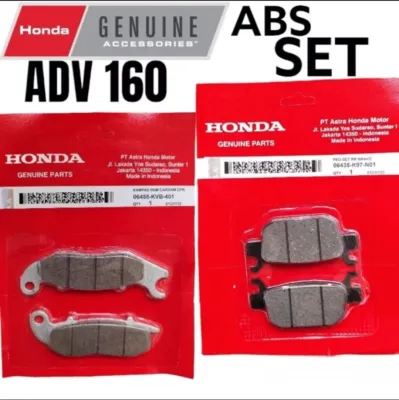
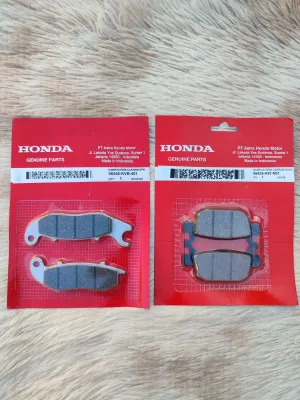
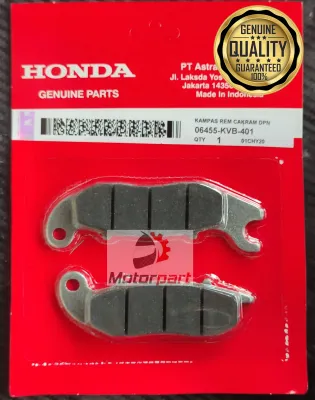
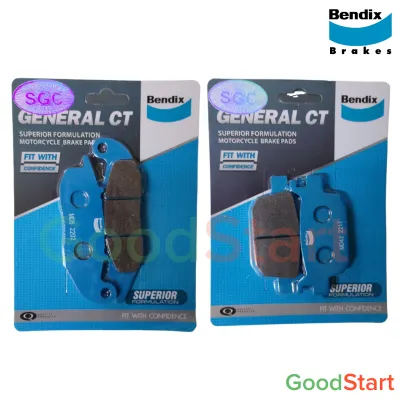
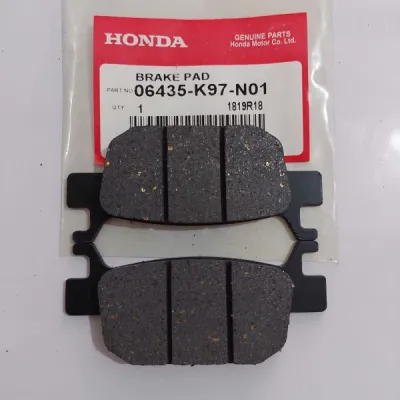
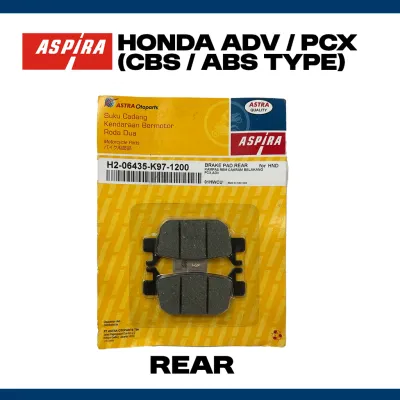
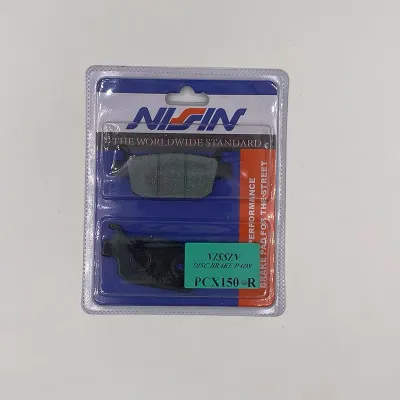
Prices are valid at publication and may change. Please refer to the product page for the latest price.
If you observe uneven pad wear, sticky caliper pistons, or if your brake fluid is dark and discolored, the system requires professional attention. Caliper rebuilding, slide pin lubrication, and brake fluid flushing demand specialized tools and technical expertise. If you are unsure about any part of the inspection or installation process, consult a qualified mechanic at an authorized service center to perform the work. Proper torque specifications and correct component alignment are non-negotiable for road safety.
OEM Honda Brake Pads for Daily Commuting
Original Equipment Manufacturer (OEM) brake pads are engineered specifically to match the weight, speed capabilities, and hydraulic leverage of the Honda ADV 160. These factory-standard pads typically utilize an organic or mild semi-metallic compound designed to deliver a highly predictable, progressive lever feel. This progressive modulation is particularly advantageous in dense, stop-and-go urban traffic, where sudden, overly aggressive braking can cause instability on slippery or uneven road surfaces.

Under typical commuting conditions, OEM pads generate minimal brake dust and operate quietly. The softer organic compounds are gentle on the brake rotors, ensuring a long rotor lifespan and reducing the overall cost of brake system maintenance over time. They perform consistently across a wide range of daily operating temperatures, requiring no warm-up period to achieve their designed friction coefficient from the moment you start your ride.
To maintain these safety and performance characteristics, it is critical to source genuine OEM parts through authorized dealerships or trusted local distributors. The market is flooded with counterfeit components packaged in convincing replica boxes. Counterfeit pads often use inferior bonding agents that can fail under thermal stress, leading to dangerous friction material delamination. Purchasing directly from authorized channels guarantees you receive the exact compound engineered for your scooter.
Aftermarket Brake Pads for Upgraded Performance or Value
For riders looking to alter their scooter’s braking characteristics or find a more cost-effective replacement cycle, the aftermarket offers several distinct material compounds. Understanding the differences between organic, semi-metallic, and sintered metallic compounds is essential for selecting the right option for your specific riding environment.
Organic aftermarket pads are similar to OEM components, offering quiet operation and low rotor wear at a generally lower price point. Semi-metallic pads introduce fine metal fibers into the friction mix, providing a firmer lever feel and better resistance to brake fade under moderate heat. Sintered metallic pads are manufactured by fusing metallic particles under high pressure and temperature. They offer exceptional initial bite, outstanding heat dissipation, and highly consistent performance in wet weather, making them popular for demanding riding conditions.
However, upgrading to high-performance compounds involves clear trade-offs. Sintered pads are significantly harder than organic materials, which accelerates brake rotor wear and may require you to replace your rotors much sooner. They can also produce more brake noise, such as a distinct metallic hiss during deceleration, and may require a brief warm-up period to reach peak stopping power. Additionally, some aggressive compounds generate more abrasive dust that can accumulate on your wheels and calipers.
When exploring aftermarket options, prioritize established, globally recognized motorcycle braking brands over unbranded or unverified listings on general ecommerce platforms. Reputable manufacturers subject their products to rigorous safety testing and quality control. Cheap, unbranded pads often lack consistent friction formulas, which can lead to unpredictable braking performance, rapid wear, or sudden failure under load.
OEM vs. Aftermarket Brake Pad Comparison
The following matrix highlights the general trade-offs between factory-standard pads and reputable aftermarket options. Performance outcomes and actual wear rates will vary based on individual riding habits, payload, and environmental factors.
| Feature | OEM Honda Pads | Reputable Aftermarket (Sintered) | Reputable Aftermarket (Organic) |
|---|---|---|---|
| Braking Feel | Progressive and predictable | Strong initial bite; firm lever | Soft, progressive, and quiet |
| Rotor Wear Rate | Low to moderate | High (accelerated rotor wear) | Very low |
| Wet Weather Performance | Standard; moderate fade resistance | Excellent; highly consistent | Reduced bite when fully saturated |
| Estimated Price Tier | ₱800 – ₱1,500 | ₱1,200 – ₱2,500 | ₱300 – ₱800 |
Note: The price ranges provided are general market estimates and are subject to change based on local dealer pricing, shipping fees, and specific product lines.
Decision Framework: Which Brake Pad Should You Choose?
To finalize your choice, evaluate your primary riding environments and how you typically use your Honda ADV 160. If your daily route consists of standard urban commuting, flat city streets, and moderate speeds, OEM pads are the most logical choice. They preserve your brake rotors, operate quietly, and maintain the exact progressive lever feel that the scooter’s suspension and chassis were tuned for.
If you frequently ride in challenging environments, your needs will point toward specific aftermarket compounds. For riders who regularly carry heavy passenger loads, transport cargo, or tour hilly and mountainous regions, reputable aftermarket sintered pads are highly beneficial. Their superior thermal stability prevents brake fade during prolonged downhill braking. Similarly, if you must commute through heavy monsoon rains and flooded streets, sintered pads maintain their stopping power much better than organic alternatives when wet.
Regardless of your preference, neither option will perform safely if your brake rotor is warped, grooved, or worn below the minimum thickness limit. Always measure and verify the condition of your rotor before installing new pads; a compromised rotor must be replaced or professionally machined first. Finally, check your scooter’s warranty terms before making a decision. While brake pads are consumable items, installing non-OEM friction materials can sometimes complicate warranty claims if a related component, such as a caliper or ABS modulator, experiences a failure during the warranty period.
Frequently Asked Questions (FAQ)
How do I know when my ADV 160 brake pads need replacing?
You can determine the wear level of your brake pads by performing a regular visual inspection. Look through the caliper inspection window with a flashlight to check the wear indicator groove cut into the pad material. If the groove is nearly flush or no longer visible, the pads have reached their service limit and require immediate replacement. Additionally, listen for any high-pitched squealing or harsh metallic scraping noises during braking, which indicate that the friction material is fully depleted and the metal backing plate is damaging the rotor. A spongy lever feel or a sudden increase in lever travel before the brakes engage are also strong indicators that your braking system needs inspection.
Can I use different brake pad compounds for the front and rear?
While it is technically possible to use different compounds on the front and rear calipers, it is generally recommended to use matching or highly compatible compounds to maintain balanced braking characteristics. The Honda ADV 160 is engineered with specific front-to-rear braking bias, and its ABS or combined braking systems are calibrated for predictable friction levels. Drastically altering the friction coefficient on one wheel by mixing compounds can disrupt this balance, potentially leading to unexpected tire slip or premature ABS intervention during hard braking. If you plan to mix compounds, consult a professional mechanic to ensure the combination is safe for your typical riding conditions.
Will installing aftermarket brake pads void my Honda warranty?
Brake pads are classified as consumable wear-and-tear items, meaning they are not covered under standard vehicle warranties, and replacing them does not automatically void your entire scooter’s warranty. However, if an aftermarket brake pad fails, delaminates, or causes direct damage to a warranted component—such as the brake caliper, rotor, or ABS sensor—the dealership may deny warranty coverage for those specific damaged parts. To protect your coverage, review your warranty booklet carefully and consider consulting your authorized dealer before installing non-OEM friction components while the vehicle is still under warranty.
Community discussion
Share your experience or ask a question. Comments are reviewed before publication.