
Choosing between OEM (Original Equipment Manufacturer) and aftermarket rear brake pads for your Honda ADV 160 depends on whether you prioritize the predictable, factory-tested performance of genuine parts or the specialized compound characteristics of third-party alternatives. While genuine Honda pads offer guaranteed fitment and consistent performance under standard tropical riding conditions, reputable aftermarket options can provide tailored benefits like enhanced initial bite or reduced brake dust.
The Honda ADV 160 is a highly popular adventure-style scooter in the Philippines, frequently subjected to demanding daily commutes, sudden downpours, and dusty roads. Because the rear brake plays a crucial role in stabilizing a scooter during low-speed maneuvering and sudden stops, selecting the right replacement pad is vital for your safety.
To make an informed choice, you must evaluate how different friction materials interact with your riding habits, verify exact fitment specifications, and understand the safety implications of modifying your braking system.
Products mentioned in this guide
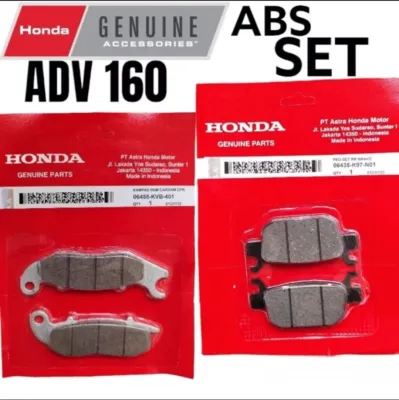
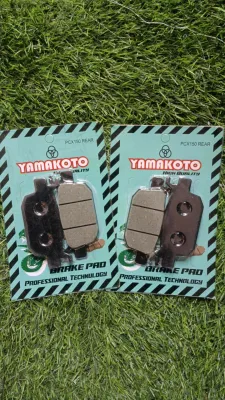
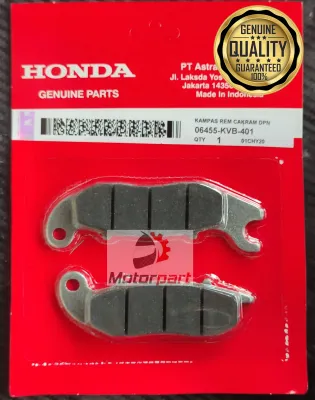
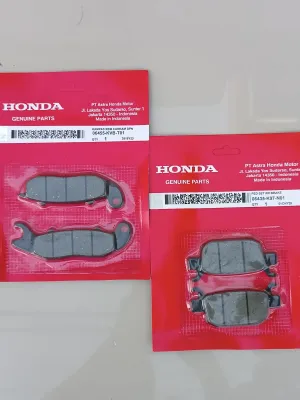
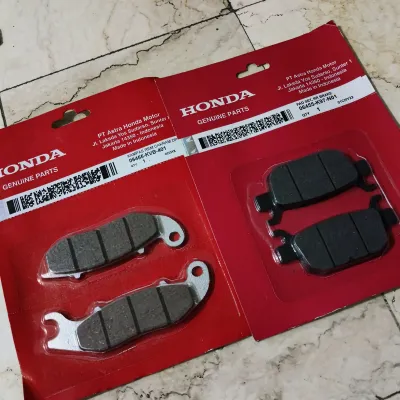
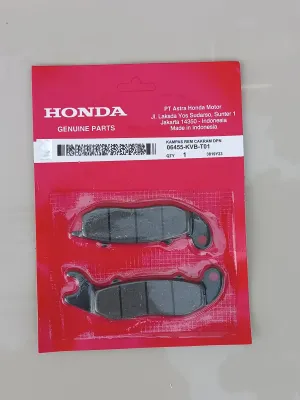
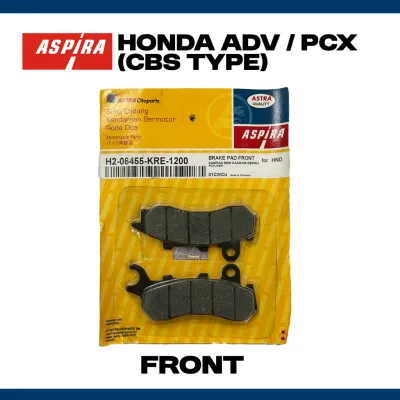
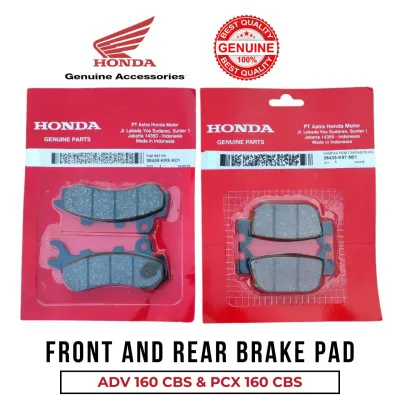
Prices are valid at publication and may change. Please refer to the product page for the latest price.
OEM vs Aftermarket: What the Labels Actually Mean
OEM stands for Original Equipment Manufacturer. For the Honda ADV 160, genuine rear brake pads are manufactured either directly by Honda or by an authorized supplier to meet Honda’s exact engineering specifications. These pads undergo rigorous testing to ensure they perform reliably across a wide range of temperatures, weather conditions, and load capacities.
Honda’s baseline friction material is designed to balance stopping power, pad longevity, and rotor wear. When you buy a genuine OEM pad, you are purchasing a product engineered specifically for the weight, speed capabilities, and braking system hydraulic pressure of the ADV 160. This eliminates the guesswork regarding compatibility and performance consistency.
The aftermarket market is vast and diverse, ranging from budget-friendly direct replacements to premium, specialized performance compounds. Some aftermarket brands focus on cost reduction, using cheaper materials that may wear out faster or cause premature wear on your brake rotors. Other premium aftermarket manufacturers design specialized pads aimed at specific riding styles, such as aggressive touring or wet-weather commuting.
It is important to recognize that a well-known brand name or attractive packaging does not automatically guarantee superior stopping power or safety. Without verifying the specific friction material classification and testing standards of an aftermarket pad, you cannot assume it will perform better than the OEM equivalent. Always look for recognized safety certifications and material codes printed on the backing plate of the pad.
Furthermore, the manufacturing quality of the backing plate itself is a critical factor. Genuine OEM pads typically feature high-quality steel backing plates with advanced anti-corrosion coatings designed to withstand high humidity and road salt. Some budget aftermarket options may use lower-grade steel or inferior paint coatings, which can lead to rust formation, paint flaking, and eventual binding of the pad within the caliper bracket.
Evaluating Friction Materials and Riding Conditions
Brake pads are categorized by their friction material compounds, which typically include organic, semi-metallic, sintered, and ceramic options. Each compound behaves differently under heat, moisture, and pressure, directly affecting how your ADV 160 handles deceleration.

Organic pads, often made from fibers and resins, offer a softer initial bite and quiet operation. However, they tend to wear down more quickly under heavy use and can suffer from brake fade when subjected to high temperatures, such as during long descents on mountainous roads.
Semi-metallic pads combine synthetic fibers with metallic particles, offering improved heat dissipation and durability compared to organic pads. They provide a firmer lever feel and consistent stopping power, though they may generate more brake dust and cause slightly more wear on the brake rotor over time.
Sintered metal pads are created by fusing metallic particles under high pressure and temperature. These are highly durable and perform exceptionally well in wet and muddy conditions, making them a popular choice for adventure-style riding. However, they require heat to reach their optimal operating temperature and can be highly abrasive to standard brake rotors if the rotor material is not rated for sintered pads.
Ceramic compounds offer excellent thermal stability, low noise, and minimal dust. They provide a smooth, progressive braking feel but are typically more expensive and may not offer the aggressive initial bite some riders prefer in emergency stopping situations.
The tropical climate of the Philippines introduces unique challenges, including high humidity, intense summer heat, and sudden torrential rains during the monsoon season. Stop-and-go city traffic in metropolitan areas causes rapid heat buildup in the rear brake caliper due to constant low-speed braking. Conversely, weekend touring on provincial highways demands sustained braking performance over longer distances.
Because wear rates and temperature thresholds vary significantly between brands, you should always consult the manufacturer’s technical data sheets for the exact part number you plan to purchase. Do not rely on generalized category descriptions to assume how a pad will perform on your specific scooter.
Additionally, the rear brake caliper on the Honda ADV 160 is positioned relatively low and is exposed to road grime, water splashes, and mud. This exposure means that softer compounds, like organic pads, may wear out prematurely when ridden through flooded streets or dusty provincial roads. Sintered or high-quality semi-metallic pads are often preferred by riders who frequently encounter these harsh environmental conditions, but you must verify that your brake rotor is compatible with these harder materials to prevent premature disc wear.
Verifying Fitment, Safety, and Warranty Implications
Before purchasing or installing any braking component, it is critical to understand that the braking system is your motorcycle’s most vital safety feature. Incorrectly installed or incompatible brake pads can lead to sudden brake failure, wheel lockup, or severe damage to the caliper and rotor. If you are not fully confident in your mechanical skills, always have your brake pads installed by a qualified professional mechanic.
To ensure absolute compatibility, cross-reference the exact Honda part number from your ADV 160 owner’s manual or an official Honda parts catalog. Aftermarket manufacturers often maintain compatibility databases, but these must be verified against the physical dimensions and mounting points of your original pads.
When you receive your new rear brake pads, perform a thorough visual inspection before attempting installation. Compare the new pads directly to the old ones, checking the overall shape of the backing plate, the position of the mounting holes, the thickness of the friction material, and the alignment of the wear indicator groove. The pads must slide freely within the caliper bracket without binding or requiring excessive force to seat.
Ensure there is adequate clearance for the brake rotor to spin freely once the new pads are installed and the caliper is bolted back into place. Any rubbing, misalignment, or unusual resistance indicates that the pads are either incorrect for your model or have been installed improperly.
Installing non-approved aftermarket brake pads can have implications for your motorcycle’s factory warranty. If a braking component failure occurs and is traced back to an incompatible or poorly manufactured aftermarket pad, the dealership may deny warranty coverage for the associated repairs. If you are concerned about maintaining your warranty, consulting your authorized Honda dealer before changing to an aftermarket brand is highly recommended.
Furthermore, always follow the manufacturer’s specified torque values when tightening the caliper mounting bolts and pad retaining pins. Over-tightening can strip the threads in the aluminum caliper body, while under-tightening can cause the bolts to back out under vibration, leading to catastrophic brake failure. Using a calibrated torque wrench and applying a suitable thread-locking compound where specified by the service manual are essential safety practices.
Decision Framework: Choosing the Right Pad for Your ADV 160
Choose OEM rear brake pads if you prioritize predictable, factory-standard braking performance, guaranteed physical fitment, and the preservation of your scooter’s factory warranty. Genuine Honda pads are engineered to work seamlessly with the original rear brake rotor, ensuring balanced wear and a familiar lever feel that requires no adjustment to your riding style.
Choose aftermarket rear brake pads if you are looking for specific performance characteristics, such as enhanced wet-weather grip or reduced brake dust, and you are willing to spend the time verifying compatibility. If you opt for an aftermarket brand, ensure it is a reputable manufacturer with clear technical specifications, and verify that the price in ₱ offers a genuine value proposition relative to the expected lifespan and performance benefits.
Verify your braking requirements first if you frequently carry heavy loads, ride with a pillion passenger, or have modified your ADV 160 with heavy aftermarket accessories like top boxes and crash guards. The added weight increases the kinetic energy the rear brake must dissipate, which may require a professional assessment of your braking system’s overall capacity and a recommendation for a more robust pad compound.
Regardless of your choice, never compromise on quality for a lower price. A cheap, unbranded brake pad from an unverified online marketplace poses a significant safety risk to you and other road users. Always purchase your braking components from authorized dealers or highly reputable motorcycle accessory shops to ensure you are getting genuine, high-quality products.
Additionally, consider your primary riding environment when making your decision. If your daily commute consists almost entirely of slow-speed, congested city traffic, a pad with a smooth, progressive bite and low noise, such as a high-quality organic or ceramic-blend aftermarket pad, may provide the most comfortable riding experience. However, if you frequently ride through hilly terrain or carry heavy cargo, the superior heat resistance of OEM or premium sintered aftermarket pads is a much safer choice.
Frequently Asked Questions (FAQ)
How can I tell if my ADV 160 rear brake pads need replacing?
You can check the condition of your rear brake pads by looking through the inspection window or caliper opening at the rear wheel. Look for the wear indicator groove cut into the friction material of the pad; if the groove is no longer visible or is nearly flush with the backing plate, the pads must be replaced immediately.
Pay close attention to any unusual sounds when applying the rear brake. A high-pitched squealing or squeaking noise often indicates that the wear indicators are making contact with the rotor, signaling that the pad material is extremely low. A harsh, metallic grinding sound means the friction material is completely gone, and the metal backing plate is grinding against the brake disc, which will cause severe scoring and require you to replace the rotor as well.
If you notice that the rear brake lever feels unusually spongy, requires excessive travel before the brakes engage, or if you experience a sudden loss of stopping power, these are critical warning signs. While these symptoms can sometimes be caused by worn pads, they may also indicate air in the brake lines, low brake fluid, or a malfunctioning caliper, all of which require immediate professional inspection.
Community discussion
Share your experience or ask a question. Comments are reviewed before publication.