
Finding the best windshield visor for your Honda ADV 160 in the Philippines comes down to balancing your daily riding environment, your physical height, and the material quality of the aftermarket accessory. Because this adventure-style scooter is frequently used for both dense city commuting in high-temperature environments and long-distance weekend touring along provincial highways, a single visor style does not suit every rider. The ideal upgrade should seamlessly integrate with the scooter’s adjustable bracket, maintain optical clarity under intense tropical sunlight, and deflect wind blast away from your helmet without compromising stability.
To make an informed decision, you must evaluate how different visor heights, shapes, and materials interact with your riding posture and local road conditions. Rather than simply choosing the most aggressive-looking design, a systematic approach that prioritizes optical safety, structural durability, and precise fitment will yield the most satisfying results. This guide breaks down the essential factors, design categories, and installation safety checks to help you select the perfect windshield visor for your ADV 160.
Why Add a Windshield Visor to Your Honda ADV 160?
Upgrading the stock windshield on your Honda ADV 160 is one of the most practical modifications you can make to enhance your overall riding experience. The primary benefit is wind deflection, which plays a crucial role in reducing rider fatigue. During extended trips on open highways or bypass roads, constant wind pressure against your chest forces your upper body muscles to work continuously to maintain an upright posture. A well-designed aftermarket visor redirects this airflow upward and outward, allowing you to maintain a relaxed grip on the handlebars and stay alert for longer periods.
Products mentioned in this guide
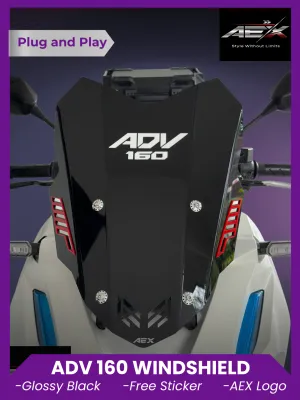
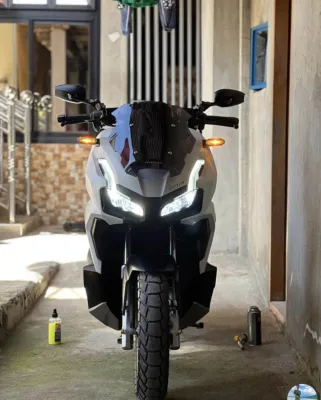
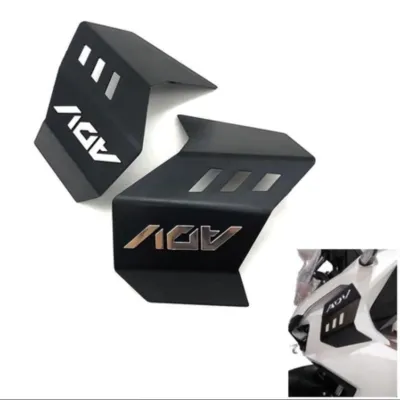
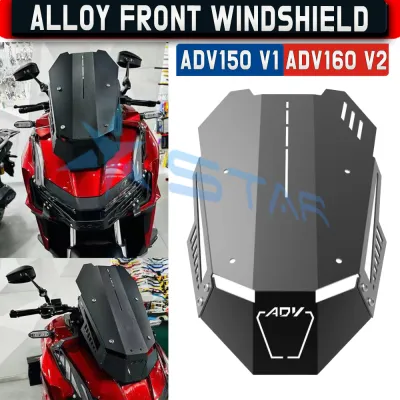
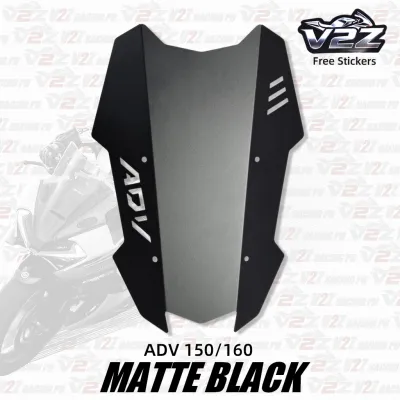
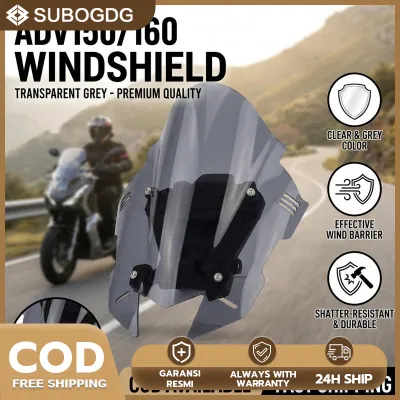
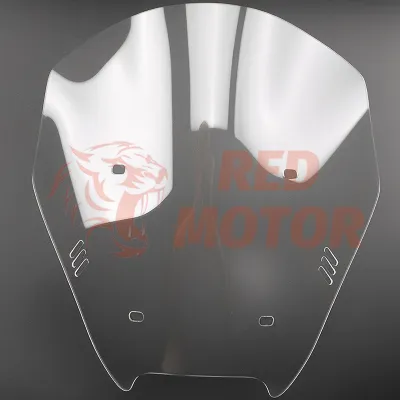
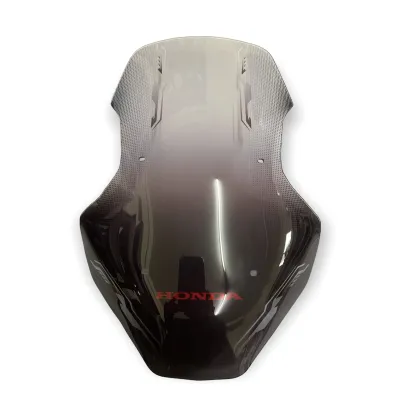
Prices are valid at publication and may change. Please refer to the product page for the latest price.
Beyond wind management, a high-quality visor serves as a protective shield against various environmental hazards. On Philippine roads, riders frequently encounter airborne debris, loose gravel kicked up by larger vehicles, insects, and sudden tropical downpours. A taller or wider visor acts as a physical barrier, keeping these elements away from your helmet visor and chest. This protection is especially valuable during the monsoon season, when heavy rain can sting your face and severely limit visibility if you ride with an open-face helmet or a cracked-open visor.
Aesthetic customization is another compelling reason many riders seek out aftermarket visors. The Honda ADV 160 features a rugged, rally-inspired design, and a custom visor can either amplify this adventure-touring look or give the scooter a sleeker, more aggressive sport profile. Whether you prefer a tall, clear touring screen that emphasizes long-distance capability or a short, dark-tinted sport visor that highlights the scooter’s sharp angles, the right accessory allows you to personalize your ride while enjoying tangible functional benefits.
Key Factors to Consider Before Buying
Selecting the right windshield visor requires looking closely at several technical specifications rather than relying solely on visual appeal. The first dimension to evaluate is the physical size—specifically the height and width of the visor—relative to your own torso length and seating position. A visor that is too short may direct turbulent air straight into your helmet, causing annoying buffeting and increased wind noise. Conversely, a visor that is too tall might block your forward line of sight entirely, which becomes highly problematic during night rides or heavy rain when water droplets cling to the plastic surface. Ideally, you should be able to look over the top edge of the windshield while maintaining a natural riding posture.

Material composition is another critical factor that directly impacts safety and longevity. Most aftermarket visors are manufactured from either acrylic (often referred to as PMMA) or polycarbonate. Polycarbonate is exceptionally impact-resistant and flexible, making it highly resistant to cracking or shattering if struck by a stray stone at high speeds. However, it is more prone to scratching and can degrade over time under intense ultraviolet (UV) exposure. Acrylic, on the other hand, offers superior optical clarity and scratch resistance, but it is more brittle and can crack under severe impact or excessive mounting pressure. When browsing options, look for manufacturers that specify UV-resistant coatings and impact ratings.
Tint options must also be weighed carefully against your typical riding schedule and local weather conditions. Clear visors offer maximum visibility and are the safest choice for night riding, especially on unlit provincial roads or poorly lit barangay streets. Smoked or tinted visors reduce glare during bright, sunny daytime rides, helping to lower eye strain under the intense tropical sun. However, dark tints can significantly reduce your ability to spot potholes, debris, or pedestrians in low-light conditions. If you frequently ride after sunset, a light smoke tint or a completely clear visor is generally recommended to maintain an optimal safety margin.
Types of Windshield Visors for the ADV 160
Aftermarket visors for the Honda ADV 160 generally fall into three distinct design categories, each catering to different riding preferences and environments. Touring or tall profiles are engineered specifically for maximum wind and weather protection. These visors extend significantly higher than the stock screen and often feature flared upper edges to push airflow completely over the rider’s helmet. This design is highly favored by riders who frequently travel long distances, as it creates a calm pocket of air behind the screen, minimizing wind noise and keeping rain off the rider’s torso.
Sport or short profiles take the opposite approach, focusing on a compact, streamlined aesthetic. These visors are often shorter than the stock screen and feature sharp, aggressive angles that complement the ADV 160’s bodywork. While they offer less protection from wind and rain, they are highly effective at reducing helmet buffeting by allowing a clean, laminar flow of air to hit the rider’s helmet. Sport visors are particularly well-suited for daily city commuting in hot climates, as they allow more cooling airflow to reach the rider’s body while keeping the scooter’s front end feeling light and agile.
Adjustable or modular designs offer a versatile middle ground for riders who want the best of both worlds. These systems typically consist of a main visor paired with an adjustable spoiler or deflector mounted on the top edge. By changing the angle or height of the spoiler, you can fine-tune the airflow to match your current riding speed and weather conditions. This adjustability is highly beneficial when transitioning from slow, congested city traffic—where you want maximum airflow for cooling—to high-speed provincial highways where wind protection becomes the priority.
How to Verify Fitment and Compatibility
One of the most common mistakes when purchasing aftermarket accessories is assuming that parts designed for older scooter models will fit newer generations. When shopping for a windshield visor, you must confirm that the product explicitly lists compatibility with the Honda ADV 160. Although the ADV 160 shares a similar design language with its predecessor, the ADV 150, the front fairing shapes, body lines, and mounting bracket dimensions are distinct. Attempting to force a visor designed for an older model onto your ADV 160 can result in stressed plastic, poor alignment, or physical damage to the scooter’s mounting points.
Before finalizing your purchase, carefully check the mounting hole patterns shown in the product listings against the stock bracket of your scooter. The Honda ADV 160 features an adjustable windshield mechanism, and any aftermarket visor must align perfectly with the four mounting points on this bracket. Avoid products that require you to bend, stretch, or force the visor to make the holes line up, as this introduces constant structural tension that will eventually cause the visor to crack around the mounting holes due to engine vibrations and wind pressure.
Additionally, pay close attention to the hardware required for installation. A complete aftermarket kit should include the necessary mounting bolts, washers, and, most importantly, rubber grommets or spacers. Rubber grommets are essential because they act as vibration dampeners, preventing direct metal-to-plastic contact and absorbing road shocks. If a product description does not mention included hardware, or if it requires you to reuse the stock rubber well-nuts, verify that your stock hardware is in good condition and compatible with the thickness of the new visor.
Installation Basics and Safety Boundaries
Installing a new windshield visor on your Honda ADV 160 is generally a straightforward process that can be completed with basic hand tools. Typically, you will only need a set of metric Allen keys (hex wrenches) and a screwdriver to remove the stock fairing accents and mounting bolts. Before beginning, consult your scooter’s owner’s manual or service guide to understand how the front cover and windshield assembly are put together. Work in a well-lit, clean area, and place a soft cloth on your front fender to protect the paint from accidental tool drops.
The most critical safety boundary during installation is respecting torque limits. Because aftermarket visors are made of plastic, they are highly susceptible to cracking if the mounting bolts are over-tightened. Tighten the bolts in a cross-pattern to distribute pressure evenly across the bracket. Stop tightening as soon as you feel firm resistance and the rubber grommets begin to compress slightly. Never use power tools, such as impact drivers or electric drills, to tighten windshield bolts, as they can easily strip the threads of the mounting bracket or shatter the visor instantly.
If you find that the aftermarket visor does not align properly with the mounting holes, or if the installation instructions suggest drilling new holes into your scooter’s fairings or bending the metal bracket, halt the process immediately. Modifying the structural components of your scooter’s adjustable windshield mechanism can compromise its safety and void your warranty. In such cases, it is best to return the product for a compatible model or consult a qualified motorcycle mechanic who can assess the fitment and perform a safe, professional installation.
Where to Shop and What to Look For Online
When navigating online marketplaces for motorcycle accessories, a cautious approach will save you from purchasing low-quality or incompatible products. Start by filtering search results for sellers who have established positive ratings and verified customer reviews specifically mentioning the Honda ADV 160. Look closely at the review section for photos uploaded by actual buyers. These real-world images provide a much more accurate representation of the visor’s optical clarity, tint level, and physical dimensions than the highly edited digital renderings provided by the manufacturer.
Always review the seller’s return and refund policies before placing an order. Because manufacturing tolerances can vary among aftermarket brands, there is always a small risk that the physical mounting points of the visor you receive will not align perfectly with your scooter’s bracket. A flexible return policy ensures that you can exchange the product or secure a refund without hassle if you encounter fitment issues upon delivery.
Finally, scrutinize the product photos to ensure the bracket interface is clearly visible. High-quality listings will show close-up shots of the mounting holes, the thickness of the material, and the edge finishing. Avoid listings that only feature generic photos of the scooter from a distance or those that use the exact same stock images as dozens of other low-cost sellers. Investing a few extra minutes to verify these details ensures you receive a durable, safe, and perfectly fitting windshield visor for your Honda ADV 160.
Frequently Asked Questions (FAQ)
Will a Honda ADV 150 windshield fit the ADV 160?
No, a windshield designed specifically for the Honda ADV 150 will not fit the ADV 160 without modification. While the two scooters look very similar, Honda updated the front fairing design, body panels, and mounting bracket dimensions for the ADV 160. The spacing and angle of the mounting holes on the adjustable bracket are different between the two generations. To ensure a secure fit and prevent damage to your scooter, always purchase a visor that is explicitly labeled and verified for the ADV 160 model.
Does a taller windshield affect the ADV 160's handling?
Yes, installing a significantly taller windshield can alter the handling characteristics of your Honda ADV 160, particularly at higher speeds. A taller visor increases the frontal surface area of the scooter, which acts like a sail when encountering strong crosswinds or the aerodynamic wake of large trucks on the highway. You may experience slight steering feedback or a sensation of being pushed sideways in windy conditions. These effects depend heavily on your physical height, riding posture, and the specific aerodynamic design of the visor. Ensuring the visor is mounted securely and aligned correctly will help minimize any negative impact on stability.
Community discussion
Share your experience or ask a question. Comments are reviewed before publication.