
Finding the right brake pads for your Honda Beat scooter involves more than just picking a highly advertised brand name. In the Philippines, where daily commutes feature a mix of intense tropical heat, sudden torrential downpours, and dense, stop-and-go city traffic, your choice of braking components directly impacts your safety and road confidence. While many riders focus solely on finding the longest-lasting pad, the ideal selection balances immediate stopping power, heat tolerance, and rotor wear. Achieving this balance requires understanding how different friction materials behave under local riding conditions and verifying that any aftermarket option matches your scooter’s exact specifications.
Verifying Honda Beat Brake Specifications and Safety Requirements
To ensure your Honda Beat remains safe on the road, you must first verify its exact brake specifications before purchasing any replacement parts. The Honda Beat has gone through multiple generations, including the carbureted models, the Fuel Injection (FI) versions, and the enhanced Smart Power (eSP) variants. Each generation or model year may utilize different caliper designs and brake pad shapes. To find the correct fitment, consult your owner’s manual to locate the original equipment manufacturer (OEM) part number. This number is your primary reference when cross-referencing aftermarket brands.
Using incompatible or poorly fitting brake pads poses severe safety risks. A pad that is even slightly off-spec can bind inside the caliper bracket, preventing the friction material from fully contacting the rotor or, conversely, causing the brakes to drag and overheat. This can lead to sudden brake failure, accelerated rotor wear, or a locked front wheel. If you are unsure about your scooter’s specific caliper configuration or cannot locate the OEM part number, always consult an authorized service center or a qualified motorcycle mechanic to verify compatibility before making a purchase.
Products mentioned in this guide
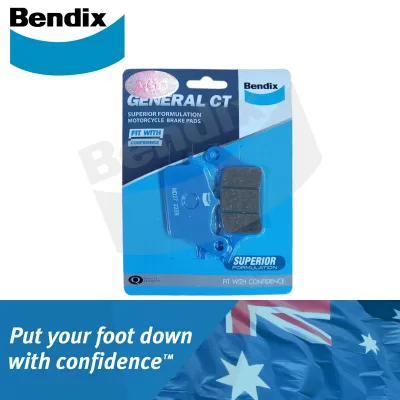
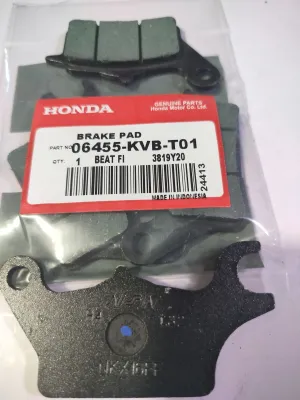
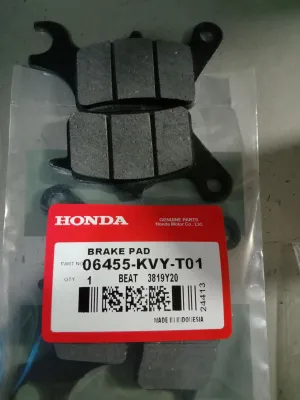
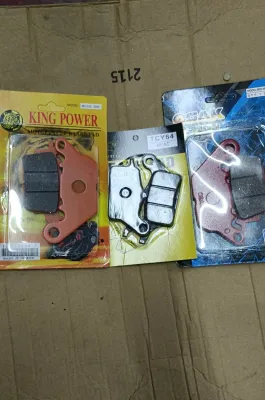
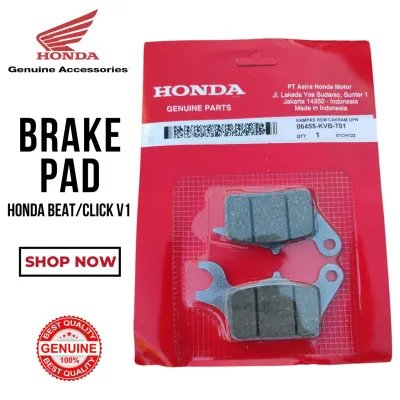
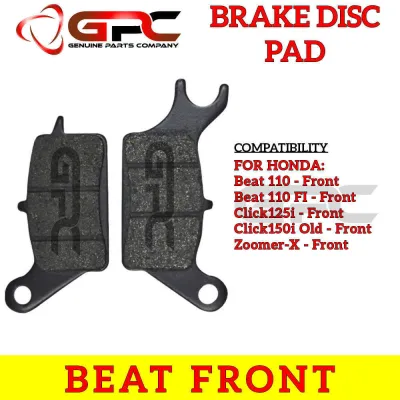
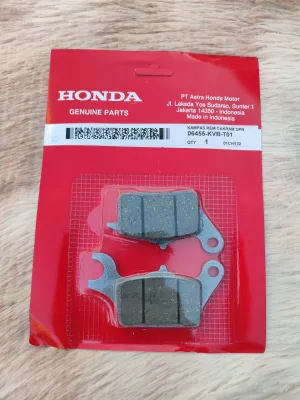
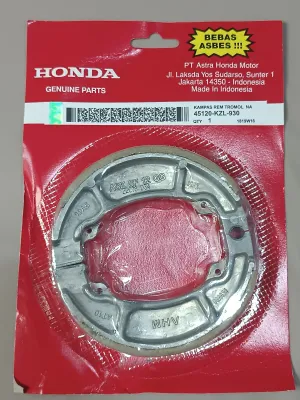
Prices are valid at publication and may change. Please refer to the product page for the latest price.
Brake Pad Materials: Balancing Stopping Power and Lifespan
The performance and lifespan of your Honda Beat brake pads are primarily determined by their friction material compound rather than the brand logo on the box. Understanding these materials allows you to choose a pad that matches your typical daily routes and riding habits.

Organic or resin brake pads are composed of fibers, rubber, and high-temperature resins. These pads are known for providing a smooth, quiet operation and a gentle, progressive initial bite. Because they are relatively soft, they cause minimal wear on your brake rotors, making them a cost-effective choice for standard daily commuting. However, organic pads tend to wear down more rapidly when subjected to high heat, heavy loads, or the abrasive road grit common during the rainy season in the Philippines.
Semi-metallic brake pads incorporate metallic fibers, such as copper or steel, into the friction compound. This addition significantly improves heat dissipation and durability. Semi-metallic pads maintain consistent stopping power even during prolonged braking down steep hills or when carrying a pillion passenger. The trade-off is that they are harder than organic pads, which can result in slightly more rotor wear over time and occasional squealing noises in humid or wet conditions.
Sintered metallic pads are manufactured by fusing metallic particles together under intense heat and pressure. They offer exceptional stopping power and outstanding resistance to brake fade under extreme temperatures. Sintered pads perform exceptionally well in wet weather, as the metallic compound quickly cuts through water films on the rotor. However, they require compatible, high-hardness rotors to prevent rapid disc wear. For a standard Honda Beat used primarily for city commuting, a high-quality semi-metallic pad often provides the most balanced compromise between longevity and stopping power.
Framework for Comparing Brake Pad Brands
When navigating the wide variety of aftermarket brake pad brands available in the Philippines, you need a structured framework to separate reliable products from low-quality counterfeits. Do not rely on vague marketing claims of “maximum stopping power.” Instead, look for objective indicators of quality and safety.
First, check the product packaging for recognized international manufacturing standards or safety certifications. Reputable brands often display certifications such as the European ECE R90 standard or compliance markings from the Japanese Automotive Standards Organization (JASO). These markings indicate that the brake pads have undergone rigorous testing to ensure their friction levels, shear strength, and wear rates meet strict safety thresholds.
Second, evaluate brand reputation by researching verified user feedback from local riding communities and forums. Pay close attention to how riders describe the pads’ performance during long-term use. Look for comments regarding brake fade resistance—how well the pads maintain stopping power during continuous stop-and-go traffic in hot weather—and whether the lever feel remains firm and consistent over time.
Third, purchase your brake pads only from official brand stores, authorized physical dealerships, or highly rated sellers on reputable online marketplaces. Genuine manufacturers typically offer clear warranty terms or return policies against manufacturing defects.
Finally, learn to identify common red flags. The local market contains many counterfeit or substandard parts that mimic popular brands. Avoid products sold in unbranded, plain packaging, those lacking clear safety warnings, or those priced suspiciously low—such as pads offered for under ₱150 when established, reputable options generally cost significantly more. Using substandard pads can lead to the friction material separating from the metal backing plate, resulting in catastrophic brake failure.
Installation and Break-In Procedures for Optimal Performance
Proper installation and a correct break-in procedure are essential to unlock the full performance and longevity of your new Honda Beat brake pads. Before installing the new pads, carefully inspect your brake rotor. Look for signs of deep grooves, uneven wear, or warping. If the rotor surface is heavily scored or worn below the manufacturer’s minimum thickness limit, installing new pads will result in poor contact, reduced stopping power, and rapid pad wear. In such cases, the rotor must be resurfaced or replaced.
Once the new pads are installed, you must perform a bedding-in or break-in procedure. This process gradually transfers a thin, even layer of friction material from the pad to the rotor surface, which is crucial for achieving optimal stopping power and preventing brake squeal. To bed in the pads, ride your scooter in a safe, open area at a moderate speed of around 30 to 40 km/h, then apply the brakes smoothly to slow down to a walking pace. Repeat this process 10 to 15 times, ensuring you do not come to a complete stop with the brakes firmly applied, as this can cause uneven material transfer.
While changing brake pads is a common maintenance task, you must recognize the limits of a do-it-yourself approach. If you encounter seized caliper slider pins, damaged piston seals, or if the brake lever feels spongy even after bleeding the system, stop immediately. Working on hydraulic brake systems requires specialized tools and precision. If you are unsure of any step, have the installation completed by a qualified professional mechanic to ensure your safety on the road.
Frequently Asked Questions (FAQ)
How often should I replace the brake pads on my Honda Beat?
Most brake pads feature a built-in wear indicator groove cut into the friction material. When this groove is no longer visible, or is nearly flush with the pad surface, the pads must be replaced immediately. You should also listen for high-pitched squealing or scraping noises when braking, which often indicate that the wear limit has been reached. Additionally, if you notice that you have to pull the brake lever significantly closer to the handlebar to slow down, it is time for an inspection. Replacement intervals vary widely depending on your riding style, load, and environment; a rider navigating daily stop-and-go traffic in congested urban areas will wear out pads much faster than someone riding on open provincial roads.
Can I use brake pads from other Honda scooter models on the Beat?
You should never assume that brake pads from other Honda scooter models, such as the Click, PCX, or Wave, are compatible with your Honda Beat simply because they look similar or share the same brand. Even within the Honda Beat lineup, caliper designs can vary between different model years and generations. Using a pad designed for a different model can lead to improper fitment, caliper binding, or reduced braking efficiency. Always verify the exact part numbers and caliper mounting dimensions against your scooter’s specifications. Avoid relying on unverified cross-reference charts found online; instead, consult your owner’s manual, an authorized dealer, or a professional mechanic to confirm compatibility.

Community discussion
Share your experience or ask a question. Comments are reviewed before publication.