
Navigating the bustling streets of the Philippines on a Honda Click 125i requires absolute confidence in your machine’s stopping power. As the undisputed king of daily commutes, delivery runs, and weekend rides, this scooter relies heavily on its rear drum brake system to handle stop-and-go traffic, sudden monsoon downpours, and steep, winding roads. When the time comes to replace your worn-out rear brake shoes, you face a critical decision: should you invest in Genuine Honda OEM (Original Equipment Manufacturer) brake shoes, or is it safe to trust one of the many aftermarket brands flooding the local market?
Choosing the right brake shoes is not just a matter of saving a few pesos; it directly impacts your safety, your scooter’s handling, and the lifespan of your rear wheel hub. While the allure of low-cost aftermarket options is strong, understanding the mechanical differences, material compositions, and long-term consequences of your choice is essential for making an informed purchase. This comprehensive guide compares OEM and aftermarket brake shoes for the Honda Click 125i to help you decide which option best suits your riding habits, budget, and safety standards.
Quick Answer: Which Brake Shoes Should You Trust?
Genuine Honda OEM brake shoes are the safest and most reliable choice for the Honda Click 125i. They guarantee a perfect fit, provide a predictable and smooth braking feel, and are specifically engineered to preserve the soft cast-iron liner of your scooter’s rear brake drum. For riders who prioritize maximum safety, carry heavy passenger loads, or want to maintain their scooter’s original factory performance, OEM parts are highly recommended.
Products mentioned in this guide
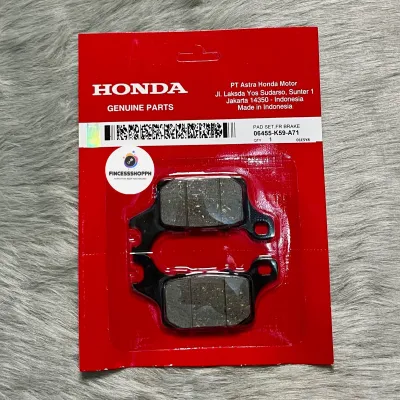
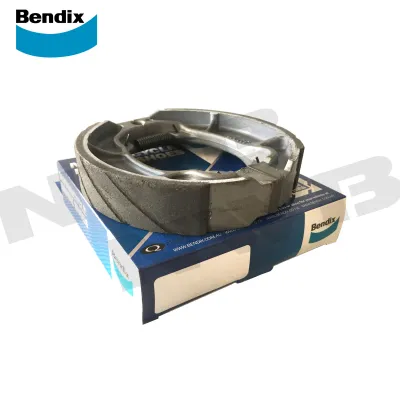
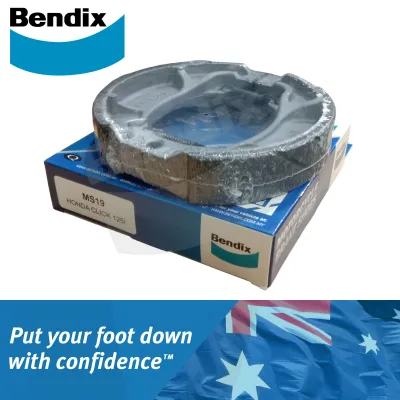
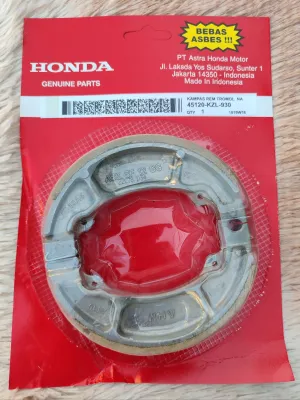
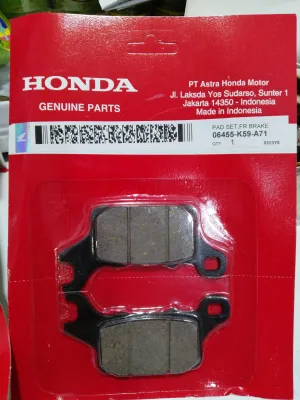
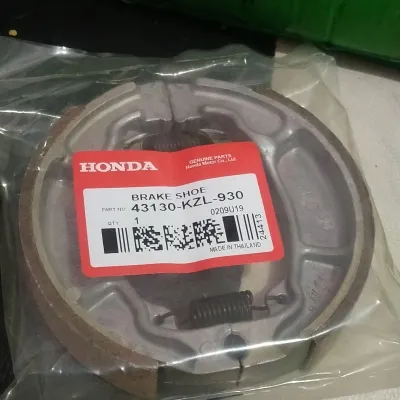
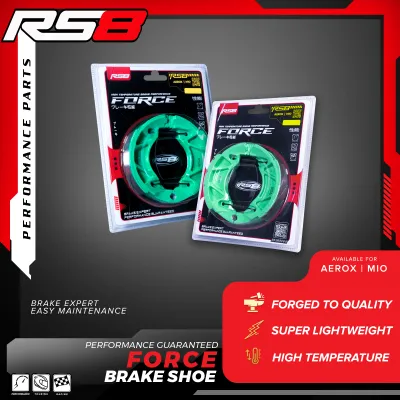
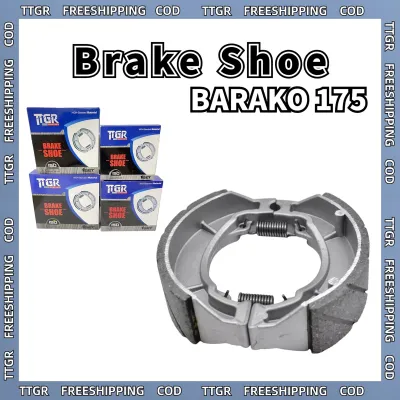
Prices are valid at publication and may change. Please refer to the product page for the latest price.
High-quality aftermarket brake shoes from established, reputable manufacturers offer a dependable and cost-effective alternative for daily commuting. Brands that specialize in friction materials can deliver excellent stopping power and thermal resistance, making them a viable option for budget-conscious riders. However, these must be sourced exclusively from authorized dealers to ensure authenticity.
Under no circumstances should you purchase unbranded, suspiciously cheap, or unverified aftermarket brake shoes. These low-grade products often utilize substandard friction materials and weak bonding adhesives, which can lead to sudden brake fade, poor stopping power, or catastrophic delamination where the lining detaches from the metal shoe. Investing in trusted brands ensures your safety and protects your scooter from expensive mechanical damage.
Why Brake Shoe Quality Matters for the Honda Click 125i
The rear drum brake on the Honda Click 125i plays a far more critical role than many riders realize. Because scooters feature a rear-biased weight distribution—with the engine, transmission, and fuel tank positioned over the rear wheel—the rear brake handles a significant portion of the overall braking load. Additionally, the rear brake system incorporates the parking brake lock, which is essential for securing the scooter on inclines.

Recognizing the physical indicators of brake wear is vital for timely maintenance. A spongy or loose left brake lever that requires you to tighten the rear adjuster nut to its limit is a clear sign that the friction material is thinning. Other common warning signs include audible squeaking, grinding, or scraping noises during deceleration, a noticeable reduction in stopping power, or a parking brake that fails to keep the scooter stationary on a ramp.
Using substandard brake shoes in the tropical climate of the Philippines introduces severe safety risks. Daily commuting in high ambient temperatures, combined with stop-and-go traffic on major roads like EDSA, generates intense heat within the enclosed drum brake assembly. Low-quality friction materials cannot dissipate this heat effectively, leading to brake fade—a dangerous phenomenon where the brakes lose their gripping force precisely when you need them most.
Furthermore, the brake drum and brake shoes operate as a matched mechanical system. The inner lining of the Honda Click 125i’s rear wheel hub is made of a cast-iron sleeve. If you install low-grade aftermarket shoes containing harsh, unrefined metallic particles, they will score, gouge, or glaze the drum surface. Over time, this uneven wear ruins the drum, forcing you to replace the entire rear wheel hub assembly, which is vastly more expensive than a premium set of brake shoes.
Genuine Honda OEM Brake Shoes: The Baseline for Safety
Genuine Honda OEM brake shoes represent the engineering baseline established by the vehicle manufacturer. Designed specifically for the weight, speed capabilities, and thermal limits of the Honda Click 125i, these parts undergo rigorous testing to ensure they meet strict safety and durability standards. Every dimension, from the arc curvature to the thickness of the backing plate, is controlled to ensure seamless integration with the factory brake drum.
The defining feature of OEM brake shoes is their non-asbestos organic (NAO) friction formulation. This compound is engineered to be softer than the cast-iron drum liner, ensuring that the brake shoes wear down gradually over time instead of wearing away the drum itself. This formulation provides a highly predictable initial bite, smooth lever modulation, and consistent performance across a wide range of operating temperatures.
Choosing OEM parts offers several distinct advantages:
- Predictable Modulation: The lever feel remains progressive and smooth, allowing you to control your stopping distance precisely without sudden wheel lockups.
- Thermal Compatibility: The friction material is matched to the heat dissipation rate of the factory aluminum wheel hub, minimizing the risk of heat-induced brake fade.
- Warranty Preservation: Using genuine parts ensures that you do not compromise any active manufacturer warranties on your scooter's braking or wheel components.
The primary drawback of Genuine Honda OEM brake shoes is their higher upfront cost compared to aftermarket alternatives. In the local market, genuine parts carry a price premium that reflects the manufacturer’s quality control and engineering standards. To avoid the high risk of purchasing counterfeit OEM parts, you must buy them exclusively from authorized Honda 3S dealerships or verified official brand stores on major online marketplaces.
Exploring Aftermarket Brake Shoes: Value vs. Risk
The aftermarket landscape for Honda Click 125i brake shoes is vast, ranging from premium, globally recognized friction specialists to cheap, unbranded products. Understanding the distinction between these categories is essential for balancing cost savings with rider safety. Premium aftermarket brands invest heavily in research and development, utilizing advanced manufacturing processes and clear, informative packaging that details material specifications and compliance markings.
Material variations are common in the aftermarket. While some brands offer organic compounds similar to OEM, others produce semi-metallic or ceramic-blend brake shoes. Semi-metallic shoes contain fine metallic fibers designed to increase thermal conductivity and provide a sharper, more aggressive initial bite. However, this harder compound can accelerate the wear of your scooter’s cast-iron drum liner and may produce more squealing noise, especially in dusty or humid tropical conditions.
Conversely, budget or unbranded aftermarket brake shoes carry significant mechanical risks. The most dangerous of these is poor resin bonding. Under the high heat and mechanical stress of emergency braking, the adhesive holding the friction lining to the aluminum shoe can fail, causing the lining to shear off completely. This delamination can instantly jam the rear wheel, resulting in a dangerous, uncontrollable skid.
Budget aftermarket shoes also frequently suffer from incorrect arc curvature. If the curve of the brake shoe does not perfectly match the inner curve of the brake drum, only a small portion of the friction material will make contact when you pull the lever. This uneven contact reduces your stopping power, causes rapid and uneven wear, and leads to localized overheating (hot spots) that can permanently warp or glaze the brake drum.
Comparing the Options: Stopping Power, Lifespan, and Cost
To help you make the right decision for your Honda Click 125i, the table below compares the three main categories of brake shoes available in the Philippines across key performance and value dimensions.
| Brake Shoe Category | Fitment & Arc Curvature | Friction Material Consistency | Expected Drum Wear | Price Tier (PHP) | Recommended Use Case |
|---|---|---|---|---|---|
| Genuine Honda OEM | Perfect; engineered specifically for Click 125i | High; predictable performance in all conditions | Minimal; optimized to preserve the cast-iron liner | Premium | Daily commuting, heavy passenger loads, and maximum safety |
| Premium Aftermarket | Excellent; manufactured to precise standards | Moderate to High; brand-dependent characteristics | Low to Moderate; depends on compound selection | Moderate | Budget-conscious riders seeking reliable daily performance |
| Budget / Unbranded | Poor; frequent dimensional variances | Low; high risk of fading, glazing, or delamination | High; abrasive materials can score the drum | Low | Not recommended; poses severe safety and mechanical risks |
When evaluating these options, it is crucial to look beyond the initial purchase price. While budget brake shoes may save you money upfront, they often require more frequent adjustments as the low-grade friction material wears down rapidly. Furthermore, if a cheap shoe scores your brake drum or causes an accident due to brake failure, the resulting repair bills and medical costs will far exceed the price of a high-quality set of brakes.
Your actual brake shoe lifespan and performance will depend heavily on your riding environment and habits. Navigating steep, hilly terrain with a pillion passenger, carrying heavy delivery cargo, or constantly riding in dense, stop-and-go city traffic will accelerate wear on any brake shoe. In these demanding scenarios, the consistent heat dissipation and durability of OEM or premium aftermarket shoes are indispensable.
Critical Safety Checks: Installation and Bedding-In
Brake components are safety-critical systems. Before purchasing new brake shoes or attempting any installation, always verify your specific vehicle model year, wheel dimensions, and mounting interface against the official product and vehicle documentation. Never infer compatibility solely from a generic category term. If you lack the proper tools, mechanical experience, or confidence, always have your brake shoes installed and adjusted by a qualified motorcycle mechanic.
If you or your mechanic are performing the replacement, adhere to the following mechanical prerequisites for safe operation:
- Thorough Cleaning: Clean the entire brake backing plate and the interior of the brake drum using a dedicated, residue-free brake cleaner. Always follow the product label instructions for application and ventilation. This removes hazardous brake dust, road grime, and oily residues that can contaminate the new friction material.
- Drum Inspection: Inspect the interior of the brake drum for deep grooves, scoring, heat bluing, or out-of-round wear. Measure the drum's inner diameter using a vernier caliper to ensure it has not exceeded the manufacturer's maximum wear limit specified in the service manual. If the drum is heavily damaged or worn beyond limits, the wheel hub must be replaced.
- Component Lubrication: Apply a very thin layer of high-temperature brake grease (such as copper grease or silicone grease) to the brake cam pivot and the backing plate contact points where the metal shoes slide.
- Friction Protection Warning: You must keep all grease, lubricants, and cleaning solvents completely away from the new friction linings and the inside of the brake drum. Any grease contamination on these surfaces will destroy your braking performance and create an immediate safety hazard.
Once the new brake shoes are installed and the rear wheel is properly torqued to factory specifications, you must perform a proper bedding-in (break-in) procedure. Do not subject the new brakes to sudden, hard stopping forces immediately. Instead, perform 20 to 30 gradual, moderate stops from a speed of approximately 30 km/h down to a walking pace, allowing the brakes to cool slightly between stops. This process grinds away minor surface imperfections, mates the arc of the shoe perfectly to the drum, and transfers a thin, even layer of friction material to the drum surface for optimal grip.
How to Avoid Counterfeit and Substandard Brake Shoes
The popularity of the Honda Click 125i in the Philippines has made it a prime target for counterfeit parts manufacturers. Fake OEM brake shoes are common in unauthorized physical shops and unverified online listings. Riding on counterfeit brakes is highly dangerous, as they bypass all quality control and use cheap, unregulated materials that can fail without warning.
To protect yourself, watch out for these common packaging red flags:
- Printing Quality: Counterfeit boxes often feature blurry text, low-resolution logos, or mismatched red hues. Look closely for spelling mistakes or grammatical errors on the label.
- Security Holograms: Genuine Honda parts packaging includes a high-quality, reflective holographic security sticker. On fake packaging, this hologram is often a flat, non-reflective printed image or peels off easily.
- Flimsy Materials: Genuine parts are packaged in sturdy, high-density cardboard designed to protect the heavy metal shoes inside. Flimsy, easily crushed boxes are a major warning sign.
You should also inspect the physical brake shoes before installation. Genuine shoes feature clean, uniform castings with no rough aluminum burrs or rust on the metal frame. The friction material should be of uniform thickness, with no visible gaps or excess glue squeezed out at the bonding interface. Additionally, counterfeit shoes often emit a strong, noxious chemical or burning odor, indicating the use of cheap, toxic bonding agents.
To ensure your safety, buy your brake shoes only from authorized Honda 3S shops, established local motorcycle parts distributors, or verified flagship stores on reputable e-commerce platforms. If a price seems too good to be true, it is almost certainly a counterfeit or substandard product that should not be trusted on your scooter.
Frequently Asked Questions (FAQ)
How often should I replace the brake shoes on my Honda Click 125i?
There is no fixed mileage interval for replacing brake shoes, as wear rates depend heavily on your riding style, passenger load, and daily route conditions. Instead of relying solely on your odometer, perform regular physical inspections. Replace the brake shoes immediately if the friction material thickness wears down to the service limit of 2.0 mm, or if you notice performance issues such as a spongy lever, squeaking, or a weak parking brake.
Can I use Honda Click 150i brake shoes on the 125i model?
You must never assume cross-compatibility between different scooter models or model years, even if they share a similar name or chassis. While some generations of the Honda Click 125i and 150i share rear brake components, other model years feature different drum diameters, brake cam configurations, or return spring designs. Always verify the exact part numbers against your specific model’s official parts catalog or consult an authorized Honda dealer before purchasing.
Do I need to replace the brake drum when changing the brake shoes?
You do not automatically need to replace the brake drum every time you change the brake shoes. If the inner cast-iron lining of the drum is smooth, free of deep scoring, and measures within the manufacturer’s maximum allowable internal diameter, it can be cleaned and safely reused. However, if the drum is deeply grooved, warped, or worn past its service limit, you must replace the wheel hub assembly to ensure the new brake shoes can function safely.
Community discussion
Share your experience or ask a question. Comments are reviewed before publication.