
Choosing the right ignition cover for your Honda Click 160 in the Philippines requires balancing aesthetic preferences with essential mechanical and electronic protection. The tropical climate—characterized by sudden torrential downpours, high humidity, and intense solar heat—makes the ignition console vulnerable to water ingress, dust, and physical wear. While Original Equipment Manufacturer (OEM) covers offer guaranteed weatherproofing and precise fitment, aftermarket options provide opportunities for customization and scratch resistance. Understanding the differences in materials, fitment, and installation safety is crucial to keeping your scooter secure and functioning reliably.
Whether you are replacing a damaged factory component or adding a protective layer to prevent scratches from your keychain, selecting the correct part prevents costly electrical issues. The Honda Click 160 utilizes a sophisticated ignition setup, often featuring the Honda Smart Key System, which relies on sensitive electronic components housed directly behind the console. Consequently, any modification or replacement in this area must be approached with a clear understanding of how the cover interacts with the scooter’s electrical system.
Understanding Ignition Cover Types for the Click 160
The OEM ignition cover for the Honda Click 160 is engineered specifically to protect the internal electrical contacts and the smart key receiver. Manufactured from high-grade, impact-resistant polymer plastics, the factory cover features precise sealing lips designed to divert rainwater away from the ignition cylinder and the seat-release switch. This material is selected for its excellent electrical insulation properties and its ability to withstand prolonged exposure to UV rays without warping or cracking. For riders prioritizing absolute weather protection and factory-spec security, sticking with the genuine Honda replacement ensures that all internal seals align perfectly with the scooter’s frame.
Products mentioned in this guide
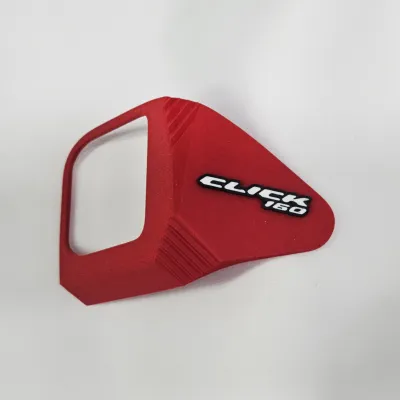
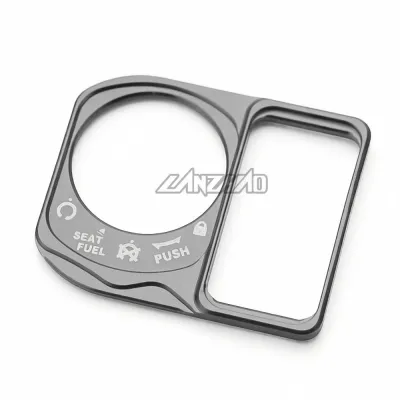
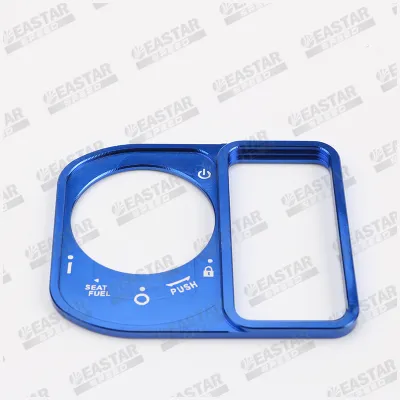
Prices are valid at publication and may change. Please refer to the product page for the latest price.
Aftermarket ignition covers present a wide array of material choices, each carrying distinct trade-offs in terms of weight, durability, and finish. CNC-machined aluminum covers are highly popular among local riders due to their premium metallic appearance and high structural rigidity. However, aluminum covers can absorb significant heat when parked under the direct sun, and low-quality anodized finishes may fade or discolor over time due to intense UV exposure. Other aftermarket options include ABS plastic covers with carbon fiber patterns or chrome plating, which offer a lightweight and cost-effective alternative but may lack the long-term impact resistance of metal or OEM polymers.
It is also important to distinguish between full assembly replacements and cosmetic outer covers. A full assembly replacement involves removing the entire ignition switch housing and installing a new mechanical or electronic interface, which is typically necessary only if the original switch is physically broken or electrically faulty. In contrast, cosmetic outer covers—often referred to as ignition trim plates or accent rings—are designed to adhere or bolt directly over the existing factory console. These cosmetic covers serve as a sacrificial barrier against scratches while allowing riders to customize the look of their cockpit without altering the underlying mechanical components.
Key Evaluation Criteria for Fitment and Security
Before purchasing any ignition cover, verifying exact model year and variant compatibility is the most critical step. The Honda Click 160 features a completely redesigned chassis and body panel layout compared to older generations like the Click 125i or Click 150i. Even minor variations in the trim level or regional specifications can result in subtle differences in the ignition console shape. Never assume a cover will fit based solely on a generic category description; always cross-reference the manufacturer’s part numbers and inspect the mounting bracket alignment against your specific scooter before attempting installation.

For variants that utilize a physical key shutter or an emergency key release, the mechanical tolerance of the cover is paramount. The magnetic key shutter mechanism relies on precise alignment to function smoothly; if an aftermarket cover is manufactured with loose tolerances, the keyway may not align correctly, leading to friction or jamming. When evaluating a cover, check that the key slot or rotary knob opening allows for completely unobstructed movement. A cover that binds or restricts the rotation of the ignition switch can put undue stress on the internal mechanisms, potentially leading to premature failure of the switch itself.
Build quality indicators should be thoroughly inspected prior to purchase or installation. Examine the edges of the cover for sharp burrs, uneven mold lines, or thin sections in the plastic, which are common signs of low-cost manufacturing. The mounting holes must be cleanly drilled and positioned to align perfectly with the factory screw locations without requiring you to bend or force the surrounding fairings. Additionally, pay close attention to the hardware included with aftermarket kits; high-quality options should feature stainless steel or corrosion-resistant alloy fasteners to withstand the salty, humid air common in coastal regions of the Philippines.
Decision Matrix: Matching Your Needs to the Right Cover
To determine the most suitable ignition cover option, you must first identify the primary reason for the replacement or upgrade. If your original ignition console has suffered physical damage from an attempted theft, a collision, or severe water intrusion, your priority should be restoring factory security. In this scenario, purchasing a genuine OEM replacement assembly is highly recommended. OEM parts guarantee that the watertight seals protecting the smart key receiver and the main wiring harness are fully restored, preventing electrical short circuits that could leave you stranded on the road.
If your factory ignition console is fully functional but has become unsightly due to scratches from keys, carabiners, or daily wear, an aftermarket cosmetic cover is the most practical choice. These covers act as an excellent protective shield, absorbing daily friction while giving your scooter a personalized touch. Because they do not replace the underlying mechanical switch, cosmetic covers allow you to upgrade the appearance of your cockpit without compromising the security or reliability of the factory ignition system.
Budget considerations also play a significant role in the decision-making process, and riders should be aware of the expected price tiers in the local market. A basic adhesive-backed cosmetic trim or CNC aluminum accent ring typically ranges from ₱200 to ₱600 on reputable online marketplaces and local accessory shops. Premium, full-coverage aftermarket guards made from high-grade materials can cost between ₱800 and ₱1,500. Conversely, a complete OEM smart key ignition switch assembly is a highly specialized electronic component, with prices generally ranging from ₱3,500 to over ₱6,000, excluding the cost of professional labor at an authorized service center.
Installation Boundaries and Safety Checks
Working near the ignition system of your Honda Click 160 involves handling the scooter’s primary electrical backbone, which requires strict adherence to safety protocols. Before beginning any disassembly or installation work, always disconnect the negative terminal of the battery to eliminate the risk of accidental short circuits or electrical surges. This precaution is especially critical for models equipped with the Honda Smart Key System, as sudden voltage spikes can damage the sensitive electronic control units or corrupt the programming of the keyless receiver.
Once the surrounding body panels are removed, perform a thorough visual inspection of the wiring harnesses and sensor clearances around the ignition cylinder. Ensure that all electrical wires are routed cleanly, free from tension, and positioned away from sharp metal brackets or moving steering components. Check that the rubber dust boots and weather seals protecting the electrical connectors are fully seated and undamaged. If you are installing an aftermarket cover that utilizes bolts, verify that the fasteners do not pinch or compress any wires behind the console when tightened to the manufacturer’s specified torque.
Knowing when to stop and consult a qualified motorcycle technician is essential for preventing costly damage to your scooter. If you encounter specialized security screws—such as tamper-resistant Torx bolts—holding the ignition assembly to the frame, do not attempt to force them off with incorrect tools, as this can strip the screw heads and complicate future repairs. Furthermore, if you notice any frayed wires, corroded electrical connectors, or if the smart key indicator light on the instrument cluster flashes erratically after installing a new cover, immediately halt the process and seek professional assistance from an authorized Honda service center.
Frequently Asked Questions (FAQ)
Is the Click 160 ignition cover interchangeable with older Click 150 models?
No, the ignition cover for the Honda Click 160 is not interchangeable with older Click 150 models. The Click 160 is built on a completely redesigned frame and features a different front cowl and cockpit layout. The physical dimensions, mounting screw locations, and overall shape of the ignition console differ significantly between the two generations. Attempting to force a Click 150 cover onto a Click 160 will result in poor fitment, unsightly gaps, and potential exposure of the internal electrical components to rainwater and dust.
Will an aftermarket cover interfere with the Click 160 smart key fob?
Most cosmetic aftermarket covers made of plastic, carbon fiber, or thin aluminum will not interfere with the radio frequency signals of the Honda Smart Key System. However, heavy, fully enclosed steel or thick alloy guards can potentially shield the internal antenna, reducing the operating range of the keyless system. Additionally, you should avoid using aftermarket accessories that contain strong integrated magnets near the ignition console, as magnetic fields can disrupt the low-frequency communication between the smart key fob and the scooter’s receiver.
Community discussion
Share your experience or ask a question. Comments are reviewed before publication.