
Deciding on the right disc brake pads for your Honda Click involves balancing immediate stopping power, long-term durability, and overall maintenance costs. While genuine Original Equipment Manufacturer (OEM) parts offer guaranteed compatibility and predictable performance, a wide array of aftermarket options promise specialized friction characteristics or lower price points. There is no single universal winner for every rider; instead, the ideal choice depends on your daily commuting conditions, budget, and willingness to verify exact part specifications. This guide evaluates the core differences between OEM and aftermarket brake pads, providing a clear framework to help you make an informed, safety-first decision for your scooter.
OEM vs. Aftermarket Disc Brake Pads: Core Differences for Honda Click
To understand your options, it is essential to look at the material compositions commonly available for scooter brake pads. Standard commuter scooters like the Honda Click typically use organic or semi-metallic compounds. Organic pads, often made from rubber, glass, or resin fibers, offer a quiet ride and a gentle initial bite that works well in typical stop-and-go city traffic. Semi-metallic pads incorporate fine metal fibers to improve heat dissipation and durability, making them highly resilient under heavier loads or during prolonged braking down steep hills. Sintered pads, which consist of fused metallic particles, provide extreme durability and high-temperature performance but can accelerate wear on standard brake rotors if the rotor material is not rated for them.
Genuine OEM brake pads are manufactured to strict factory standards, ensuring that the friction material matches the hardness and thermal limits of the original brake rotor. When purchasing OEM parts, riders benefit from standardized packaging, clear part numbers, and the assurance that the component preserves any active vehicle warranties. On the other hand, reputable third-party aftermarket brands offer alternative friction compounds designed to address specific riding preferences, such as reducing brake dust, enhancing wet-weather grip, or lowering replacement costs. However, choosing aftermarket options requires the rider to take on the responsibility of verifying that the pad compound is compatible with their specific riding environment and rotor type.
Products mentioned in this guide
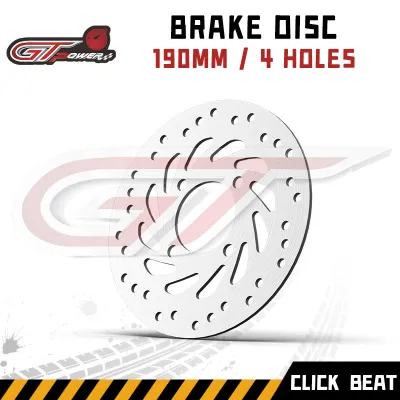
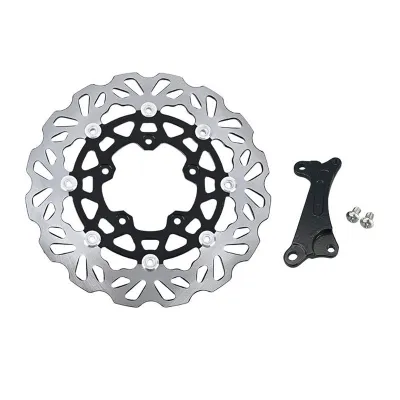
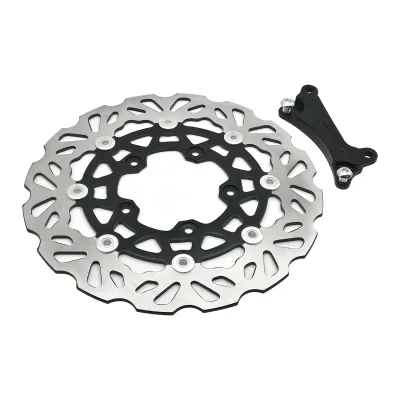
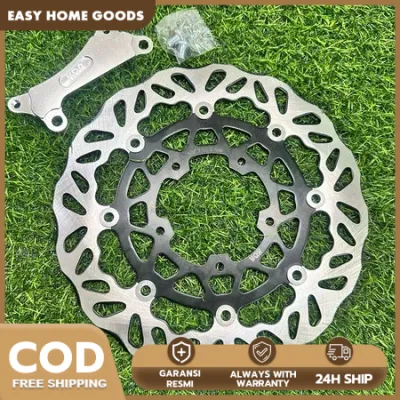
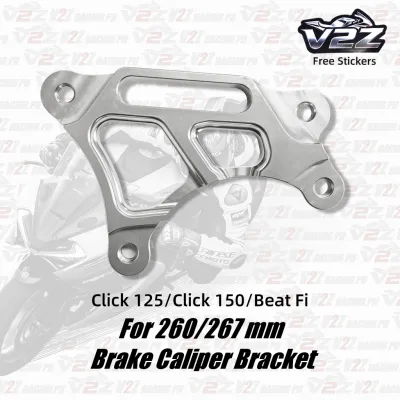
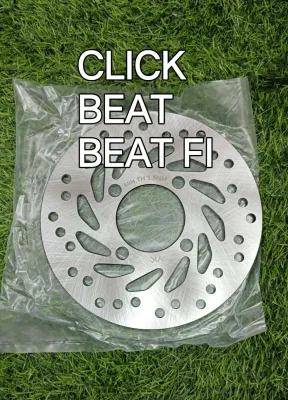
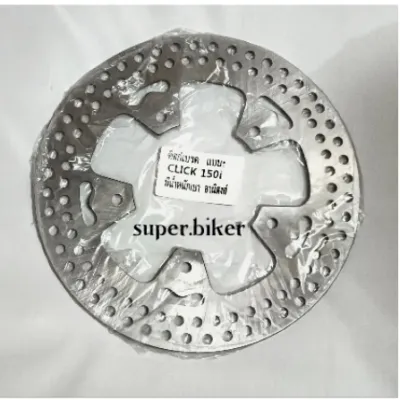
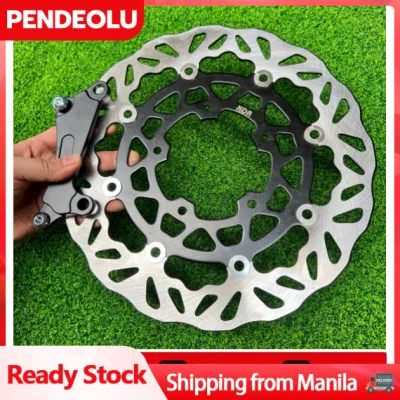
Prices are valid at publication and may change. Please refer to the product page for the latest price.
Evaluating Stopping Power and Durability Safely
Assessing brake performance goes beyond reading marketing claims on a box. When evaluating aftermarket options, look for standardized friction ratings, often printed as a two-letter code (such as GG or HH) on the backing plate or packaging. These letters represent the friction coefficient under normal and hot operating conditions, with higher letters indicating stronger stopping force. For a daily commuter scooter like the Honda Click, a moderate friction rating is generally preferred to prevent sudden wheel lockup, especially on wet or sandy roads where traction is limited.

Compatibility is another critical factor that cannot be assumed based on a generic product title. The Honda Click has gone through multiple model generations and engine displacements, including the Click 125i and Click 150i, which may feature different caliper designs, mounting dimensions, and pin configurations depending on the model year. Before purchasing any brake pad, you must verify the exact part number and physical dimensions against your vehicle’s official documentation or parts catalog. Never attempt to modify a brake pad’s backing plate or force a mismatched pad into the caliper, as this can lead to uneven wear, brake binding, or catastrophic brake failure.
Before installing any new components, perform a thorough visual inspection of your entire braking system. Check the current pad thickness; if the friction material has worn down to the wear indicator groove, or is less than two millimeters thick, immediate replacement is necessary. Additionally, run a finger carefully across the brake rotor to check for deep grooves, scoring, or a lip at the outer edge. A heavily worn or warped rotor will prevent new brake pads from making full contact, severely reducing your stopping power and causing premature wear on the new pads.
Price and Value: Weighing Costs in the Philippines
In the Philippine market, riders face a wide range of pricing options when shopping for brake pads. Genuine OEM pads purchased from authorized dealerships generally sit at a higher price bracket, often ranging from ₱300 to ₱600, reflecting their guaranteed fitment and strict quality control. Established aftermarket brands offer options across a broader spectrum, with budget-friendly organic pads starting around ₱150, while premium semi-metallic or specialized compounds can match or exceed OEM prices.
While low-cost options are highly accessible, riders must be vigilant against counterfeit, unbranded, or substandard brake pads commonly found in local physical shops and online marketplaces. Counterfeit parts often mimic the packaging of genuine Honda or reputable aftermarket brands but use inferior bonding agents and low-grade friction materials that can delaminate or crumble under thermal stress. To protect yourself, purchase exclusively from authorized dealers or official brand stores, and inspect the packaging for holographic seals, clear batch numbers, and high-quality printing.
Calculating the true value of a brake pad requires looking beyond the initial purchase price to consider the total cost of ownership. A cheap, unbranded pad might save you money upfront but may wear out twice as fast, requiring more frequent replacements and increasing labor costs. Furthermore, excessively hard or poorly formulated aftermarket compounds can cause rapid wear on your brake rotor. Replacing a damaged brake rotor is significantly more expensive than investing in a high-quality set of brake pads, making balanced wear characteristics a key factor in long-term savings.
Decision Framework: Which Brake Pad Should You Choose?
To simplify your selection, consider your primary riding habits, technical confidence, and budget. Choosing genuine OEM brake pads is the most straightforward path if you prioritize hassle-free maintenance. OEM pads are ideal for riders who use their Honda Click for standard daily commuting, prefer a predictable and quiet braking feel, and want to maintain their factory warranty without researching technical specifications. With OEM, you receive a guaranteed fit and a compound that is perfectly balanced for the factory rotor.
Opting for established aftermarket brands is highly suitable if you have specific performance goals or ride under demanding conditions. For instance, if you frequently carry heavy cargo, ride with a pillion passenger, or navigate steep, hilly terrain, a high-quality semi-metallic aftermarket pad can offer better fade resistance and a firmer lever feel. This path is best for riders who are comfortable cross-referencing part numbers, verifying dimensions, and selecting a reputable brand known for consistent quality control.
You must exercise extreme caution and verify all specifications first if you are considering budget-tier unbranded options, planning to modify your braking system, or operating your scooter under extreme conditions. If you ride in highly dusty or constantly wet environments, standard organic pads may wear down rapidly, making a transition to a verified semi-metallic compound necessary. Always prioritize safety over minor cost savings; if a product’s origin, material composition, or compatibility cannot be verified, it should not be installed on your vehicle.
Installation, Bedding-In, and Safety Boundaries
Replacing disc brake pads is a critical safety procedure that requires precision and adherence to proper mechanical practices. Once new pads are installed, they must undergo a mandatory bedding-in process before you ride at normal speeds. Bedding-in involves performing a series of gentle, controlled stops from moderate speeds to gradually heat the pads and transfer an even layer of friction material onto the rotor surface. Skipping this step can lead to glazed pads, squealing noises, and a significant reduction in initial stopping power.
During the replacement process, it is vital to inspect the surrounding hydraulic components. Check the brake fluid level in the reservoir; as you push the caliper pistons back to accommodate the thicker new pads, the fluid level will rise, and any excess must be carefully managed to prevent reservoir overflow. Inspect the caliper pistons for dirt buildup, corrosion, or signs of fluid leakage around the rubber seals. Caliper pistons must move smoothly and retract fully; seized or sticky pistons will cause the new pads to drag against the rotor, leading to overheating and rapid wear.
Always recognize the safety boundaries of DIY maintenance. If you encounter seized caliper slide pins, damaged piston seals, a spongy brake lever that does not firm up after bleeding, or if the new pads do not align perfectly with the rotor, stop immediately. Do not attempt to ride a scooter with compromised brakes. In these situations, or if you lack the proper tools and experience, consult a qualified mechanic to complete the installation safely and ensure your vehicle remains roadworthy.
Frequently Asked Questions (FAQ)
Can I use disc brake pads from other Honda scooter models on my Click?
While some Honda scooter models share similar engine platforms, you cannot assume that their brake pads are interchangeable. Even if a brake pad from another model looks physically similar in shape, minor differences in thickness, backing plate dimensions, or mounting pin holes can prevent the pad from seating correctly in the caliper. A poorly fitted pad can bind, rattle, or fail to apply even pressure to the rotor, severely compromising your safety. Always cross-reference the official Honda parts catalog or consult an authorized dealer using your Click’s specific chassis number to verify exact part compatibility before purchasing.
How do I know when my Honda Click brake pads need replacing?
There are several clear, observable signs that indicate your brake pads are reaching the end of their service life. First, listen for a high-pitched metallic scraping or squealing noise when applying the brakes, which occurs when the built-in wear indicator metal tab contacts the rotor. Second, perform a visual check by looking through the caliper inspection window; if the friction material is worn down close to the backing plate, replacement is urgent. Finally, pay attention to changes in the brake lever feel; if the lever feels unusually spongy, requires more travel to slow the scooter down, or lacks its usual initial bite, inspect the pads immediately.
Are sintered or ceramic brake pads worth the upgrade for a daily commuter scooter?
For a standard daily commuter scooter like the Honda Click, premium sintered or ceramic brake pads are generally not necessary and may even reduce braking efficiency in typical city riding. Sintered and ceramic compounds are designed to operate at very high temperatures, which are rarely reached during low-speed, stop-and-go city commuting. When cold, these premium pads may actually offer less initial bite than standard organic or semi-metallic pads. Additionally, sintered pads are highly abrasive and can cause rapid wear on standard commuter rotors that are not specifically rated for metallic compounds, leading to high replacement costs.

Community discussion
Share your experience or ask a question. Comments are reviewed before publication.