
When upgrading or protecting your Honda Click, choosing the right sensor cover requires evaluating the specific sensor location, material durability, model year compatibility, installation complexity, and functional clearances. Because the term “sensor cover” can refer to several distinct components on this popular scooter—ranging from the smart key ignition ring to wheel-speed sensors—identifying your exact protection needs is the first step. A well-chosen cover shields sensitive electronics from harsh tropical weather, road debris, and daily wear without interfering with the scooter’s signals or mechanical operations.
Identify the Exact Sensor Location on Your Honda Click
On the Honda Click, several electronic components are commonly referred to as sensors, and each requires a completely different type of cover. The most frequent aftermarket upgrade is for the smart key or keyless ignition system. This sensor cover is actually a decorative and protective ring that surrounds the ignition knob on the main front panel. It helps prevent water intrusion and scratches around the ignition switch area, which is highly exposed to rain and dust during daily commutes.
Another common component is the brake lever sensor or brake switch protector. Located near the handlebar controls, this small switch detects when you pull the brake lever to start the engine or activate the brake lights. A cover for this area is designed to shield the delicate electrical contacts from heavy downpours and high-pressure car washes, which can cause premature wear or short circuits.
Products mentioned in this guide
Prices are valid at publication and may change. Please refer to the product page for the latest price.
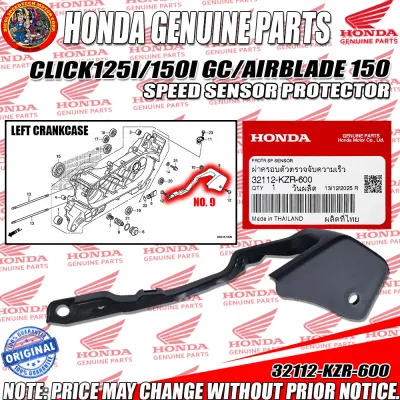
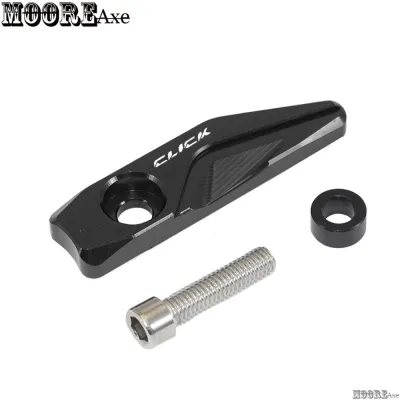
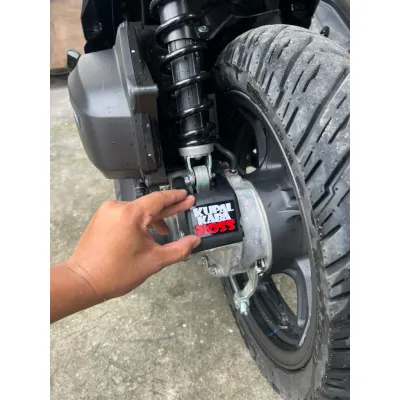
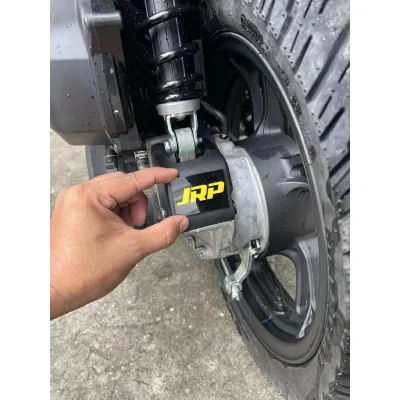
Additionally, some riders look for speed sensor guards or front fork sensor covers, particularly on newer models equipped with anti-lock braking systems (ABS). These sensors are positioned near the wheel hub and brake disc to monitor wheel speed. A guard in this area must be highly robust, as its primary job is to deflect flying gravel, road debris, and mud kicked up by the front tire.
Before purchasing any accessory, you must inspect your scooter’s specific generation and factory layout. The Honda Click 125i and 150i have different body panels and ignition setups compared to the newer Honda Click 160. A cover designed for a 125cc model may not align with the mounting points or panel contours of a 160cc model.
You should also determine whether the part you are buying is purely decorative or functionally protective. Decorative covers often rely on double-sided adhesive tape and focus on color customization, whereas functional guards use bolt-on mounts to provide physical impact resistance. Knowing this distinction helps you set realistic expectations for the accessory’s performance and durability.
Evaluate Material Durability and Weather Resistance
The tropical climate in the Philippines exposes your motorcycle to intense sunlight, high humidity, and sudden heavy downpours. Consequently, the material of your sensor cover plays a critical role in how long it will last and how well it will protect your scooter. The three most common materials used for aftermarket Honda Click sensor covers are CNC-machined aluminum, ABS plastic, and carbon-fiber-look vinyl wraps or overlays.

CNC-machined aluminum is highly favored for its structural strength and premium appearance. It offers excellent impact resistance, making it the ideal choice for exposed areas like the wheel speed sensors or brake lever switches. However, because aluminum is a metal, it is susceptible to surface oxidation if left untreated. When choosing a metal cover, look for products that specify an anodized or powder-coated finish, as these chemical treatments create a protective barrier against moisture and road grime.
ABS plastic is another popular option, especially for smart key ignition surrounds. It is lightweight, cost-effective, and can be molded into intricate shapes that match the scooter’s body lines perfectly. When evaluating ABS plastic covers, check the manufacturer’s specifications for UV stabilizers. Untreated plastic can quickly become brittle, fade, or crack under prolonged exposure to intense sunlight, which is a common issue in tropical environments.
Carbon-fiber-look vinyl wraps and thin resin overlays serve a primarily aesthetic purpose. While they offer excellent scratch protection for the plastic panels surrounding the ignition, they do not provide structural impact resistance. If you choose a resin-coated sticker or overlay, ensure the adhesive is rated for high-temperature outdoor use so it does not peel off when the scooter is parked under the sun.
Regardless of the material, you should assess how well the cover resists road grime, engine oil, and cleaning chemicals. Read the product descriptions carefully to verify if the finish is resistant to fading. Anodized finishes can sometimes fade from deep red or blue to a dull bronze or silver if they are exposed to harsh acidic cleaners or constant UV rays, so choosing high-quality coatings is essential for long-term satisfaction.
Verify Model Compatibility and Year-Specific Fitment
One of the most common mistakes riders make when buying accessories online is assuming that all Honda Click parts are universally interchangeable. The Honda Click lineup has undergone significant design evolutions over the years, resulting in distinct differences between the Click 125i, Click 150i, and Click 160. Even within the same engine displacement, different model years or generations may feature altered body panels, ignition consoles, or sensor mounting locations.
To avoid the hassle of returning a part that does not fit, always cross-reference the product description with your scooter’s exact model year and engine displacement. For example, the smart key ignition area on the Honda Click 160 is shaped differently from the keyless console on the older Click 150i. A cover designed for the 150i will not sit flush on the 160, leaving gaps that can trap water and dust.
If you are replacing a damaged or lost factory sensor housing rather than adding an aftermarket decorative cover, it is highly recommended to check for original equipment manufacturer (OEM) part numbers. You can find these numbers in your scooter’s parts catalog or by consulting an authorized Honda dealer. Matching the OEM part number ensures that the replacement housing will fit perfectly and maintain the original weather sealing of the sensor.
Furthermore, you must take any existing aftermarket modifications into account before purchasing a sensor cover. If you have upgraded your brake levers, installed aftermarket side mirrors, or added auxiliary lights, the mounting brackets or larger dimensions of these parts might block the installation of a standard sensor cover. Read the product’s fitment notes and customer feedback to see if other riders have experienced clearance issues with similar modifications.
Taking the time to measure the clearances around your current setup can save you from purchasing a cover that interferes with your existing accessories. If a product listing is vague about compatibility, do not hesitate to ask the seller for exact dimensions or photos of the cover installed on your specific model year.
Assess Installation Methods and Tool Requirements
Before purchasing a sensor cover, it is important to understand how it installs and what tools you will need to complete the job. Aftermarket covers generally fall into three installation categories: adhesive-backed overlays, snap-on or plug-and-play covers, and bolt-on guards. Each category requires a different level of mechanical skill and tool availability.
Adhesive-backed covers, often used for the smart key ignition ring, are the easiest to install. They typically use double-sided automotive tape and require no tools other than a clean microfiber cloth and some rubbing alcohol to prep the surface. These options are completely non-destructive, meaning you can remove them later without damaging the original plastic panels of your scooter.
On the other hand, bolt-on guards for speed sensors or brake switches require physical tools and a bit more care. You will need to identify whether the cover utilizes existing factory bolts or if it comes with its own mounting hardware. Some installations may require specialized tools, such as Torx keys, Allen wrenches, or a torque wrench to ensure the bolts are tightened to the manufacturer’s specifications without stripping the threads in the aluminum engine or fork casings.
Some advanced covers might require partial removal of the scooter’s plastic fairings to access the mounting points. If you are not comfortable removing body panels, you should factor in the potential cost of professional installation. Removing panels incorrectly can lead to broken plastic clips, misaligned bodywork, or annoying rattles while riding.
Most importantly, you must recognize the safety boundaries of DIY installation. If a sensor cover requires you to splice into the scooter’s wiring harness, alter the physical housing of an electronic sensor, or remove critical safety components like the brake caliper or wheel axle, you should stop and consult a qualified mechanic. Modifying electrical wiring or critical mechanical fasteners without proper training can void your warranty, cause electrical shorts, or compromise the safety of your motorcycle on the road.
Balance Aesthetics with Functional Clearances
While upgrading your Honda Click with stylish accessories is highly satisfying, you must never sacrifice functionality and safety for aesthetics. A poorly designed sensor cover can interfere with the very electronics it is meant to protect, leading to frustrating operational issues or even hazardous riding conditions.
For smart key ignition covers, the primary concern is signal interference. The keyless system relies on radio frequency identification (RFID) signals to communicate between your key fob and the scooter’s receiver. If you install a thick, solid metal cover directly over the sensor area, it can act as a shield, significantly reducing the detection range or preventing the scooter from starting altogether. When choosing a metallic ignition ring, ensure it features a low-profile design or specific cutouts that allow the RFID signal to pass through unobstructed.
For brake sensor covers, mechanical clearance is the most critical factor. The cover must not restrict the travel of the brake lever or cause any friction that prevents the lever from returning to its fully released position. If the cover is too bulky, it might keep the brake switch slightly depressed, which can cause your brake lights to stay on continuously or prevent the engine’s starter motor from engaging.
Additionally, avoid poorly molded or overly thick aftermarket covers that do not fit flush against the scooter’s body. Loose-fitting covers can vibrate and rattle at high engine speeds, which is not only annoying but can also cause the cover to rub against and scratch the underlying factory paint. Furthermore, a cover with poor fitment can create small pockets that trap moisture, road salt, and dirt against the sensor, accelerating corrosion rather than preventing it.
To ensure a safe and successful upgrade, always test the operation of your scooter’s controls immediately after installing any new cover. Check that the smart key system detects your fob at a normal distance, verify that the brake levers move smoothly without binding, and confirm that all lights and sensors function exactly as they did before the installation.
Frequently Asked Questions (FAQ)
Will an aftermarket smart key sensor cover affect the starting range?
Most high-quality aftermarket smart key sensor covers are designed with signal transmission in mind. Non-metallic materials, such as ABS plastic or carbon-fiber-look vinyl, do not block radio frequencies and will not affect your key fob’s starting range. Even metallic rings made of CNC aluminum are typically engineered to be thin enough or positioned in a way that they do not interfere with the RFID signal.
However, to ensure optimal performance, you should test the key fob detection distance immediately after installing the cover. Stand at your usual distance and check if the scooter recognizes the fob without delay. If you notice a significant drop in range, or if the scooter fails to turn on unless the fob is held directly against the ignition, the cover may be blocking the signal. In such cases, you should remove the cover immediately and consult your local dealer or accessory specialist for a compatible alternative.
How do I clean and maintain a CNC aluminum sensor cover?
Maintaining a CNC aluminum sensor cover is straightforward but requires the right approach to preserve its anodized or powder-coated finish. You should clean the cover using mild soap and water or a dedicated, non-abrasive motorcycle detailing spray. Avoid using harsh acidic cleaners, degreasers, or abrasive scrubbing pads, as these can strip the anodized color and leave the metal vulnerable to oxidation.
After washing, always dry the area thoroughly with a clean microfiber cloth to prevent water spots from forming on the metal surface. Because motorcycles are subject to constant engine and road vibrations, it is also highly recommended to check the mounting screws of your sensor cover periodically. Over time, these vibrations can cause bolts to back out. A quick check during your regular maintenance routine ensures the cover remains securely attached to your Honda Click.
Community discussion
Share your experience or ask a question. Comments are reviewed before publication.